Last Updated on December 3, 2025 by Bilal Hasdemir
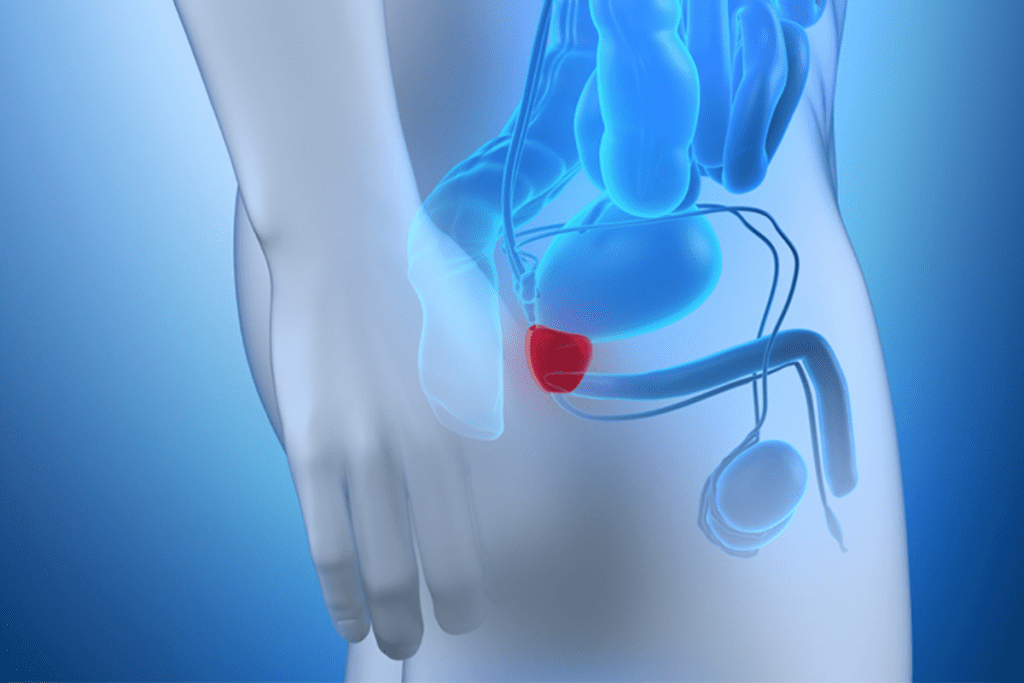
Many men feel prostate pain, which is common with prostate issues. It’s estimated that over 50% of men will experience some form of prostate issue in their lifetime, with pain being a significant concern. Wondering how does prostate pain feel like? This ultimate guide reveals the key locations and sensations to help you identify a potential problem.
The sensation and location of prostate pain can vary among individuals. Some men might feel a dull ache in the pelvic area. Others might experience sharp pains or spasms.
Knowing where prostate pain is felt and its characteristics is key for diagnosis and treatment. We will look into the different aspects of prostate pain, including its common locations and associated conditions.
Key Takeaways
- Prostate pain can manifest in various locations, including the pelvic area, lower back, and genital region.
- The sensation of prostate pain can range from a dull ache to sharp pains or spasms.
- Prostate pain is often associated with underlying prostate conditions.
- Understanding prostate pain is critical for effective diagnosis and treatment.
- Various treatment options are available for managing prostate pain.
Understanding the Prostate Gland and Its Function
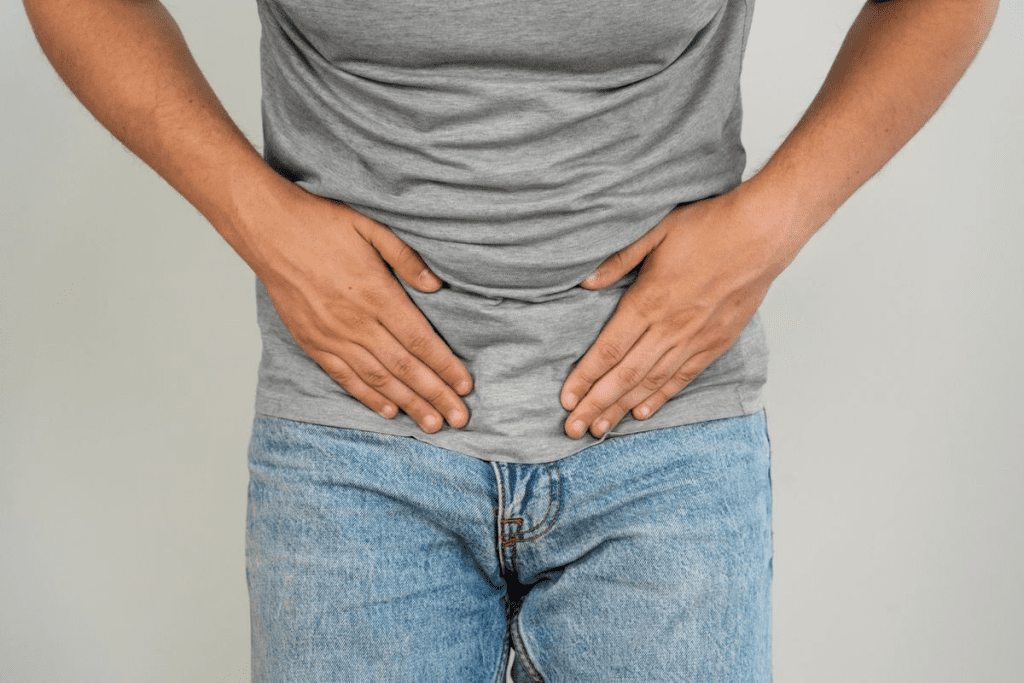
The prostate gland is key to the male reproductive system, making seminal fluid. It’s a small, walnut-sized organ below the bladder and in front of the rectum. It surrounds the urethra. Knowing about its anatomy, function, and age-related changes is vital for prostate health.
Anatomy and Location of the Prostate
The prostate gland is in a vital spot, around the urethra. The urethra carries urine from the bladder to the penis. It’s below the bladder and in front of the rectum, linking the urinary and reproductive systems. It has glandular, fibrous, and smooth muscle tissues, all important for its role.
Normal Prostate Function
The prostate’s main job is to make seminal fluid, a key part of semen. This fluid nourishes and protects sperm. It’s full of enzymes, zinc, and other nutrients for sperm health. The prostate’s muscles also help push out seminal fluid during ejaculation.
How the Prostate Changes with Age
With age, the prostate gland changes a lot. One common issue is benign prostatic hyperplasia (BPH), or prostate enlargement. This can cause trouble starting to urinate, weak urine flow, and needing to urinate often. The risk of diseases like prostatitis and prostate cancer also goes up with age. Knowing these changes helps keep the prostate healthy and address any problems.
Prostate health is very important for men’s overall well-being. By understanding the prostate gland’s role, changes with age, and its anatomy, men can take better care of their prostate. This includes regular check-ups and seeking medical advice when needed.
Common Prostate Conditions That Cause Pain
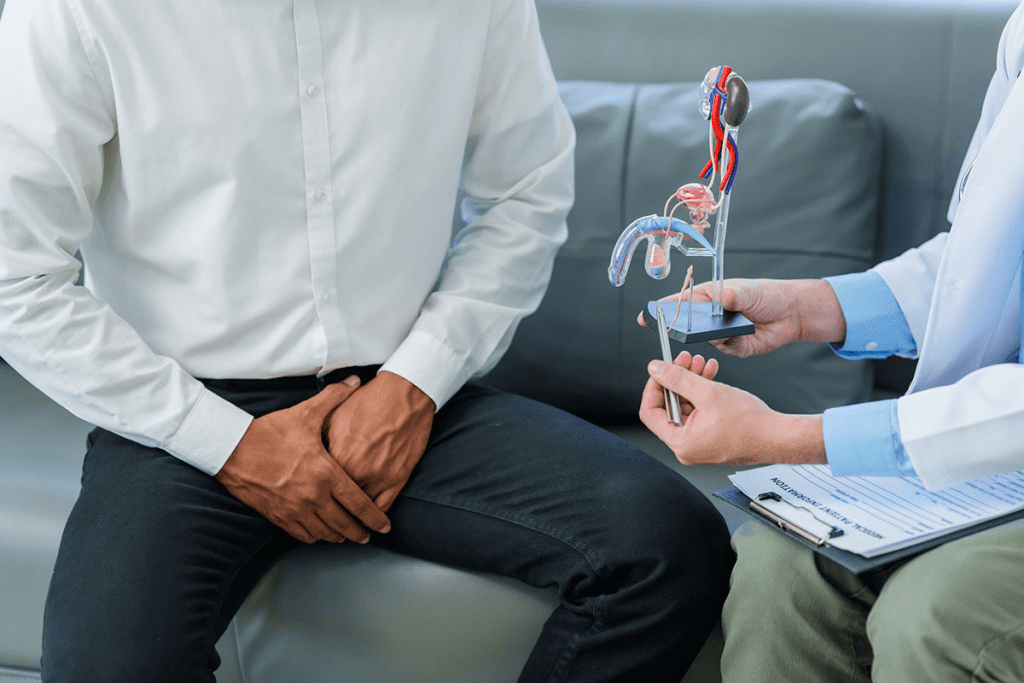
It’s important to know about common prostate conditions that cause pain. This knowledge helps in managing the pain effectively. Finding out what’s causing the pain is the first step to feeling better.
Acute Bacterial Prostatitis
Acute bacterial prostatitis is a sudden infection of the prostate gland. It’s usually caused by bacteria. Symptoms include severe pain, fever, and trouble with urination. Prompt antibiotic treatment is essential to avoid serious problems.
Chronic Bacterial Prostatitis
Chronic bacterial prostatitis is a recurring infection of the prostate gland. It causes ongoing or coming back symptoms like pain and urinary problems. Treatment often involves long-term antibiotics and may need other therapies too.
Chronic Pelvic Pain Syndrome (CPPS)
CPPS is a condition with chronic pain in the pelvic area, often without a bacterial infection. The exact cause is not fully understood. It’s thought to involve muscle tension and neurological issues. Treatment may include pain management, physical therapy, and lifestyle changes.
Benign Prostatic Hyperplasia (BPH)
BPH is the enlargement of the prostate gland, common in older men. It doesn’t directly cause pain but can lead to urinary symptoms that may be uncomfortable. Treatment options vary from medications to surgery, depending on the severity.
| Condition | Primary Symptoms | Typical Treatment |
| Acute Bacterial Prostatitis | Severe pain, fever, urinary difficulties | Antibiotics |
| Chronic Bacterial Prostatitis | Recurring pain, urinary issues | Long-term antibiotics |
| Chronic Pelvic Pain Syndrome (CPPS) | Chronic pelvic pain | Pain management, physical therapy |
| Benign Prostatic Hyperplasia (BPH) | Urinary symptoms, discomfort | Medications, surgery |
Where Do You Feel Prostate Pain? Primary Locations
Prostate pain can be felt in different places. Common spots include the perineum, lower abdomen, lower back, and rectum. Knowing these areas helps figure out what’s causing the pain.
Perineum (Area Between Scrotum and Rectum)
The perineum is a common spot for prostate pain. It’s the area between the scrotum and rectum. Here, you might feel a dull ache or sharp pain. Perineum pain is often linked to prostatitis or other prostate problems.
Lower Abdomen and Pelvic Area
Pain in the lower abdomen and pelvic area might be related to the prostate. This pain can feel like a dull ache or a sharp, stabbing sensation. It’s important to get a proper diagnosis because this pain can have many causes.
Lower Back and Tailbone
Some men feel lower back pain or discomfort in the tailbone due to prostate issues. This pain can be mild or very severe. It’s key to tell this pain apart from other lower back pain causes to get the right treatment.
Rectum and Anal Area
Rectal pain or discomfort during bowel movements can be linked to prostate problems. The prostate’s close location to the rectum means prostate issues can cause pain or discomfort in the rectal area.
| Location | Common Causes | Characteristics |
| Perineum | Prostatitis, Prostate Infection | Dull ache to sharp pain |
| Lower Abdomen | Prostate Issues, Urinary Tract Infections | Dull ache or sharp pain |
| Lower Back | Prostate Conditions, Musculoskeletal Issues | Mild ache to severe discomfort |
| Rectum | Prostate Issues, Hemorrhoids | Pain or discomfort during bowel movements |
How Does Prostate Pain Feel Like? Describing the Sensations
Prostate pain can feel different for everyone. It’s not just one kind of pain. It can be a dull ache, sharp pain, pressure, or even burning. Knowing these feelings is key for doctors to help.
Dull Ache vs. Sharp Pain
Prostate pain can feel like a dull ache or sharp pain. A dull ache is a constant, annoying feeling in the prostate area. It might spread to the lower back or perineum. Sharp pain, on the other hand, is intense and sudden. It can be very upsetting and linked to certain health issues.
Here’s a table to show the difference:
| Pain Type | Description | Possible Associated Conditions |
| Dull Ache | Persistent discomfort | Chronic Prostatitis, BPH |
| Sharp Pain | Intensely felt, sudden pain | Acute Prostatitis, Prostate Stones |
Pressure and Fullness Sensations
Some men feel pressure or fullness in their pelvic area. This can be uncomfortable and might come with other symptoms. The feeling can change with activities like sitting or ejaculation.
“The sensation of pressure or fullness can significantly impact a man’s quality of life, affecting both physical comfort and psychological well-being.”
” Expert Opinion
Burning or Stinging Feelings
Burning or stinging sensations are common in prostate pain. These feelings can happen during urination, ejaculation, or even when you’re not doing anything. They often mean there’s inflammation or infection in the prostate.
Prostate Spasms and Cramping
Prostate spasms or cramping can also happen, causing a lot of discomfort. These spasms can be sudden and might come with other symptoms like needing to urinate a lot. Finding out why these spasms happen is important for treatment.
By understanding the different sensations of prostate pain, doctors can better diagnose and treat it. Men with these symptoms should see a doctor to find relief.
Referred Pain: When Prostate Issues Cause Pain Elsewhere
Referred pain happens when prostate problems cause pain in other parts of the body. This makes it hard to figure out what’s wrong because the pain isn’t always in the prostate area.
Testicular Pain from Prostatitis
Testicular pain can be a sign of prostatitis. The nerves that connect the prostate and testicles can cause pain in the testicles when the prostate is inflamed or infected.
Shared Nerve Supply: The nerves that connect the prostate and testicles are key in referred pain. This is why prostatitis can cause testicular pain.
Lower Back Pain and Prostate Conditions
Prostate issues can also cause lower back pain. The nerves from the prostate to the lower back can lead to pain or discomfort in this area. This happens when the prostate is affected by conditions like prostatitis or benign prostatic hyperplasia (BPH).
- Prostatitis can cause radiating pain to the lower back.
- BPH can lead to discomfort in the lower back due to the enlarged prostate putting pressure on surrounding nerves.
Leg Pain Associated with Prostate Problems
In some cases, prostate issues can cause pain that radiates to the legs. This is often due to the compression or irritation of nerves that run from the prostate area down to the legs.
Nerve Compression: Conditions like prostatitis or prostate cancer can compress or irritate nerves, leading to leg pain.
Abdominal Discomfort Related to Prostate Issues
Abdominal discomfort can also be a symptom of prostate problems. The pain or discomfort can be felt in the lower abdomen or pelvic area. This is often due to the prostate’s close location to these regions.
“Prostate conditions can manifest as abdominal pain or discomfort, making it essential to consider prostate health when evaluating abdominal symptoms.”
Understanding referred pain is key to accurately diagnosing and treating prostate-related conditions. Recognizing that prostate issues can cause pain in other areas helps healthcare providers offer better care.
Prostate Pain When Sitting: Causes and Management
For many men, sitting can become a source of discomfort when prostate issues are present. Prostate pain, in conditions like prostatitis or Chronic Pelvic Pain Syndrome (CPPS), can worsen with sitting. Knowing the causes and using effective management strategies are key to easing this pain.
Why Sitting Aggravates Prostate Pain
Sitting can put extra pressure on the prostate gland, irritating existing conditions and causing pain. When sitting, your body’s weight can compress the prostate, worsening discomfort if you have an enlarged prostate or inflammation. It’s important to find ways to reduce this pressure.
Proper Sitting Posture to Reduce Discomfort
Keeping a proper sitting posture can help reduce prostate pain. Sit with your back straight, shoulders relaxed, and feet flat on the floor or on a footrest if needed. Avoid crossing your legs or ankles, as this can cut off circulation and increase prostate pressure. A healthy sitting posture can help minimize pelvic area strain.
Specialized Cushions and Supports
Specialized cushions or supports can greatly help with prostate pain when sitting. There are many products designed to reduce prostate pressure, like cut-out cushions or inflatable donut-shaped pillows. These tools help by spreading your weight, reducing direct pressure on the prostate gland. Trying different cushions can help you find the most comfortable one.
Alternative Positions and Movement Strategies
Using alternative sitting positions and regular movement can also manage prostate pain. Consider using a standing desk or adjustable workstation to switch between sitting and standing. Taking breaks to stand, stretch, and move can reduce prolonged prostate pressure. Also, trying different sitting positions, like leaning forward or using a wedge cushion, can help distribute your weight more comfortably.
By understanding the causes of prostate pain when sitting and using these management strategies, men can greatly reduce their discomfort and improve their quality of life.
Urinary Symptoms That Accompany Prostate Pain
Prostate pain often comes with urinary symptoms that can really affect a man’s life. These symptoms can be different in how often they happen and how bad they are. They usually mean there’s a problem with the prostate that needs to be fixed.
Frequent Urination and Urgency
Frequent urination is a common symptom with prostate pain. Men might need to go to the bathroom more often. They might even have to go right away, which can mess up their day and sleep.
Painful Urination (Dysuria)
Painful urination, or dysuria, is another symptom men might experience. It can feel like a burning or even a lot of pain when they pee. This makes peeing a hard and uncomfortable thing to do.
Difficulty Starting or Maintaining Urine Flow
Prostate problems can also make it hard to start or keep peeing. Men might have a weak or broken stream. Or they might have trouble starting to pee, needing to push hard.
Blood in Urine (Hematuria)
In some cases, there’s blood in the urine, or hematuria, with prostate pain. This is scary, but it’s a sign that needs to be checked out right away. It could mean there’s a serious problem.
It’s important to know about these urinary symptoms to manage prostate pain well. Doctors can help by treating both the pain and the urinary problems. This way, they can make a treatment plan that really helps improve a man’s health.
Sexual Function and Prostate Pain
Prostate pain can really mess with your sex life. It can cause a bunch of uncomfortable symptoms. Men with this pain often find it hard to enjoy sex, which can really lower their mood.
Pain During or After Ejaculation
Many men with prostate pain say they feel pain when they ejaculate. This pain can feel like a dull ache or a sharp stab. It might just hurt in the prostate area or spread to other parts of the pelvis.
It’s important to know why this pain happens. Sometimes, it’s because of things like prostatitis or epididymitis.
Erectile Dysfunction Related to Prostate Issues
Erectile dysfunction (ED) can also be a problem for men with prostate pain. The pain and discomfort can make it hard to get or keep an erection.
Also, the stress of living with chronic pain can make ED worse. Feeling anxious or stressed about sex can make things even harder.
Changes in Libido Due to Prostate Discomfort
Prostate pain can also mess with your sex drive. The pain and discomfort can make you not want to have sex as much.
The emotional side of dealing with chronic pain can also lower your libido. It’s key to tackle both the physical and emotional sides of prostate pain to get your sex life back on track.
Prostate Ache After Intercourse: Causes and Solutions
Some men feel pain in their prostate after sex, which can be scary. This pain might be because of inflammation or irritation of the prostate gland.
To help with this pain, men can try a few things. Taking warm baths, relaxing, and using pain relievers might help. Sometimes, seeing a doctor is needed to find and treat the cause.
Distinguishing Prostate Pain from Other Conditions
It’s important to know the difference between prostate pain and other health issues. This is because prostate pain can sometimes be mixed up with other conditions. Getting the right diagnosis is key.
Interstitial Cystitis vs. Prostatitis
Interstitial cystitis and prostatitis can look similar because they both cause pain in the pelvic area. But they are not the same. Interstitial cystitis mainly affects the bladder, while prostatitis is about inflammation of the prostate gland.
Key differences include:
- Pain location: Interstitial cystitis typically causes bladder pain, while prostatitis causes prostate gland pain.
- Urinary symptoms: Both conditions can cause urinary urgency and frequency, but interstitial cystitis often involves more severe bladder-related symptoms.
Hemorrhoids and Rectal Disorders
Hemorrhoids and other rectal issues can also cause pain in the rectal area, making it hard to tell if it’s prostate pain. Hemorrhoids are swollen veins in the rectum or anus, leading to discomfort when you have a bowel movement.
Distinguishing features:
- Pain during bowel movements
- Visible swelling or lumps around the anus
- Bleeding during defecation
Urinary Tract Infections
Urinary tract infections (UTIs) can also cause symptoms that feel like prostate pain, like painful urination and needing to urinate often. UTIs happen when bacteria infect the urinary tract, which includes the kidneys, bladder, and urethra.
Diagnostic clues:
- Presence of bacteria in the urine
- Burning sensation during urination
- Cloudy or strong-smelling urine
Musculoskeletal Causes of Pelvic Pain
Musculoskeletal problems, like tight pelvic floor muscles or trigger points, can also cause pelvic pain that might seem like prostate pain. These issues usually come from muscle strain or overuse.
Treatment approaches:
- Physical therapy to relax pelvic floor muscles
- Stretching exercises to improve flexibility
- Relaxation techniques to reduce muscle tension
Diagnosing the Source of Prostate Pain
Figuring out the cause of prostate pain takes a few steps. These include physical checks, lab tests, and imaging studies. Each step helps find the main reason for the pain.
Physical Examination Techniques
A digital rectal examination (DRE) is key for checking the prostate. A healthcare provider uses a gloved finger to feel the prostate for any issues. This can include tenderness, swelling, or odd shapes.
Key aspects of a DRE include:
- Assessing prostate size and texture
- Checking for tenderness or pain
- Identifying any irregularities or nodules
Laboratory Tests for Prostate Issues
Labs are important for finding out what’s causing prostate pain. They help spot infections, inflammation, or other problems.
Common laboratory tests include:
- Urine analysis to check for infections or blood
- Prostate-specific antigen (PSA) testing to assess prostate health
- Complete blood count (CBC) to check for signs of infection or inflammation
| Laboratory Test | Purpose |
| Urine Analysis | Checks for infections, blood, or other abnormalities |
| PSA Testing | Assesses prostate health and detects possible issues |
| CBC | Checks for signs of infection or inflammation |
Imaging Studies to Evaluate the Prostate
Imaging studies give important details about the prostate. They help doctors find out what’s causing the pain.
Common imaging studies include:
- Ultrasound to see the prostate gland and find problems
- MRI to get detailed images of the prostate and nearby tissues
- CT scans to look at the prostate and find related issues
Prostate-Specific Antigen (PSA) Testing
PSA testing is a blood test that checks for prostate-specific antigen. High levels can mean problems like prostatitis, BPH, or cancer.
PSA testing is used to:
- Check prostate health
- Find prostate issues early
- Watch prostate conditions over time
Medical Treatments for Prostate Pain
Managing prostate pain often requires a mix of treatments. The right treatment depends on the cause of the pain. This can range from infections to chronic conditions.
Antibiotics for Bacterial Prostatitis
When prostate pain is due to bacterial prostatitis, antibiotics are key. These drugs target and kill the bacteria causing the infection. Doctors often prescribe fluoroquinolones, like ciprofloxacin. Alpha-blockers may also be used to help with urinary symptoms.
Anti-inflammatory Medications
Anti-inflammatory drugs are vital for reducing inflammation and pain in prostatitis. Nonsteroidal anti-inflammatory drugs (NSAIDs), such as ibuprofen, are commonly used. They help manage pain and inflammation.
Alpha Blockers and Other Prescription Options
Alpha blockers are used to treat prostate pain, mainly in benign prostatic hyperplasia (BPH). They relax the prostate and bladder neck muscles, making urination easier. Other options include pain relief and medications for urinary symptoms.
Surgical Interventions for Severe Cases
For severe cases where other treatments fail, surgical options are considered. These can range from minimally invasive to complex surgeries. The choice depends on the condition causing the pain.
| Treatment Option | Condition Treated | Primary Benefit |
| Antibiotics | Bacterial Prostatitis | Eliminates bacterial infection |
| Anti-inflammatory Medications | Prostatitis, BPH | Reduces inflammation and pain |
| Alpha Blockers | BPH, Prostatitis | Relaxes prostate and bladder neck muscles |
| Surgical Interventions | Severe Prostate Conditions | Provides relief when other treatments fail |
Home Remedies and Lifestyle Changes to Manage Prostate Pain
Managing prostate pain needs a mix of medical care, lifestyle changes, and home remedies. Medical treatments are key, but adding home remedies and lifestyle changes can help a lot.
Heat and Cold Therapy Applications
Heat or cold therapy is a simple way to manage prostate pain. Heat, like a warm bath or heating pad, relaxes muscles and boosts blood flow, easing pain. Cold therapy can cut down inflammation and numb pain. Switching between heat and cold packs can help some people.
Tips for Heat and Cold Therapy:
- Use a warm bath or sitz bath to relax the pelvic muscles.
- Apply a heating pad or warm compress to the lower abdomen or perineum.
- Use cold packs or ice wrapped in a cloth to avoid direct skin contact.
Dietary Modifications to Reduce Inflammation
Your diet is key in managing prostate pain. Eating anti-inflammatory foods can cut down inflammation and ease symptoms. Foods like salmon and flaxseeds are good. Also, eating lots of fruits, veggies, and whole grains helps keep the prostate healthy.
“Dietary changes can significantly impact prostate health and pain levels,” says a urology specialist.
“A balanced diet rich in antioxidants and omega-3 fatty acids can help reduce inflammation and promote healing.”
Pelvic Floor Exercises and Physical Therapy
Kegel exercises strengthen the muscles around the prostate, improving support and reducing pain. Regular physical therapy also boosts flexibility and eases muscle tension in the pelvic area.
How to Perform Kegel Exercises:
- Identify the pelvic floor muscles by stopping the flow of urine mid-stream.
- Contract these muscles for 5-10 seconds.
- Release for 5-10 seconds.
- Repeat for 10-15 repetitions, several times a day.
Stress Management Techniques
Stress can make prostate pain worse. Stress management like meditation, deep breathing, or yoga can lower stress and ease pain. Regular exercise and enough sleep are also important for managing stress and well-being.
As noted by a healthcare professional,
“Stress management is a critical component of managing chronic prostate pain. Techniques like mindfulness and relaxation can significantly improve quality of life.”
Psychological Impact of Chronic Prostate Pain
Dealing with chronic prostate pain is tough, both physically and mentally. It often causes anxiety and depression. The ongoing pain and uncertainty can make daily life and social interactions hard.
Anxiety and Depression Associated with Chronic Pain
Chronic prostate pain can make anxiety and depression worse. The pain and discomfort can lead to feelings of frustration and hopelessness. It’s key to spot these signs early to get the right help.
Common symptoms of anxiety and depression include:
- Loss of interest in activities once enjoyed
- Changes in appetite or sleep patterns
- Difficulty concentrating
- Feelings of guilt or worthlessness
Effects on Relationships and Social Life
Chronic prostate pain affects not just the person but also their relationships and social life. The pain can make it hard to stay patient and friendly with family and friends.
The strain on relationships can be significant, leading to:
- Reduced social interactions
- Increased conflict with loved ones
- Feelings of isolation
Coping Strategies and Support Resources
There are many ways to cope with the mental effects of chronic prostate pain. These include:
| Coping Strategy | Description |
| Cognitive Behavioral Therapy (CBT) | A type of therapy that helps individuals change negative thought patterns |
| Support Groups | Groups where individuals can share their experiences and receive support from others facing similar challenges |
| Mindfulness and Relaxation Techniques | Techniques such as meditation and deep breathing that help reduce stress and anxiety |
When to Seek Mental Health Support
Knowing when to seek mental health support is important. If feelings of anxiety or depression get worse, talk to a healthcare professional. They can help find the best treatment and support.
Conclusion: Living Well Despite Prostate Discomfort
Dealing with prostate pain can be tough, but there are ways to make it better. Treatments and lifestyle changes can help a lot. Keeping your prostate healthy is key to feeling good.
Men can learn about the causes and symptoms of prostate pain. They can also find out about treatments and home remedies. Making lifestyle changes can also help manage pain.
Managing prostate pain well means using medicine, changing your lifestyle, and getting support. Together, we can help men feel better and live more comfortably. This way, they can enjoy their daily lives more.
FAQ
What are the common locations of prostate pain?
You can feel prostate pain in different places. This includes the perineum, lower abdomen, lower back, and rectum. The perineum, between the scrotum and rectum, is a common spot for this pain.
How does prostate pain feel like?
Prostate pain can feel different. It might be a dull ache, sharp pain, or a feeling of pressure. Some men might also feel burning or stinging. Others might experience spasms or cramping.
Can prostate issues cause pain in other parts of the body?
Yes, prostate problems can cause pain elsewhere. This is called referred pain. For example, prostatitis can make testicles hurt because of shared nerves.
Why does sitting aggravate prostate pain?
Sitting can make prostate pain worse, mainly for those with prostatitis or CPPS. The pressure on the prostate gland when sitting can make symptoms worse.
What urinary symptoms accompany prostate pain?
Urinary symptoms often come with prostate pain. These include needing to urinate a lot or urgently, painful urination, trouble starting or keeping urine flow, and sometimes blood in the urine.
How does prostate pain affect sexual function?
Prostate pain can affect sex. Men might feel pain during or after ejaculation, have trouble getting an erection, or feel less interested in sex because of discomfort.
How is the source of prostate pain diagnosed?
Finding the cause of prostate pain involves several steps. Doctors use physical exams, lab tests, and imaging. They might do a digital rectal exam (DRE) and run tests like urine analysis and PSA testing.
What are the treatment options for prostate pain?
Treatment depends on the cause of the pain. For bacterial prostatitis, doctors often prescribe antibiotics. Anti-inflammatory drugs can help with pain and swelling. Alpha blockers can relax muscles in the prostate and bladder neck, helping with urine flow.
Are there any home remedies and lifestyle changes that can help manage prostate pain?
Yes, there are ways to ease prostate pain at home. Applying heat or cold can help. Eating foods that fight inflammation can also help. Doing pelvic floor exercises, like Kegels, can strengthen muscles around the prostate.
What is the psychological impact of chronic prostate pain?
Chronic prostate pain can deeply affect a man’s mind. It can lead to anxiety, depression, and impact relationships and social life. It’s important to understand this to provide full care.
Reference
- Cornford, P., et al. (2024). EAU-EANM-ESTRO-ESUR-ISUP-SIOG Guidelines on Prostate Cancer. European Urology, 86(2), 183-204. https://pubmed.ncbi.nlm.nih.gov/38614820/