

Our bodies have a complex defense system. It helps fight off harmful cells. The immune system can spot and destroy cancer cells through immune surveillance.
Studies show that immune cells like T cells and natural killer cells are key. They can kill thousands of cancer cells every day. At Liv Hospital, we use the latest research and treatments to boost your body’s natural defenses.
It’s important to know how the immune system fights cancer. We aim to give top-notch care and push research forward in immunity and cancer.
Key Takeaways
- The immune system plays a vital role in identifying and eliminating cancer cells.
- Immune surveillance is the process by which the immune system recognizes and destroys abnormal cells.
- T cells and natural killer cells are key in fighting cancer.
- The immune system can kill thousands of cancer cells daily.
- Advanced research and treatments help your body fight cancer.
The Immune System: Your Body’s Natural Defense Mechanism
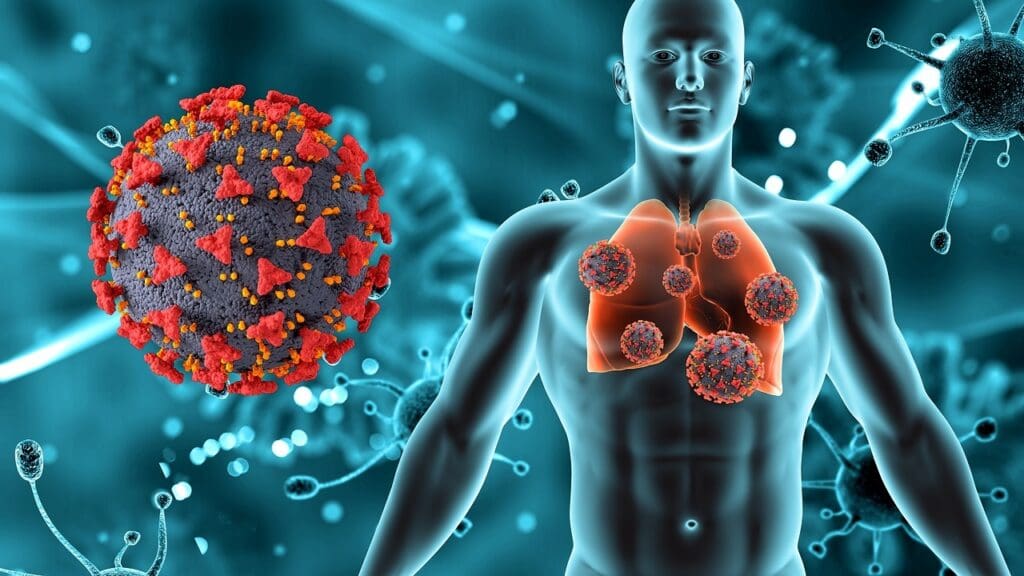
The immune system is like a shield for our body. It keeps us safe from harmful invaders and abnormal cell growth. Knowing how it works helps us understand its role in fighting cancer.
Components of the Immune System
The immune system has different parts that work together. It includes innate and adaptive immunity. Both are key in fighting off pathogens and cancer cells.
Innate vs. Adaptive Immunity
Innate immunity is the first defense. It has barriers like skin and mucous membranes to stop pathogens. It also has cells like natural killer cells that quickly attack infections.
Adaptive immunity is more specific. It involves T cells and B cells that remember specific pathogens. This way, they can fight better when they meet the same pathogen again.
Key Immune Cells and Their Functions
Important immune cells are T cells and natural killer cells. T cells can kill infected or cancerous cells. Natural killer cells destroy tumor cells and virus-infected cells without needing to see them before.
These cells work together to find and get rid of threats to our body.
How Immune Cells Identify Threats
Immune cells find threats by recognizing specific antigens on pathogens or cancer cells. This recognition starts an immune response to get rid of the threats.
Understanding Cancer Development at the Cellular Level
Cancer starts with genetic mutations in cells. These changes cause cells to grow out of control and form tumors. Knowing how this happens helps us find ways to prevent and treat cancer.
What Makes a Cell Cancerous
A cell turns cancerous when it gets genetic mutations. These changes can come from the environment or mistakes in DNA copying.
Genetic Mutations and Their Effects
Genetic changes in cancer cells turn on bad genes and turn off good ones. This leads to cells growing too much and not dying when they should.
The Process of Tumor Formation
Tumors start with one mutated cell growing into a tumor. As it grows, it can spread to other tissues and move to other parts of the body.
From Single Cell to Malignancy
Going from one mutated cell to a tumor takes many genetic and epigenetic changes. This can take years or even decades.
Here’s a summary of the key stages in cancer development:
| Stage | Description | Characteristics |
|---|---|---|
| Genetic Mutation | Initial genetic change | Altered cell behavior |
| Clonal Expansion | Proliferation of mutated cells | Uncontrolled growth |
| Tumor Formation | Formation of a tumor mass | Invasion and metastasis |
Immune Surveillance: Your Body’s Cancer Detection System
The idea of immune surveillance says our immune system can spot and kill cancer cells. This concept has grown, showing how key it is in finding and removing cancer early.
The Concept of Immune Surveillance
Immune surveillance is a vital part of our immune system. It helps find and get rid of cancer cells. This complex process involves many immune cells and steps.
Historical Development of the Theory
The idea of immune surveillance has changed a lot over time. Early research showed our immune system can spot and fight cancer cells.
Early Detection of Abnormal Cells
Finding cancer early is key to stopping it from growing. The immune system is a big help here. It finds special signs on cancer cells.
Molecular Markers of Cancer Cells
Cancer cells have special signs that the immune system can see. These signs are important for the immune system to find and kill cancer cells.
| Molecular Marker | Description | Role in Cancer Detection |
|---|---|---|
| Tumor-specific antigens | Proteins or other molecules unique to cancer cells | Enable immune recognition of cancer cells |
| Cancer-testis antigens | Antigens normally expressed in testicular germ cells but also found in various cancers | Serve as targets for immune responses against cancer |
| Mutated proteins | Proteins altered by genetic mutations in cancer cells | Can be recognized by the immune system as foreign |
Learning about immune surveillance helps us understand how our immune system battles cancer. It also shows how we can naturally help this process.
Can Your Immune System Fight Cancer? The Science Explained
The immune system’s battle against cancer is complex. It involves many immune cells and processes. Research shows it can fight cancer, but success depends on several factors.
Research Evidence on Immune Cancer Defense
Studies show the immune system is key in fighting cancer. T cells can spot and kill cancer cells. Clinical studies highlight the immune response’s role in controlling cancer.
Clinical Studies and Findings
Many studies have looked into the immune system’s role in cancer. For example, research on tumor-infiltrating lymphocytes shows they’re linked to better outcomes. A study in a top cancer journal found more immune cells mean better survival rates.
| Study | Findings |
|---|---|
| Tumor-Infiltrating Lymphocytes Study | Presence associated with better prognosis |
| Immune Cell Levels and Survival Rates | Higher levels correlated with improved survival |
Limitations of Natural Cancer Protection
Even though the immune system can fight cancer, it doesn’t always succeed. Cancer cells can hide from the immune system, making it hard to win the battle.
When Immune Defenses Fail
When the immune system can’t fight cancer well, we need more help. Knowing its limits helps us find ways to improve cancer treatment.
“The immune system’s ability to fight cancer is a complex process that involves multiple cell types and mechanisms. While it can be effective, there are cases where it fails, necessitating further research into supplementary treatments.”
T Cells: The Specialized Cancer-Fighting Force
T cells are the top fighters of our immune system. They are made to find and kill cancer cells. These immune cells are key in defending our body against cancer.
How T Cells Recognize Cancer Cells
T cells find cancer cells through a complex method. Antigen presentation is how specific proteins on cancer cells are shown to T cells. This starts an immune attack.
The Role of Antigen Presentation
Antigen presentation is key for T cell action. When cancer cells show specific antigens, T cells see them as invaders. This is how the immune system can attack the bad cells and ignore the good ones.
Attack the Bad Cells and Ignore the Good Ones
T cells can tell healthy cells from cancer cells. Their action is carefully controlled to avoid harming our own tissues.
T Cell Activation and Regulation
T cell activation needs a balance of signals. This balance helps T cells focus on cancer cells. It also keeps them from harming healthy cells. This supports the fight against immune cancer and cancers of the immune system.
Natural Killer Cells and Their Role in Cancer Defense
Natural killer cells are key players in our immune system’s fight against cancer. They can spot and destroy cancer cells without needing to see them before. This makes them very important in our body’s first line of defense.
How NK Cells Identify and Destroy Cancer
NK cells have special ways to find cancer cells. They look for changes in the proteins on the surface of tumor cells. This helps them tell healthy cells from cancer cells.
Recognition Mechanisms
NK cells use a mix of signals to find cancer. When they get the right signal, they release special proteins. These proteins help kill the cancer cells.
The Importance of NK Cell Activity
NK cells play a big role in fighting cancer. They act fast to stop tumors from growing. Studies show that people with active NK cells often do better against cancer.
Enhancing NK Cell Function
Scientists are working hard to make NK cells even better at fighting cancer. They’re looking into ways to boost their activity. This could lead to new treatments that help our bodies fight cancer better.
| Mechanism | Description | Effect on Cancer Cells |
|---|---|---|
| Recognition of surface proteins | NK cells detect changes in tumor cell surface proteins | Identification and targeting of cancer cells |
| Release of cytotoxic granules | NK cells release perforin and granzymes | Induction of apoptosis in target cells |
| Immunotherapy approaches | Strategies to enhance NK cell activity | Augmentation of natural cancer-fighting capabilities |
How Many Cancer Cells Does Your Body Kill Daily?
Cancer cells are always in our bodies, but our immune system fights them off. It’s a complex battle involving many cell types and ways to fight.
The Surprising Statistics
Research says our immune system kills thousands of cancer cells every day. This is amazing, given that cancer cells keep coming due to genetic changes and the environment.
Research on Daily Cancer Cell Elimination
Studies show our immune system can get rid of cancer cells in different ways. It uses immune cells like T cells and natural killer cells. These cells find and kill cancer cells, stopping tumors from growing.
Factors Affecting Your Body’s Cancer-Killing Efficiency
Many things can change how well our immune system fights cancer. Age, genetics, and what we’re exposed to are big factors. For example, as we get older, our immune system gets weaker, making us more likely to get cancer.
Age, Genetics, and Environmental Influences
Our genes can also play a part in how well our immune system fights cancer. Plus, things like UV radiation and some chemicals can weaken our immune system’s ability to kill cancer cells.
Knowing about these factors helps us understand how our immune system fights cancer. It also helps us find ways to support it better.
A Healthy Immune System Destroys Cancer Cells With These Mechanisms
A healthy immune system has many ways to fight cancer. It uses different tools to protect us from tumors. Knowing how our body fights cancer can help us understand its power.
Cytotoxic Substances and Their Effects
Cytotoxic substances are key in getting rid of cancer cells. Perforins and granzymes are important in this fight.
Perforins, Granzymes, and Cell Death
Perforins make holes in cancer cell membranes. This lets granzymes in, causing the cells to die. This way, the immune system kills cancer cells without harming healthy ones.
Antibody-Dependent Cell-Mediated Cytotoxicity
Antibody-dependent cell-mediated cytotoxicity (ADCC) is another key method. It teams up immune cells and antibodies to attack cancer cells. ADCC is a strong ally in the fight against cancer.
The Complement System’s Role
The complement system is a group of proteins that help fight off pathogens, including cancer cells. It can kill cells directly or mark them for destruction through ADCC.
How Cancer Cells Evade Your Immune System
Cancer cells find ways to avoid being caught by the immune system. This is key for their growth and survival.
Stealth Tactics Used by Cancer Cells
Cancer cells have clever ways to hide from the immune system. They use a few main strategies:
- Downregulating surface markers that would normally be seen by the immune system.
- Changing how they look to avoid being seen as foreign or harmful.
Downregulation of Surface Markers
Changing surface markers is a big trick for cancer cells. They reduce or change proteins on their surface. This helps them avoid being spotted by immune cells like T cells and Natural Killer cells.
Immunosuppressive Strategies in the Tumor Microenvironment
Cancer cells also create a shield around themselves. This is called the tumor microenvironment. It weakens the immune system, making it hard for immune cells to attack.
Checkpoint Inhibitors and Immune Exhaustion
Another trick is using checkpoint inhibitors. Cancer cells use these to stop T cells from attacking them. This leads to immune exhaustion, where T cells can’t fight cancer well anymore.
Knowing how cancer cells evade the immune system is key. It helps us find better ways to fight cancer.
Immunity and Cancer: The Complex Relationship
The link between immunity and cancer is complex. A strong immune system can fight off cancer by removing abnormal cells. Yet, long-term inflammation and immune system problems can lead to cancer.
Chronic Inflammation and Cancer Risk
Chronic inflammation is a risk for many cancers. Prolonged inflammation can cause genetic damage and help tumors grow. The immune system’s fight against long-term inflammation can be both good and bad.
The Double-Edged Sword of Immune Responses
Acute inflammation is good for fighting off injuries or infections. But, chronic inflammation is harmful. It can help cancer cells grow and live longer. It’s key to understand this balance to prevent cancer.
Cancers of the Immune System
Cancers can start in the immune system itself. This shows how closely immune function and cancer are linked. Lymphomas and leukemias are cancers that come from immune cells.
Lymphomas, Leukemias, and Their Origins
Lymphomas and leukemias are cancers of the immune system. They start in lymphocytes or other immune cells. These cancers show how immune cells can turn cancerous.
In summary, the connection between immunity and cancer is complex. Grasping this relationship is vital for finding ways to prevent and treat cancer.
Strengthening Your Immune System Against Cancer Naturally
Boosting your immune system is key to fighting cancer. By changing your lifestyle and diet, you can make your body stronger against cancer.
Lifestyle Factors That Boost Immune Function
A healthy lifestyle is the base for a strong immune system. Regular exercise, enough sleep, and managing stress are important.
Exercise, Sleep, and Stress Management
- Exercise: Regular physical activity boosts immune function by helping white blood cells circulate.
- Sleep: Getting enough sleep helps regulate the immune system, fighting infections and inflammation.
- Stress Management: Chronic stress weakens the immune system. Meditation and yoga can help reduce stress.
Nutritional Support for Optimal Immune Response
Eating a balanced diet is essential for a strong immune system. Some nutrients are key for immune function.
Key Nutrients and Dietary Patterns
- Vitamin C: Found in citrus fruits and leafy greens, it boosts white blood cell production.
- Zinc: Important for immune cell function, zinc is in nuts, seeds, and whole grains.
- Probiotics: Beneficial bacteria in fermented foods like yogurt and sauerkraut support gut health and immune function.
By adding these lifestyle changes and nutrients, we can boost our immune system’s fight against cancer.
Conclusion: The Powerful Partnership Between Your Immune System and Cancer Prevention
The immune system is key in fighting cancer. It can spot and get rid of cancer cells. This is a strong defense against cancer.
Studies show that tumors can be destroyed if most cells have certain markers. But, the immune system’s success depends on how many cells have these markers. A study by the Memorial Sloan Kettering Cancer Center found that low amounts of these markers can hinder the immune system. For more details, check out their research on the immune system’s role in fighting.
Learning how the immune system battles cancer is important. It helps us stay healthy and prevent cancer. By living a healthy lifestyle and eating right, we boost our immune system. This shows how vital a strong immune system is in fighting cancer.
Does the immune system help to fight cancer?
Yes, the immune system fights cancer by identifying and eliminating cancerous cells. This is called immune surveillance.
Can the immune system kill cancer cells?
Yes, the immune system can kill thousands of cancer cells every day. This helps prevent tumors from forming.
How does the immune system identify cancer cells?
Immune cells like T cells and natural killer cells spot cancer cells. They do this through antigen presentation and molecular markers.
What are T cells, and how do they fight cancer?
T cells are key in fighting cancer. They recognize cancer cells and trigger an immune response to destroy them.
How do natural killer cells contribute to cancer defense?
Natural killer cells can find and destroy cancer cells. They play a big role in defending against tumors.
Can a healthy immune system destroy cancer cells naturally?
Yes, a healthy immune system can destroy cancer cells. It uses cytotoxic substances and other methods to do so.
How do cancer cells evade the immune system?
Cancer cells can hide from the immune system. They do this by changing their surface markers and creating an immunosuppressive environment.
What is the relationship between immunity and cancer?
The relationship is complex. A strong immune system can fight cancer, but chronic inflammation can lead to cancer.
Can lifestyle factors boost immune function against cancer?
Yes, regular exercise, enough sleep, and managing stress can boost the immune system. This can help prevent cancer.
Are there nutritional supports that can aid in cancer prevention?
Yes, some nutrients and diets can help the immune system fight cancer. This can aid in preventing cancer.
Is your body always fighting cancer?
Yes, the immune system is always working to kill cancer cells. It can kill thousands of them every day.
What factors affect the body’s cancer-killing efficiency?
Age, genetics, and environmental exposures can affect the immune system’s ability to fight cancer.
Can cancers originate from the immune system?
Yes, some cancers like lymphomas and leukemias start in the immune system. This shows the complex relationship between the immune system and cancer.
References
- Cancer Treatment Centers of America (CTCA): https://www.cancercenter.com/community/blog/2023/08/does-the-immune-system-fight-cancer
- Cancer Research UK: https://www.cancerresearchuk.org/about-cancer/what-is-cancer/body-systems-and-cancer/the-immune-system-and-cancer
- National Center for Biotechnology Information (NCBI) / PMC: https://pmc.ncbi.nlm.nih.gov/articles/PMC6169832/
- SciTechDaily: https://scitechdaily.com/scientists-supercharge-the-immune-system-to-stop-cancer-from-coming-back/



 Departments
 Related Videos
 Our Doctors
 News
News