
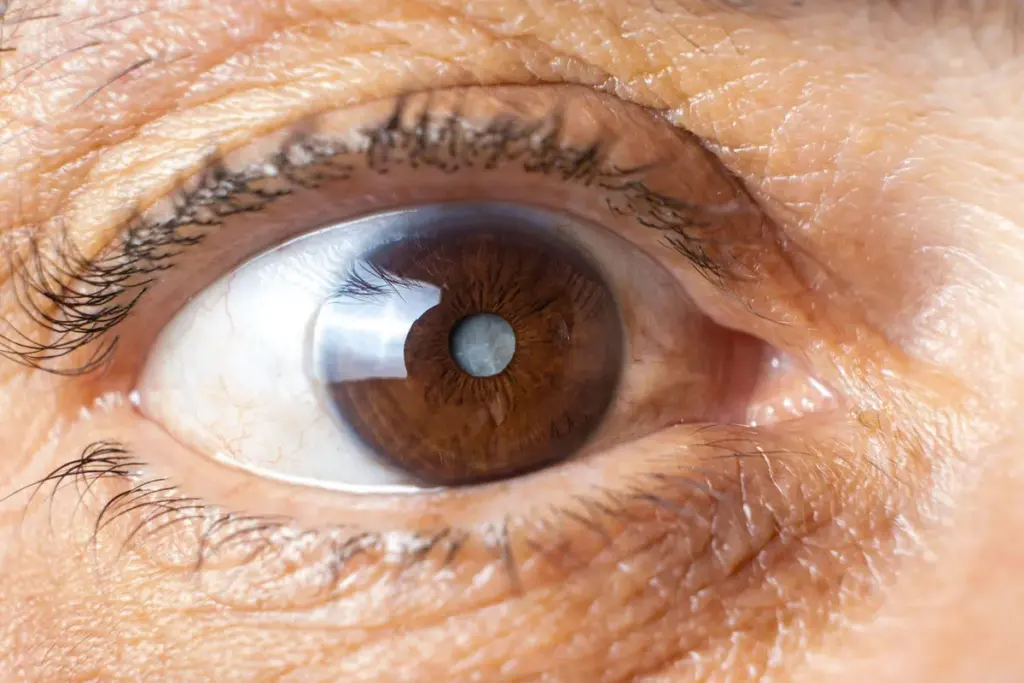
Posterior subcapsular cataracts (PSC) are a unique type of lens clouding. They can make it hard to see, mainly in bright light or when reading. PSC forms at the back of the lens, right in front of the posterior lens capsule.
We know that PSC cataracts can progress quickly. They can cause a lot of vision loss in just a few months or weeks. That’s why it’s very important to get checked right away.
For more info on PSC, check out this resource. At Liv Hospital, we focus on our patients to diagnose and treat PSC. We aim to give the best care possible.
Key Takeaways
- Posterior subcapsular cataracts can progress more rapidly than other types of cataracts.
- Noticeable vision changes from PSC typically occur within months, not years.
- Symptoms of PSC often include glare, halos, difficulty reading, and photophobia.
- Because PSC progression is faster, cataract surgery may be recommended sooner if vision interferes with daily activities.
- Liv Hospital’s patient-centered approach ensures trusted, evidence-based diagnosis and treatment.
Understanding Posterior Subcapsular Cataracts
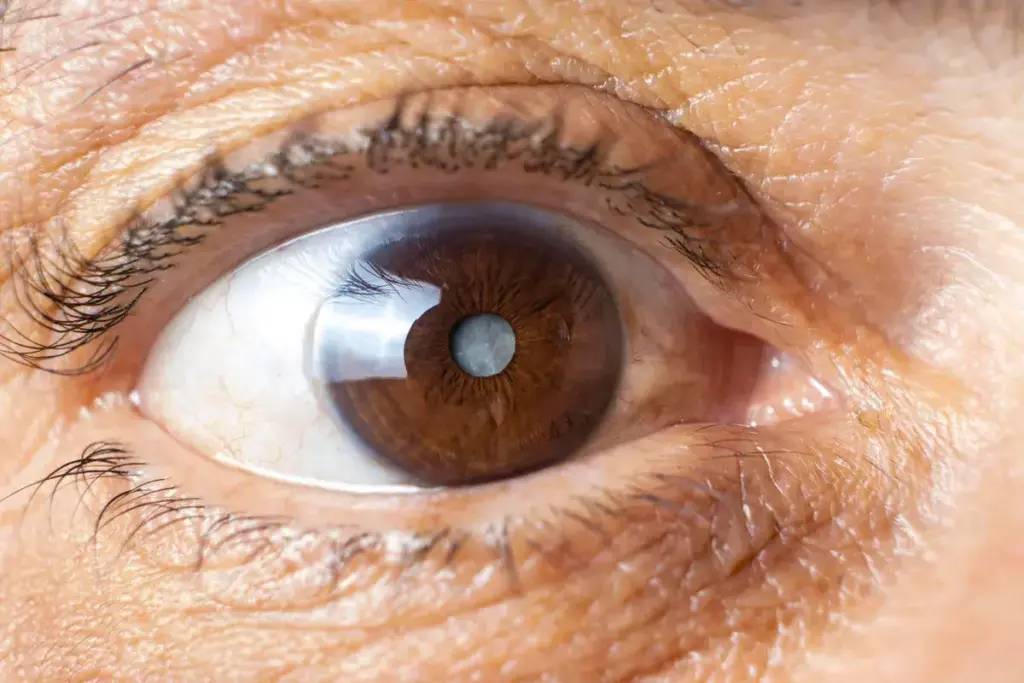
It’s important to know about posterior subcapsular cataracts for the right treatment. We’ll explore what this condition is, how common it is, and what makes it different.
What Are Posterior Subcapsular Cataracts?
A posterior subcapsular cataract (PSC) affects the back of the lens in your eye. It makes the area behind the lens cloudy, leading to vision problems. PSC cataracts can be very bothersome, even if they’re small. People often notice symptoms suddenly, not gradually.
Medical organization says cataracts are a big reason for vision loss globally. PSC cataracts are a big part of this. Research shows PSC affects about 10 percent of age-related cataracts and 3 percent of eyes.
Prevalence and Distinguishing Features
PSC cataracts are more common in some groups, like people with diabetes or those on steroids. The key features of PSC are its location and how it can severely affect vision. Doctors can tell PSC apart from other cataracts with a detailed eye check.
Knowing about PSC’s prevalence and unique traits is key for treatment. This knowledge helps patients make smart choices about their care.
Progression Rates of Subcapsular Cataract

It’s important to know how fast posterior subcapsular cataracts grow. We’ll look at how long it takes, compare it to other cataracts, and see what affects its growth.
Typical Progression Timeline
PSC symptoms can show up in months, not years. Some cases can go from early to advanced in just weeks. This fast growth is a big worry because it can hurt your vision a lot.
PSC Progression Rates: PSC grows faster than other cataracts. You might notice changes in your vision in months to a few years. This can make everyday tasks like reading or driving at night harder.
Comparison with Other Cataract Types
PSC grows faster than other cataracts. Here’s a table that shows how fast different cataracts grow.
| Cataract Type | Typical Progression Rate |
| Posterior Subcapsular Cataract (PSC) | Months to a few years |
| Nuclear Sclerotic Cataract | Years to decades |
| Cortical Cataract | Years, with gradual progression |
Factors Affecting Progression Speed
Several things can make PSC grow faster. These include age, diabetes, and being exposed to certain medicines or UV rays. Knowing these can help manage the condition.
- Age: Older people tend to see it grow faster.
- Diabetes: People with diabetes are more likely to see it grow quickly.
- UV Exposure: Being out in the sun a lot can make cataracts come on faster.
Documented Case Studies
Case studies show how fast PSC can grow. For example, a study in the Journal of Cataract and Refractive Surgery found that PSC patients’ vision got a lot worse quickly.
This shows why it’s so important to keep an eye on PSC and act fast to stop it from getting worse.
Conclusion
Knowing how fast posterior subcapsular cataracts (PSC) grow is key to managing them well. Finding out early is very important. It helps doctors treat PSC quickly.
Cataract surgery is a safe way to fix PSC. It’s done as an outpatient. Patients can choose from different types of lenses to meet their vision needs. This surgery greatly improves how well patients can see and live their lives.
Learning about the treatments for PSC helps patients make better choices. This leads to better results. Ophthalmology keeps working on PSC, making care even better for patients.
FAQ
What are posterior subcapsular cataracts?
Posterior subcapsular cataracts (PSC) are a type of cataract. They affect the back of the lens in your eye. This causes vision problems. They are marked by a cloudy or opaque area on the posterior subcapsular region of the lens.
How common are posterior subcapsular cataracts?
Posterior subcapsular cataracts are quite common. They are more common in diabetics, people who have had trauma, and those on steroids.
How fast do posterior subcapsular cataracts progress?
Posterior subcapsular cataracts progress quickly. They can cause significant vision problems in a short time.
What factors affect the progression speed of posterior subcapsular cataracts?
Several factors can affect how fast posterior subcapsular cataracts progress. These include age, health conditions, and certain medications.
How do posterior subcapsular cataracts differ from other types of cataracts?
Posterior subcapsular cataracts are different from other cataracts. They affect the posterior subcapsular region of the lens. They can cause significant vision problems early on.
What is the typical treatment for posterior subcapsular cataracts?
The best treatment for posterior subcapsular cataracts is cataract surgery. This involves removing the cloudy lens and replacing it with an artificial one.
Can posterior subcapsular cataracts be treated with medication?
No, there are no medications to reverse or halt posterior subcapsular cataracts. Surgery is the most effective treatment.
How can I manage my daily activities with posterior subcapsular cataracts?
While waiting for surgery, you can adjust your environment and use brighter lighting. Visual aids can also help compensate for vision loss.
What is posterior capsular cataract?
Posterior capsular cataract is another name for posterior subcapsular cataract. It refers to the same condition affecting the posterior subcapsular region of the lens.
Where is the cataract located in posterior subcapsular cataracts?
In posterior subcapsular cataracts, the cataract is located on the back (posterior) of the lens. It is in the subcapsular region.
References
National Center for Biotechnology Information. Evidence-Based Medical Insight. Retrieved from https://pubmed.ncbi.nlm.nih.gov/7627758/