
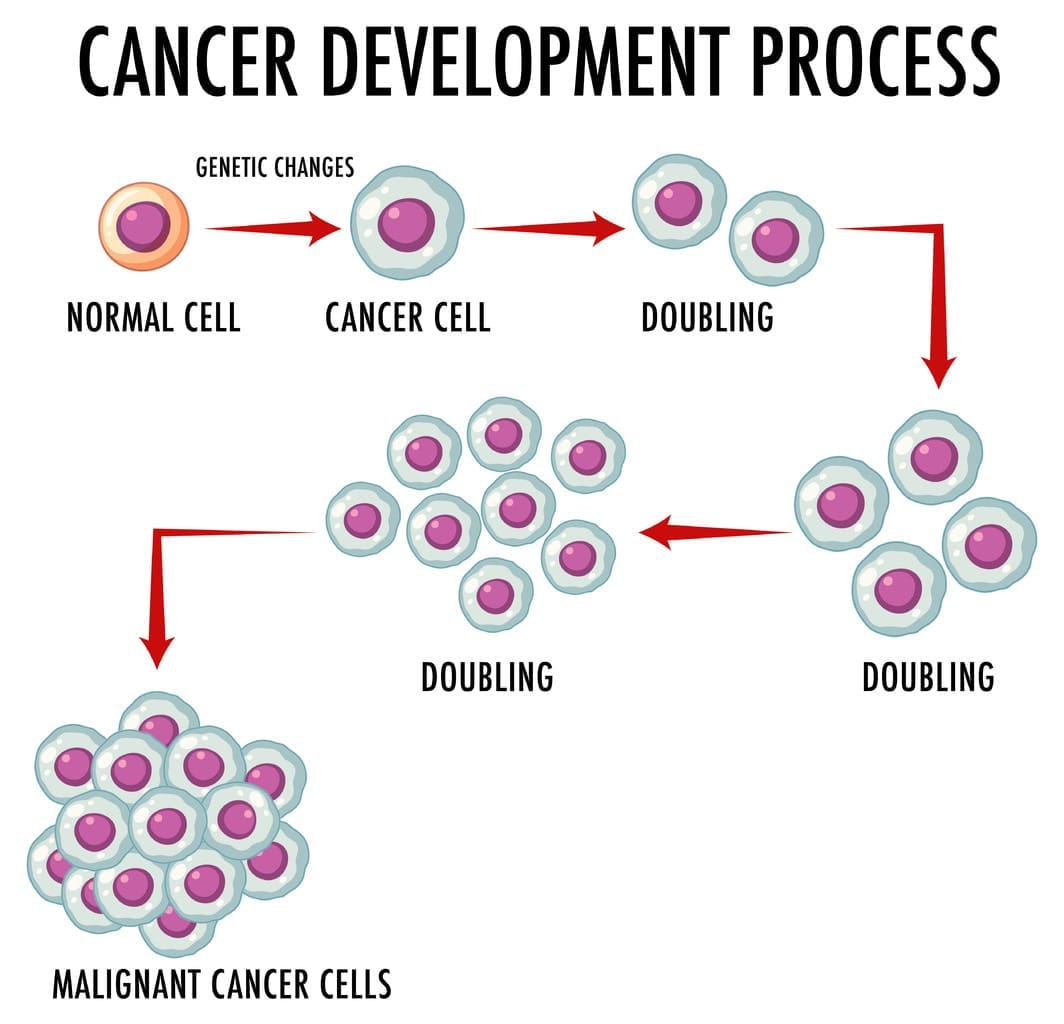
Discovering a tumor can be scary, making patients worry about its growth. At Liv Hospital, we focus on trusted care for our patients. Benign tumors, which are not cancerous, can grow in any tissue or organ. They usually grow slowly.
Avi Shadi’s story shows how different benign tumors can grow. It’s important to know how these growths behave. This knowledge helps us manage and treat them better.
Key Takeaways
- Benign tumors are noncancerous growths that can occur in any tissue or organ.
- The growth rate of benign tumors varies and is influenced by several factors.
- Understanding the characteristics of benign tumors is essential for effective management.
- Benign tumors can grow slowly over time, but their impact can vary.
- Liv Hospital provides complete care for patients with benign tumors.
Understanding Benign vs. Malignant Growth

Benign and malignant tumors have different traits that affect how they are treated and how patients do. Knowing these differences is key for both patients and doctors to make the right choices.
Defining Benign Tumors and Their Characteristics
Benign tumors are not cancerous and don’t spread to other areas. They are usually encapsulated and grow slowly. Examples include lipomas, fibroids, and adenomas. Even though they can cause problems, they are not usually deadly.
Benign tumors don’t spread and grow slowly. They look like normal cells under a microscope because they are well-differentiated.
How Benign Tumors Differ from Cancerous Growths
Malignant tumors, or cancer, can spread and grow fast. They don’t have a clear boundary and can invade nearby tissues. Their cells are often poorly differentiated, making them more dangerous.
The main differences are in how they grow, spread, and affect the body. Benign tumors are usually not a big worry, but malignant tumors need quick and strong treatment.
Where Do Tumors Grow in the Body?
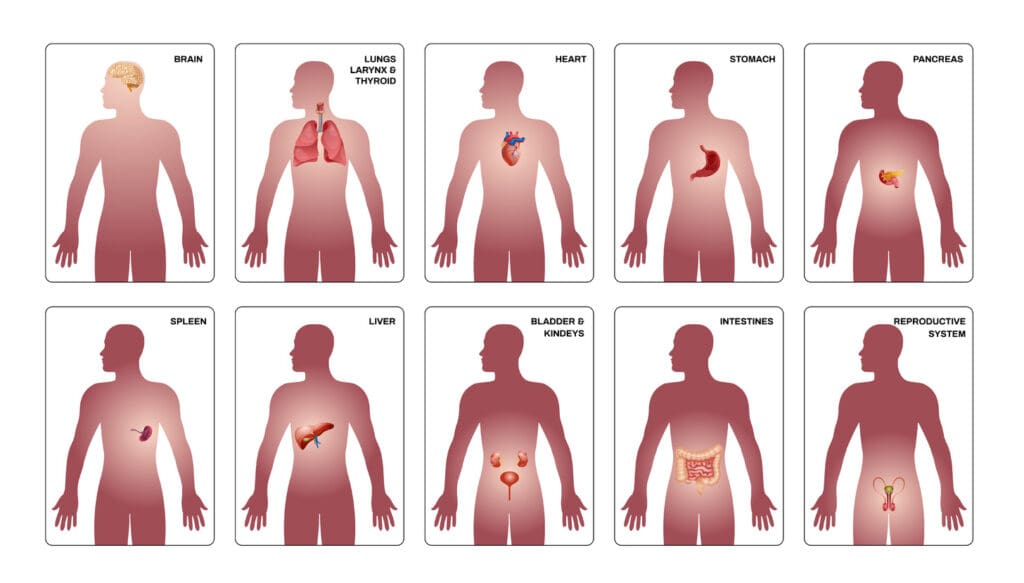
Benign tumors can pop up almost anywhere in the body. They can affect different tissues and organs. This makes diagnosing and treating them both varied and complex.
Common Locations for Benign Tumors
Benign tumors can show up in many parts of the body. Some of the most common spots include:
- Skin: Benign skin tumors can appear as moles, warts, or other growths.
- Breast: Fibroadenomas are common benign breast tumors, often felt as movable lumps.
- Uterus: Uterine fibroids are benign growths that can cause a range of symptoms, from heavy menstrual bleeding to pelvic pressure.
- Bone: Osteochondromas and other benign bone tumors can occur, sometimes causing discomfort or limited mobility.
- Liver: Hepatic adenomas are rare benign liver tumors that can potentially become malignant.
Can Tumors Grow in Any Tissue or Organ?
Yes, benign tumors can grow in almost any tissue or organ. Their ability to develop in various places is a key feature. For example, Avi Shadi’s story shows that even the eyes can be affected.
The fact that benign tumors can grow in different tissues and organs is very important. It highlights the need for thorough medical checks and monitoring. While they are usually not dangerous, their location and size can greatly affect a person’s life quality.
The Composition of Tumors: What Is Inside a Tumor?
It’s important to know what makes up tumors to find good treatments. Tumors, whether they are benign or malignant, have different parts. These parts can affect how fast they grow and how they behave.
We will look at what makes up a tumor. This includes the types of cells, fluids, and fibrous tissues. We will see how these parts change in different tumors.
Cellular Structure and Components
Tumors have many cell types. These can include:
- Parenchymal cells: The main cell type of the tumor, which can vary depending on the tumor’s origin.
- Stromal cells: Supportive cells that provide the structural framework for the tumor.
- Immune cells: Cells of the immune system that may infiltrate the tumor.
These cells work together in complex ways. They affect how fast the tumor grows, its chance of becoming cancerous, and how it responds to treatment.
Fluids and Fibrous Tissues in Different Tumor Types
Tumors also have fluids and fibrous tissues. For example:
- Cystic fluids: Some tumors, like cystic ovarian tumors, contain fluid-filled cavities.
- Fibrous stroma: Many tumors have a fibrous stroma that provides structural support.
- Necrotic debris: Larger tumors may contain areas of necrosis, or cell death, due to inadequate blood supply.
The types and amounts of these parts can change a lot between tumors. Knowing this helps doctors diagnose and treat tumors better.
By studying what tumors are made of, we can learn how to treat them better. This is important for helping patients with both benign and malignant tumors.
How Fast Does a Benign Tumor Grow?
It’s important to know how fast a benign tumor grows to choose the right treatment. These non-cancerous growths can appear in different parts of the body. Their growth rates can vary a lot.
Typical Growth Rates and Patterns
Benign tumors can grow in different ways. Some stay the same size for years, while others grow slowly but steadily. The growth rate depends on the tumor’s location, genetics, and hormones. For example, uterine fibroids can grow due to hormonal changes.
Studies show that the growth of benign tumors can be hard to predict. Some tumors grow fast at first, then slow down. Others keep growing slowly. It’s key to watch these growth patterns to manage benign tumors well.
Stability Periods vs. Growth Phases
Benign tumors often have times when they don’t grow, followed by times when they do. Knowing what affects these growth phases is important for understanding tumor behavior and treatment planning.
- Genetics can greatly influence the growth rate of benign tumors.
- Hormonal changes, like during pregnancy or menopause, can also impact growth.
- The tumor’s location in the body can affect its growth rate and pattern.
By watching how benign tumors grow, doctors can create treatment plans that fit each patient’s needs.
Blood Supply to Tumors: Essential for Growth
Tumors need a blood supply to grow and survive. This network of blood vessels brings them oxygen and nutrients. It’s vital for both benign and malignant tumors.
Vascularity in Benign Tumors
Benign tumors have a blood supply, but it’s not as developed as in malignant tumors. The blood supply can vary. Some benign tumors, like hemangiomas, are very vascular, while others have limited blood flow.
Knowing if benign tumors have a blood supply is key for diagnosis and treatment. We dive deeper into this in our discussion on the differences between benign and malignant.
Vascular Differences Between Benign and Malignant Tumors
The blood supply of tumors helps tell them apart. Malignant tumors have a chaotic blood supply due to fast growth. Benign tumors have a more organized blood structure.
Key differences in vascularity include:
- Malignant tumors often have irregular, leaky blood vessels.
- Benign tumors tend to have more normal, though sometimes compressed, blood vessels.
- The rate of angiogenesis (formation of new blood vessels) is typically higher in malignant tumors.
Understanding these vascular differences is key for treating tumors. It helps doctors diagnose and manage both benign and malignant growths better.
Factors That Influence Benign Tumor Growth
Benign tumor growth is influenced by many factors. These include genetics, hormones, and more. Knowing these factors helps in managing and treating benign tumors well.
Genetic and Cellular Factors
Genetic mutations are key in the growth of benign tumors. These mutations can disrupt cell growth control, causing cells to divide uncontrollably. For example, neurofibromatosis is a genetic syndrome linked to many benign tumors.
- Mutations in tumor suppressor genes can lead to benign tumor formation.
- Alterations in cell signaling pathways can influence tumor growth patterns.
- Genetic predisposition can affect the likelihood of developing benign tumors.
Hormonal Influences on Growth Rate
Hormones play a big role in the growth of some benign tumors. For instance, tumors with hormone receptors, like some uterine fibroids, grow with hormonal changes.
“Hormonal fluctuations can stimulate the growth of hormone-sensitive benign tumors.”
This is very important during big hormonal changes, like pregnancy or menopause. Knowing how hormones affect benign tumor growth helps in finding the right treatment.
Location and Environmental Factors
The place where a benign tumor grows can change its growth rate and symptoms. Tumors in tight spaces, like the brain, may cause symptoms sooner because of pressure. Tumors in bigger areas, like the abdomen, might grow bigger before being found.
Environmental factors, like certain chemicals or radiation, can also affect tumor growth. The exact ways these factors work together are complex. But understanding them is important for managing benign tumors.
Healthcare providers can create special treatment plans for benign tumors by looking at genetics, hormones, and environment. This helps patients get the best care.
Can a Benign Tumor Grow Fast?
Benign tumors can grow at different rates. Some grow quickly under certain conditions. It’s known that most benign tumors grow slowly. But, some factors can make them grow faster.
Circumstances Leading to Rapid Growth
Several things can make benign tumors grow quickly. Hormones, genetics, and the environment play a role. For example, tumors that react to hormones, like uterine fibroids, can grow faster when hormone levels change.
- Hormonal Influences: Tumors sensitive to hormones can grow faster during hormonal fluctuations.
- Genetic Factors: Certain genetic conditions can predispose individuals to faster-growing benign tumors.
- Environmental Factors: Exposure to certain environmental factors can stimulate the growth of benign tumors.
Warning Signs of Abnormal Growth Patterns
It’s important to watch for signs that a benign tumor might be growing abnormally. Look for rapid growth, changes in shape or texture, and symptoms like pain or discomfort.
| Warning Sign | Description |
|---|---|
| Rapid Growth | A significant increase in tumor size over a short period. |
| Change in Shape or Texture | Notable changes in the tumor’s shape or texture can indicate abnormal growth. |
| Pain or Discomfort | The onset of pain or discomfort related to the tumor can be a sign of abnormal growth. |
Knowing these warning signs and what can cause rapid growth in benign tumors is key. Regular check-ups and following your doctor’s advice are vital for managing these tumors.
Tumor Size: How Big Can a Tumor Get?
It’s important to know how big benign tumors can get. Their size can affect the body in different ways. This depends on where they are and how they press on nearby tissues.
Benign tumors are not cancerous and can grow in many parts of the body. Some stay small, while others can grow a lot. This can put pressure on nearby organs and tissues.
Typical Size Ranges for Common Benign Tumors
Each type of benign tumor has its own size range. For example, lipomas, which are fatty tumors, can be a few millimeters to several centimeters big. Fibroids, found in the uterus, can grow quite large and cause symptoms.
Here’s a table showing typical sizes for common benign tumors:
| Type of Tumor | Typical Size Range |
|---|---|
| Lipoma | 1-10 cm |
| Fibroid | 1-20 cm or more |
| Osteochondroma | 1-5 cm |
Effects of Large Tumors on Surrounding Tissues and Organs
Big benign tumors can really affect the body. They can press on nearby tissues, causing pain or discomfort. For instance, a big fibroid in the uterus can push on the bladder or bowel, leading to urinary or bowel problems.
Large tumors can also cause cosmetic issues. In some cases, they can lead to necrosis or hemorrhage because of their size and how they affect tissues.
The size of a benign tumor and its effects on the body can vary a lot. Knowing this is key to figuring out the best treatment and management plan.
Visualizing Tumor Structure: Tumor Diagrams Explained
Tumors have a complex internal structure. Visualizing this is key to understanding how they behave. Tumor diagrams are vital tools for healthcare professionals and patients. They help us see the anatomy of tumors.
Understanding the Internal Structure of Tumors
Tumors are made up of different cells and tissues. Tumor diagrams show these parts, like the capsule, cells, and vessels. Looking at these diagrams helps us understand how tumors grow and affect nearby tissues.
Capsules, Cells, and Vessels in Tumor Anatomy
A tumor’s internal structure includes a capsule, cells, and blood vessels. The capsule is a tissue layer around the tumor. The cells inside can be different and behave in various ways. The vessels in the tumor bring it the nutrients and oxygen it needs to grow.
| Component | Description | Function |
|---|---|---|
| Capsule | A layer of tissue surrounding the tumor | Contains the tumor and separates it from surrounding tissues |
| Cells | Various cell types within the tumor | Contribute to tumor growth and behavior |
| Vessels | Blood vessels within the tumor | Supply the tumor with nutrients and oxygen |
Knowing what makes up a tumor is key for effective treatments. By studying tumor diagrams and understanding tumor anatomy, doctors can improve diagnosis and management of tumor growth.
Does a Tumor Mean Cancer? Dispelling Common Misconceptions
When you find a tumor, you might worry about cancer. But, not all tumors are cancer. A tumor is an abnormal tissue mass that can be either benign or malignant. Knowing the difference is key for the right diagnosis and treatment.
Not All Growths Are Cancerous: Understanding the Difference
Benign tumors are not cancerous. They don’t spread or grow fast. They usually stay in one place. On the other hand, malignant tumors are cancerous, grow fast, and spread.
Benign tumors grow slowly and have a clear structure. Malignant tumors grow fast and spread. Knowing these differences helps doctors decide how to treat you.
When to Be Concerned About a Growth or Mass
Even though most tumors are not cancer, watch any new or changing growths. Warning signs include fast growth, pain, or changes in the tumor. If you see these, see a doctor right away.
Doctors use tests like imaging and biopsies to check tumors. These tests help figure out if a tumor is benign or malignant. Regular check-ups are also important to watch for any changes.
Finding a tumor can be scary, but knowing the facts helps. If you have a tumor, talk to your doctor. They can explain your situation and what to do next.
Monitoring and Managing Benign Tumor Growth
It’s key to understand how benign tumors grow to manage them well. We must keep an eye on their growth to decide the best care for patients.
Follow-up Protocols and Imaging Techniques
Regular check-ups are vital for tracking benign tumor growth. We use tools like ultrasound, MRI, and CT scans to see how tumors change over time.
Imaging Techniques: The right imaging tool depends on the tumor’s location and type. For example, ultrasound works well for tumors close to the surface. MRI is better for tumors in harder-to-reach spots.
Treatment Decisions Based on Growth Patterns
Deciding to treat a benign tumor involves looking at its growth, symptoms, and how it affects nearby tissues. We consider the tumor’s size, where it is, and if it’s causing problems.
Watchful Waiting: Sometimes, we choose not to treat slow-growing or symptom-free tumors right away. Instead, we keep a close eye on them without immediate action.
Conclusion
Understanding benign tumor growth is key to managing and treating them well. We’ve looked at what benign tumors are, how they grow, and what affects their development.
Benign tumors can grow at different speeds. This is due to genetics, hormones, and the environment. It’s important to watch and manage these growths to avoid problems and get the best results for patients.
We’ve talked about the importance of accurate diagnosis and treatment plans. A detailed approach is needed to handle benign tumors. This includes understanding their unique traits and growth patterns.
In summary, we’ve covered the complexities of benign tumor growth. Knowing these details helps doctors create effective treatment plans. This way, they can meet the specific needs of each patient.
What is a benign tumor, and how does it differ from a malignant tumor?
A benign tumor is a noncancerous growth. It doesn’t invade nearby tissues or spread to other parts of the body. On the other hand, a malignant tumor is cancerous. It can invade and spread to other areas.
Where can benign tumors grow in the body?
Benign tumors can grow in any tissue or organ. Their location affects their symptoms and treatment.
What is inside a tumor?
Tumors can have different cell types and substances. This includes fluids or fibrous tissues. These elements can affect their growth and characteristics.
Do benign tumors have a blood supply?
Yes, benign tumors need a blood supply to grow. They often have less developed blood supplies than malignant tumors.
How fast do benign tumors grow?
Benign tumors usually grow slowly. But, their growth rates can vary. This depends on genetics, location, and hormonal influences.
Can a benign tumor grow fast?
While most benign tumors grow slowly, they can grow quickly under certain conditions. This includes changes in hormones or genetics.
How big can a benign tumor get?
Benign tumors can vary in size. Some can grow quite large. This can put pressure on nearby organs and cause symptoms.
Does a tumor mean cancer?
No, not all tumors are cancerous. Benign tumors are noncancerous growths. They don’t invade surrounding tissues or spread to other parts of the body.
How are benign tumors monitored and managed?
Benign tumors are usually monitored with follow-up protocols and imaging techniques. Treatment decisions are based on their growth patterns and how they affect nearby tissues and organs.
What factors influence the growth of benign tumors?
The growth of benign tumors can be influenced by genetics, hormones, location, and environmental factors.
Can tumors be visualized using diagrams?
Yes, tumor diagrams can show the internal structure of tumors. They can illustrate the cellular composition and contents.
When should I be concerned about a growth or mass?
You should be concerned if a growth or mass shows abnormal growth patterns. This includes rapid growth or changes in shape or size. Also, if it causes symptoms or discomfort.
References
- Non-cancerous (benign) brain tumours. Retrieved from: https://www.nhs.uk/conditions/non-cancerous-benign-brain-tumours/
- Benign brain tumor: Retrieved from: https://www.nidirect.gov.uk/conditions/benign-brain-tumour