
Liver tumors, like hepatocellular carcinoma (HCC), grow at different speeds. This makes it hard to guess how fast they will grow. Knowing how liver tumor growth works is key for early detection and treatment.
Understand how fast does liver cancer spread without treatment. Learn the vital risks and discover amazing ways to get powerful help fast.
The hepatocellular carcinoma growth rate varies, making it tough to create one treatment plan for all. Scientists are studying what makes liver cancer spread rate change. They hope to find ways to help patients more.
Key Takeaways
- Liver tumors, like HCC, grow at different speeds.
- Understanding tumor growth dynamics is key for diagnosis and treatment.
- Factors influencing liver cancer spread rate are under research.
- Variability in tumor growth makes it hard to have one treatment plan for all.
- Research aims to improve patient outcomes by understanding liver tumor growth better.
The Nature of Liver Tumors
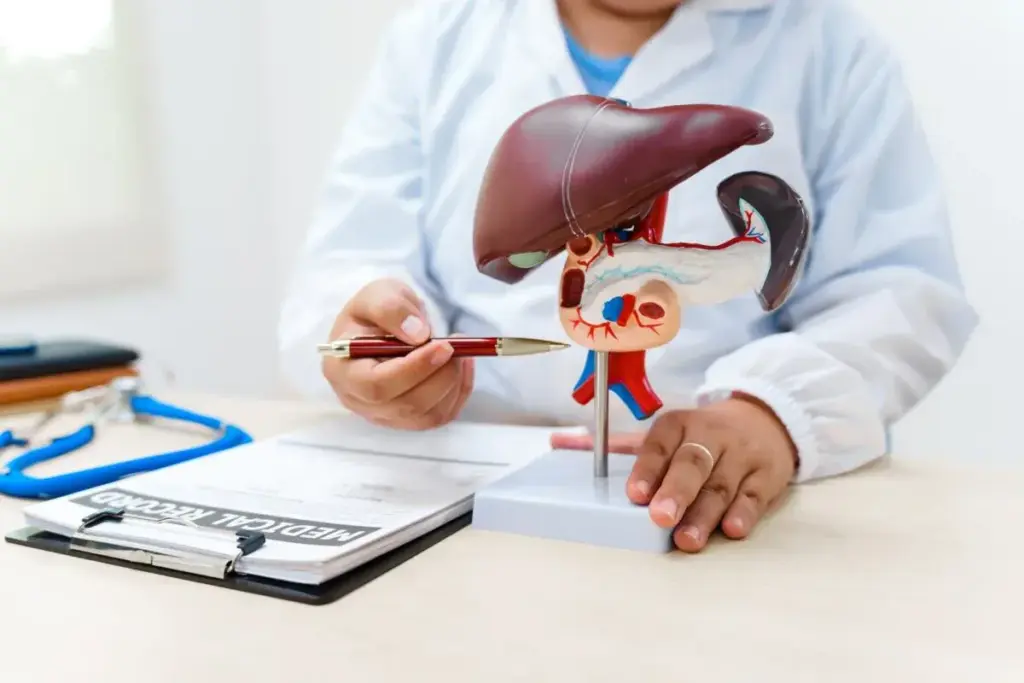
Liver tumors are abnormal growths in the liver. Knowing about them is key to understanding their growth and how they affect patients. These tumors can be primary, starting in the liver, or secondary, spreading from other cancers.
Primary vs. Secondary Liver Tumors
Primary liver tumors start in the liver itself. They can come from different liver cells, like hepatocytes or bile duct cells. The most common primary liver cancer is hepatocellular carcinoma (HCC).
Secondary liver tumors, though more common, come from cancers in other parts of the body. These often come from the colon, breast, or lung.
Benign vs. Malignant Liver Growths
Liver tumors can also be benign or malignant. Benign tumors, like hemangiomas, are non-cancerous. They usually don’t threaten unless they cause problems.
Malignant tumors, like hepatocellular carcinoma, are cancerous. They can be primary or spread from other cancers.
Knowing if a tumor is primary or secondary, benign or malignant, helps doctors choose the right treatment. It also helps predict how the patient will do.
Measuring Tumor Growth: Tumor Volume Doubling Time
The tumor volume doubling time (TVDT) is key in understanding liver tumor aggressiveness. It shows how fast a tumor grows by doubling in size.
Definition and Clinical Significance of TVDT
TVDT is the time it takes for a tumor to double in size. It’s very important in cancer care. A short TVDT means the tumor grows fast, while a long one means it grows slow.
TVDT helps doctors predict how a tumor will behave and decide on treatments. For example, fast-growing tumors need stronger treatments, while slow-growing ones might be watched more closely.
Key aspects of TVDT include:
- Predicting tumor aggressiveness
- Guiding treatment decisions
- Monitoring tumor response to treatment
Modern Methods for Measuring Liver Tumor Growth
Today, we use advanced imaging to track liver tumor growth. Tools like CT scans, MRI, and ultrasound help measure tumor size and TVDT.
New imaging tech has made TVDT measurements more accurate. For example, contrast-enhanced CT scans give detailed tumor size and shape info.
Getting TVDT right is critical for making treatment plans. It helps spot tumors that grow fast and need quick action.
Growth Rate Variability in Hepatocellular Carcinoma
Hepatocellular carcinoma (HCC) growth rates vary a lot. This affects treatment choices and how well patients do. Knowing how fast a tumor grows helps doctors decide the best treatment.
The Spectrum of Growth Rates: 11 to 605+ Days
Research shows HCC tumors can double in size from 11 days to over 605 days. This big range shows how different HCC can be. It means each patient needs a special plan for watching and treating their tumor.
Median TVDT Ranges: 85-163 Days
The average time for HCC tumors to double in size is between 85 to 163 days. This helps doctors see how aggressive a tumor is. It guides them in deciding when to watch it closely or start treatment.
Classification Systems for Growth Patterns
There are systems to sort HCC growth patterns by how fast tumors grow. These systems help doctors standardize how they look at tumor aggressiveness. They guide treatment plans.
Managing HCC well means understanding its growth patterns. By seeing the differences in growth rates and using these systems, doctors can improve treatment plans. This leads to better results for patients.
Rapid Growth Liver Tumors
It’s important to know how fast-growing liver tumors work to manage them well. Tumors that grow in less than 90 days are very fast.
Characteristics of Fast-Growing Tumors
Fast-growing liver tumors grow very quickly. They are aggressive and have a bad outlook. These tumors often spread to other parts of the body.
Here are some key traits of these tumors:
- They are more aggressive and have worse features
- They are more likely to invade blood vessels
- They have a higher chance of spreading
- They can quickly damage liver function
Clinical Implications and Prognosis
Rapid growth liver tumors have big implications. Patients need quick evaluation and treatment to do better.
People with these tumors usually face a tougher time than those with slower-growing ones. But, catching them early and acting fast can help.
Managing these tumors involves:
- Quick diagnosis and knowing how far they’ve spread
- Working with a team of doctors
- Looking into strong treatments like surgery or local therapies
- Keeping a close eye for when they come back or spread
Moderate Growth Liver Tumors
Understanding moderate growth liver tumors is key to managing them well. These tumors grow at a rate of 90-270 days. This makes them a special challenge for doctors.
Features of Moderate Growth Patterns (TVDT 90-270 days)
Liver tumors with a growth rate of 90-270 days grow moderately. This means they grow slowly but can get bigger over time. The main features of these tumors are:
- A gradual increase in tumor size over time
- Potential for local invasion and intrahepatic spread
- Variable impact on liver function depending on tumor location and size
Monitoring these tumors needs a mix of imaging and clinical checks. This helps decide when to take action.
Management Approaches and Monitoring Strategies
Managing moderate growth liver tumors requires a detailed plan. This plan includes different treatments and ways to keep an eye on the tumors. Important things to consider are:
- Regular imaging to watch the tumor and see if it’s changing
- Checking how well the liver is working and the patient’s overall health
- Looking at treatment options, like local or systemic treatments
Effective management means a plan made just for the patient. It looks at the patient’s health and the tumor’s details.
With a detailed management plan, doctors can help patients with moderate growth liver tumors do better.
Slow-Growing Liver Tumors
Slow-growing liver tumors grow very slowly, doubling in size over 270 days. They are often found by accident during scans for other reasons. Figuring out how to handle them is tricky.
Characteristics of Indolent Growth
Tumors that grow slowly show little aggression. They might stay the same size for a long time. Key traits include:
- Slow increase in size over time
- Lack of significant vascular invasion
- Minimal or no metastasis
Knowing these traits helps doctors decide to wait and see, instead of acting right away.
Surveillance Protocols for Slow-Growing Lesions
For slow-growing liver tumors, regular checks are important. They help watch the tumor and decide when to act. Here’s a suggested plan:
|
Surveillance Interval |
Imaging Modality |
Clinical Assessment |
|---|---|---|
|
Every 6-12 months |
CT or MRI |
Liver function tests, symptom assessment |
|
Annually |
Ultrasound |
Alpha-fetoprotein (AFP) levels |
Each patient’s plan should consider their health, the tumor, and other conditions. A careful watch can help manage these tumors better and improve care.
How Fast Does Liver Cancer Spread Without Treatment
It’s key for doctors to know how liver cancer spreads without treatment. This helps them make better choices for their patients.
Natural History of Untreated Hepatocellular Carcinoma
Hepatocellular carcinoma (HCC) is the most common liver cancer. It grows and spreads differently in everyone. This depends on the liver disease, the tumor, and the patient’s background.
Without treatment, HCC grows fast. People usually live a few months to a few years. The speed at which the tumor grows varies a lot.
Intrahepatic Spread Patterns and Timelines
Intrahepatic spread means cancer cells spread inside the liver. In HCC, this is common and leads to more tumors. This usually happens a few months to a year after diagnosis.
- Portal vein invasion: Tumor cells in the portal vein speed up spread inside the liver.
- Tumor size and location: Bigger tumors or those near big blood vessels spread faster.
- Underlying liver disease: Liver conditions like cirrhosis can affect how fast it spreads.
Extrahepatic Metastasis Development
Extrahepatic metastasis means cancer spreads to other parts of the body. This is less common but very serious. It greatly affects how long a patient can live.
Common places for cancer to spread include the lungs, lymph nodes, and bones. When cancer spreads to these places, it usually means the disease is advanced.
- Lung metastases are common and can cause breathing problems.
- Lymph node metastases can be in the belly or chest.
- Bone metastases cause pain and increase the risk of breaking bones.
Knowing how cancer spreads inside and outside the liver is vital. It helps doctors plan the best treatment for patients with untreated HCC.
Biological Factors Affecting Liver Tumor Growth Rates
It’s key to know how liver tumors grow to find the best treatments. Liver tumors, whether they’re benign or cancerous, grow at different rates. This is due to many biological factors.
Genetic and Molecular Determinants
Genetic and molecular factors greatly affect how fast liver tumors grow. Certain genetic changes can make tumors grow faster or slower. For example, changes in the TP53 gene often lead to aggressive tumors.
- Genetic Alterations: Changes in genes like CTNNB1 and TERT can change how tumors grow.
- Molecular Pathways: When signaling pathways like the Wnt/β-catenin pathway get out of balance, tumors can grow faster.
Tumor Microenvironment Influences
The area around a tumor, called the tumor microenvironment, also affects growth. Things like blood vessel formation, the immune system’s response, and cancer cells’ interaction with fibroblasts play big roles.
- Angiogenesis: Tumors need new blood vessels to get nutrients and oxygen for growth.
- Immune Response: How well the immune system can spot and fight tumor cells impacts growth rates.
Grasping these biological factors is vital for predicting tumor growth. It helps in creating treatment plans tailored to each patient.
Host and Environmental Factors Influencing Growth
Host and environmental factors are key in how liver tumors grow. They can greatly affect how fast liver tumors grow and spread.
Impact of Underlying Liver Disease
Having an underlying liver disease is a big factor in liver tumor growth. Diseases like cirrhosis, hepatitis B, and hepatitis C can help tumors grow.
Cirrhosis is a big risk for hepatocellular carcinoma (HCC), the main liver cancer. The scarring and inflammation from cirrhosis can cause genetic changes and help tumors grow.
|
Underlying Condition |
Impact on Liver Tumor Growth |
|---|---|
|
Cirrhosis |
Increases risk of HCC, promotes tumor growth |
|
Hepatitis B |
Directly carcinogenic, increases tumor risk |
|
Hepatitis C |
Causes chronic inflammation, increases tumor risk |
Influence of Comorbidities and Lifestyle Factors
Comorbidities and lifestyle factors also affect liver tumor growth. Conditions like diabetes and obesity raise the risk of liver cancer.
Lifestyle choices, like alcohol consumption and smoking, can make liver disease worse and help tumors grow. Drinking too much alcohol is a big risk for liver cirrhosis and HCC.
It’s important to understand how host and environmental factors work together. This knowledge helps doctors find better ways to manage liver tumors. By tackling these factors, doctors can slow tumor growth and help patients do better.
Advanced Imaging in Assessing Liver Tumor Growth
Advanced imaging is key in accurately tracking liver tumor growth. These technologies have changed how we monitor tumors and decide on treatments.
LI-RADS Classification and Growth Prediction
The Liver Imaging Reporting and Data System (LI-RADS) helps doctors understand liver images. It sorts lesions by how likely they are to be liver cancer. LI-RADS is vital for predicting tumor growth and planning care.
LI-RADS Categories and Their Implications:
- LR-1: Definitely benign
- LR-2: Probably benign
- LR-3: Intermediate probability of HCC
- LR-4: Probably HCC
- LR-5: Definitely HCC
|
LI-RADS Category |
Probability of HCC |
Recommended Follow-up |
|---|---|---|
|
LR-3 |
Intermediate |
Close surveillance |
|
LR-4 |
High |
Treatment or close surveillance |
|
LR-5 |
Definite |
Treatment |
Emerging Imaging Technologies
New imaging tech, like radiomics and AI, is changing how we look at liver tumors. These tools give us more info on tumor behavior and how it might respond to treatment.
Radiomics pulls out detailed features from images to forecast tumor growth and treatment outcomes.
By combining LI-RADS and new tech, we can better track liver tumor growth. This helps doctors create more personalized treatment plans. It leads to better care for patients.
Clinical Implications of Growth Rate Assessment
The growth rate of liver tumors has many important implications for patient care. Knowing how fast liver tumors grow helps doctors choose the best treatment plan.
Determining Optimal Surveillance Intervals
Assessing liver tumor growth rates helps doctors decide how often to check on them. Tumors that grow quickly need more frequent checks to adjust treatment plans.
Surveillance intervals depend on how fast the tumor grows. For example, fast-growing tumors might need checks every 3-6 months. Slower-growing ones might only need checks once a year or every two years.
Timing of Therapeutic Interventions
The growth rate of liver tumors affects when to start treatment. Tumors that grow fast might need quick action, like surgery or other treatments.
On the other hand, slow-growing tumors might be watched more closely or treated less invasively. Deciding when to start treatment depends on the patient’s health and what they prefer.
By understanding liver tumor growth rates, doctors can make better choices about when and how to treat. This can lead to better results for patients.
Treatment Strategies Based on Growth Patterns
Treatment for liver cancer is now more focused on the tumor’s growth. This approach makes managing the disease more effective.
Tailoring Treatment to Growth Characteristics
The growth rate of liver tumors affects treatment choices. Fast-growing tumors might need aggressive treatments like surgery or targeted therapy. Slow-growing ones might just need regular checks or less invasive methods.
Impact of Early Intervention on Outcomes
Early intervention is vital for better liver cancer outcomes. Finding and treating aggressive tumors early can greatly improve patient chances.
Early treatment leads to longer lives and better health. As we learn more about liver tumors, treatments will get even better.
Conclusion: The Importance of Understanding Liver Tumor Growth Dynamics
Knowing how liver tumors grow is key to good care. The speed at which tumors grow affects treatment choices and how well patients do. Doctors use tumor volume doubling time (TVDT) to see how fast tumors grow.
This helps them sort tumors into slow-growing or fast-growing types. This knowledge is important because it changes how often patients need check-ups and when to start treatment.
Fast-growing tumors need quicker action, while slow ones might need less frequent checks. New imaging tools and systems, like LI-RADS, help doctors predict growth better. This means they can plan treatments more accurately.
More study is needed to understand what makes tumors grow. By learning more about these factors, doctors can make better plans for treatment. This could lead to better results for patients with liver cancer.
FAQ
What is the typical growth rate of liver tumors?
Liver tumors grow at different rates. Their volume doubles in 11 to 605+ days. The average time for this doubling is 85-163 days for a common type called hepatocellular carcinoma.
How do primary and secondary liver tumors differ in terms of growth rates?
Primary liver tumors, like hepatocellular carcinoma, grow differently than secondary tumors. These are cancer spread from other parts of the body. Their growth rates can vary a lot.
What is tumor volume doubling time (TVDT), and why is it important?
TVDT shows how fast a tumor grows. It’s the time it takes for the tumor to double in size. This measure helps doctors understand how aggressive a tumor is and decide on treatment.
How does the tumor microenvironment influence liver tumor growth rates?
The area around a tumor, including blood supply and immune responses, affects its growth. This environment can either help or hinder tumor growth.
What role do genetic and molecular determinants play in liver tumor growth?
Genetic changes, like certain gene mutations, can make tumors grow faster. They help cells multiply, survive longer, and resist cell death.
How do underlying liver diseases, such as cirrhosis, affect liver tumor growth rates?
Liver diseases, like cirrhosis, can make tumors grow faster. They cause inflammation, scarring, and genetic changes that help tumors grow.
Can lifestyle factors influence liver tumor growth rates?
Yes, lifestyle choices like diet and exercise can affect tumor growth. They can change metabolic and inflammatory pathways in the body.
How is advanced imaging used to assess liver tumor growth?
Advanced imaging, like CT and MRI scans, helps track tumor growth. Systems like LI-RADS provide a way to standardize tumor assessment and growth monitoring.
What are the clinical implications of assessing liver tumor growth rates?
Knowing how fast tumors grow helps plan treatment. It sets the right time for interventions and tailors treatment to each tumor’s needs.
How does the growth rate of liver cancer affect treatment decisions?
The growth rate of liver cancer is key in choosing treatment. Faster-growing tumors need quicker and more aggressive treatments.
What is the natural history of untreated hepatocellular carcinoma?
Untreated hepatocellular carcinoma grows and spreads over time. It can spread within the liver and to other parts of the body. The rate of spread varies.
How fast does liver cancer spread without treatment?
Liver cancer can spread quickly without treatment. Some tumors grow fast, while others grow slower.
What is the impact of early intervention on liver cancer outcomes?
Early treatment can greatly improve liver cancer outcomes. It allows for timely treatment and can prevent or delay disease progression.
References
National Center for Biotechnology Information. Evidence-Based Medical Insight. Retrieved from



 Departments
 Related Videos
 Our Doctors
 News
News