Congenital heart defects (CHD) refer to heart problems present from birth. Studies show that finding these issues early can help a lot. It lets doctors start treatments right away.
It’s important to know if a congenital heart defect is considered a disability. This significantly impacts families and individuals with CHD. Figuring out if CHD gets you disability benefits is tricky. It involves medical checks and legal rules.
People with CHD face different health problems. Some are mild, while others are serious. For example, heart failure can be a big issue. Doctors use the CHD medical term a lot when talking about treatments.
Key Takeaways
- Congenital heart defects are structural heart problems present at birth.
Early identification of CCHD can reduce long-term consequences.
CHD can potentially be classified as a disability.
The relationship between CHD and disability benefits is complex.
Individuals with CHD may experience a range of health issues.
Understanding Congenital Heart Defects
Congenital heart defects, or CHD, are heart problems that start in the womb. They can change how the heart works and lead to health problems.
Types of Congenital Heart Defects
CHD can be divided into different types based on where they happen in the heart. Some common ones are:
Septal defects, which are holes in the heart’s chambers
Obstructive defects, which block blood flow
Cyanotic defects, which lower blood oxygen levels
Knowing these types helps doctors find the right treatment.
Heart Defect Definition and CHD Medical Abbreviation
A heart defect is a problem with the heart’s structure or function at birth. CHD stands for Congenital Heart Disease or Defects. The CDC says CHD is a common birth defect.
“Congenital heart defects are a major cause of morbidity and mortality in children and adults. Early diagnosis and treatment can significantly improve outcomes.”
CDC
Impact on Daily Functioning and Quality of Life
The effects of congenital heart defects on daily life vary. Some people have few symptoms, while others face big challenges. These can include:
Fatigue and shortness of breath
Limitations in physical activity
Increased risk of complications, such as heart failure or arrhythmias
Good management and treatment can improve life for those with CHD. Thanks to medical progress, many with CHD can live active, happy lives.
The Legal Definition of Disability in the United States
In the United States, the idea of disability changes with each legal setting. This change is key to understanding how disability is viewed and handled in different areas. It affects how disability is judged and supported in various government programs and legal rights.
Social Security Administration’s Definition
The Social Security Administration (SSA) says someone is disabled if they can’t work because of a health issue. They must have a condition that makes it hard to do any job that pays well. The SSA looks at medical reports and work history to decide if someone is disabled.
The SSA’s main focus is if someone can’t work because of a health problem. This is different from other views that might look at the need for special help or protection from unfair treatment.
Americans with Disabilities Act (ADA) Perspective
The Americans with Disabilities Act (ADA) sees disability as a way to stop unfair treatment. It says someone is disabled if they have a problem that makes it hard to do important life tasks. The ADA wants to make sure people with disabilities have the same chances as everyone else.
The ADA believes in making things fair for people with disabilities. It says we should make sure they can join in fully with society.
Difference Between Medical and Legal Disability
Medical and legal views of disability are quite different. Medical disability means losing some ability to move or think. Legal disability is about how a condition affects someone’s work or life in society, and the rights and help they get.
It’s important to know this difference. It helps people understand how to get the help and rights they deserve as someone with a disability.
Aspect | SSA Definition | ADA Definition |
|---|---|---|
Focus | Inability to work due to a medical condition | Protection against discrimination; need for reasonable accommodations |
Criteria | Medical condition significantly limits substantial gainful activity | Physical or mental impairment substantially limits major life activities |
Purpose | Eligibility for disability benefits | Equal opportunities; protection against discrimination |
How Hard Is It to Get Disability for Heart Problems?
Getting disability for heart problems is tough. It’s a complex mix of medical and legal rules. This makes it hard to win your case.
Approval Rates for Cardiovascular Conditions
The success rate for heart-related disability claims varies. About 40-50% of claims get approved. But, this number changes based on the heart issue, how bad it is, and the medical proof you have.
Cardiovascular Condition | Approval Rate |
|---|---|
Congenital Heart Defects | 45% |
Heart Failure | 50% |
Coronary Artery Disease | 40% |
Common Challenges in the Application Process
There are many hurdles when applying for disability due to heart issues. These include:
Lacking enough medical proof for your claim.
Not meeting the Social Security Administration’s criteria.
Not showing how your heart problem affects your daily life.
Having detailed medical records is key to beating these obstacles.
Factors That Influence Approval Decisions
Several things affect whether you get disability for heart problems. These include:
How severe your heart condition is and if it stops you from working.
The quality and detail of your medical records.
If you have other health issues that make your disability worse.
Securing disability for heart problems requires time, effort, and a solid understanding of the process. Knowing the challenges and what affects approval can help you succeed.
What Heart Problems Qualify for Disability
Heart conditions that might get you disability benefits include congenital defects and acquired heart diseases. How much these conditions affect your daily life and work is key to getting benefits.
Congenital Heart Defects That Meet Disability Criteria
Congenital heart defects are heart problems you’re born with. Some of these defects can get you disability benefits if they really limit your daily activities.
- Severe congenital heart defects: Issues like tetralogy of Fallot or transposition of the great arteries can really affect your life. They might get you disability benefits.
- Symptomatic congenital heart defects: Even if they’re not life-threatening, defects that cause symptoms like shortness of breath can get you benefits.
Acquired Heart Conditions Eligible for Benefits
Acquired heart conditions happen later in life. Several of these conditions might get you disability benefits, based on how severe they are and how they affect your life.
Condition | Description | Potential for Disability |
|---|---|---|
Heart Failure | A condition where the heart can’t pump enough blood for the body’s needs. | High |
Coronary Artery Disease | A condition where the coronary arteries narrow or block due to plaque buildup. | Moderate to High |
Arrhythmias | Abnormal heart rhythms that can be mild or serious. | Moderate |
The Importance of Functional Limitations
How much a heart condition limits you is very important for disability benefits. The Social Security Administration looks at how it affects your work and daily life.
Key factors considered include:
Can you do physical tasks like lifting or standing for a long time?
Do you have symptoms like fatigue or shortness of breath when you’re active?
Do you need constant medical care or hospital stays?
Understanding which heart problems qualify for disability and how functional limitations play a role can assist in applying for benefits.
Is Heart Failure a Disability? Understanding Eligibility
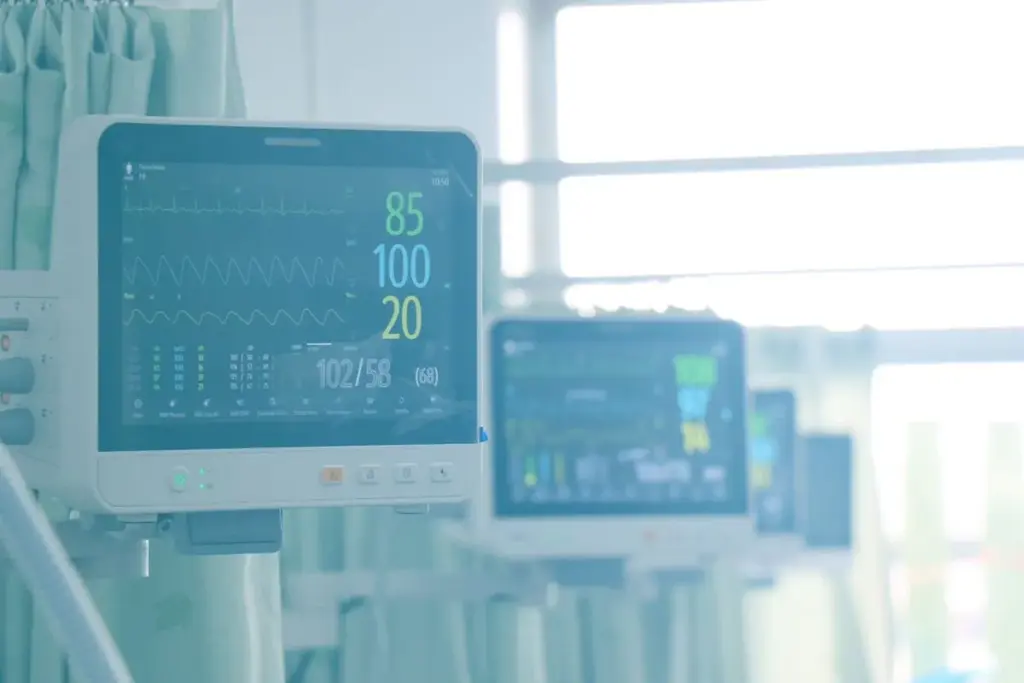
To know if heart failure is a disability, we need to look at the medical condition and legal definitions. Heart failure, like congestive heart failure, is very challenging. It affects daily life and quality of life greatly.
Is Congestive Heart Failure a Disability?
Congestive heart failure (CHF) means the heart doesn’t pump blood well. This leads to fatigue, swelling, and shortness of breath. CHF can make it hard to do daily tasks and keep a job.
CHF and Disability: Medical Requirements
To get disability benefits for CHF, certain medical tests are needed. These include echocardiograms and stress tests. The Social Security Administration (SSA) uses a list called the Blue Book to check CHF’s severity.
The SSA looks at several things:
Symptoms and their effect on daily life
Medical treatment and how well it works
Results from tests
Does Congestive Heart Failure Qualify for Disability Automatically?
Having CHF doesn’t mean you automatically get disability benefits. The SSA looks at each case carefully. They consider the condition’s severity and how it affects work ability. Age, education, and work experience also matter.
CHF Severity Level | Symptoms | Disability Eligibility |
|---|---|---|
Mild | Minimal symptoms, able to perform most daily activities | Generally not eligible |
Moderate | Noticeable symptoms, some limitation in daily activities | May be eligible based on SSA evaluation |
Severe | Significant symptoms, marked limitation in daily activities | Likely eligible |
In summary, CHF is a serious condition that can greatly affect life. But, whether it’s considered a disability depends on its severity and how it limits daily activities. Knowing the medical needs and the SSA’s process is key for those seeking disability benefits.
The Social Security Disability Evaluation Process
The SSA’s disability evaluation process has several steps. It includes looking at medical evidence and evaluating residual functional capacity. This is key to see if someone’s condition qualifies for disability benefits.
The Blue Book Listing for Cardiovascular Impairments
The SSA uses the Blue Book to list disabling impairments. For heart issues, the Blue Book covers congenital heart defects, ischemic heart disease, and heart failure. To qualify, a person’s condition must meet the Blue Book’s criteria.
For congestive heart failure, the SSA looks for specific symptoms and medical findings. They check for marked limitation in physical activities or recurrent heart failure episodes.
Medical Evidence Requirements
Medical evidence is key in the disability evaluation. The SSA needs detailed medical records showing the severity of a condition. This includes:
Medical history and physical examination findings
Results of diagnostic tests, such as echocardiograms and stress tests
Treatment records, including medications and surgical interventions
Statements from treating physicians about the individual’s functional limitations
Good medical evidence helps the SSA understand how a heart condition affects work ability.
Residual Functional Capacity Assessment
The SSA also does a Residual Functional Capacity (RFC) assessment. This looks at an individual’s work ability despite their heart condition. The RFC considers things like:
The ability to lift and carry objects
Stand, walk, and sit for long periods
Do tasks that need pushing and pulling
This assessment is key to see if someone can do substantial gainful activity (SGA) despite their condition.
Knowing the SSA’s evaluation process helps those with heart issues apply for disability benefits better.
Disability Benefits Available for Heart Patients
Heart patients can get financial help through disability benefits. These benefits cover medical costs and help when you can’t work. There are different programs to support heart patients financially.
Social Security Disability Insurance (SSDI)
SSDI is a federal program for those who can’t work due to disability. If your heart condition meets SSA’s criteria, you might get SSDI benefits.
Supplemental Security Income (SSI)
SSI helps disabled, blind, and elderly with little income. Heart patients with limited means and unable to work might qualify for SSI.
Heart Failure Disability Living Allowance
Some heart patients might get disability living allowances. These are from government programs or private insurance. They help with daily living and medical costs.
Applying for Disability with Heart Conditions
Getting disability benefits for heart conditions needs careful planning and knowledge. People with heart issues that make it hard to work might qualify for benefits.
Required Documentation
To apply for disability with heart conditions, you need to collect detailed medical records. This includes:
Detailed medical records of your heart condition
Diagnostic test results, such as echocardiograms and stress tests
Treatment plans and medication lists
Statements from your healthcare providers about your condition and its impact on your ability to work
The Application Timeline
The time it takes to apply for disability benefits varies. It usually takes a few months, but it can take longer if there are issues or if more information is needed.
Key steps in the application timeline include:
Initial application submission
Review by the Social Security Administration (SSA)
Potential request for additional information
Decision notification
Tips for a Successful Application
To boost your chances of a successful application, remember to:
Ensure all medical documentation is thorough and up-to-date
Clearly show how your heart condition impacts your work ability
Follow the SSA’s guidelines for disability applications
Consider getting help from a disability advocate or attorney if needed
By knowing what’s needed and being well-prepared, people with heart conditions can better handle the disability application process.
How Much Disability Will I Get for Heart Problems?

The amount of disability benefits for heart issues depends on several factors. It’s important to know these factors when dealing with the disability system.
SSDI Payment Calculations
Social Security Disability Insurance (SSDI) payments are based on your past earnings. The Social Security Administration (SSA) uses a formula to figure out your monthly benefit. This formula looks at your 35 highest-earning years, adjusted for inflation.
For those with heart problems, how severe their condition is matters a lot. The SSA uses your past earnings to decide your benefit amount.
SSI Payment Structure
The Supplemental Security Income (SSI) program helps those with little income and resources. Unlike SSDI, SSI is based on financial need, not earnings history. The SSA sets the maximum monthly SSI benefit, which changes each year.
SSI can be a big help for those with heart issues and limited income. The SSA looks at your financial situation and heart condition when you apply.
Factors Affecting Benefit Amounts
Several things can change how much disability benefits you get for heart problems. These include:
The severity of your heart condition and how it affects your work ability.
Your earnings history for SSDI benefits.
Your financial situation, including income and resources, for SSI benefits.
Any other health conditions that might affect your disability status.
Knowing about all these benefits and programs can help heart problem sufferers get the support they need. It makes navigating the system easier.
Congestive Heart Failure and Disability Benefits
It’s important to know how congestive heart failure (CHF) affects disability benefits. CHF makes the heart pump less efficiently. This can lead to serious problems and make everyday tasks hard.
Severity Levels and Eligibility
Severity Levels and Disability Eligibility:
NYHA Class | Description | Disability Eligibility |
|---|---|---|
I | No limitation of activities | Generally not eligible |
II | Slight, mild limitation | May be eligible with additional factors |
III | Marked limitation | Likely eligible |
IV | Unable to carry on any physical activity | Generally eligible |
Documenting CHF for Disability Claims
To get disability for CHF, you need strong medical proof. This includes medical records, test results, and doctor’s statements. Important documents are:
Echocardiogram results
Stress test results
Medical history and treatment records
Physician’s statement on functional limitations
Heart Failure and Disability Eligibility Criteria
To get disability, you must meet SSA’s rules. You need a condition that really limits your work and is expected to last a year or more, or could be fatal.
The SSA looks at the Blue Book to decide on disability. For heart issues, Listing 4.02 (Chronic Heart Failure) is key. You must show severe symptoms and test results to qualify.
Congestive Heart Failure and Disability: Success Stories
Many people have won disability for CHF. Their cases show the need for detailed medical proof and understanding the SSA’s rules.
For example, a 55-year-old man with NYHA Class III heart failure was approved for disability. He couldn’t do his job as a construction worker due to his condition. He had strong medical records to back his claim.
These stories show how important it is to have good medical records and know the SSA’s rules.
Appealing a Denied Heart Condition Disability Claim
If your heart condition disability claim was denied, you have the right to appeal. Knowing the appeals process can greatly improve your chances of winning.
Common Reasons for Denial
There are several reasons why a heart condition disability claim might be denied. These include:
Insufficient medical evidence to support the severity of the condition
Lack of detailed information about how the condition affects daily functioning
Failure to follow prescribed treatment plans
Inconsistencies in medical records
Understanding these reasons is key to preparing a strong appeal.
The Four Levels of Appeal
The appeals process for a denied disability claim has four levels:
- Reconsideration: A complete review of the claim by someone who didn’t participate in the initial decision.
- Hearing by an Administrative Law Judge (ALJ): A judge reviews the case and makes a decision based on the evidence provided.
- Appeals Council Review: If the ALJ denies the claim, it can be appealed to the Social Security Appeals Council.
- Federal Court Review: The final step involves filing a lawsuit in federal district court.
Level of Appeal | Description |
|---|---|
Reconsideration | Complete review by a different person |
Hearing by ALJ | Judge reviews the case and makes a decision |
Appeals Council Review | Review by the Social Security Appeals Council |
Federal Court Review | Lawsuit in federal district court |
When to Consider Legal Representation
While you can appeal without a lawyer, having one can greatly help. You might want to get a lawyer if:
You’ve reached the hearing stage
Your condition is complex or rare
You’ve been denied multiple times
Legal representation can offer valuable guidance and boost your chances of success.
Special Considerations for Children with Congenital Heart Defects
Congenital heart defects impact a child’s health, education, and social life. They need a lot of support to live a fulfilling life.
Childhood Disability Benefits
Children with heart defects might get disability benefits from the Social Security Administration (SSA). They must show their condition greatly hinders their ability to function.
The SSA has specific rules for deciding if a child is disabled. They look at how severe the condition is and how it affects the child’s daily life.
Key factors considered for childhood disability benefits include:
The severity of the congenital heart defect
Impact on the child’s ability to perform daily activities
Need for ongoing medical treatment or interventions
Educational Accommodations Under IDEA
The Individuals with Disabilities Education Act (IDEA) helps support children with disabilities in school. This includes those with congenital heart defects.
Under IDEA, children might get an Individualized Education Program (IEP). This program makes education fit their needs.
Accommodation Type | Description | Benefit |
|---|---|---|
Modified Curriculum | Adjustments to the curriculum to suit the child’s learning needs | Enhances learning outcomes |
Assistive Technology | Use of technology to aid in learning and daily tasks | Increases independence |
Personalized Support | One-on-one support or additional staff assistance | Improves overall educational experience |
Transitioning to Adult Disability Programs
As children with heart defects grow up, they might qualify for adult disability programs.
This change means they’ll be evaluated under adult rules, which might be different from when they were kids.
It’s important for families to get ready for this change by learning about the adult disability application process.
Long-term Planning for Children with CHD
Planning for the future is key for kids with heart defects. It helps ensure they get the support they need.
Families should think about their child’s future medical needs, education, and job training. This helps them become independent.
Key aspects of long-term planning include:
Creating a medical care plan
Looking into education and job training
Learning about disability benefits and support
Conclusion
It’s important to know how congenital heart defects and disability benefits are connected. This article has covered many points about congenital heart defects. We talked about how they affect daily life and how to get disability benefits.
Congenital heart defects can really change someone’s life. They might even qualify them for disability benefits. The Social Security Administration helps people with heart issues, including congenital heart defects and heart failure.
To get disability benefits, you need to show strong medical evidence. The Social Security Disability Evaluation Process checks how serious your heart condition is. It also looks at how it affects your work ability.
Knowing how to apply for disability benefits is key. It helps people with heart problems get the support they need. If you or someone you know has a heart condition, getting help from a professional is a good idea. They can guide you through the process of getting disability benefits.
FAQ
Is a congenital heart defect considered a disability?
A congenital heart defect can be seen as a disability if it greatly affects daily life. The Social Security Administration (SSA) looks at how severe the condition is and how it impacts work ability.
What types of heart problems qualify for disability benefits?
Heart issues that qualify for disability benefits include congenital heart defects and heart failure. The SSA checks the condition’s severity, symptoms, and how it limits daily activities.
Is congestive heart failure a disability?
Yes, congestive heart failure (CHF) can be a disability if it meets SSA’s medical standards. It must also significantly affect daily life and work ability.
How hard is it to get disability for heart problems?
Getting disability for heart problems is tough. The SSA has strict rules, and the process takes time. Approval rates depend on the condition’s severity and the medical evidence provided.
What is the Social Security Disability evaluation process for heart conditions?
The SSA uses the Blue Book listing for heart conditions. They assess medical evidence, how well you can function, and how it affects work and daily life.
How much disability will I get for heart problems?
Disability benefits for heart problems vary. They depend on the type of benefit, work history, and income. SSDI is based on earnings, while SSI is based on need.
Can children with congenital heart defects receive disability benefits?
Yes, children with congenital heart defects might get disability benefits. The SSA looks at the condition’s severity and its impact on daily life and development.
What are the common reasons for denial of heart condition disability claims?
Denials often happen due to lack of medical evidence or not meeting SSA’s medical standards. Providing detailed medical records and following SSA guidelines can help.
How do I appeal a denied heart condition disability claim?
The appeals process has four steps: reconsideration, hearing, review by the SSA’s Appeals Council, and federal court review. Getting legal help is recommended.
What is the heart failure disability living allowance?
Heart failure disability living allowance isn’t a specific benefit. But, people with heart failure might get SSDI or SSI to help with expenses.
Can I receive disability benefits for heart problems if I’m working?
If you work and earn too much, you might not qualify for disability. The SSA checks if you can work and earn a living.
How do I document congestive heart failure for disability claims?
To document CHF for disability claims, gather detailed medical evidence. Include medical records, test results, and statements from doctors. Show how severe the condition is and its impact on daily life.
References
National Center for Biotechnology Information. Evidence-Based Medical Insight. Retrieved from https://pmc.ncbi.nlm.nih.gov/articles/PMC8751822/