

It’s important to know how genetics play a role in aortic aneurysm development. Research shows that many thoracic and abdominal aortic aneurysms have a family or genetic predisposition.
At Liv Hospital, we understand the role of heredity in aortic aneurysms. Studies reveal that about 20 percent of these conditions are genetic. This underlines the need for thorough risk assessments and preventive care.
Key Takeaways
- Genetic predisposition plays a significant role in the development of aortic aneurysms.
- Familial history is a key factor in assessing aortic aneurysm risk.
- Knowing genetic risk factors helps prevent and manage aortic aneurysms.
- Liv Hospital uses advanced science to find genetic factors in aortic aneurysms.
- Modern risk assessments are changing how we prevent and manage aortic aneurysms.
Understanding Aortic Aneurysms: Types and Definitions
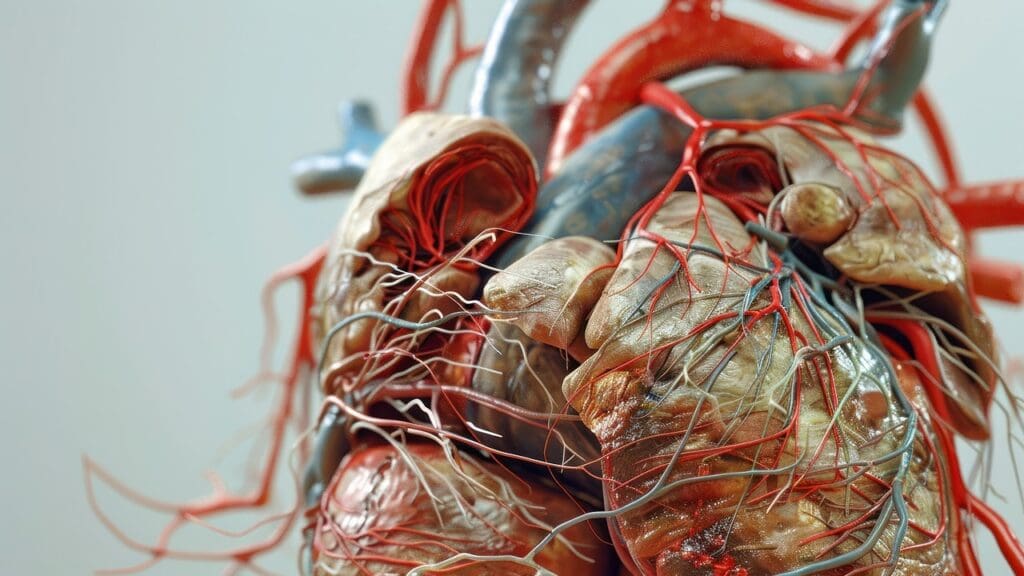
The aorta is the biggest artery in our body. It can get aneurysms in different spots, causing health problems. An aortic aneurysm happens when the aortic wall weakens or bulges. This can lead to serious issues if not treated right.
What Is an Aortic Aneurysm?
An aortic aneurysm is when the aorta gets too big. It can happen anywhere along the aorta. The wall of the artery gets weak, making a bulge or balloon. If it bursts, it can cause severe bleeding and be very dangerous.
Thoracic Aortic Aneurysms (TAA)
Thoracic aortic aneurysms happen in the chest part of the aorta. They often come from genetic conditions. They can be hard to find because they are in the chest.
Abdominal Aortic Aneurysms (AAA)
Abdominal aortic aneurysms happen in the lower aorta, below the diaphragm. They are more common than thoracic aneurysms. Smoking, high blood pressure, and family history of aneurysms increase the risk. says men and people over 65 are more likely to get them.
How Aneurysms Develop and Progress
Aneurysms come from genetics and environmental factors like high blood pressure and smoking. They can grow slowly, often without symptoms until they get big or burst.
| Type of Aneurysm | Location | Common Risk Factors |
|---|---|---|
| Thoracic Aortic Aneurysm (TAA) | Chest cavity | Genetic conditions, hypertension |
| Abdominal Aortic Aneurysm (AAA) | Below the diaphragm | Smoking, high blood pressure, family history |
Are Aortic Aneurysms Inherited? The Genetic Connection
It’s important to know how genetics play a role in aortic aneurysms. About 20 percent of thoracic and abdominal aortic aneurysms might be caused by inherited genes.
The 20% Rule: Familial Prevalence
The “20% rule” says 20% of aortic aneurysms have a family link. This shows a big role of genetics in these aneurysms. If you have a close relative with an aneurysm, you’re more likely to get one too.
Inheritance Patterns in Aortic Aneurysms
Aortic aneurysms can be passed down in different ways. Sometimes, just one copy of a mutated gene is enough to raise your risk.
Autosomal Dominant Inheritance
Autosomal dominant inheritance means one mutated gene can cause the condition. Families with a history of aortic aneurysms often show this pattern, with the condition appearing in every generation.
Variable Penetrance and Expression
The idea of variable penetrance and expression means how a gene mutation shows up can vary. Some people might get aneurysms young, while others might not get them until later or at all.
Differences in Hereditary Patterns: TAA vs. AAA
Thoracic and abdominal aortic aneurysms have different genetic links. TAA is more often linked to specific genetic syndromes.
Knowing about these genetic connections helps doctors find at-risk people. They can then suggest screenings and preventive steps.
Genetic Mutations Associated with Aortic Aneurysms
Genetic mutations are key in aortic aneurysms, affecting vascular health. Studies have found several genes linked to a higher risk of aortic aneurysms. These include ACTA2, MYH11, TGFBR2, and FBN1 genes.
ACTA2 Mutations and Smooth Muscle Function
Mutations in the ACTA2 gene are linked to aortic aneurysms, mainly in the thoracic aorta. The ACTA2 gene codes for smooth muscle alpha-actin, vital for muscle contraction and relaxation. These mutations can harm smooth muscle function, leading to aneurysms.
MYH11 Mutations and Aortic Wall Integrity
The MYH11 gene is important for smooth muscle function. Mutations in MYH11 are linked to thoracic aortic aneurysms and dissections. These mutations can weaken the aortic wall, raising the risk of aneurysm and rupture.
TGFBR2 Mutations and Signaling Pathways
TGFBR2 mutations affect the transforming growth factor-beta receptor 2. This gene is key in signaling pathways that control cell growth and differentiation. Changes in this gene are linked to vascular disorders, including aortic aneurysms.
FBN1 and Fibrillin Defects
The FBN1 gene codes for fibrillin-1, essential for elastic fibers in connective tissue. Mutations in FBN1 are linked to Marfan syndrome, raising the risk of aortic aneurysms. Fibrillin defects can weaken connective tissue, contributing to aneurysm development.
Emerging Genetic Discoveries
Research is finding new genetic mutations linked to aortic aneurysms. As we learn more about these genetic factors, we can find new treatments. This also helps in assessing risk for those with a family history of the condition.
Hereditary Syndromes and Aortic Aneurysm Risk
Some hereditary syndromes raise the risk of aortic aneurysms. This condition can cause serious heart problems. We’ll look at how these genetic conditions impact aortic aneurysm risk and why knowing about them is key for heart health.
Ehlers-Danlos Syndrome and Vascular Fragility
Ehlers-Danlos syndrome is a set of genetic disorders that harm the body’s connective tissue. This makes blood vessel walls weak, raising the risk of aortic aneurysms. Vascular Ehlers-Danlos syndrome is very dangerous because it can cause blood vessels to burst.
Marfan Syndrome and Aortic Complications
Marfan syndrome is a genetic disorder that affects the body’s connective tissue. It can cause the aortic root to dilate, increasing the risk of aortic aneurysms. People with Marfan syndrome need regular check-ups to avoid aortic problems.
Loeys-Dietz Syndrome: A High-Risk Condition
Loeys-Dietz syndrome is marked by aggressive arterial aneurysms and tortuosity. It’s a high-risk condition for aortic aneurysms. Early detection and treatment are vital for managing Loeys-Dietz syndrome risks.
Turner Syndrome and Aortic Risks
Turner syndrome is a genetic condition found in females that increases the risk of heart problems. This includes aortic aneurysms and dissections. It’s important to understand the heart risks of Turner syndrome to provide the right care.
We’ve talked about how certain hereditary syndromes increase the risk of aortic aneurysms. It’s vital to be aware of these genetic conditions and monitor heart health. By doing so, we can manage and possibly prevent serious heart issues.
Family History and Risk Assessment
Knowing your family history is key to understanding your risk for aortic aneurysms. A detailed family history can give you important clues about your risk level.
First-Degree Relatives and Risk Doubling
If you have a first-degree relative (like a parent, sibling, or child) with an aortic aneurysm, your risk goes up. Research shows this can double your risk of getting an aortic aneurysm. This is because you might share genes that increase your risk.
A top cardiovascular researcher, says, “Family history is a big deal when it comes to aortic aneurysm risk. People with a family history should really watch their heart health.”
“A family history of aortic aneurysm is a big risk factor. People with such a history should get regular check-ups.”
Genetic Testing Options and Limitations
Genetic tests can spot people at higher risk for aortic aneurysms. But, it’s important to know the limits of genetic testing. Not all genetic causes of aortic aneurysms are found, and tests might miss some.
When to Consider Genetic Counseling
Genetic counseling is a good idea for those with a strong family history of aortic aneurysms or who have been diagnosed with one. Counselors can help you understand your risk and make smart health choices.
Creating a Family Health History
Making a detailed family health history is a big step in figuring out your risk for aortic aneurysms. You need to collect medical info on your first-degree relatives, like any aortic aneurysm or heart disease history.
By looking at family history and individual risk, doctors can create plans to lower your chance of getting an aortic aneurysm.
Non-Genetic Risk Factors for Aortic Aneurysms
Aortic aneurysms aren’t just about genes. Many other factors also play a big role. We’ve talked about genetics before, but it’s key to know how other things can increase your risk.
Age-Related Risks and Aortic Changes
Getting older is a big risk factor for aortic aneurysms. As we age, our aortas change in ways that can lead to aneurysms. Older adults are more likely to get aneurysms because their aortas are less flexible and more prone to damage. Regular check-ups and screenings are vital, even more so for those over 65.
Hypertension and Blood Pressure Management
Hypertension, or high blood pressure, is a major risk factor. High blood pressure can weaken the aortic wall, causing it to bulge out. Managing high blood pressure through lifestyle changes and medication can lower this risk. It’s important to keep an eye on your blood pressure and follow your treatment plan to prevent aortic aneurysms.
Smoking and Tobacco Use Effects
Smoking and tobacco use are big risks for aortic aneurysms. Tobacco damages the aortic wall and can lead to aneurysms. Quitting smoking can greatly reduce this risk. There are many resources available to help you stop smoking and lower your risk of aortic aneurysms.
Atherosclerosis and Vascular Health
Atherosclerosis, or plaque buildup in arteries, also increases the risk of aortic aneurysms. This condition can weaken the aortic wall. Keeping your vascular health in check through diet, exercise, and managing cholesterol can help prevent atherosclerosis and aortic aneurysms.
Interaction Between Genetic and Environmental Factors
The risk of an aortic aneurysm comes from both genes and environment. Understanding how these factors work together is key to identifying high-risk individuals. By tackling both genetic and non-genetic risks, healthcare providers can offer more tailored care and lower aortic aneurysm rates.
How Common Are Aortic Aneurysms? Prevalence Data
Knowing how common aortic aneurysms are helps us find who’s at risk. It’s a big health issue, affecting many people around the world.
Thoracic Aortic Aneurysm Prevalence
Thoracic aortic aneurysms (TAA) are less common than abdominal ones. Research shows TAA affects about 0.16% to 0.34% of people.
Abdominal Aortic Aneurysm Prevalence
Abdominal aortic aneurysms (AAA) are more common. They affect 4% to 8% of men and 1% to 3% of women over 60.
Demographic Variations in Prevalence
Aortic aneurysms are not the same for everyone.
Gender Differences
Men get aortic aneurysms more often than women, like AAA. The ratio of men to women with AAA is about 4:1 to 6:1.
Age-Related Patterns
As people get older, aortic aneurysms become more common. AAA is rare before 55 but grows more common after 65.
Ethnic and Geographic Variations
There are also differences in who gets aortic aneurysms based on ethnicity and where you live. For example, AAA is more common in Western countries than in Asia.
These differences show why we need to focus on screening and health programs for those at higher risk.
Prevention and Screening for Those with Hereditary Risk
If you have a family history of aortic aneurysms, knowing how to prevent and screen is key. We suggest a mix of regular checks, healthy habits, and sometimes medical or surgical steps.
Recommended Screening Protocols
Screening is vital for those at risk due to family history. Imaging techniques like ultrasound, CT scans, or MRI are often used.
Imaging Techniques and Frequency
The right imaging and how often you need it depend on your risk and medical history. For example, those with a family history of aortic aneurysms might need more frequent tests.
Age to Begin Screening
When to start screening varies by your risk and family history. Generally, it starts earlier for those with a strong family history.
Lifestyle Modifications for Risk Reduction
Changing your lifestyle can help lower your risk of aortic aneurysms. This includes keeping your blood pressure in check, quitting smoking, and staying active.
| Lifestyle Modification | Benefit |
|---|---|
| Regular Exercise | Improves cardiovascular health |
| Healthy Diet | Reduces risk of hypertension and atherosclerosis |
| Smoking Cessation | Decreases risk of aneurysm formation and progression |
Medical Management Options
For some, medical management is needed to slow aneurysm growth. This might include drugs to control blood pressure and cholesterol.
Surgical Considerations and Timing
Surgery might be advised for those with big aneurysms or high risk of rupture. The choice to have surgery depends on the aneurysm’s size, growth rate, and your overall health.
Conclusion: Understanding Your Personal Risk
Knowing your risk for aortic aneurysms is key to staying healthy. We’ve looked at how genetics and other factors can increase your risk. If your family has a history of aortic aneurysms, talk to your doctor about your risk.
Genetics are a big part of your risk. We talked about specific genes like ACTA2 and MYH11 that can raise your risk. Knowing your genetic risk helps you and your doctor plan how to stay safe.
By understanding your risk, you can make changes to lower it. This might include changing your lifestyle, getting medical care, or considering surgery. It’s important to work with your doctor to create a plan that’s right for you.
By taking steps to manage your risk, you can improve your health. We’re here to help you understand and manage your risk for aortic aneurysms.
Are aortic aneurysms hereditary?
Yes, aortic aneurysms can run in families. Studies show that having a relative with an aneurysm can double your risk.
What are the genetic risk factors for aortic aneurysms?
Certain genes increase your risk of an aortic aneurysm. These include ACTA2, MYH11, TGFBR2, and FBN1. They affect how the aorta works and its strength.
What is the prevalence of aortic aneurysms?
Aortic aneurysms are common, mainly in older adults. About 4-8% of men and 1-3% of women over 60 have them.
How can I assess my risk of developing an aortic aneurysm?
To check your risk, look at your family history and genes. Also, consider your age, blood pressure, smoking, and heart health. Genetic tests and advice might be suggested if your family history is strong.
What screening protocols are recommended for individuals with a hereditary risk of aortic aneurysms?
If you have a family history or genetic risk, get regular scans. Use ultrasound or CT scans. How often you need a scan depends on your risk and health.
Can lifestyle modifications reduce the risk of aortic aneurysms?
Yes, changing your lifestyle can help. Quit smoking, control your blood pressure, and eat well. Exercise and manage stress to keep your heart healthy.
What are the symptoms of an aortic aneurysm?
Aneurysms often don’t show symptoms until they burst. You might feel back pain, stomach pain, or trouble breathing.
How are aortic aneurysms treated?
Treatment depends on the aneurysm’s size and location. For big ones, surgery or stenting might be needed. Smaller ones might just need watching with scans.
Are there any hereditary syndromes associated with an increased risk of aortic aneurysms?
Yes, some syndromes like Ehlers-Danlos, Marfan, Loeys-Dietz, and Turner increase your risk. People with these should get regular checks and monitoring.
Can genetic testing predict the risk of aortic aneurysms?
Genetic tests can find genes linked to aneurysm risk. But, having a gene doesn’t mean you’ll get an aneurysm. And not having it doesn’t mean you’re safe.
References
- MedlinePlus Genetics (Familial thoracic aortic aneurysm and dissection) : https://medlineplus.gov/genetics/condition/familial-thoracic-aortic-aneurysm-and-dissection
- Mass General Advances (Familial Aortic Aneurysm and Dissection) : https://advances.massgeneral.org/cardiovascular/journal.aspx?id=1003
- AHA Journals (Circulation Research) : https://www.ahajournals.org/doi/circresaha.118.312436
- AHA Journals (Circulation) : https://www.ahajournals.org/doi/circulationaha.116.009762
- NHLBI (National Heart, Lung, and Blood Institute) (Aortic Aneurysm Causes) : https://www.nhlbi.nih.gov/health/aortic-aneurysm/causes