Diagnosing blood cancer in children is a detailed process. It includes looking at medical history, doing a physical check, and running lab tests. It often starts with a visit to the family doctor or after a blood test shows a blood issue.
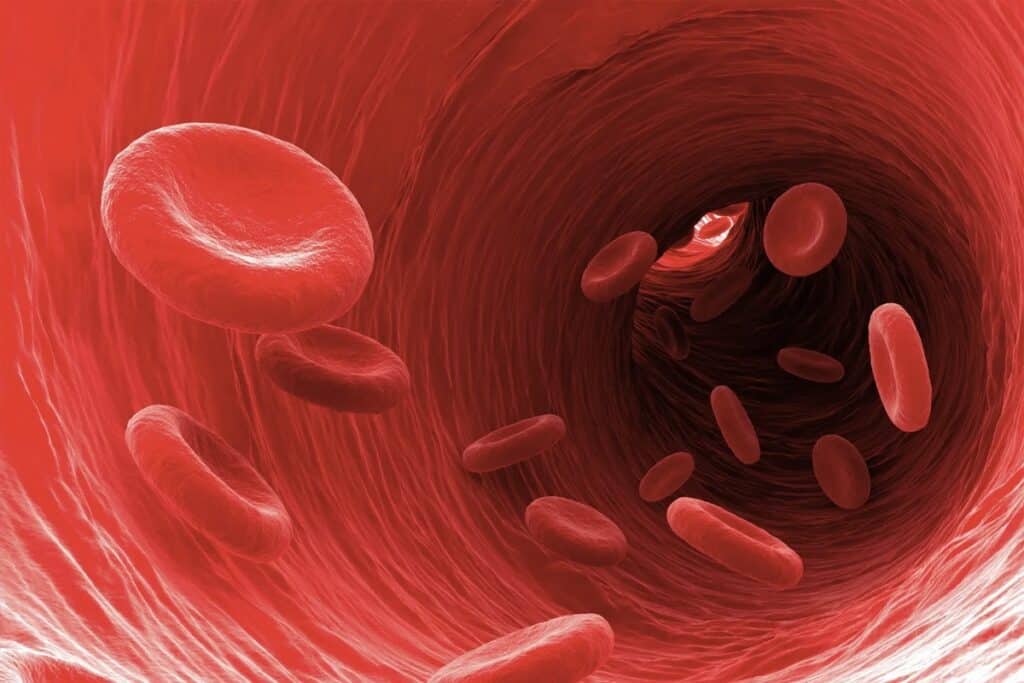
To confirm leukemia, doctors use tests like a complete blood count (CBC), a peripheral blood smear, and a bone marrow biopsy.
Key Takeaways
- Diagnosing blood cancer in children involves a combination of medical history, physical examination, and laboratory tests.
- A complete blood count (CBC) is one of the initial tests used to diagnose leukemia.
- Peripheral blood smear and bone marrow biopsy are also key in confirming leukemia.
- The diagnostic process usually starts with a visit to the family doctor.
- Leukemia is the most common cancer in children aged 0-19, making up about 32% of cases.
Understanding Childhood Blood Cancers
It’s important to know about childhood blood cancers to catch them early and treat them well. These cancers affect the blood and bone marrow. Leukemia is the most common type.
Leukemia is the top cancer in kids aged 0–19, making up about 32% of all cases. Acute lymphoblastic leukemia (ALL) is the main type, taking up about 80% of cases. Other types include Acute Myeloid Leukemia (AML) and Chronic Myeloid Leukemia (CML), but CML is rare in kids.
Types of Blood Cancers Affecting Children
Childhood blood cancers are divided by the cell type and stage. The main types are:
- Acute Lymphoblastic Leukemia (ALL)
- Acute Myeloid Leukemia (AML)
- Lymphoma
- Myeloproliferative Neoplasms (MPNs)
- Myelodysplastic Syndromes (MDS)
A recent study found that classifying childhood blood cancers is key for treatment and understanding the outcome.
“The diversity in types of childhood blood cancers necessitates a tailored approach to diagnosis and treatment,” said a leading pediatric oncologist.
Epidemiology and Statistics
Childhood cancer cases have gone up, from 14.2 to 18.9 cases per 100,000 kids between 1975–2019. Knowing these numbers helps in making better treatments.
Research into childhood blood cancers is vital. A recent report said, “The rising number of childhood cancer cases shows we need more research and better care.”
Early Warning Signs and Symptoms
Spotting early signs of leukemia in kids is key for quick medical help. Leukemia, a blood cancer, shows up in different ways. These symptoms, though common, need attention.
Physical Manifestations
Children with leukemia may show several physical signs. These include:
- Pale skin: A drop in red blood cells can make kids look paler.
- Bruising or bleeding: Low platelet counts can cause easy bruising, nosebleeds, or bleeding gums.
- Petechiae: Small red spots on the skin, known as petechiae, can be a sign of leukemia.
Systemic Symptoms
Systemic symptoms also hint at leukemia. These include:
- Fatigue and weakness: Kids might feel tired or weak, making it hard to do normal things.
- Fever and infections: Often getting infections or fevers can mean a weak immune system.
- Weight loss: Losing weight without trying can be a worry and needs a doctor’s check.
- Bone or joint pain: Leukemia can cause pain in bones or joints.
Knowing these early warning signs and symptoms helps parents and doctors spot leukemia early. This makes it easier to investigate and diagnose.
The Diagnostic Journey
When a child shows signs that might mean leukemia, the journey starts with a doctor’s check-up. The doctor will ask about the child’s symptoms and medical history. They will also do a physical exam to look for signs of illness.
From Primary Care to Specialist Referral
The primary care doctor is key in the first steps. If they think it might be leukemia, they’ll send the child to a specialist. This is usually a pediatric oncologist or hematologist.
According to the Canadian Cancer Society, the journey often starts with a visit to the family doctor. Or it begins with a blood test that shows a problem.
The referral process is a critical step in making sure the child gets the right care fast. The specialist will do more tests, like blood tests and bone marrow biopsies. These tests help confirm leukemia and figure out its type.
The Multidisciplinary Diagnostic Team
After the specialist referral, a team of experts works together to confirm the diagnosis and plan treatment. This team includes doctors, radiologists, pathologists, and more. They all work together to give the best care.
The team’s collaborative approach means they consider all parts of the child’s condition. They create the best treatment plan. The team also supports and guides the family during this time, answering any questions they have.
The journey to diagnose childhood leukemia is complex. It involves many steps and healthcare professionals. But with a team working together, families know their child is in good hands.
How is Leukemia Diagnosed: Laboratory Tests and Procedures
To find out if someone has leukemia, doctors use blood tests and bone marrow checks. These tests are key to spotting odd white blood cells and making a diagnosis.
Blood-Based Diagnostic Tests
Blood tests are the first step in finding leukemia. They include:
- Complete Blood Count (CBC): Checks the levels of blood cells like white blood cells, red blood cells, and platelets.
- Peripheral Blood Smear: Looks at blood cells to see if they’re normal or not.
These tests help doctors spot odd white blood cells, which might mean leukemia.
Bone Marrow Evaluation
A bone marrow check is very important to confirm leukemia. It involves:
- Bone Marrow Biopsy: Takes a small bone marrow sample for study.
- Bone Marrow Aspiration: Gets a bone marrow fluid sample.
These steps give a clear diagnosis by looking at bone marrow cells for any oddities.
The findings from these tests help doctors know the disease’s type and how far it has spread. This information helps decide on treatment and what the future might hold.
Advanced Diagnostic Techniques
Advanced diagnostic techniques are key in accurately diagnosing and managing leukemia in kids. They have greatly improved how we diagnose and treat leukemia.
Molecular and Genetic Testing
Molecular and genetic testing are vital in finding specific genetic issues linked to leukemia. Tools like flow cytometry, cytogenetics, and PCR (Polymerase Chain Reaction) help us understand the genetic makeup of leukemia cells. This info is key for:
- Figuring out the leukemia subtype
- Deciding on treatment
- Estimating prognosis
Flow cytometry helps identify the type of cells and their traits. Cytogenetic analysis spots chromosomal issues that affect treatment results.
Imaging Studies
Imaging studies are also essential in diagnosing and managing leukemia. Methods like chest X-rays and ultrasound check the disease’s spread. These studies help in:
- Spotting organ involvement
- Seeing how far the disease has spread
- Helping with procedures like bone marrow biopsies
Using advanced diagnostic methods, like molecular and genetic testing, and imaging studies, has greatly improved leukemia diagnosis and treatment in kids. These methods give a clearer picture of the disease. This helps doctors create more focused and effective treatment plans.
Prognosis and Risk Stratification
Prognosis and risk stratification are key in managing childhood leukemia. They help tailor treatment to each child’s needs. Knowing what affects prognosis is important for both doctors and families. It helps them make better decisions about treatment.
Factors Affecting Prognosis
The prognosis for a child with leukemia depends on several factors. Type of leukemia is a big factor. For example, acute lymphoblastic leukemia (ALL) usually has a better prognosis than acute myeloid leukemia (AML).
Another important factor is the age at diagnosis. Children with ALL between 1 and 9 years old often have a better prognosis. The response to initial treatment also matters a lot. A quick response to treatment usually means better outcomes.
Genetic characteristics of the leukemia cells also play a role. Some genetic changes can improve or worsen the prognosis, depending on the change.
Survival Rates and Outcomes
Survival rates for childhood leukemias have greatly improved. For ALL, the most common type, the 5-year survival rate is now over 85%. This improvement is thanks to better treatments and care.
A leading pediatric oncologist said, “The big progress in survival rates for childhood leukemia shows how far medical research and treatments have come.” This highlights the importance of ongoing research and its impact on patient outcomes.
“The advances in treatment and care for childhood leukemia have been truly remarkable, giving new hope to families affected by this disease.”
Risk stratification is a key part of leukemia treatment today. It helps doctors tailor treatment to each patient’s risk level. By understanding the risk of relapse, doctors can choose the best treatment. This balances effectiveness with the risk of side effects.
In summary, accurate prognosis and effective risk stratification have greatly improved outcomes for children with leukemia. This offers a brighter future for these young patients and their families.
Conclusion: Supporting Families Through Diagnosis and Beyond
Supporting families through leukemia diagnosis and treatment is key. Healthcare teams, like those at Liv Hospital, are vital. They offer top-notch care and support.
By using the latest methods and always improving, they help families get the best care. This support is important from the start to the end of treatment.
Families facing childhood leukemia can find help from groups like Here to Serve, the American Cancer Society, and the Leukemia & Lymphoma Society. These organizations provide important info, support networks, and the latest research. They help families deal with the tough parts of childhood cancer.
With emotional support, financial help, and access to new treatments, we can better help kids with leukemia. This support is key to improving their lives and helping families through this hard time.
FAQ
What are the common symptoms of leukemia in children?
Children with leukemia might have pale skin and bruising. They might also get tired easily and feel weak. Other signs include fever, weight loss, and pain in bones or joints.
They might have swollen lymph nodes and feel their belly is swollen.
How is leukemia diagnosed in children?
Doctors use a few steps to find leukemia in kids. They start with a medical history and a physical check-up. Then, they do blood tests and a bone marrow biopsy.
What is the most common type of leukemia in children?
Acute lymphoblastic leukemia (ALL) is the most common leukemia in kids. It makes up about 80% of all childhood leukemia cases.
What is the role of molecular and genetic testing in leukemia diagnosis?
Molecular and genetic tests help find specific genetic changes. This information helps doctors choose the best treatment and predict how well the child will do.
How do healthcare providers determine the prognosis of a child with leukemia?
Doctors look at several things to guess how well a child will do. They consider the type of leukemia, the child’s age, and how well they respond to treatment.
What is the significance of bone marrow evaluation in leukemia diagnosis?
A bone marrow biopsy or aspiration is key for a leukemia diagnosis. It gives a clear picture of the disease and helps doctors understand its extent.
How has the incidence of childhood cancer changed over the years?
Childhood cancer cases have gone up over time. This shows we need to keep researching and improving care for kids with cancer.
What is the role of a multidisciplinary diagnostic team in leukemia diagnosis?
A team of doctors, including pediatric oncologists and hematologists, work together. They confirm the diagnosis and plan the treatment for kids with leukemia.
How do advanced diagnostic techniques improve leukemia diagnosis and treatment?
New tests, like molecular and genetic tests, and imaging studies, make diagnosis and treatment better. They help doctors find and treat leukemia more accurately.
References:
- Lambert, P. C., et al. (2023). Leukemia. StatPearls Publishing.https://www.ncbi.nlm.nih.gov/books/NBK560490/
- National Cancer Institute. (2019). Advances in Leukemia Research.https://www.cancer.gov/types/leukemia/research
- Cancer Research Institute. (2025). Immunotherapy for Leukemia Cancer.https://www.cancerresearch.org/immunotherapy-by-cancer-type/leukemia