Urinary Tract Infections (UTIs) are very common and cause millions of doctor visits each year in the United States. Doctors usually diagnose UTIs by looking at your medical history, doing a physical exam, and running lab tests. Urine analysis and culture are the main ways to find UTIs.

Even though these methods work well, people wonder if ultrasound technology can help find UTIs or their complications. Recent studies have looked into how well ultrasound can diagnose UTIs. They found out its strengths and weaknesses in this area.Can UTI be detected in ultrasound? Learn how is UTI diagnosed. The negative reality is ultrasound is not the primary powerful detection tool.
Key Takeaways
- UTIs are commonly diagnosed using urine analysis and culture.
- Ultrasound is not the primary diagnostic tool for uncomplicated UTIs how is uti diagnosed.
- Recent evidence suggests ultrasound may have a role in detecting UTI complications how is uti diagnosed.
- The diagnosis of UTIs involves a combination of medical history, physical examination, and laboratory tests how is uti diagnosed.
- Understanding the role of ultrasound in UTI diagnosis can provide additional diagnostic insights how is uti diagnosed.
What Urinary Tract Infections (UTIs) Are and Who Gets Them
Urinary Tract Infections (UTIs) are bacterial infections in the urinary system. They can happen to both men and women. But, women get them more often because their urethra is shorter. This makes it easier for bacteria to get into the bladder.

Common Symptoms and Causes of UTIs
UTI symptoms vary based on where the infection is. You might feel a strong urge to pee, a burning feeling when you pee, or have cloudy, smelly urine. The most common cause is bacteria, with Escherichia coli being the top offender how is uti diagnosed.
Bacteria get into the urinary tract through the urethra. Once there, they can multiply and cause an infection. Risks include being sexually active, using certain birth control, and poor hygiene.
High-Risk Groups and Prevention Strategies
Some groups face a higher risk of UTIs. This includes sexually active women, pregnant women, people with urinary tract issues, and those with weakened immune systems how is uti diagnosed.
Preventing UTIs is key for these groups. Drinking lots of water, peeing when you need to, and practicing good hygiene helps. Avoiding irritating products and using prophylactic antibiotics when needed can also help how is uti diagnosed.
Knowing about UTIs, their symptoms, and who’s at risk is vital. Early detection and prevention can lower the chance of getting UTIs.
How UTI is Diagnosed: Primary Diagnostic Methods
UTIs are diagnosed using a few key methods. These help find the infection and guide treatment. They are important for making sure patients get the right care.
Urinalysis and Urine Culture: The Gold Standards
Urinalysis and urine culture are top choices for diagnosing UTIs. Urinalysis tests urine for signs of infection like bacteria, blood, or pus. It gives quick results to help doctors start treatment.
Urine culture finds the exact bacteria causing the UTI. Knowing this helps doctors pick the best antibiotic. It takes longer than urinalysis but is key for targeted treatment how is uti diagnosed.
Clinical Symptom Assessment
Clinical symptom assessment is also key in diagnosing UTIs. Doctors look at symptoms like painful urination, frequent urination, and urgency. They use these signs, along with test results, to make a diagnosis.
Additional Laboratory Tests
Sometimes, more tests are needed to diagnose UTIs or check for complications. These might include tests for kidney function or to find underlying causes of recurring infections.
The main ways to diagnose UTIs”urinalysis, urine culture, and symptom assessment”work together. This approach ensures patients get the best treatment for their infection.
The Truth About Ultrasound in UTI Detection
Ultrasound is a useful tool, but it can’t directly find UTIs. It uses sound waves to show images of the body’s inside. This helps doctors see problems in the urinary track how is uti diagnosed.
What Ultrasound Can Actually Visualize
Ultrasound is great for seeing parts of the urinary system. It can spot:
- Kidney stones or tumors
- Hydronephrosis (a condition where the kidney swells due to urine backup)
- Anatomical abnormalities in the urinary tract
- Bladder issues, such as thickening of the bladder wall
Seeing these things is key to finding out what might cause UTIs.
Why Ultrasound Cannot Directly Detect Most UTIs
Most UTIs come from bacteria. These infections are too small to see with ultrasound. Urinalysis and urine culture are the best ways to find UTIs.
Types of Ultrasound Used for the Urinary System
There are different kinds of ultrasound for the urinary system:
- Renal Ultrasound: Looks at the kidneys for problems like stones or swelling.
- Bladder Ultrasound: Checks the bladder for issues like tumors or thick walls.
- Doppler Ultrasound: Shows how blood flows through the kidneys and urinary tract.
Each ultrasound type gives important info for diagnosing and treating urinary problems, including UTIs.
5 Situations When Doctors Recommend Ultrasound for UTI Patients
UTIs are usually diagnosed in other ways, but ultrasound is key in certain cases. Doctors suggest uti imaging for patients with specific issues or complications.
Recurrent or Persistent Infections
Those with recurring or persistent UTIs might need a kidney infection ultrasound.Medical research shows that such cases often point to deeper problems. These could be anatomical issues or other complications needing a closer look.
Ultrasound can spot problems like kidney stones or blockages. These might be causing the infections to keep coming back. It helps doctors create a better treatment plan how is uti diagnosed.
Suspected Anatomical Abnormalities
When doctors think there might be structural problems, they might suggest an ultrasound. This test can show issues like vesicoureteral reflux or other structural problems. These can be causing UTI symptoms.
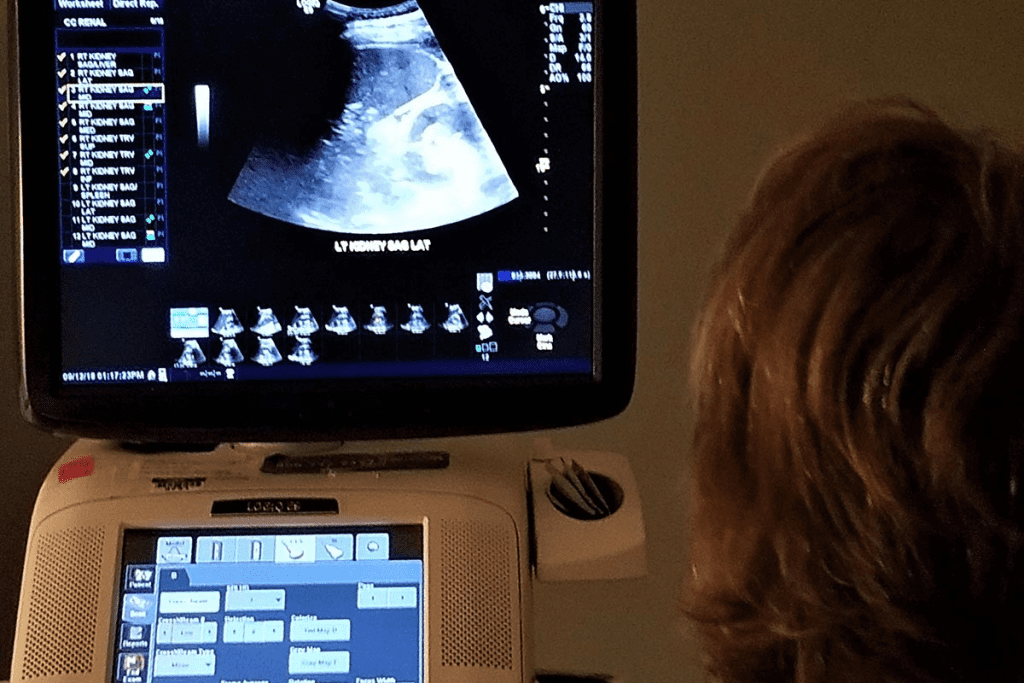
Special Patient Populations (Children, Elderly, Pregnant Women)
Some groups, like children, the elderly, and pregnant women, need special care when dealing with UTIs. For example, female bladder ultrasound is used in pregnant women to check the urinary tract for any problems.
In kids, ultrasound is a good choice because it’s safe and doesn’t use radiation. For older adults, it helps find complications like urinary retention or blockages.
Statistical Effectiveness of Ultrasound in UTI Cases
Ultrasound is a key tool in diagnosing urinary tract infections (UTIs). It has shown to be effective in many cases. This technology is important for checking the urinary system.
Detection Rates for Anatomical Abnormalities
Ultrasound finds anatomical issues in a small number of UTI patients. About 2% of first-time UTI patients have such abnormalities. This shows ultrasound might not be needed for every UTI diagnosis but is helpful when complications are suspected.
Sensitivity for Identifying Vesicoureteral Reflux
Ultrasound’s ability to spot vesicoureteral reflux (VUR) varies. It ranges from 16% to 68%. This wide range means ultrasound should be used carefully for VUR checks. The differences in sensitivity come from various factors like patient age and ultrasound methods.
“The use of ultrasound in diagnosing VUR is a complex issue, influenced by multiple factors including patient age, gender, and the presence of other urinary tract abnormalities.”
Impact on Treatment Decisions
In women with recurring UTIs, ultrasound affects treatment plans in about 12% of cases. This shows ultrasound can help in managing certain patient groups. It can reveal issues that need special treatment.
In summary, ultrasound is not the first choice for most UTIs. Yet, it’s very useful in certain situations. It helps find problems, spot VUR, and guide treatments. As research improves, ultrasound’s role in UTI care is expected to grow, helping patients more.
3 Alternative Imaging Methods That May Be Used Instead
There are many ways to diagnose and manage UTIs, not just ultrasound. These methods help when ultrasound results are unclear or when complications are thought of.
CT Scans for Complex UTI Cases
CT scans are great for complicated UTI cases. They help spot pyelonephritis or perinephric abscess. These scans show the urinary tract and tissues around it, helping find the infection’s size and any issues.
- They show the kidneys and nearby areas clearly
- Spot complications like abscesses or blockages
- Help plan treatments or surgeries
MRI Applications in Urinary Tract Conditions
MRI is used in some UTI cases, mainly for the upper urinary tract without radiation. It’s good for pregnant women and kids.
MRI’s benefits include:
- It gives detailed images of the urinary tract
- It’s safe because it doesn’t use radiation
- It can find problems in the urinary tract
Specialized Studies: VCUG and Nuclear Medicine Scans
Special studies like Voiding Cystourethrogram (VCUG) and nuclear medicine scans are used for specific cases. VCUG is key for finding vesicoureteral reflux, a common cause of UTIs in kids.
- VCUG shows the bladder and urethra while you pee
- Nuclear medicine scans give info on how the urinary tract works
- These tests help understand how severe some urinary tract issues are
Current Medical Guidelines for UTI Imaging
Guidelines for UTI imaging aim to standardize diagnosis and treatment. They help healthcare providers choose the right imaging tests for UTI patients.
American Urological Association Recommendations
The American Urological Association (AUA) has set guidelines for UTI imaging. For healthy women with simple UTIs, imaging is not usually needed. But, it’s recommended for those with recurrent or complicated UTIs and suspected anatomical abnormalities.
- Imaging is suggested for patients with recurrent UTIs to find underlying causes.
- Ultrasound is often the first choice because it’s non-invasive and doesn’t use radiation.
- CT scans might be used in complex cases or when ultrasound results are unclear.
Pediatric UTI Imaging Protocols
Pediatric patients need special care when it comes to UTI imaging. The AUA guidelines say imaging is a good idea for children with febrile UTIs, under 2 years old. The right imaging depends on the child’s age, symptoms, and risk factors.
- Renal ultrasound is often the first test for kids.
- Voiding cystourethrogram (VCUG) might be suggested for kids with recurring UTIs or suspected vesicoureteral reflux.
Cost-Benefit Analysis of Routine Imaging
Deciding on routine imaging for UTIs involves weighing costs and benefits. Imaging can find problems and guide treatment but also means radiation and extra costs.
A cost-benefit analysis shows:
- Routine imaging might not be worth it for simple UTIs.
- Choosing imaging based on clinical criteria can cut healthcare costs.
- The benefits of imaging in preventing long-term problems must be balanced against costs and risks.
In summary, current guidelines for UTI imaging suggest a selective approach. This depends on patient risk factors, symptoms, and the chance of underlying anatomical issues.
Conclusion: When to Expect an Ultrasound if You Have a UTI
Knowing when you might get an ultrasound for a UTI can ease worries. Ultrasound isn’t usually the first step for simple UTIs. But, it’s key in certain cases.
Doctors might suggest a uti ultrasound if you keep getting UTIs or if they think there’s a problem. This test helps find things like kidney stones or unusual shapes in the urinary system. It’s also good for spotting vesicoureteral reflux.
Whether you get an ultrasound depends on your symptoms, past health, and risk factors. If you keep getting UTIs or have bad symptoms, an ultrasound can help find the cause. This helps doctors plan better treatment.
Using imaging to spot UTI problems helps doctors make better treatment plans. This can prevent lasting damage to your urinary system.
FAQ
What is a Urinary Tract Infection (UTI) and how is it diagnosed?
A UTI is an infection in the urinary system. Doctors use urinalysis, urine culture, and symptoms to diagnose it.
Can a UTI be detected using ultrasound?
Ultrasound can’t directly find most UTIs. But, it can spot problems in the urinary system that might lead to infections.
What are the primary diagnostic methods for UTIs?
The main ways to diagnose UTIs are urinalysis, urine culture, and looking at symptoms. These are the best ways to find out if you have a UTI.
When do doctors recommend ultrasound for UTI patients?
Doctors suggest ultrasound for those with ongoing infections or suspected problems. It’s also recommended for children and pregnant women.
What types of ultrasound are used for the urinary system?
Ultrasound types include renal, bladder, and Doppler. Doppler checks blood flow to the kidneys.
How effective is ultrasound in diagnosing UTIs?
Ultrasound is good at finding structural issues. It’s more accurate in cases of recurring or complicated infections.
Are there alternative imaging methods used for UTIs?
Yes, other methods include CT scans for complex cases and MRI for specific conditions. There are also VCUG and nuclear medicine scans.
What are the current medical guidelines for UTI imaging?
The American Urological Association has guidelines. They suggest imaging for recurring infections or suspected issues. They also have rules for kids.
How does ultrasound impact treatment decisions for UTIs?
Ultrasound results can change treatment plans. For women with recurring UTIs, it might affect antibiotic choices or other treatments.
Is routine imaging recommended for all UTI patients?
No, not all UTI patients need imaging. Doctors weigh costs and benefits to decide if imaging is needed.
References
- Moreira, D. C., Pritchard, T., Hashmi, S., & Berg, F. (2024). A 20-year experience in pediatric hematology/oncology fellowship training in Central America: The UNOP model. Pediatric Blood & Cancer, e31032.https://pubmed.ncbi.nlm.nih.gov/40922358/