

Many think you can get pregnant right after sex. But, the truth is more complex. At Liv Hospital, we see it as a precise dance of timing.
Sperm can live inside the body for five days. This means you might get pregnant later than you think. Finding fertile windows is key for health and planning a family.
Getting pregnant can happen in minutes, but it takes two to three weeks to confirm. We offer the help you need to understand fertility with empathetic care. Our team supports patients from all over during this journey.
Key Takeaways
- Conception happens within minutes or five days following intimacy.
- Sperm longevity plays a major role in timing fertilization.
- The full pregnancy journey spans a two to three week process.
- Tracking ovulation helps identify fertile windows for success.
- Implantation is the final biological step for medical confirmation.
The Journey From Intercourse to Fertilization
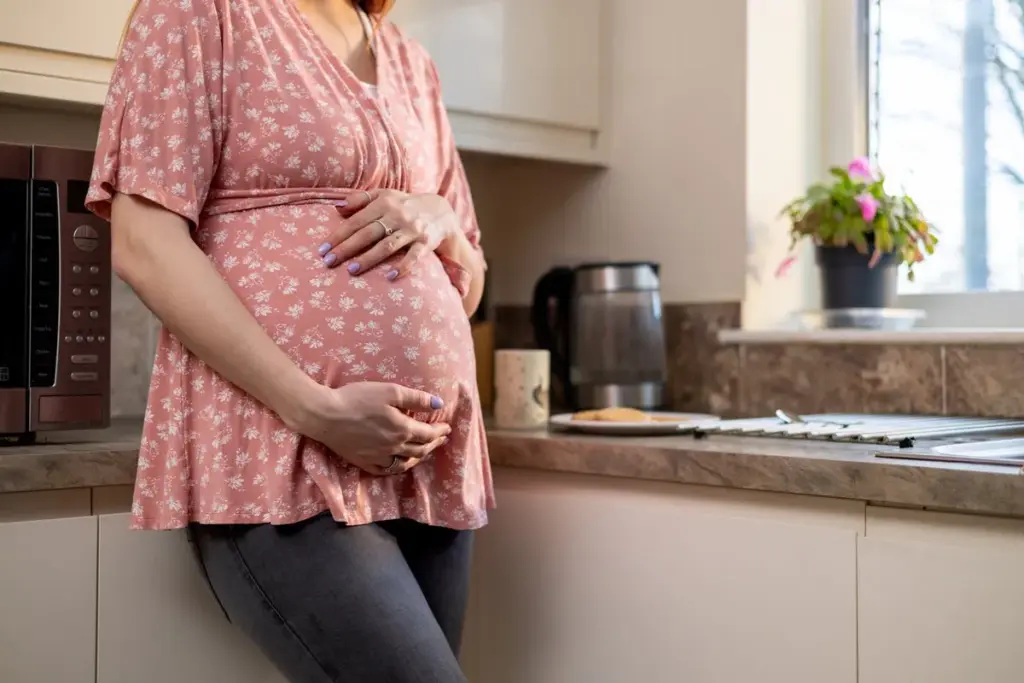
The path to fertilization is complex. It involves many physiological events after intercourse. Factors like timing, sperm health, and egg viability play a big role.
“Conception is a highly complex and coordinated process,” and understanding its stages is key. We’ll look at how fast sperm reaches the egg and when conception happens.
How Fast Sperm Reaches the Egg
Sperm can swim fast after intercourse, reaching the egg in 30 minutes for some. On average, it takes two to 10 minutes to get from the cervix to the fallopian tubes. Sperm can live up to five days inside the female body, which is important for conception.
The health and motility of sperm greatly affect how fast they reach the egg. The quality of sperm and timing of intercourse with ovulation also matter a lot for fertilization chances.
Understanding Your Fertile Window
The fertile window is when conception is most likely. It’s the six days before ovulation and the day of ovulation. This is key because sperm can live up to five days, while the egg is viable for 12 to 24 hours after ovulation.
Knowing your fertile window is key for timing sex to get or avoid pregnancy. By tracking ovulation and knowing sperm and egg lifespans, couples can plan better.
When Does Conception Actually Occur
Conception happens when a sperm meets an egg in the fallopian tube. This usually occurs in the fertile window. The zygote then starts its journey to the uterus, where it will grow into an embryo.
The timing of conception varies based on several factors. These include when you have sex and the health of sperm and egg. Understanding these factors helps couples navigate their reproductive journey better.
How Long After Intercourse Can You Get Pregnant: The Complete Timeline

Pregnancy is a complex journey that takes about two to three weeks. It starts with fertilization and ends with confirming pregnancy.
The Embryo’s Journey to the Uterus
After fertilization, the fertilized egg, now a zygote, moves to the uterus. This journey takes around 3 to 4 days. During this time, the zygote’s cells divide quickly to become a blastocyst.
The blastocyst is key for the embryo’s development. It prepares for implantation in the uterine lining.
Implantation: When Pregnancy Officially Begins
Implantation happens when the fertilized egg attaches to the uterine lining. This marks the start of pregnancy. It usually occurs 6 to 12 days after conception.
During implantation, the embryo embeds in the uterine wall. This connection supports the fetus’s growth throughout pregnancy.
The Two to Three Week Timeline Explained
The whole process from fertilization to implantation takes about two to three weeks. This time can vary due to factors like ovulation timing and the embryo’s speed to the uterus.
Knowing this timeline helps those trying to conceive. It gives insights into the biological processes involved. This knowledge aids in planning and preparing for pregnancy.
When Can You Detect Pregnancy With a Test
You can detect pregnancy with a home test one day after a missed period. These tests look for human chorionic gonadotropin (hCG) in urine. hCG is produced by the placenta after implantation.
- Key factors influencing detection:
- The sensitivity of the pregnancy test
- The concentration of hCG in the urine
- The timing of implantation
Following the test instructions and considering your missed period timing is key for accurate results.
Conclusion
We’ve looked into the journey from sex to knowing you’re pregnant. This journey involves many biological steps. The chance of getting pregnant changes from person to person, mainly around ovulation time.
Couples in their 20s or early 30s have a 25-30% chance of getting pregnant each month. This chance goes down as you get older.
So, when can you know if you’re pregnant after sex? It depends on knowing your fertile window and the time it takes for conception. Yes, you can be pregnant two weeks after sex. This is because it takes about two weeks from sex to fertilization and implantation.
The timing of conception is influenced by several factors. These include how long sperm survive in the female body and when the embryo implants in the uterus.
Knowing how soon you can get pregnant after sex helps in making choices about your reproductive health. Whether you’re trying to get pregnant or avoid it, understanding the timeline is key.
FAQ
How Fast Sperm Reaches the Egg
While the journey seems long, sperm are remarkably efficient travelers. Research from institutions like Johns Hopkins Medicine suggests that sperm can reach the fallopian tubes in as little as 30 minutes after intercourse. The speed of the sperm does not dictate the moment of pregnancy, as the egg must also be present for fertilization to occur.
Understanding Your Fertile Window
We emphasize the importance of the fertile window, which typically spans six days—the five days leading up to ovulation and the day of ovulation itself. Because sperm can survive within the female reproductive tract for up to five days, intercourse occurring well before the egg is released can lead to a successful pregnancy.
When Does Conception Actually Occur
Conception, or fertilization, occurs when a single sperm penetrates the egg. This usually happens in the fallopian tube within 24 hours of ovulation. If you have intercourse on a Monday but do not ovulate until Thursday, conception will likely occur on Thursday, using the sperm that has been waiting in the reproductive tract.
Establishing a pregnancy involves much more than the initial meeting of sperm and egg. It is a multi-stage cellular journey that requires time and a supportive uterine environment.
The Embryo’s Journey to the Uterus
Once fertilization is complete, the resulting zygote begins a period of rapid cell division. Over the next three to four days, it transforms into a morula and then a blastocyst as it travels down the fallopian tube toward the uterus. We monitor these delicate stages closely in clinical settings to ensure the highest standards of reproductive health.
Implantation: When Pregnancy Officially Begins
Medical authorities, including The American College of Obstetricians and Gynecologists (ACOG), define the official start of pregnancy as implantation. This occurs when the blastocyst attaches itself to the nutrient-rich lining of the uterus, a process that typically happens 6 to 12 days after fertilization.
The Two to Three Week Timeline Explained
From the moment of intercourse to the time a pregnancy is biologically established and detectable, the two to three week timeline is standard. This period accounts for the life of the sperm, the timing of ovulation, the journey of the embryo, and the successful attachment to the uterine wall.
When Can You Detect Pregnancy With a Test
We recommend waiting until the first day of a missed period for the most accurate results. High-quality diagnostic tools, such as Clearblue or First Response digital tests, detect the hormone hCG (human chorionic gonadotropin), which only begins to rise after implantation is complete.
Can you get pregnant the day after sex?
A: Can you get pregnant the day after sex? Yes, it is biologically possible. If you have intercourse and ovulate shortly after, fertilization can occur within 24 hours. Please note that “getting pregnant” in a clinical sense involves implantation, which takes several more days to complete.
How long after sex does it take to be pregnant?
When considering how long after sex it takes to be pregnant, the window is usually between 6 and 14 days. This allows time for fertilization to happen and for the embryo to travel to the uterus for successful implantation.
How soon can you be pregnant after intercourse?
If you are wondering how soon can you be pregnant after intercourse, the earliest point is typically about a week. While fertilization happens quickly, the biological connection to the mother’s body via the uterine wall is what officially establishes the pregnancy.
Does conception mean the day you had intercourse?
No, does conception mean the day you had intercourse? Not necessarily. Conception is the moment the sperm meets the egg. Because sperm can live inside the body for up to five days, you may conceive several days after the actual act of intercourse occurred.
Can you be pregnant two weeks after sex?
A: Can you be pregnant two weeks after sex? Yes, by the two-week mark, implantation has usually occurred, and your body begins producing detectable levels of pregnancy hormones. This is often the time when we suggest taking a home pregnancy test.
How many days after sex you can get pregnant?
To determine how many days after sex you can get pregnant, we look at the survival of the sperm and the timing of ovulation. You can conceive up to five or six days after intercourse if your fertile window aligns with the lifespan of the sperm.
How fast after having sex can you get pregnant?
Regarding how fast after having sex can you get pregnant, while sperm can reach the egg in under an hour, the actual establishment of a pregnancy takes at least a week to ten days as the embryo must reach the uterus and implant.
After having sex how long to get pregnant?
For those asking after having sex how long to get pregnant, the process is a sequence of biological events. From fertilization to implantation, the process typically spans 6 to 12 days.
How soon after sex could you be pregnant?
To determine how soon after sex could you be pregnant, we monitor the implantation window. This is the earliest point (usually 6-7 days post-ovulation) that the developing embryo can successfully anchor itself to start a pregnancy.
Can you be pregnant after a week of intercourse?
A: Can you be pregnant after a week of intercourse? Yes, by the seventh day, it is possible for implantation to have begun, though it may be too early for a standard pregnancy test to show a positive result.
How long after having sex you can get pregnant?
When considering how long after having sex you can get pregnant, remember that the fertile window is the key. Pregnancy occurs only when sperm meets a viable egg, which must happen within 12-24 hours of the egg being released.
When do you get pregnant after intercourse?
You are effectively pregnant after intercourse once the embryo implants. While fertilization is the catalyst, implantation in the uterine lining is the definitive biological marker that a pregnancy has been established.
References
World Health Organization. Evidence-Based Medical Insight. Retrieved from https://www.who.int/news-room/fact-sheets/detail/infertility



 Departments
 Related Videos
 Our Doctors
 News
News