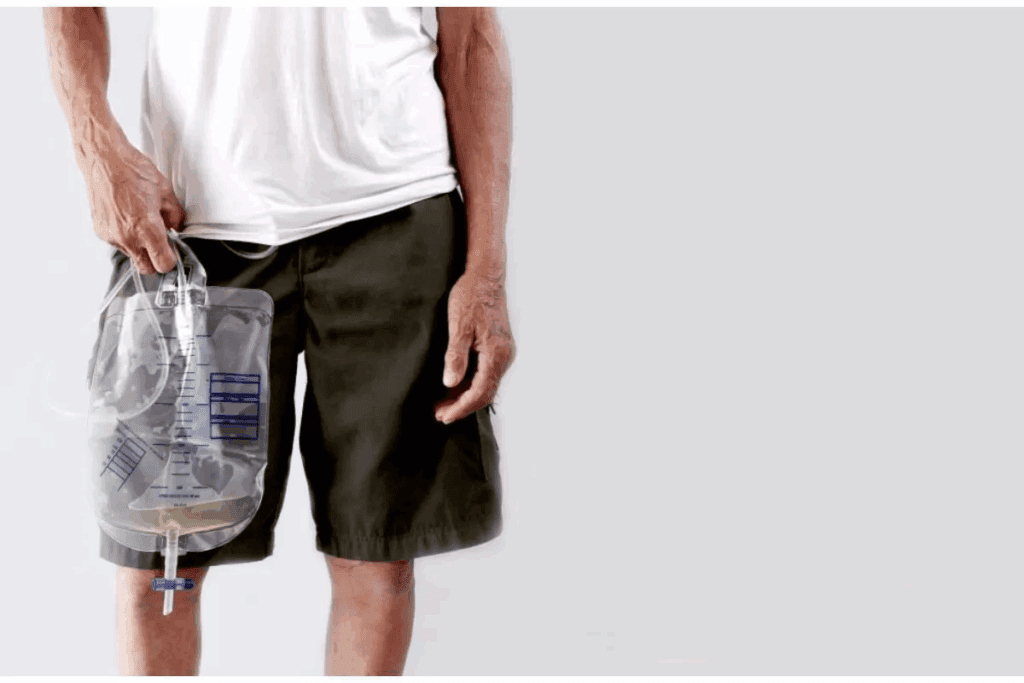
Getting a diagnosis that means you need a biliary drainage bag can be scary. It makes you wonder about your future and daily life. A percutaneous biliary drainage (PBD) can help with severe jaundice and other symptoms from a blocked bile duct. But, how long you can live depends on many things like your disease, health, and access to good medical care.Learn how long can I live with a biliary drainage bag and what affects survival and comfort.
How long you might live after PBD can vary a lot. It can be from a few weeks to months. For those with cancer in the bile duct, studies show they might live between 46 and 185 days. Knowing what affects your survival is key to managing your condition well.
Key Takeaways
- Median survival after PBD ranges from several weeks to months.
- Patients with malignant biliary obstruction have a median survival between 46 and 185 days.
- Underlying disease, overall health, and post-procedure care influence survival.
- Advanced medical care is key to knowing how long you might live.
- Managing your biliary drainage bag well is important for a good quality of life.
Understanding Biliary Drainage: Purpose and Procedure
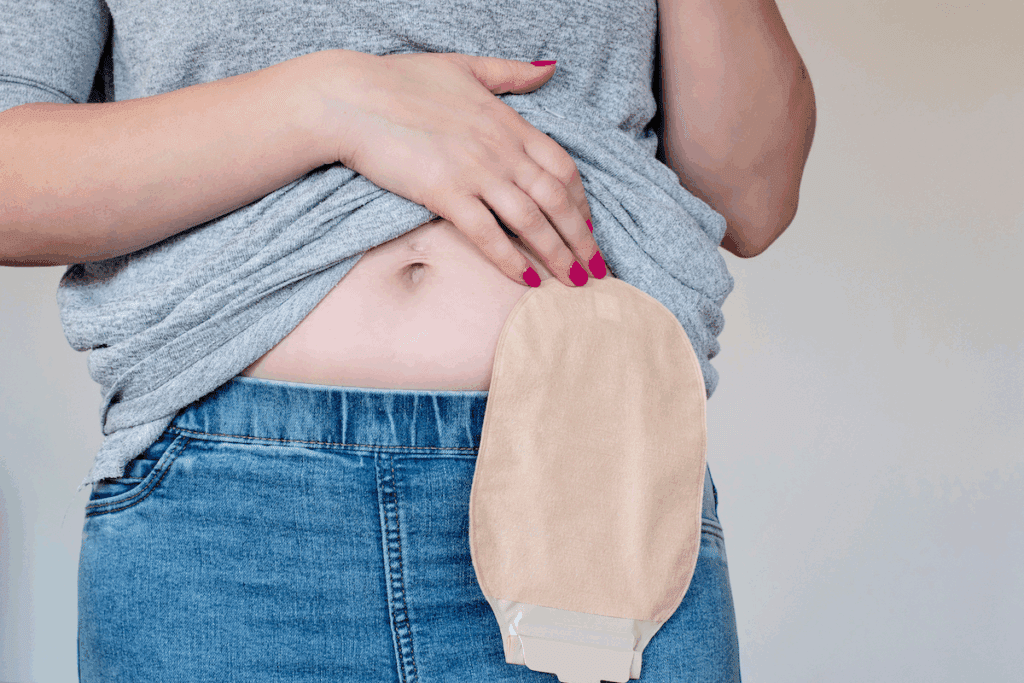
It’s important for patients and caregivers to understand biliary drainage. This process helps manage bile duct obstructions. It ensures bile flows properly, aiding digestion and waste removal. Let’s dive into the purpose and procedures of biliary drainage.
What Is a Biliary Drainage Bag?
A biliary drainage bag collects bile from the liver or bile ducts. This is often needed when obstructions, like tumors or stones, block the flow. The bag is key to managing the condition effectively.
Common Reasons for Biliary Drainage
There are several reasons for needing biliary drainage. Some common ones include:
- Malignant biliary obstruction, where cancer blocks the bile duct.
- Primary sclerosing cholangitis, a condition that leads to scarring and narrowing of the bile ducts.
- Bile duct stones or sludge that obstruct the flow of bile.
Types of Biliary Drainage Procedures
There are different biliary drainage procedures, depending on the patient’s condition. The most common ones are:
- Percutaneous Biliary Drainage: This involves placing a drain through the skin into the bile ducts to facilitate bile drainage.
- Endoscopic Retrograde Cholangiopancreatography (ERCP) with Stenting: This procedure involves placing a stent to keep the bile duct open, ensuring the free flow of bile.
How Long Can I Live With a Biliary Drainage Bag?

Patients with a biliary drainage bag often wonder how long they can survive with a blocked bile duct. The answer depends on several factors. These include the cause of the biliary obstruction and the patient’s overall health.
For patients with malignant biliary obstruction, the outlook is generally poor. Median survival rates range from 46 to 185 days after the biliary drain is placed. The time a biliary drain stays in can vary a lot depending on individual circumstances.
Understanding what affects survival is key. This includes liver metastases or ascites. We offer full support and guidance to help patients manage their condition. This improves their quality of life with a bile drain or bilary drain in place.
Effective management of a billiary drain or billary drain requires careful monitoring and follow-up care. By understanding the role of a drain bile system, patients can better cope with their condition. They can make informed decisions about their treatment.
FAQ
What is a biliary drainage bag used for?
A biliary drainage bag collects bile from the liver or bile ducts. This is often needed when there’s an obstruction. This can be due to tumors, stones, or other issues.
How long can I live with a biliary drainage bag?
The time you can live with a biliary drainage bag varies. It can be from weeks to months. This depends on the cause of the blockage, your health, and how well the procedure works.
What is the median survival rate for patients with malignant biliary obstruction?
Patients with malignant biliary obstruction have a median survival rate of 46 to 185 days. But, each person’s outcome can be different.
What factors influence survival with a biliary drainage bag?
Several factors affect survival. These include the disease type, your overall health, liver metastases, ascites, and age.
What are the different types of biliary drainage procedures?
There are various biliary drainage procedures. One is percutaneous biliary drainage, where a drain is inserted through the skin. Another is ERCP with stenting, where a stent keeps the bile duct open.
How does the underlying cause of biliary obstruction affect survival?
The cause of biliary obstruction, like cancer or primary sclerosing cholangitis, greatly affects survival. It plays a big role in determining how long you can live.
Can I manage my condition effectively with a biliary drainage bag?
Yes, with proper care and management, you can manage your condition well. This can improve your quality of life.
What is percutaneous biliary drainage (PBD)?
Percutaneous biliary drainage is a procedure. It involves placing a drain through the skin into the bile ducts. This relieves obstruction and collects bile.
How long does a biliary drain stay in?
The time a biliary drain stays in varies. It depends on the individual case and the condition being treated.
References
- Tuqan, W., Rajiah, P., & Merton, D. (2017). Prediction of Survival Following Percutaneous Biliary Drainage for Malignant Obstruction: A Retrospective Study. Journal of Clinical and Diagnostic Research, 11(6), PC01-PC05. https://pmc.ncbi.nlm.nih.gov/articles/PMC5506413/