Last Updated on November 17, 2025 by Ugurkan Demir
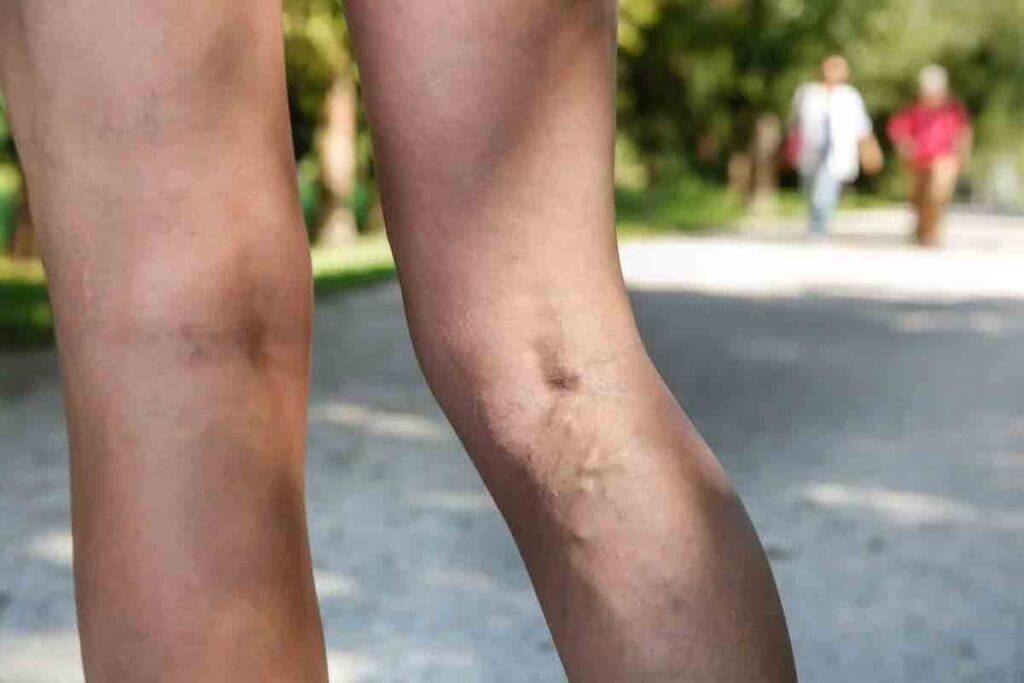
How long can you have DVT without knowing is a common and important question. Deep Vein Thrombosis (DVT) can sometimes develop silently, without any clear warning signs. At LivHospital, we understand how vital it is to recognize potential risks early. Studies show that up to half of DVT cases occur without noticeable symptoms, making early detection difficult.
DVT might not show symptoms at all, or they may be very mild. That’s why it’s essential to know the risk factors and subtle warning signs. Some people may experience pain, swelling, or a dull ache in the affected limb, while others might not notice anything unusual.
Understanding how long you can have DVT without knowing helps raise awareness about this potentially serious condition. At LivHospital, we focus on keeping patients informed, proactive, and safe through regular monitoring and education.
Key Takeaways
- Deep Vein Thrombosis can develop without obvious symptoms.
- Up to half of DVT cases present with minimal or no symptoms.
- Understanding risk factors and symptoms is key for early detection.
- DVT can be asymptomatic or show mild symptoms.
- Spotting warning signs is vital to keep you healthy.
Understanding Deep Vein Thrombosis (DVT)
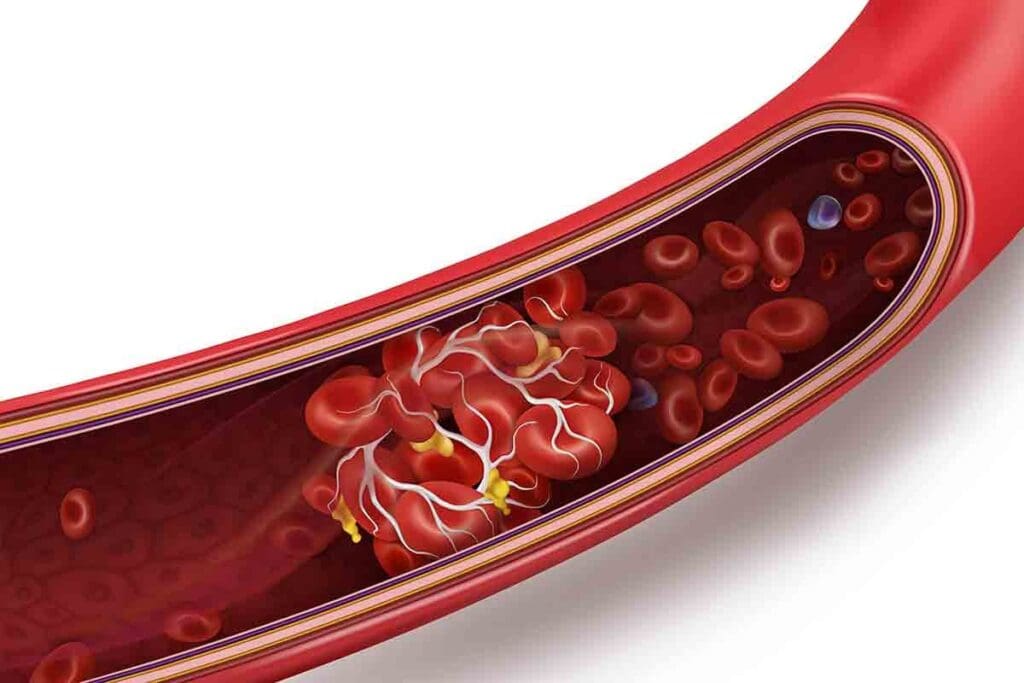
It’s key to know about Deep Vein Thrombosis (DVT) to spot its risks and signs. DVT can start without clear warning signs. We’ll look into what DVT is, how it forms, and where it usually happens. We’ll also talk about how it often goes unnoticed.
What is DVT and How Does it Form?
DVT is a serious condition where a blood clot forms in a deep vein, often in the legs. This clot can block blood flow. It can happen due to staying in one place for too long, vein injury, or blood clotting issues.
The clotting process starts with blood clotting factors being activated by injury or lack of movement. This leads to a buildup of clotting factors and a thrombus. Key factors that contribute to DVT formation include:
- Prolonged immobility or bed rest
- Major surgery or trauma
- Cancer and its treatment
- Genetic predispositions to clotting
Common Locations for Blood Clots
DVT often happens in the deep veins of the lower legs. This includes:
- Femoral vein in the thigh
- Popliteal vein behind the knee
- Tibial veins in the calf
These areas are more prone because of the high pressure and slow blood flow compared to other veins.
The Silent Nature of DVT
DVT can be tricky because it might not show symptoms or show them very mildly. Common signs include swelling, redness, warmth, and pain or tenderness in the calf or thigh. But some people might not notice anything until it’s too late, like a pulmonary embolism.
This silent nature of DVT makes it critical to be aware of the risks. This way, we can catch it early and treat it.

How Long Can You Have DVT Without Knowing?
It’s important to know how long you can have DVT without symptoms. Deep Vein Thrombosis can start without you feeling anything. This makes it hard to know you have it.
The Asymptomatic Timeline of DVT
DVT starts when blood clots in deep veins. This happens when blood flow slows or changes. Some people might have DVT for days or weeks without noticing.
How long you can have DVT without symptoms varies. It depends on where the clot is and your overall health.
Research on Silent DVT Cases
Many DVT cases are silent or have mild symptoms. Studies show the need for awareness and prevention, mainly in high-risk groups.
A study on post-operative patients found many had DVT without symptoms. This shows the importance of watching closely and treating early.
Factors Affecting Symptom Onset
Several things can affect when DVT symptoms show up. These include the clot’s size and location, how active you are, and your health. Knowing these can help assess risk and slow DVT.
While some might stay symptom-free for a long time, others will notice signs of DVT. Spotting these symptoms early is key for quick medical help.
Primary Warning Signs of DVT
It’s important to know the signs of Deep Vein Thrombosis (DVT) early. DVT symptoms can differ, but there are common signs to watch for. These signs help you get medical help quickly.
Swelling in the Affected Limb
Swelling in the leg is a common DVT symptom. This happens because blood flow is blocked by a clot. A Doctor says swelling is a key sign of DVT, often with other symptoms.
The swelling can be big and make it hard to move. If you notice unusual swelling, it’s important to check for other symptoms too.
Redness and Warmth
The area might look red and feel warm. This is because of inflammation from the clot. Redness and warmth show the body’s reaction to the clot. These signs should not be ignored.
A study in the
“Journal of Vascular Surgery,”
Pain and Tenderness
Pain or tenderness in the leg is another warning sign. The pain can feel like a dull ache or be very sharp, worse when standing or walking. Remember, the pain can get worse with touch or pressure.
According to
“The American Heart Association,”
pain or tenderness when moving is a big DVT symptom.
Knowing these signs can help you get medical help early. This can prevent serious problems.
Secondary and Less Common DVT Symptoms
DVT can show up in different ways, including some symptoms you might not know about. While we often hear about swelling, redness, and pain, there are other signs too. These signs can tell us if DVT is present.
DVT Skin Changes
Some people see skin changes in the affected limb, like discoloration, dryness, or thickening. These happen because of blocked blood flow and vein pressure changes. DVT skin changes are a big clue to the condition.
Visible Surface Veins
Another sign is visible surface veins. When the body tries to make up for a blocked vein, more veins show up on the surface. This is a subtle sign that something’s off.
Leg Fatigue and Heaviness
People with DVT might feel leg fatigue and heaviness. This is because of less blood flow and more pressure in the limb. It’s important to tell this apart from regular tiredness or muscle strain.
Spotting these secondary symptoms can help catch DVT early and get the right treatment. If you notice any of these signs, seeing a healthcare professional is key.
- Watch for skin changes, like discoloration or thickening.
- Notice any visible surface veins that weren’t there before.
- Be on the lookout for unusual leg fatigue or heaviness.
By keeping an eye out for these less common symptoms, we can catch DVT sooner. This way, we can get the care we need faster.
Risk Factors That Increase Your Chances of DVT
Several medical conditions, lifestyle choices, and temporary situations can raise your risk of DVT. Knowing these factors is key to preventing DVT.
Medical Conditions Associated with DVT
Some medical conditions can greatly increase your risk of DVT. For example, factor V Leiden and other clotting disorders affect blood clotting. Chronic illnesses like heart disease and diabetes can also raise the risk by affecting blood flow.
Cancer, which causes inflammation, is another condition that raises DVT risk. It’s important to manage these conditions well to lower your DVT risk.
Lifestyle Factors
Lifestyle choices can also impact your risk of DVT. For instance, prolonged immobility can slow blood flow and increase clotting risk. This can happen from long-distance travel, bed rest, or a sedentary lifestyle.
Being overweight and smoking are also risk factors. Obesity can put pressure on leg veins, while smoking damages blood vessel linings, making them more prone to clotting.
Temporary Risk Situations
Temporary situations can also increase your risk of DVT. Surgery and hospitalization are high-risk due to prolonged immobility. Trauma or injury to a limb can also raise the risk by damaging veins and causing blood clots.
Pregnancy is another temporary condition that raises DVT risk. It’s due to increased blood volume and pressure on leg veins. We should be extra careful during these times and follow medical advice to reduce risks.
By understanding and addressing these risk factors, we can significantly lower our risk of DVT. This helps ensure our vascular health.
Potential Complications of Undetected DVT
DVT is not just a clot issue. It can cause serious problems if not treated. These problems can be life-threatening if ignored.
Pulmonary Embolism: A Life-Threatening Complication
A serious issue with DVT is when a clot breaks off and goes to the lungs. This is called pulmonary embolism (PE). It’s very dangerous and needs quick medical help.
Symptoms of pulmonary embolism include sudden breath trouble, chest pain, and coughing up blood. These symptoms are urgent and need fast care.
Post-Thrombotic Syndrome
Post-thrombotic syndrome (PTS) is another big problem from DVT. It causes long-term pain, swelling, and skin color changes in the affected limb. It can really lower your quality of life and needs ongoing care.
| Complication | Symptoms | Impact |
| Pulmonary Embolism | Sudden shortness of breath, chest pain, coughing up blood | Life-threatening, requires immediate medical attention |
| Post-Thrombotic Syndrome | Chronic pain, swelling, skin discoloration | Significant impact on quality of life, requires ongoing management |
Can a DVT Be Slowed Down Without Treatment?
Some lifestyle changes and preventive steps can help. But, medical treatment is key to stop complications. Doctors usually give anticoagulant meds to stop the clot from getting bigger and to lower the risk of pulmonary embolism.
Without treatment, DVT can lead to severe and dangerous conditions. So, it’s very important to get medical help if symptoms don’t get better or get worse.
Diagnosing DVT: When to See a Doctor
If you’re feeling symptoms that might be DVT, knowing when to see a doctor is key. Spotting DVT symptoms early is vital for quick medical help. This can greatly improve your health.
Self-Assessment: How to Know if You Have DVT
Start by checking yourself for DVT signs. Look for swelling, redness, or warmth in one leg. These could mean a blood clot is forming. Also, pain or tenderness in the leg, worse when standing or walking, might be a sign.
Here’s a checklist to help you assess:
- Is there swelling in one leg that is not present in the other?
- Is the affected leg red or discolored?
- Does the leg feel warm to the touch?
- Is there pain or tenderness in the leg, worse when standing or walking?
Diagnostic Tests for DVT
Diagnosing DVT starts with a D-dimer blood test. Then, a Doppler venous ultrasound is done. These tests find out if there’s a blood clot and where it is.
| Diagnostic Test | Description | Purpose |
| D-dimer Blood Test | A blood test that measures the levels of D-dimer, a protein fragment produced when a blood clot dissolves. | To help determine if a blood clot is present. |
| Doppler Venous Ultrasound | An imaging test that uses sound waves to visualize the blood flow and detect clots in the veins. | To confirm the presence and location of a blood clot. |
Differentiating DVT from Other Conditions
DVT symptoms can look like other issues, like muscle strain or cellulitis. Getting a correct diagnosis from a doctor is important to tell DVT apart from these conditions.
Be aware of these conditions that might have similar symptoms:
- Muscle strain or injury
- Cellulitis, a bacterial skin infection
- Varicose veins
Treatment Options for DVT
DVT treatment focuses on stopping more clots and reducing risks. It involves a mix of methods to tackle the clot and prevent future ones.
Anticoagulant Medications
Anticoagulants, or blood thinners, are key in treating DVT. They stop new clots and prevent existing ones from growing. Anticoagulants do not dissolve clots, but they help prevent more from forming. Common ones include warfarin, rivaroxaban, apixaban, and dabigatran.
Thrombolytic Therapy
Thrombolytic therapy is for severe DVT cases. It uses drugs to dissolve the clot, improving blood flow. But, it’s risky and used only when necessary.
Surgical Interventions
Surgery might be needed for DVT in some cases. Procedures like thrombectomy remove the clot. Surgery is considered when risks are high or other treatments fail.
Recovery and Follow-up Care
Recovering from DVT means more than just treatment. It includes wearing compression stockings and regular check-ups. Lifestyle changes, like exercise and a healthy weight, also help.
Knowing the treatment options helps patients and doctors create a good plan. This plan tackles DVT in a complete way.
Conclusion: The Importance of Early Detection and Treatment
Early detection and treatment of Deep Vein Thrombosis (DVT) are key to avoiding serious problems. Quick action is vital to handle DVT well and stop life-threatening issues like pulmonary embolism. We stress the need for being aware and getting medical help fast when dealing with DVT.
Treatment for DVT usually includes medicines, clot-busting drugs, or surgery, followed by care and check-ups. It’s also important to prevent DVT by managing risks, living a healthy lifestyle, and knowing the warning signs.
Knowing the risks and signs of DVT helps people get medical help quickly, lowering the chance of serious issues. We urge everyone, but those at higher risk, to watch their health closely and seek help if they notice any DVT symptoms.
FAQ
How long can you have DVT without knowing?
You can have DVT for weeks or months without symptoms. Some people don’t notice anything wrong.
Does DVT hurt to touch?
Yes, DVT can make the affected limb hurt or feel tender. The pain can vary from person to person.
Can a DVT be slowed down without treatment?
No, DVT needs medical treatment to prevent serious problems. Without it, the clot can grow and cause more harm.
What are the primary warning signs of DVT?
Look out for swelling, redness, warmth, and pain in the affected limb. These signs can be different for everyone.
Are there any secondary or less common symptoms of DVT?
Yes, you might also see skin changes, visible veins, or feel leg fatigue. These signs can hint at DVT.
How do I know if I have DVT?
If your leg swells, hurts, or looks red, see a doctor. They can do tests like an ultrasound to check for DVT.
What are the risk factors that increase my chances of developing DVT?
Certain conditions, lifestyle choices, and situations like surgery or immobility can raise your risk. These factors can increase your chance of getting DVT.
Can DVT cause skin changes?
Yes, DVT can lead to skin changes like discoloration or redness. These signs can indicate a serious issue.
Is DVT painful?
Yes, DVT can be painful, often when the affected limb is touched or moved. But some people might not feel any pain.
How is DVT diagnosed?
Doctors use tests like ultrasound or venogram to find DVT. These tests show if there’s a blood clot and where it is.
What are the treatment options for DVT?
Treatments include medicines, thrombolytic therapy, and surgery. The goal is to stop the clot from getting bigger and prevent serious problems.
Can a blood clot hurt to touch?
Yes, a blood clot from DVT can hurt when touched, more so if it’s near the skin’s surface.
How can I differentiate DVT from other conditions?
Doctors use physical exams, medical history, and tests to tell DVT apart from other conditions. They can figure out what’s causing your symptoms.
What is the importance of early detection and treatment of DVT?
Finding and treating DVT early is key to avoiding serious issues like pulmonary embolism or post-thrombotic syndrome. Quick medical care can lower the risk of these problems.
Reference
- Hirmerova, J., et al. (2018). The Prevalence of Concomitant Deep Vein Thrombosis in Patients with Symptomatic Pulmonary Embolism. PMC.
Researchers revealed that around 57% of DVT cases may be asymptomatic, emphasizing the challenges in clinical diagnosis and importance of imaging for detection.