

Getting a diagnosis of three blocked arteries can be scary. But knowing how it might affect your life can help you and your family plan for the future. Severe atherosclerosis can really cut down on how long you might live. But, how much it affects you depends on a few things.Find out life expectancy how long can you live with 3 blocked arteries and how to improve your condition.
Coronary artery disease (CAD) can make your life shorter by about 10 years. Without treatment, you might live about 80 percent of the next 5 years. And about 64 percent of the next 10 years. At Liv Hospital, we offer top-notch care to help you manage your condition and live better.
Key Takeaways
- Life expectancy with three blocked arteries depends on the severity of the blockages and overall patient health.
- Severe atherosclerosis can shorten life expectancy by approximately 10 years.
- The 5-year survival rate without treatment can be around 80 percent.
- The 10-year survival rate without treatment can be around 64 percent.
- Advanced, patient-centered care can help improve the quality of life for patients with severe atherosclerosis.
Understanding Triple-Vessel Disease and Atherosclerosis
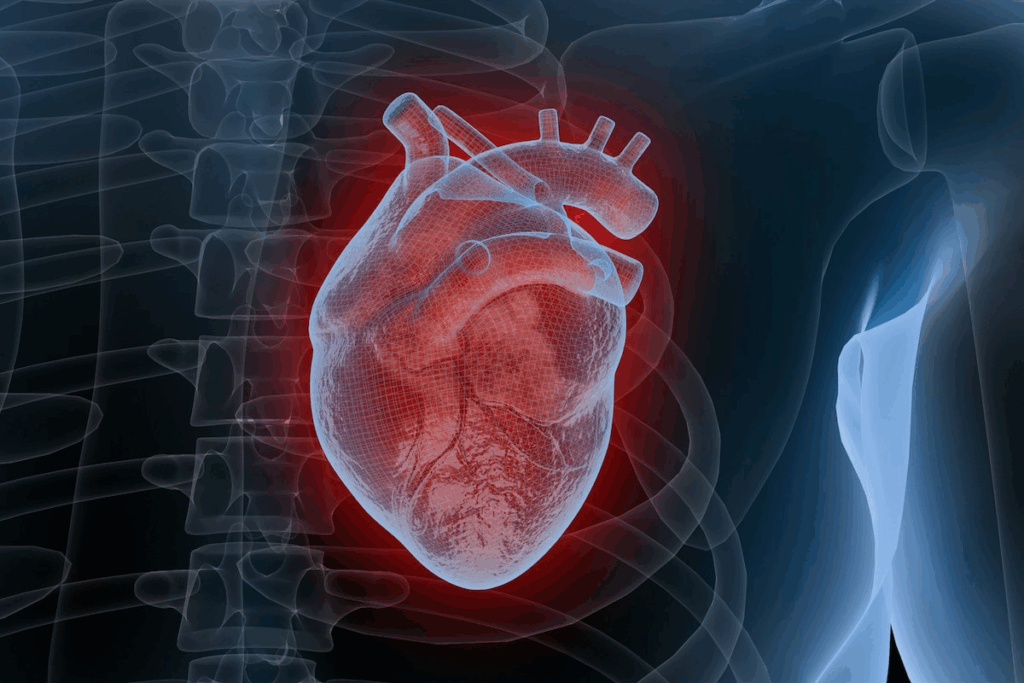
Triple-vessel coronary artery disease is when three main heart arteries are blocked. This reduces blood flow to the heart. It happens because of atherosclerosis, where plaque builds up in arteries, making them narrow and hard.
To understand triple-vessel disease, knowing what it is and how atherosclerosis works is key. We’ll look into the details of triple-vessel coronary artery disease. We’ll also see what causes it to develop.
What Defines Triple-Vessel Coronary Artery Disease
Triple-vessel coronary artery disease means big blockages in three main heart arteries. It’s diagnosed when the left anterior descending, left circumflex, and right coronary arteries are severely narrowed or blocked. These blockages are from plaque, a mix of fat, cholesterol, and other stuff.
The Progression of Atherosclerosis
Atherosclerosis starts early in life and gets worse over time. It’s when plaque builds up in artery walls, causing inflammation and damage. This makes arteries narrow and hard, cutting down blood flow to the heart and other important organs.
Many things can make atherosclerosis worse, like high cholesterol, smoking, diabetes, and high blood pressure. It’s important to manage these risk factors. Doing so can slow down atherosclerosis and lower the chance of getting triple-vessel disease.
How Long Can You Live With 3 Blocked Arteries: Survival Statistics

Knowing how long you can live with three blocked arteries is key. It helps set expectations and plan treatments. When you have triple-vessel disease, many things affect how long you might live.
5-Year Survival Rates Without Treatment
Research shows that without treatment, people with three blocked arteries might live about 80 percent of the next five years. This shows how critical getting medical help quickly is.
A study in a well-known medical journal found that
“The 5-year survival rate for patients with untreated triple-vessel disease is significantly lower compared to those who receive appropriate treatment.”
This study stresses the importance of catching and treating the disease early to boost survival chances.
10-Year Survival Rates and Mortality Factors
Without treatment, people with three blocked arteries might live about 64 percent of the next ten years. Several things can affect how long you live, like how bad the blockages are, your overall health, and any other health issues you might have.
| Survival Period | Survival Rate Without Treatment | Mortality Factors |
| 5 Years | 80% | Severity of blockages, overall health |
| 10 Years | 64% | Presence of comorbidities, lifestyle factors |
The table shows that survival rates go down over time. Many factors play a role in how long you might live. It’s vital to manage these factors with the right medical care and lifestyle changes.
When looking at the future for people with three blocked arteries, these statistics are important. By knowing what affects survival, doctors can make better treatment plans.
Factors That Influence Life Expectancy with Blocked Arteries
Several important factors affect life expectancy in people with blocked arteries. These include the severity and location of the blockages. Knowing these factors is key to managing the condition well and improving survival chances.
Severity of Blockages
The severity of blockages is a big deal when it comes to life expectancy. Severe blockages cut down blood flow to the heart, raising the risk of heart attacks and other heart problems. Studies show that people with severe blockages have lower survival rates than those with less severe ones.
For example, a blockage of 90% or more in a major artery greatly increases the risk of bad outcomes. The table below shows how blockage severity affects survival rates.
| Blockage Severity | 5-Year Survival Rate | 10-Year Survival Rate |
| Less than 50% | 85% | 70% |
| 50-69% | 75% | 60% |
| 70-89% | 65% | 50% |
| 90% or more | 50% | 35% |
Location of Blockages
The location of blockages also plays a big role in life expectancy. Blockages in critical arteries, like the left main coronary artery, are riskier than those in less critical areas. The closer the blockage is to the heart, the higher the risk.
Blockages near the heart are more dangerous because they affect more of the heart muscle. For instance, a blockage in the left anterior descending artery’s proximal segment can have serious effects.
Overall Health and Comorbidities
A person’s overall health and comorbidities greatly impact life expectancy with blocked arteries. Conditions like diabetes, high blood pressure, and high cholesterol can make the condition worse, shortening life expectancy.
Lifestyle factors like smoking, not being active, and eating too much saturated fat also harm cardiovascular health. Managing these conditions and living a healthier lifestyle can help improve survival rates.
By understanding and tackling these factors, healthcare providers can create better treatment plans. This can help improve life expectancy and quality of life for those with blocked arteries.
Life-Threatening Complications of Triple-Vessel Disease
Triple-vessel disease is a serious heart condition. It happens when three main arteries are blocked. This reduces blood flow to the heart, leading to severe complications.
Heart Attack Risk and Lifespan Reduction
One major risk is heart attack. With three arteries blocked, the heart doesn’t get enough oxygen and nutrients. This increases the chance of a heart attack.
Studies show a heart attack can cut a person’s life by 10 to 15 years. It’s a serious issue that needs quick medical help.
Stroke Risk and Long-Term Consequences
Triple-vessel disease also raises the risk of stroke. The same blockages that harm heart arteries can also affect brain arteries. This can cause a stroke, leading to long-term disability.
Stroke survivors often need a lot of rehabilitation. They may face lasting brain and body problems. This highlights the need to manage triple-vessel disease early to avoid stroke.
Heart Failure Development and Prognosis
Triple-vessel disease also increases heart failure risk. When arteries block, the heart can’t pump blood well. This can lead to heart failure, where the heart can’t meet the body’s needs.
Heart failure is a serious condition. It affects both life expectancy and quality of life. But, with the right treatment, patients can see improvements.
Comparing Life Expectancy: 2 vs. 3 Blocked Arteries
Looking at life expectancy between those with two and three blocked arteries shows big differences. The more arteries blocked, the higher the risk of heart problems. This makes knowing how many arteries are blocked very important.
Survival Differences Between Double and Triple-Vessel Disease
People with three blocked arteries face a tougher road than those with two. Having a third blockage makes treatment harder and raises the chance of heart attacks and strokes. Research shows that those with three blocked arteries are more likely to die than those with two.
“The impact of many blockages on heart health is huge,” a top cardiologist notes. “It’s not just the number of blockages. It’s how they affect blood flow and heart function.”
Cumulative Risk Assessment
Cumulative risk assessment looks at the total effect of blockages on the heart. This method helps doctors understand a patient’s risk better and plan the right treatment. They consider how severe and where the blockages are, plus the patient’s overall health.
- The number of blocked arteries is a big factor in how long someone might live.
- Those with three blocked arteries face a greater risk of heart issues.
- Assessing total risk is key to finding the best treatment.
Understanding the life expectancy gap between two and three blocked arteries helps doctors tailor treatments. This knowledge also helps patients make better choices about their health.
Severe Blockages: Living with 90% Artery Occlusion
A 90% artery occlusion is a serious blockage that can be deadly if not treated. It needs careful medical care and lifestyle changes to lower risks. This is for those with severe artery occlusion.
Immediate Health Risks
Living with a 90% artery occlusion is risky. It can lead to heart attacks or strokes, which are very dangerous. The heart or brain might not get enough blood, causing damage or even death.
Heart attack risk is high because the blockage stops oxygen-rich blood from reaching the heart. This can damage or kill heart tissue. The risk of stroke is also high because blood clots can block blood flow to the brain.
Long-Term Survival Prospects
Survival chances with a 90% artery occlusion depend on health, other medical conditions, and treatment. Some people can live long with the right care. Others might have a shorter life span because of their condition.
It’s important for patients to work with their doctors. They need a treatment plan that includes medical management, lifestyle changes, and surgery if needed. This can help improve survival chances.
Warning Signs of Critical Blockage
Knowing the signs of critical blockage is key for quick medical help. Symptoms include chest pain or discomfort (angina), shortness of breath, fatigue, and leg or arm pain. Spotting these signs early can prevent serious problems.
- Chest pain or discomfort
- Shortness of breath
- Fatigue
- Pain or weakness in the legs or arms
Patients should learn these signs and get medical help right away if they happen.
Coronary Artery Calcification and Life Expectancy
Coronary artery calcification is a sign of atherosclerosis. It greatly affects life expectancy. The severity of calcification impacts heart health and survival chances.
Severe Coronary Calcification Prognosis
Severe calcification raises the risk of heart attacks and strokes. Research shows those with high scores face worse outcomes. Their prognosis is less hopeful than those with lower scores.
A study in the Journal of the American College of Cardiology found scores over 400 increase mortality risk. Managing severe calcification is critical to reduce these risks.
“The coronary artery calcium score is a powerful predictor of cardiovascular risk, and its use can help identify individuals who would benefit from more aggressive preventive measures.”
JACC study
| Coronary Artery Calcification Score | Cardiovascular Risk Level | Recommended Action |
| 0 | Low | Standard preventive measures |
| 1-100 | Mild | Monitor and manage risk factors |
| 101-400 | Moderate | Aggressive risk factor management |
| >400 | High | Intensive management and possible intervention |
Can You Live a Long Life with Coronary Artery Calcification?
Coronary artery calcification increases cardiovascular risk but doesn’t mean a short life. Many manage it well and live long with the right care and lifestyle.
Outcome depends on calcification severity, overall health, and other conditions. Healthy lifestyle choices and medical treatments can improve prognosis.
People with calcification should team up with their doctors for a tailored plan. This way, many can enjoy long, healthy lives despite the condition.
Regional Atherosclerosis and Survival Rates
It’s important to know about regional atherosclerosis to guess how long someone might live. Atherosclerosis isn’t just in the heart; it can also affect other parts of the body. This leads to different diseases.
Regional atherosclerosis means arteries get narrow or blocked in certain areas. This can be in the brain, legs, or neck. How long someone might live depends a lot on where and how bad the disease is.
Cerebral Atherosclerosis Life Expectancy
Cerebral atherosclerosis happens when arteries to the brain get narrow. This can cause strokes or TIAs, which can shorten life.
Research shows people with this condition are more likely to die from stroke or heart problems. How much life is shortened depends on how bad it is and if they have other health issues.
Peripheral Artery Disease in Legs
Peripheral artery disease (PAD) in the legs means arteries to the lower legs get narrow or blocked. This can cause pain when walking or even gangrene in bad cases.
Having PAD means a higher risk of heart attack or stroke. Studies show people with PAD live shorter lives than those without it. The difference can be 5 to 10 years.
Carotid Artery Disease Prognosis
Carotid artery disease is when the carotid arteries, which go to the brain, get narrow or blocked. This is a big risk for stroke. How likely a stroke is depends on how narrow the artery is and if symptoms are present.
People with very narrow carotid arteries are at a higher risk of stroke. This can greatly shorten life. The outcome depends on how well treatments work.
| Condition | 5-Year Survival Rate | 10-Year Survival Rate |
| Cerebral Atherosclerosis | 60-70% | 40-50% |
| Peripheral Artery Disease | 70-80% | 50-60% |
| Carotid Artery Disease | 80-90% | 60-70% |
Regional atherosclerosis in the brain, legs, or neck greatly affects how long someone might live. Knowing the exact condition and its severity is key. It helps predict life expectancy and find the best treatment.
Treatment Options and Their Impact on Survival
Understanding the treatment options for three blocked arteries is key to improving survival rates. The right treatment can greatly affect the prognosis for those with severe atherosclerosis.
Medical Management Approaches
Medical management is often the first step for triple-vessel disease patients. It aims to manage symptoms, slow disease progression, and lower complication risks. Medications like beta-blockers, ACE inhibitors, and statins are vital in this strategy. They help control blood pressure and cholesterol, improving heart health.
“Optimal medical therapy is the cornerstone of treatment for many patients with coronary artery disease,” as recent guidelines emphasize. This approach not only enhances quality of life but also improves survival chances.
Coronary Bypass Surgery Outcomes
Coronary artery bypass grafting (CABG) is a surgery that improves survival for complex coronary artery disease, including triple-vessel disease. The surgery bypasses blocked arteries with grafts, restoring blood flow to the heart muscle. Studies show CABG can significantly lower mortality rates in this group.
A leading cardiology journal published a study showing CABG improves long-term survival over medical therapy alone for three-vessel disease. CABG benefits are most significant for those with significant left main coronary artery disease or diabetes.
Angioplasty and Stenting Results
Angioplasty with stenting is a revascularization strategy for blocked coronary arteries. It involves inflating a balloon to open the artery and placing a stent to keep it open. While effective for many, outcomes depend on disease complexity and comorbid conditions.
Advances in stent technology, like drug-eluting stents, have improved angioplasty outcomes. The choice between CABG and angioplasty with stenting depends on patient health, disease extent, and personal preferences. A heart team approach is often used to decide the best revascularization strategy.
In conclusion, the treatment options for blocked arteries are diverse, and the chosen treatment significantly impacts survival. By understanding the benefits and risks of medical management, CABG, and angioplasty with stenting, patients and healthcare providers can make informed decisions to improve outcomes.
The Role of Collateral Arteries in Extending Survival
Collateral arteries play a key role in survival for those with severe atherosclerosis. When main coronary arteries get blocked, the body tries to help by growing smaller blood vessels. These vessels can bypass the blockages.
Natural Bypass Development is a complex process. It involves growing new blood vessels. This can be influenced by many factors, like the blockage’s severity, overall health, and genetics. A study found that “The formation of collateral circulation is a vital compensatory mechanism that can improve survival in patients with multiple blocked arteries.“
Natural Bypass Development
The body’s ability to grow collateral arteries is amazing. When blood flow is reduced, growth factors are released. These factors help grow new vessels. This natural bypass system can greatly improve blood flow to the heart muscle.
How Collateral Circulation Improves Prognosis
Well-developed collateral circulation can greatly improve a patient’s outlook. It provides an alternative route for blood flow. This can reduce ischemia, limit damage during a heart attack, and improve heart function.
Medical experts say, “The development of collateral circulation is a key factor in determining the long-term survival of patients with triple-vessel disease.” This shows how important it is to understand and possibly improve collateral circulation in managing severe atherosclerosis.
Research shows that patients with good collateral arteries have better survival rates. They also have a lower risk of major heart problems. This suggests that treatments aimed at improving collateral development or function could be beneficial.
Conclusion: Living with Severe Atherosclerosis
Living with severe atherosclerosis is tough, but knowing about it can help a lot. It’s key to manage blocked arteries well to avoid serious problems like heart attacks and strokes. This can also help prevent heart failure.
We talked about how life expectancy with triple-vessel disease is affected. Things like how bad the blockages are, your overall health, and other health issues matter a lot. Treatments like medicine, surgery, and stents are important for living longer.
Also, growing new arteries can help get around blocked ones. This can make your outlook better. Working with your doctor to make a plan that fits you is important.
To manage blocked arteries, you need to make big changes in your life. This includes changing your diet, exercise, and taking medicine as told. By doing these things, you can live better and longer with severe atherosclerosis.
FAQ
How long can you live with 3 blocked arteries?
Living with three blocked arteries can vary. It depends on how bad the blockages are, your overall health, and how well treatment works. Without treatment, about 80 percent of people live for 5 years, and about 64 percent live for 10 years.
What is triple-vessel coronary artery disease?
Triple-vessel coronary artery disease means big blockages in three main arteries. This can cut down blood flow to the heart. It raises the risk of heart attacks and other serious problems.
How does atherosclerosis progress?
Atherosclerosis starts with plaque buildup in arteries. This can make arteries hard and narrow. It reduces blood flow and can cause heart attacks, strokes, or other heart problems.
What are the risk factors for atherosclerosis?
High cholesterol, smoking, diabetes, high blood pressure, and a family history of heart disease are all risks. They can lead to atherosclerosis.
How long can you live with 2 blocked arteries?
Living with two blocked arteries is generally better than with three. But, it also depends on the blockage severity, your health, and treatment success.
What are the health implications of living with a 90% artery occlusion?
A 90% artery blockage is very serious. It can lead to heart attacks, strokes, and shorten your life. You need quick medical help and treatment.
Can you live a long life with coronary artery calcification?
Coronary artery calcification is a sign of atherosclerosis. But, you can live a long life with it. You need to manage your risk factors and might need treatment to avoid heart problems.
How does cerebral atherosclerosis affect life expectancy?
Cerebral atherosclerosis can shorten your life by increasing stroke and brain decline risks. It needs careful management to prevent these issues.
What are the treatment options for blocked arteries?
Treatments for blocked arteries include medicine, coronary bypass surgery, and angioplasty with stenting. The right treatment depends on the blockage’s severity, location, and your health.
How do collateral arteries extend survival?
Collateral arteries can help you live longer by creating a natural bypass. They improve blood flow to the heart or other affected areas. This reduces the risk of heart events.
What is the prognosis for someone with severe coronary calcification?
The outlook for severe coronary calcification depends on the calcification’s extent, your health, and treatment success. It requires careful management to avoid heart problems.
How long can you live with carotid artery disease?
Life expectancy with carotid artery disease varies. It depends on the disease’s severity, your health, and treatment success. It’s important to manage it well to avoid strokes and other issues.
Can lifestyle changes improve survival with blocked arteries?
Yes, changing your lifestyle can help. Quitting smoking, exercising, and eating well can reduce heart risks. These changes can improve your survival chances with blocked arteries.
References:
Mwalimu, J., & Cooper, A. (2024). Multiple variations in abdominal aorta branching with special reference to the presence of accessory renal arteries from an East African female cadaver. Surgical and Radiologic Anatomy, 46(8), 929-934.https://www.ncbi.nlm.nih.gov/pmc/articles/PMC11441833/