Last Updated on December 5, 2025 by Bilal Hasdemir

Getting a diagnosis of a brain lesion or brain cancer can change your life. It makes you wonder about prognosis and survival rates. At Liv Hospital, we get how scary these questions are. We aim to give you the latest info, caring support, and expert advice.
The survival rates for brain cancer depend on many things. This includes the type of tumor, where it is, and your health. Recent studies show that about 33 percent of people with brain and nervous system cancers live for 5 years.
It’s tough to understand prognosis and what’s next. Our team is here to help. We offer personalized care and support every step of the way.
Key Takeaways
- Survival rates for brain cancer vary based on tumor type, location, and patient-specific factors.
- The overall 5-year survival rate for brain and other nervous system cancers is approximately 33 percent.
- A diagnosis of brain lesion or brain cancer requires compassionate and thorough care.
- Understanding prognosis is key to facing the challenges ahead.
- Liv Hospital offers trusted advice and the latest research to support you and your family.
Understanding Brain Lesions and Brain Cancer
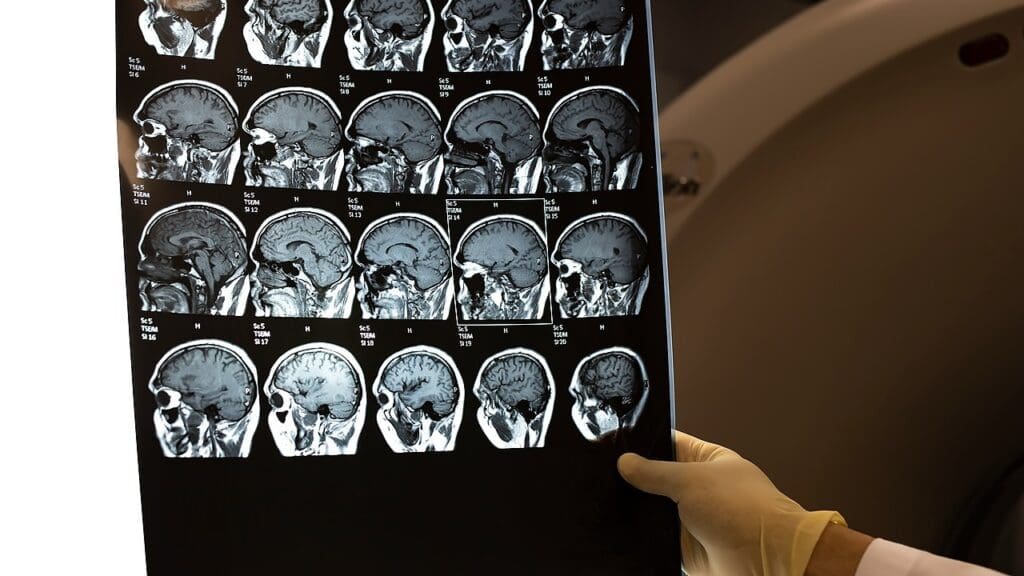
Brain lesions and brain cancer are often confused, but they mean different things. Knowing the difference is key to understanding treatment options. We’ll look at the differences, types of brain tumors, and how they’re classified.
Defining Brain Lesions vs. Brain Cancer
A brain lesion is any abnormal area in the brain. It can be caused by injury, infection, or tumors. Brain cancer, though, is a specific type of tumor that grows in the brain. Knowing the difference helps choose the right treatment.
Common Types of Brain Tumors
Brain tumors can be either benign or malignant. Here are some common ones:
- Meningioma: These are usually benign tumors from the meninges.
- Glioblastoma: These are aggressive and have a poor prognosis.
- Astrocytoma: These tumors can vary from low-grade to high-grade malignancies.
How Brain Tumors Are Classified and Graded
Brain tumors are sorted by their features and how they present. The World Health Organization (WHO) grading system is used. It grades tumors from I (low grade) to IV (high grade) based on how aggressive they are. This helps figure out the prognosis and treatment plan.
Understanding a brain tumor’s type and grade helps doctors plan better treatments. This can lead to better outcomes for patients.
Overall Survival Statistics for Brain Cancer

Knowing the survival stats for brain cancer is key for patients and their families. It helps them understand what to expect and make better care choices.
General 5-Year Survival Rate
The 5-year survival rate for brain and nervous system cancers is about 33 percent. This means 33 percent of people with brain cancer live five years after being diagnosed. Survival rates can change a lot based on the tumor type, its grade, and the patient’s health.
Survival Trends Over the Past Decade
In the last ten years, brain cancer treatment has gotten better. This has led to higher survival rates. New surgical methods, radiation, and chemotherapy have helped more patients survive.
Comparing Brain Cancer Survival to Other Cancer Types
Brain cancer survival rates are lower than some other cancers. But, they are better than cancers like pancreatic or esophageal cancer. It’s important to remember that brain cancer includes many different tumor types, each with its own survival chance.
Getting a brain cancer diagnosis can be scary. But knowing the survival stats can help patients and families face the future. By keeping up with new treatments, they can make better care choices.
Survival Rates by Brain Tumor Type
Knowing the survival rates for different brain tumors is key for patients and doctors. Brain tumors are grouped by where they start, how they grow, and what they look like under a microscope. The type of tumor greatly affects a patient’s survival chances.
Meningioma (80%+ Survival Rate)
Meningiomas are usually not cancerous and grow slowly. They start in the meninges, which protect the brain and spinal cord. Most meningiomas are slow-growing, leading to a high survival rate, often over 80%. Early treatment and surgery can greatly improve a patient’s chances of recovery.
Glioblastoma (6-22% Survival Rate)
Glioblastoma is a fast-growing and deadly brain cancer. It has a low 5-year survival rate, between 6% and 22%. Its aggressive nature and tendency to come back after treatment make its survival rate very low.
Astrocytoma and Oligodendroglioma
Astrocytomas and oligodendrogliomas come from the brain’s glial cells. Astrocytomas can be low-grade or high-grade (like glioblastoma). Oligodendrogliomas grow slower. Survival rates depend on the tumor’s grade and genetics. People with low-grade astrocytomas or oligodendrogliomas usually have a better outlook than those with high-grade tumors.
Medulloblastoma and Other Rare Tumors
Medulloblastoma is a fast-growing brain tumor mostly found in kids. Though rare, better treatments have raised survival rates for medulloblastoma. Other rare tumors, like ependymomas and PNETs, have survival rates that depend on age, location, and treatment response.
In summary, survival rates for brain tumor patients vary a lot. This depends on the tumor type, grade, and other factors. Knowing these differences helps in making better treatment choices.
How Long Can You Live With a Brain Lesion? Key Factors Affecting Prognosis
The time a person can live with a brain lesion depends on several important factors. These factors affect their overall health and how long they might live. It’s key for patients and their families to understand these factors to make good care choices.
Tumor Location and Accessibility
The place of a brain lesion in the brain matters a lot. Lesions in easy-to-reach areas usually have better chances of treatment success. Tumor location and how easy it is to get to affect if surgery can be done, which is a big part of how well a person might do.
Age and Overall Health
A person’s age and health also play big roles in their prognosis. Younger people with fewer health problems usually do better than older ones or those with many health issues. Age can affect how well treatment works and how well the body can heal.
Genetic and Molecular Markers
Genetic and molecular markers tell a lot about a brain lesion. They help predict how the tumor will act and how it will react to treatment. For example, some markers show a tumor is more aggressive, which can change the outlook. According to survival statistics, knowing these markers is key for making treatment plans that fit each person.
Response to Treatment
How well a person responds to treatment is a big sign of their long-term chances. Those who get better with treatment usually do better than those who don’t. Keeping a close eye on how treatment is working lets doctors make changes to help improve the outlook.
By looking at these important factors, doctors can give more accurate predictions. They can also make treatment plans that really fit each patient’s needs.
Critical Locations and Their Impact on Life Expectancy
Location is key when it comes to brain tumors and life expectancy. Where a tumor is located can greatly affect a patient’s chances of survival. We’ll look at how tumors in important areas impact survival rates.
Brainstem Tumor Life Expectancy
Brainstem tumors are tough to deal with because they’re in a vital area. This area controls many essential body functions. Tumors here are hard to treat, leading to a poorer prognosis. Life expectancy for these patients depends on the tumor type and grade.
Inoperable Brain Tumor Prognosis
Inoperable brain tumors are in hard-to-reach or sensitive spots. This makes treatment options limited. We’ll talk about what affects the prognosis of these tumors.
Spinal Tumors Prognosis
Spinal tumors, though less common, also affect life expectancy. The prognosis varies based on the tumor type, location, and whether it’s benign or malignant. Knowing these factors is key for the best treatment plan.
Brain Tumor Bleeding and Its Effects
Brain tumor bleeding can drastically change a patient’s outlook. It can cause sudden increases in pressure inside the skull, which is dangerous. We’ll look at how bleeding impacts life expectancy and emergency management.
In conclusion, the location of a brain tumor is vital for life expectancy. Understanding the challenges of tumors in critical areas helps manage patient expectations and guide treatment.
Treatment Options and Their Effect on Survival
Brain cancer treatments have changed, helping more people survive. The right treatment depends on the tumor’s type, size, and where it is. It also depends on the patient’s health.
Surgery and Its Impact on Prognosis
Surgery is often the first step in treating brain cancer. The goal is to remove as much of the tumor as possible safely. This can greatly improve survival chances and quality of life.
Maximal safe resection is key. It means removing the tumor while keeping brain function intact.
Radiation Therapy Outcomes
Radiation therapy is used to treat brain cancer, alone or with surgery and chemotherapy. It kills cancer cells or slows their growth. Advances in radiation therapy have made treatments more precise and effective.
This therapy can help control tumor growth and improve survival chances.
Chemotherapy and Targeted Therapies
Chemotherapy and targeted therapies are also used to treat brain cancer. Chemotherapy kills cancer cells, while targeted therapies target specific molecules involved in cancer growth. These treatments can be used alone or together.
For example, temozolomide is a chemotherapy drug used for glioblastoma.
Emerging Treatments and Clinical Trials
New treatments like immunotherapy and gene therapy are being tested in clinical trials. These treatments aim to improve survival rates for brain cancer patients. Joining clinical trials can give patients access to new treatments.
Improving survival rates requires a treatment plan made just for the patient. A team of healthcare professionals works together to find the best treatment.
- Treatment options vary based on tumor type and patient health.
- Surgery, radiation therapy, and chemotherapy are common treatments.
- Emerging treatments offer new hope for improved survival rates.
Living With Brain Cancer: Quality of Life Considerations
Keeping quality of life high is key for those with brain cancer. We must tackle the many factors that affect daily life and well-being.
Managing Symptoms and Side Effects
Managing symptoms is key to better life quality for brain cancer patients. Symptoms like headaches, seizures, and fatigue need attention. Personalized care plans with meds, physical therapy, and lifestyle changes help a lot.
- Medications to control seizures and reduce swelling
- Physical therapy to maintain mobility and strength
- Lifestyle changes, such as dietary adjustments and stress management techniques
A leading oncologist says,
“The key to managing symptoms is a multidisciplinary approach that involves the patient, caregivers, and healthcare providers working together to tailor the care plan to the individual’s needs.”
Neurological and Cognitive Changes
Brain cancer can cause big changes in the brain and thinking. Rehabilitation therapies like occupational and speech therapy help patients adjust.
Psychological Impact and Support
The emotional toll of brain cancer is huge. Patients often feel anxious, depressed, and stressed. Psychological support like counseling and support groups is vital for emotional healing.
- Counseling to address emotional and psychological needs
- Support groups for patients and caregivers
- Mindfulness and relaxation techniques to reduce stress
Improving life quality for brain cancer patients means focusing on physical, emotional, and psychological care. It’s about making a care plan that meets all their needs.
Real Survival Stories: Exceeding the Odds
Listening to long-term survivors of brain cancer can give hope and inspiration. We’ve collected stories of people who beat aggressive brain cancers and thrived. Their experiences show us that survival is possible.
Long-Term Survivors of Aggressive Brain Cancers
Some people with aggressive brain cancers have lived long lives, beating the odds. Their stories show the strength of the human spirit. They prove that recovery is possible.
For example, some with glioblastoma, a fast-growing brain cancer, have outlived expectations. These cases give us hope and show what might help others live longer.
Factors Contributing to Extended Survival
Several things help brain cancer patients live longer. Early detection, new treatments, good health, and access to top medical care are key. These factors can make a big difference.
- Early Detection: Finding brain cancer early can greatly improve chances of recovery.
- Innovative Treatments: Trying new therapies and joining clinical trials can offer hope.
- Patient Resilience: A patient’s physical and mental strength is vital for fighting and recovering from treatments.
Lessons Learned from Survivors
Survivors’ stories teach us important lessons. They show the power of a positive attitude, the need for support, and the value of staying informed about treatments.
By looking at these stories, we learn more about how medical care, personal strength, and other factors help people survive and thrive after a brain cancer diagnosis.
Conclusion: Finding Hope Amid Uncertainty
Receiving a brain cancer diagnosis can feel overwhelming. It leaves patients and families unsure about the future. But, we’ve seen big steps forward in medical research and treatments. These advances offer new hopes for better survival rates.
Survival rates for brain tumors vary a lot. This depends on the tumor’s type, location, and how serious it is. Some tumors are very serious, but others, like meningioma, have over 80% survival rates. The chance of survival also depends on the patient’s age, health, and how well they respond to treatment.
We’re making progress in understanding and treating brain cancer. Our research and clinical trials aim to find better treatments. We want to improve patient outcomes and quality of life.
In short, while brain cancer is a serious condition, there’s hope. We’re dedicated to top-notch healthcare for international patients. With ongoing research, we aim to boost survival rates and improve life for brain cancer patients.
FAQ
What is the general 5-year survival rate for brain cancer?
The 5-year survival rate for brain cancer is about 33%. But, this number changes a lot based on the tumor’s type and grade.
How does the location of a brain tumor affect life expectancy?
Where a brain tumor is located is very important. Tumors in key areas like the brainstem are harder to treat. This can make the outlook worse.
What are the survival rates for different types of brain tumors?
Survival rates differ a lot for different brain tumors. For example, meningioma has a high survival rate over 80%. But, glioblastoma’s survival rate is much lower, between 6-22%.
Can you survive brain cancer?
Yes, many people beat brain cancer. Survival chances depend on the tumor’s type, grade, age, health, and how well it responds to treatment.
How long can you live with an inoperable brain tumor?
Life expectancy with an inoperable brain tumor varies a lot. It depends on the tumor type, location, and overall health. Always talk to a doctor for a personal outlook.
What are the emerging treatments for brain cancer?
New treatments for brain cancer include targeted therapies, immunotherapy, and advanced radiation. These are being tested in clinical trials. They offer hope for better survival rates.
How does brain tumor bleeding affect life expectancy?
Bleeding from a brain tumor can greatly affect life expectancy. The severity of the bleeding and the tumor type play a big role. Quick medical help is key.
Are brain tumors fatal?
Brain tumors can be fatal, mainly if they are malignant or in critical areas. But, many tumors are benign. With the right treatment, people can live well and survive.
What is the prognosis for spinal tumors?
Spinal tumor prognosis depends on the tumor type, location, and grade. Benign spinal tumors usually have a better outlook than malignant ones. Treatment results vary.
How long does brain cancer take to progress?
Brain cancer growth rates vary a lot. Some types grow fast, while others grow slower. The prognosis depends on many factors.
References
- Canadian Cancer Society (Brain and Spinal Cord: Survival Statistics) : https://cancer.ca/en/cancer-information/cancer-types/brain-and-spinal-cord/prognosis-and-survival/survival-statistics
- National Brain Tumor Society (Brain Tumor Facts) : https://braintumor.org/brain-tumors/about-brain-tumors/brain-tumor-facts
- Roswell Park (Brain Cancer Survival Rates) : https://www.roswellpark.org/cancer/brain/survival-rates
- SEER Cancer Statistics (Brain and Other Nervous System) : https://seer.cancer.gov/statfacts/html/brain.html