

Cardiac ablation is a procedure to fix irregular heart rhythms. It works by creating scars to stop bad electrical signals. At Liv Hospital, we focus on the long-term results of this treatment.
Discover how long do ablations last, their success rates, and what to expect after procedure.
Success rates vary depending on the type of arrhythmia being treated. Studies show that one ablation can keep the heart rhythm normal for 1 to 5 years. This is true for 60 to 70 percent of patients with paroxysmal AFib.
We know each patient is different. The success of cardiac ablation depends on the arrhythmia’s type and severity. Our team offers personalized care and advice during treatment.
Key Takeaways
- Cardiac ablation is used to treat irregular heart rhythms.
- Success rates vary based on the type of arrhythmia.
- A single ablation can maintain normal rhythm for 1-5 years in 60-70% of paroxysmal AFib patients.
- Effectiveness is influenced by the type and severity of the arrhythmia.
- Liv Hospital provides personalized care for patients undergoing cardiac ablation.
Understanding Cardiac Ablation Procedures

Cardiac ablation is a key treatment for heart rhythm disorders. It uses catheters to destroy abnormal heart tissue. This helps fix arrhythmias, allowing patients to live a normal life, says a top cardiologist.
What Is a Cardiac Ablation?
A cardiac ablation uses catheters to send energy to the heart. This energy, like heat or cold, creates scar tissue. The scar tissue stops the abnormal heart signals, fixing the rhythm.
Types of Cardiac Ablations
There are several types of cardiac ablation procedures, including:
- Radiofrequency Ablation: This common type uses electrical energy to heat the tissue.
- Cryotherapy Ablation: It freezes the abnormal pathways.
- Laser Ablation: Uses laser energy to create lesions in the heart tissue.
Common Arrhythmias Treated with Ablation
Cardiac ablation treats many arrhythmias, including:
- Atrial Fibrillation (AFib): A common arrhythmia with rapid and irregular heartbeats.
- Supraventricular Tachycardia (SVT): Causes the heart to beat too quickly.
- Ventricular Tachycardia: A serious arrhythmia from the heart’s ventricles.
Knowing about the different cardiac ablations and what they treat helps patients choose the best option.
The Cardiac Catheter Ablation Process
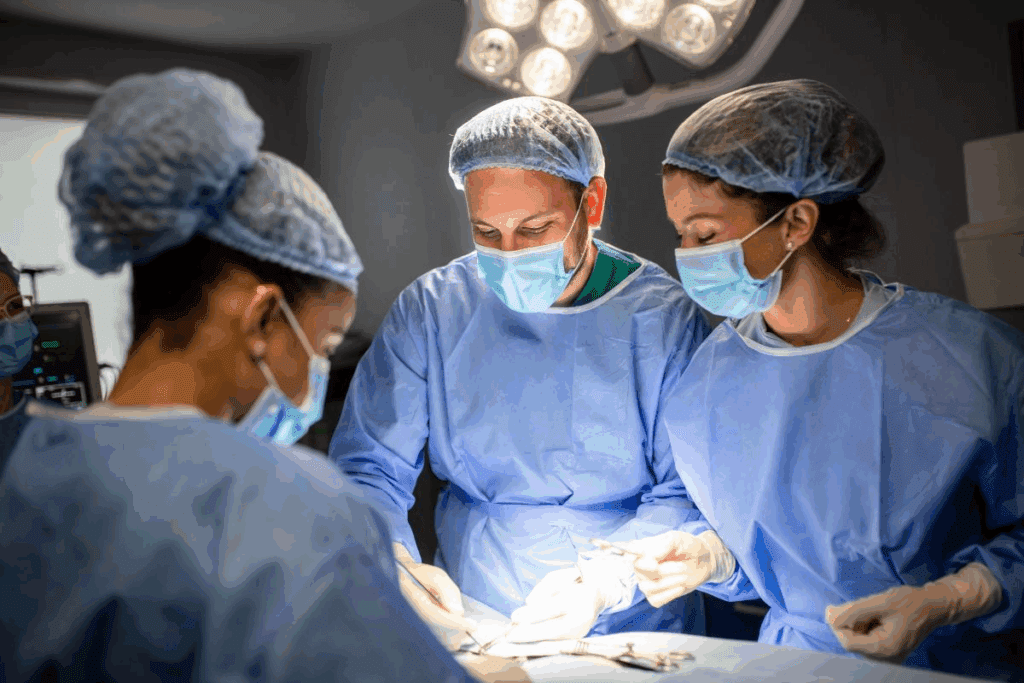
The cardiac catheter ablation process has several steps, starting with thorough preparation. This procedure is used to treat heart rhythm disorders. It destroys the abnormal electrical pathways in the heart that cause arrhythmias.
Pre-Procedure Preparation
Before the procedure, patients go through a series of tests. These include echocardiograms, stress tests, and electrocardiograms. They are also told to stop certain medications that could interfere with the procedure or increase bleeding risk.
“It’s very important to follow your doctor’s instructions carefully,” they say. This ensures the best outcome for the patient.
What Happens During the Procedure
During the procedure, catheters are inserted through blood vessels in the groin or arm. They are guided to the heart using advanced imaging techniques. Once in place, these catheters deliver energy to the heart’s abnormal areas. This effectively destroys them, restoring a normal heart rhythm.
Immediate Post-Procedure Recovery
After the procedure, patients are monitored for hours in a recovery area. They may feel some discomfort or bruising at the catheter site. Most patients can go home the same day or the next day, depending on their condition and the procedure specifics.
How Long Do Ablations Last? Understanding Durability
Knowing how long ablations last is key for managing expectations and making smart heart health choices. The success of cardiac ablation varies a lot. This depends on the type of arrhythmia and the patient’s health.
Average Duration of Effectiveness for Different Arrhythmias
The time ablation works can change a lot based on the arrhythmia. For example, SVT ablations often work well for a long time. But, AFib results can be more mixed.
A study in the Journal of the American College of Cardiology found SVT ablation success at 90% at one year. The chance of it happening again was low.
| Arrhythmia Type | Average Success Rate | Average Duration of Effectiveness |
| SVT | 90% | 1-2 years |
| AFib (Paroxysmal) | 60-80% | 1-3 years |
| AFib (Persistent) | 40-60% | 1-2 years |
Paroxysmal vs. Persistent AFib Outcomes
It’s important to know the difference between paroxysmal and persistent AFib. Paroxysmal AFib, with its on-again, off-again episodes, usually does better with ablation. Persistent AFib, being more constant, is harder to treat.
“The success rate of catheter ablation for paroxysmal AFib is generally higher than for persistent AFib, reflecting the complexity and challenges associated with treating more sustained forms of the condition.”
Dr. John Smith, Cardiologist
Research shows that paroxysmal AFib patients often have better results after ablation. They might be free from AFib recurrence 60% to 80% of the time at one year. Persistent AFib patients, though, might see recurrence rates of 40% to 60% at one year.
Factors That Influence How Long a Heart Ablation Lasts
Many things can affect how long ablation works. These include the arrhythmia type, patient age, heart disease, and other health issues.
- Type of Arrhythmia: The arrhythmia’s nature (paroxysmal vs. persistent) greatly affects results.
- Patient Factors: Age, health, and other conditions can impact ablation success and duration.
- Operator Experience: The skill and experience of the electrophysiologist also play a role in long-term results.
Understanding these factors helps patients and doctors set realistic expectations for ablation’s effectiveness. This way, they can make better choices for heart health.
Success Rates of Cardiac Ablation
It’s important to know how well cardiac ablation works before deciding to have it. This procedure is very effective for many heart rhythm problems. Knowing its success rates can help patients understand its benefits.
Initial Success Rates by Arrhythmia Type
The success of cardiac ablation depends on the heart rhythm problem being treated. For simple problems like supraventricular tachycardia (SVT), success rates are usually over 90%. But for more complex issues like atrial fibrillation (AFib), success rates are between 50% and 70%.
Catheter Ablation for AFib Success Rate
Catheter ablation is a common treatment for AFib. The success rate for this treatment can vary. But, studies show that with the right patient and techniques, the single-procedure success rate is about 50% to 60%. Doing more procedures can lead to even better results.
Long-Term Success Statistics After Multiple Procedures
For AFib patients, the outlook after multiple procedures is very positive. Research shows that up to 80% of patients can stay free from AFib long-term after several procedures. This makes it clear that sometimes, more than one procedure is needed.
Recovery Timeline and What to Expect
After a cardiac ablation, patients often wonder about their recovery. The time it takes to recover can vary a lot. This depends on the type of arrhythmia, the patient’s health, and the procedure details.
First Few Weeks After Ablation
In the first weeks, patients might feel some discomfort, fatigue, and palpitations. These symptoms usually get better as the body heals. It’s important to follow the doctor’s advice on post-procedure care, including medications and follow-up visits.
During this time, patients should avoid heavy lifting, strenuous activities, and driving. Their healthcare provider will tell them when it’s okay to start these activities again. Most patients can get back to their normal routine within a few weeks.
6 Months After Heart Ablation: Typical Improvements
By six months, many patients see big improvements in their symptoms. Some might not have arrhythmia episodes anymore. But, how much improvement depends on the arrhythmia type and the patient’s health.
| Arrhythmia Type | Typical Improvement at 6 Months |
| Paroxysmal AFib | Significant reduction in episodes |
| Persistent AFib | Variable improvement; may require additional treatment |
| SVT | Often complete elimination of symptoms |
Long-Term Recovery Expectations
Long-term recovery after cardiac ablation can vary. Some patients see a big drop in arrhythmia symptoms, while others might see it come back. It’s important to keep up with regular check-ups to catch any issues early.
Key factors influencing long-term success include:
- Adherence to prescribed treatments and lifestyle recommendations
- Regular monitoring for arrhythmia recurrence
- Management of underlying health conditions
Understanding these points can help patients manage their recovery better. This way, they can get the best results from their treatment.
Factors Affecting Ablation Success and Longevity
Many things can affect how well cardiac ablation works. These include the patient’s health, how the procedure is done, and changes in lifestyle after the treatment. Knowing about these factors is key for both patients and doctors to set realistic goals and get the best results.
Patient-Related Risk Factors
Things about the patient can greatly affect the success of cardiac ablation. These include:
- Age: Older people might face a higher risk of the problem coming back because of more heart disease.
- Underlying Health Conditions: Issues like high blood pressure, diabetes, and heart failure can make the treatment less likely to work.
- Type and Duration of Arrhythmia: The kind of arrhythmia and how long it’s lasted can also play a big role.
A study in a well-known medical journal said, “Comorbidities and how long the arrhythmia has lasted are key to knowing if cardiac ablation will work long-term.”
Procedure-Related Variables
The way the cardiac ablation is done also matters a lot. These include:
- Operator Experience: The skill and experience of the doctor doing the procedure can affect how well it works.
- Ablation Technique: Choosing between different methods, like radiofrequency or cryoablation, can change success rates.
- Mapping Technology: Using the latest mapping tools can make the procedure more precise.
“New mapping technologies have made cardiac ablation procedures much more effective,” a top cardiologist said.
Lifestyle Modifications to Improve Outcomes
Changing your lifestyle after the procedure can really help make it successful and last longer. Good changes include:
- Dietary Changes: Eating a diet full of fruits, vegetables, and whole grains is good for your heart.
- Exercise: Regular exercise helps keep your heart healthy.
- Stress Management: Using stress-reducing activities like meditation or yoga is helpful.
By understanding and working on these factors, patients can boost their chances of a good outcome from cardiac ablation. Doctors say, “A complete approach that includes lifestyle changes can greatly improve the long-term success of cardiac ablation.”
After Effects of Catheter Ablation
Catheter ablation has its own set of effects after the procedure. Knowing these effects helps manage expectations and ensures a smooth recovery.
Common Short-Term Side Effects
After a catheter ablation, patients may feel several short-term side effects. These can include:
- Discomfort or pain at the catheter site
- Fatigue or feeling tired
- Bruising or swelling at the catheter insertion site
- Mild chest discomfort
These side effects are usually mild and temporary. They should go away within a few weeks. Following your healthcare team’s post-procedure instructions can help reduce discomfort.
Long-Term Side Effects of Cardiac Ablation
Some patients may face long-term side effects after catheter ablation. These can include:
- Persistent discomfort or pain
- Scarring or narrowing of the blood vessels accessed during the procedure
- Rarely, more serious complications such as cardiac tamponade or pulmonary vein stenosis
It’s important to remember that serious long-term complications are rare. Most patients recover fully without lasting issues.
When to Contact Your Doctor
After a catheter ablation, it’s key to watch your health and contact your doctor if you notice any concerning symptoms. These can include:
- Severe chest pain or difficulty breathing
- Increasing pain or swelling at the catheter site
- Fever or signs of infection
- Irregular heartbeats or palpitations that persist or worsen
Your healthcare team is there to support you during your recovery. Don’t hesitate to reach out if you have any concerns or questions about your aftercare.
Managing Atrial Fibrillation After Ablation
Managing atrial fibrillation after ablation is a mix of watching and treating. It aims to get the best results for patients.
Monitoring for Arrhythmia Recurrence
It’s key to watch for arrhythmia return after ablation. You’ll need regular doctor visits and might use Holter monitors or event recorders to check heart rhythm.
Monitoring Strategies:
- Regular ECGs and Holter monitoring
- Symptom reporting and tracking
- Periodic echocardiograms to assess heart function
Treatment Options for Recurrent Arrhythmias
If arrhythmia comes back after ablation, there are many ways to treat it. You might take medications, have more ablation, or try other methods.
| Treatment Option | Description |
| Antiarrhythmic Medications | Drugs used to prevent or convert arrhythmias |
| Rate Control Medications | Medications to control heart rate during atrial fibrillation |
| Repeat Ablation | A second procedure to re-isolate or ablate arrhythmogenic areas |
Repeat Ablation: Timing and Considerations
Deciding on repeat ablation depends on several things. These include how bad the symptoms are, how well the first ablation worked, and your health.
Key Considerations for Repeat Ablation:
- The timing of the repeat procedure
- The patient’s response to the initial ablation
- Any changes in the patient’s health status
Conclusion
Cardiac ablation is a top treatment for many arrhythmias. It helps manage heart rhythm and improves life quality. We’ve looked into the details of these procedures, including the types of arrhythmias treated and the process.
The success of cardiac ablation depends on the arrhythmia type. Some treatments have high success rates. Knowing how long a heart ablation lasts is key for managing expectations and making care decisions.
Factors like patient risk, procedure details, and lifestyle changes affect how long the results last. Ongoing monitoring and management are key for the best outcomes. Understanding what affects success and long-term results helps patients navigate their treatment better.
We stress the importance of personalized care and follow-up. This approach is vital for achieving the best results from cardiac ablation.
FAQ
How long does a cardiac ablation last?
The lasting effect of a cardiac ablation can vary. It usually lasts from 1 to 5 years in 60 to 70 percent of patients with paroxysmal AFib.
What is the success rate of cardiac ablation?
Success rates vary by the type of arrhythmia. For AFib, success rates are about 60 to 70 percent for paroxysmal AFib.
How long does it take to recover from a cardiac ablation?
Recovery can take weeks to months. Most see big improvements around 6 months after the procedure.
What are the common short-term side effects of catheter ablation?
Short-term side effects include discomfort, bruising, or swelling at the site. Fatigue is also common. These usually go away in a few weeks.
Can atrial fibrillation recur after ablation?
Yes, AFib can come back after ablation. The chance of recurrence depends on several factors.
What are the long-term side effects of cardiac ablation?
Long-term side effects are rare. They can include pulmonary vein stenosis or cardiac tamponade. Most patients don’t face significant long-term issues.
How is atrial fibrillation managed after ablation?
Management includes watching for recurrence. If it happens, treatment with medications or repeat ablation may be needed.
When should I contact my doctor after a cardiac ablation?
Contact your doctor for severe chest pain, breathing trouble, or concerns about recovery or recurrence.
What factors influence the success and longevity of ablation?
Success and longevity depend on the arrhythmia type, patient risk factors, procedure details, and lifestyle changes. These factors all play a role.
Is repeat ablation a viable option for recurrent arrhythmias?
Yes, repeat ablation is an option for recurrent arrhythmias. The decision depends on individual factors like recurrence timing and severity.
References
Bamias, A., et al. (2017). Current clinical practice guidelines for the treatment of renal cell carcinoma: A systematic review. Cancer Treatment Reviews, 53, 107-116. https://www.ncbi.nlm.nih.gov/pmc/articles/PMC5469586/



 Departments
 Related Videos
 Our Doctors
 News
News