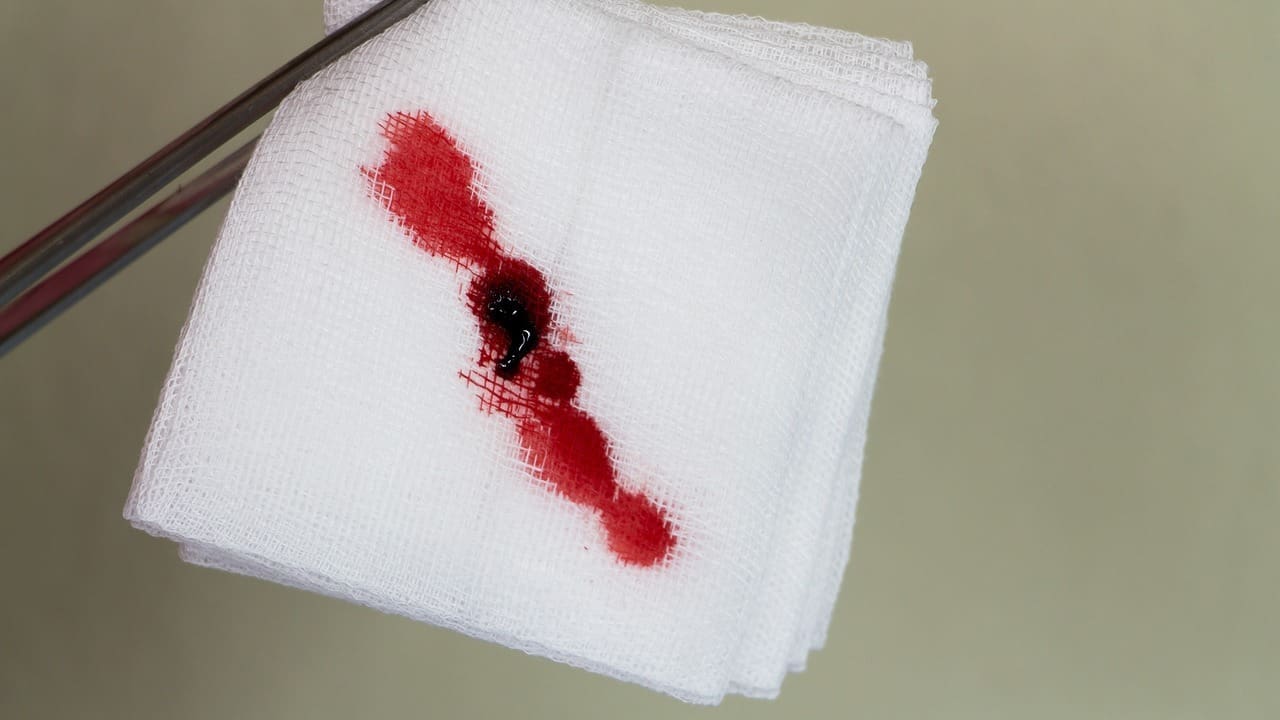
Choosing Green Light Laser Prostate Surgery, or Photo Vaporization of the Prostate (PVP), is a big step for BPH. At Liv Hospital, we know you’re worried about bleeding and blood clots after surgery. Our team is here to help you through your recovery.
The prostate gland is between the bladder and urethra, the main area of this surgery. PVP is done under general or spinal anesthesia, making it comfortable. We know you’re concerned about how long bleeding and blood clots will last after surgery.
Most people stop bleeding in 2-4 weeks. We aim to give you the best care and support during your treatment. This way, you can have a smooth recovery.
Key Takeaways
- Green Light Laser Prostate Surgery is a modern treatment for BPH.
- Bleeding typically resolves within 2-4 weeks post-surgery.
- PVP is performed under general or spinal anesthesia.
- Our team provides complete care and support throughout recovery.
- Understanding the recovery process helps manage expectations.
Understanding Green Light Laser Prostate Surgery
Green Light Laser Prostate Surgery, or Photoselective Vaporization of the Prostate (PVP), is a new way to treat an enlarged prostate. It helps when the prostate blocks urine flow. The surgery is done under general or spinal anesthesia, making it almost painless.
What is Green Light Laser Prostate Surgery?
This surgery is a top choice for treating Benign Prostatic Hyperplasia (BPH). A thin tool called a cystoscope is inserted into the urethra. Then, a green laser is used to vaporize the prostate’s inside. This method clears the blockage, improving urine flow and reducing BPH symptoms.
How the Greenlight Vaporization Process Works
The GreenLight laser vaporization method uses laser energy to remove prostate tissue. It’s done with a cystoscope for precise control, avoiding damage to nearby tissues. This process effectively removes the blockage, improving urine flow.
Benefits Over Traditional Prostate Surgeries
Green Light Laser Prostate Surgery has many advantages over old methods. It’s minimally invasive, which means less recovery time. There’s also less bleeding during and after, and fewer complications. The laser’s precision also means less damage to other tissues, leading to fewer side effects and a quicker recovery. For more info, visit our page at GreenLight Laser Therapy.
Normal Post-Operative Bleeding Expectations
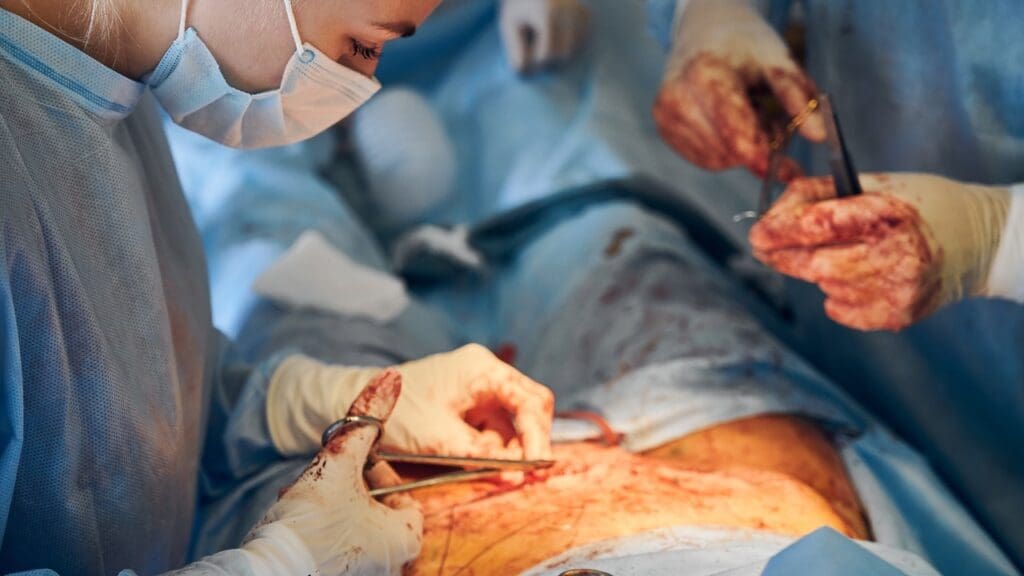
Bleeding after Green Light Laser Prostate Surgery is common. Knowing what to expect can help ease worries. Some bleeding is normal and is managed with a catheter and sometimes irrigation to clear blood clots.
Immediate Post-Surgery Bleeding Patterns
Right after surgery, a thin tube (catheter) is put into the bladder. This helps control bleeding. The catheter might also be connected to a system that removes blood and clots from the bladder.
What Constitutes Normal Bleeding
Every patient is different when it comes to bleeding after surgery. It’s normal to see some bleeding or spotting in the urine for weeks. Watching the color and consistency of the urine is important.
Color and Consistency Changes Over Time
As time goes on, the urine will get clearer. We tell our patients to keep an eye on their urine and report any bleeding concerns.
| Post-Surgery Timeframe | Expected Urine Color/Consistency |
|---|---|
| First 24-48 hours | Bloody or dark red |
| First week | Gradually lightening to pink or light red |
| 2-4 weeks | Clear or straw-colored |
Monitoring and managing bleeding is key for a smooth recovery. If you notice anything unusual or have bleeding concerns, reach out to your healthcare provider.
Blood Clots After Green Light Laser Surgery: What to Expect
Blood clots are common after Green Light Laser Surgery. Knowing what to expect can ease worries. Blood clots are a sign of the body healing itself.
Common Clotting Patterns
Most people get blood clots after this surgery. These clots can be different sizes and are often passed in urine. You might see small “dead bits” of prostate in your urine as it heals.
Size and Appearance of Normal Clots
Clots can be different sizes and shapes. Usually, they are small and don’t hurt much. But sometimes, they can be big and cause a little blood in your urine. It’s important to remember that while some clotting is normal, a lot of bleeding is not and you should tell your doctor.
Frequency of Clot Passage
Clots passing can happen often, but it’s more common at first. Keep an eye on your urine and tell your doctor if it changes a lot. Drinking lots of water helps flush out your system and can lower clot risk.
| Aspect | Normal Expectation | When to Seek Help |
|---|---|---|
| Clot Size | Small to moderate | Large or persistent |
| Bleeding Severity | Mild hematuria | Severe or heavy bleeding |
| Duration | First few weeks | Prolonged or increasing |
Knowing about blood clots after Green Light Laser Surgery helps with recovery. If you’re worried or have questions, talk to your doctor for advice.
Typical Timeline for Bleeding Resolution
Knowing when bleeding stops after Green Light Laser Prostate Surgery can ease worries. We help our patients understand what to expect at each stage.
First 24-48 Hours After Surgery
In the first 24-48 hours, bleeding might seem more. It’s a normal part of healing. Drinking lots of water helps clear your system and lowers risks.
First Week Recovery Period
By the end of the first week, bleeding often gets much less. It might come and go, but it’s not as bad. Drinking water and following our advice are key during this time.
Complete Resolution (2-4 Weeks)
Bleeding usually stops completely in 2-4 weeks. You might see some bleeding, but it should be very little. Following our advice and telling us about any bleeding is very important.
We stress the need for patience and following our care tips for a smooth recovery. If you’re worried about bleeding or other symptoms, reach out to us.
Factors Affecting Bleeding Duration and Severity
Knowing what affects bleeding after Green Light Laser Surgery is key to a smooth recovery. Many things can change how long and how much you bleed. It’s important for patients to know these factors to have a better recovery.
Prostate Size Impact
The size of your prostate gland can really affect bleeding. Bigger prostates need more treatment, which can lead to longer bleeding. Studies have shown that bigger prostates might bleed more, but it usually stops in a few weeks.
Pre-existing Medical Conditions
Medical conditions like bleeding disorders or high blood pressure can also impact bleeding. People with these conditions might need extra care to manage bleeding risks. It’s very important for patients to tell their doctor about all their health issues to get the right treatment.
Age and Health Considerations
Your age and health can also affect your recovery and bleeding. Older people or those with serious health problems might bleed more or take longer to recover. We take these into account when helping patients understand what to expect and how to recover well.
By knowing these factors, patients can prepare better for their recovery. They’ll also know when to get medical help if they have unusual symptoms.
Blood Thinners and Green Light Laser Prostate Surgery
It’s key for patients with blood thinners to manage them before Green Light Laser Prostate Surgery. This is to lower the chance of bleeding. We look at if anticoagulation therapy is needed for the surgery.
Managing Blood Thinners Before Surgery
We adjust blood thinner medications for patients before surgery. This is to cut down on bleeding risks. We talk to the patient’s healthcare team about this.
Pre-operative management might mean stopping blood thinners a few days before. This depends on the anticoagulant and the patient’s risk factors.
Extended Bleeding Risk for Patients on Anticoagulants
Patients on anticoagulants face a higher risk of bleeding after surgery. We watch them closely for any signs of bleeding. We also manage their anticoagulation therapy carefully.
The use of anticoagulants can make the recovery harder. It might lead to longer bleeding or more treatments to stop it.
When to Resume Blood Thinners Post-Surgery
Deciding when to start blood thinners again after surgery depends on the patient. We consider their risk of blood clots and any bleeding issues.
Usually, we suggest starting anticoagulation therapy when the bleeding risk goes down. This is often a few days to a week after surgery. It depends on the patient’s health and the surgeon’s advice.
Catheter Management After GLLP Prostate Surgery
Managing a catheter well is key to a smooth recovery after Green Light Laser Prostate (GLLP) surgery. We make sure our patients know how to handle their catheter at home. This is important for their recovery.
Duration of Catheter Use
The time a patient needs a catheter varies. It’s usually removed within a day or two after surgery. Our medical team will watch the patient closely to decide when to remove the catheter.
Dealing with Catheter Blockage from Clots
Catheter blockage from clots is a possible issue. If you notice a blockage, call your healthcare provider right away. We teach our patients how to spot blockages and what to do in an emergency.
Proper Catheter Care at Home
Keeping the catheter clean at home is critical to avoid infections. We give our patients clear instructions on catheter care. This includes hygiene tips and watching for infection signs. By following these steps, patients can reduce risks and focus on healing.
Understanding the role of catheter management helps patients feel more confident after surgery. Our team is dedicated to supporting patients every step of the way.
Potential Complications Related to Bleeding
Green Light Laser Prostate Surgery comes with risks, including bleeding complications. We do our best to avoid these issues. But, it’s important for patients to know what might happen.
Urinary Retention from Clots
Urinary retention from clots is a possible complication. Blood clots can block urine flow, causing discomfort. We watch for this closely and help manage symptoms.
Delayed Hematuria (33% of Patients)
About 33% of patients experience delayed hematuria. This is when blood shows up in urine after the initial bleeding stops. Most of the time, it goes away by itself.
Causes of Delayed Bleeding
The reasons for delayed hematuria vary. It often happens during the healing process or due to minor trauma to the prostate area.
Frequency and Severity
Delayed hematuria is common, but it’s usually mild. Yet, we tell patients to report any heavy bleeding. This ensures we can check and manage it quickly.
Severe Bleeding Complications (Rare Cases)
Severe bleeding is rare but serious. We’re ready to handle it quickly. This way, we can ensure the best care for our patients.
In summary, bleeding complications can happen after Green Light Laser Prostate Surgery. Knowing about these issues helps patients get help if needed. We’re dedicated to caring for our patients throughout their recovery.
When to Seek Medical Attention
After Green Light Laser Prostate Surgery, it’s important to know when to seek medical help. Some bleeding and discomfort are normal. But, there are signs that mean you need to see a doctor right away.
Warning Signs of Excessive Bleeding
If you’re bleeding a lot and it doesn’t stop, or if you pass big clots, tell your doctor. Excessive bleeding can cause serious problems that need quick medical care.
Emergency Symptoms
Look out for severe symptoms like a lot of pain, trouble peeing, or signs of infection like fever or chills. Prompt action is key to avoiding serious issues.
Follow-up Care Guidelines
Stick to your doctor’s post-op instructions. Go to all your follow-up appointments. As one patient said, “Following the doctor’s instructions made a big difference in my recovery.”
Knowing these guidelines and talking openly with your healthcare team can help you avoid risks. This ensures a good outcome after Green Light Laser Prostate Surgery.
Managing Blood Clots and Bleeding at Home
Managing blood clots and bleeding at home is key to a smooth recovery after Green Light Laser Prostate Surgery. It’s important to follow some essential guidelines for a comfortable recovery.
Hydration Importance
Drinking plenty of water is vital for managing blood clots and bleeding after surgery. We suggest increasing your fluid intake to help flush out your system. This can reduce the risk of clot formation. “Adequate hydration is key to preventing complications and promoting healing,” say medical professionals.
Activity Restrictions
To avoid worsening bleeding or dislodging clots, it’s best to avoid strenuous activities, heavy lifting, and bending. Gentle movements and short walks are good for circulation and overall health.
Practical Tips for Comfort and Recovery
Here are some practical tips to help you feel better and support your recovery:
- Drink at least 8-10 glasses of water per day to stay hydrated.
- Avoid straining during bowel movements, as this can increase pressure on the prostate area.
- Use a stool or chair when showering to prevent slipping or falling.
By following these guidelines and tips, you can manage blood clots and bleeding at home. This will help ensure a more comfortable and successful recovery.
Conclusion
Bleeding and blood clots are common after Green Light Laser Prostate Surgery. Most issues get better in 2-4 weeks. It’s important to manage bleeding well during this time for a smooth recovery.
The recovery journey can be tough. We’re here to help our patients with the right guidance and support. Knowing what to expect and how to handle complications can make recovery easier.
Our team works hard to ensure the best results for our patients. If you have concerns or questions, please reach out. We’re ready to support you at every step.
What is Green Light Laser Prostate Surgery?
Green Light Laser Prostate Surgery, also known as Photo Vaporization of the Prostate (PVP), is a modern treatment for Benign Prostatic Hyperplasia (BPH). It involves vaporizing the enlarged prostate tissue. This improves urine flow and reduces symptoms.
How long does bleeding typically last after Green Light Laser Prostate Surgery?
Most bleeding stops within 2-4 weeks after surgery. Bleeding is more noticeable in the first 24-48 hours. But it usually gets better as time goes on.
What can I expect in terms of blood clots after Green Light Laser Surgery?
Passing small clots is common after Green Light Laser Surgery. The size and frequency of these clots vary. They show the body is healing.
How is bleeding managed immediately after Green Light Laser Prostate Surgery?
A catheter is used post-operatively to manage bleeding. Sometimes, bladder irrigation is used to clear out blood clots.
Are there any factors that can influence the duration and severity of bleeding after Green Light Laser Surgery?
Yes, several factors can affect bleeding. These include the size of the prostate, pre-existing medical conditions, and the patient’s overall health and age.
How are blood thinners managed before and after Green Light Laser Prostate Surgery?
We carefully manage blood thinners before and after surgery. This is to minimize the risk of bleeding. We advise on when it’s safe to resume blood thinners post-surgery.
What are the possible complications related to bleeding after Green Light Laser Surgery?
Possible complications include urinary retention due to clots, delayed hematuria, and severe bleeding complications. Severe bleeding is rare.
When should I seek medical attention after Green Light Laser Prostate Surgery?
Seek immediate medical attention if you experience heavy bleeding, severe pain, or other emergency symptoms.
How can I manage blood clots and bleeding at home after Green Light Laser Surgery?
Stay well-hydrated, follow activity restrictions, and use practical tips for comfort and recovery. This helps manage blood clots and bleeding at home.
How long is a catheter used after Green Light Laser Prostate Surgery?
The catheter is used for a day or two after surgery. The exact duration varies.
What are the benefits of Green Light Laser Prostate Surgery over traditional prostate surgeries?
Green Light Laser Prostate Surgery has several benefits. It causes minimal discomfort during surgery. It precisely removes the obstruction caused by the enlarged prostate. It also minimizes damage to surrounding tissues.
References
- PubMed (National Library of Medicine): https://pubmed.ncbi.nlm.nih.gov/23538242/
- New York Urology Specialists: https://www.newyorkurologyspecialists.com/bph/greenlight-laser/treatment-complications/
- QProstate: https://qprostate.com.au/greenlight-laser-prostatectomy/faqs-greenlight-laser-prostatectomy/
- Broward Urology Center: https://www.browardurologycenter.com/treatments/enlarged-prostate/greenlight-laser-therapy/
- Advanced Urology Associates: https://www.advancedurologyassociates.org/resources/laser-procedure/postprocedure-instructions-for-the-greenlight-pvp-laser-procedure/