

Stem cell treatment is getting more popular as a way to heal the body. Over 1 million procedures have been done worldwide in the last ten years.
The effectiveness of stem cell injections varies depending on the patient and the condition being treated. Studies show they can last from a few months to a few years.
Several things can affect how long stem cell injections last. These include the type of cells used, how bad the condition is, and the person’s health overall.
Key Takeaways
- The effectiveness of stem cell injections can last for several months to several years.
- The duration of their effectiveness depends on various factors, including the type of cells used and the individual’s overall health.
- Stem cell treatment is becoming increasingly popular as a form of regenerative medicine.
- Research is ongoing to improve the efficacy and longevity of stem cell injections.
- The severity of the condition being treated can impact the effectiveness of stem cell injections.
Understanding Stem Cell Therapy
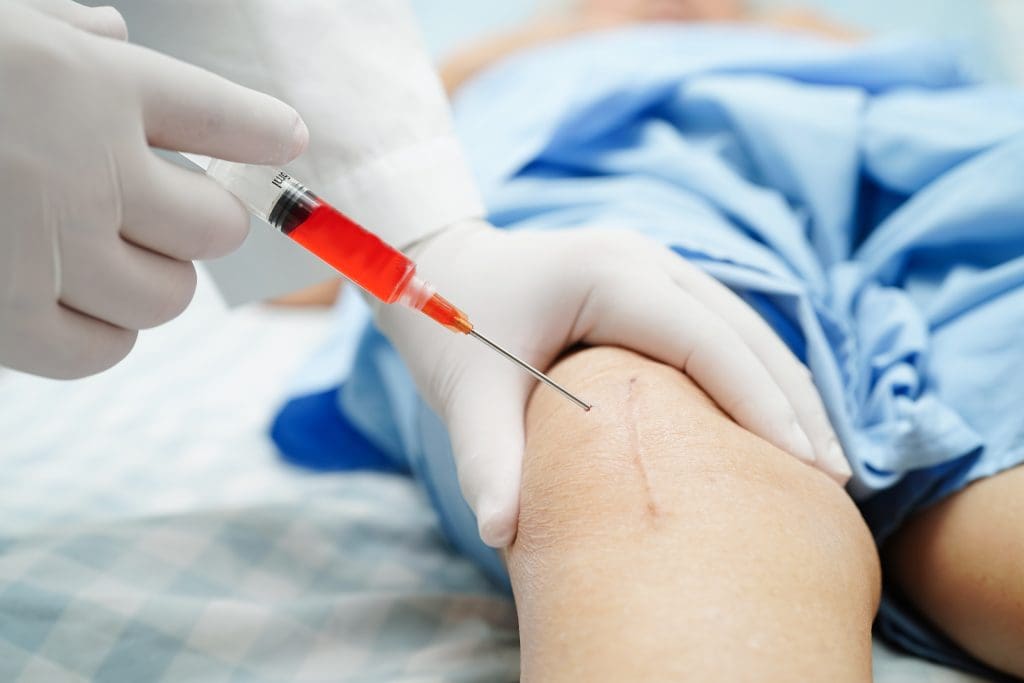
Stem cell therapy is a new treatment that uses your body’s cells to fix or replace damaged tissues. It’s also known as regenerative medicine.
What Are Stem Cells?
Stem cells are special cells that can turn into different types of cells. They can self-renew and become specialized cells that do specific jobs.
Types of Stem Cells Used in Injections
The most common stem cells used are from the patient’s own body. They come from bone marrow or fat tissue. Autologous stem cells are from the patient and lower the risk of rejection.
There are many types of stem cells. Mesenchymal stem cells (MSCs) and hematopoietic stem cells (HSCs) are two examples. MSCs can turn into many cell types, like bone and cartilage cells, making them great for muscle and bone issues.
How Stem Cells Work in the Body
When stem cells are injected into damaged areas, they can help fix or grow new tissue. They work by turning into the needed cell type, reducing inflammation, and helping healing with growth factors.
The benefits of stem cell injections come from their ability to fix the immune system and help repair tissues. This can make the affected area work better and hurt less.
Do Stem Cell Injections Work?
Research and clinical trials are showing if stem cell injections work. The medical field is studying stem cell therapy. It looks promising for treating many conditions and injuries.
Clinical Evidence and Success Rates
Success rates depend on the condition and the patient’s health. A significant proportion of patients report positive outcomes, like reduced pain and better mobility. It’s important to talk to a healthcare professional to understand the chances of success.
Conditions Most Responsive to Treatment
Stem cell injections have been used for many conditions. Conditions that are most responsive to stem cell therapy include osteoarthritis, tendonitis, and ligament injuries. For example, patients with rotator cuff injuries or knee osteoarthritis often see big improvements after the treatment.
- Osteoarthritis: Stem cell therapy can help regenerate cartilage and reduce joint pain.
- Tendonitis: Injections can promote healing and reduce inflammation in tendons.
- Ligament injuries: Stem cells can aid in the repair of damaged ligaments.
Realistic Expectations
Stem cell injections offer promising results, but it’s important to have realistic expectations about the treatment outcomes. The success of stem cell therapy depends on many factors. These include the condition’s severity, the patient’s age, and overall health. Some patients see big improvements, while others see more modest results.
It’s key to understand the possible outcomes and limits of stem cell injections. Talking to a qualified healthcare provider can help. They can give a clear idea of what to expect from stem cell therapy.
How Long Does Stem Cell Injections Last?
Many patients wonder how long the effects of stem cell injections last. The time these injections work can differ a lot from person to person.
Average Duration of Benefits
Usually, the good effects of stem cell injections can last for years. Studies show that people can see relief for 2 to 5 years or more. This depends on the condition being treated and the person’s health.
Variation Between Patients
The results of stem cell injections can vary a lot. This is because of factors like age, how severe the condition is, and the quality of the stem cells. For example, younger people with less severe conditions might see benefits for longer than older people or those with more serious diseases.
“The variability in patient response to stem cell therapy highlights the need for personalized treatment and ongoing research to improve outcomes.”
Comparing to Other Treatments
It’s useful to compare stem cell injections to other treatments. Unlike corticosteroid injections, which only give temporary relief, stem cell therapy aims to heal and offer longer benefits.
| Treatment | Average Duration of Benefits | Potential Risks |
| Stem Cell Injections | 2-5 years or more | Rare; usually related to injection site reactions |
| Corticosteroid Injections | Several weeks to months | Potential for cartilage damage, tendon weakening |
| Surgical Intervention | Varies; potentially long-term | Infection, prolonged recovery, hardware failure |
In summary, while the effects of stem cell injections can vary, they are a promising option. They offer longer benefits and fewer risks compared to traditional treatments.
How Long Does Stem Cell Therapy Last for Knees?
Stem cell therapy is showing great promise in treating knee problems. It has been found to be very effective for knee osteoarthritis and damage to the meniscus and cartilage.
Knee Osteoarthritis Treatment Duration
Stem cell therapy can greatly help those with knee osteoarthritis. It can improve function and reduce pain. The therapy’s effects can last from 6 months to 2 years or more.
Duration of Benefits for Knee Osteoarthritis:
- Mild cases: 1-2 years
- Moderate cases: 6-18 months
- Severe cases: 6-12 months
Meniscus and Cartilage Repair Timelines
Stem cell therapy is also promising for repairing meniscus and cartilage. Some patients see improvements in just a few months. The time it takes for noticeable benefits can vary, but generally, patients can expect:
Initial Improvement: 3-6 months
Significant Improvement: 6-12 months
| Condition | Initial Improvement | Significant Improvement |
| Meniscus Tears | 3-6 months | 6-12 months |
| Cartilage Damage | 3-6 months | 6-12 months |
Patient Success Stories
Many patients have seen big improvements in their knee function and pain after stem cell therapy. For example, a 55-year-old with severe knee osteoarthritis can now walk without pain for the first time in years.
These stories show the power of stem cell therapy. It not only relieves symptoms but can also help avoid surgery.
How Long Does It Take for Stem Cells to Work?
Many patients wonder when they’ll see results from stem cell therapy. The time frame varies. It depends on the condition, its severity, and the patient’s health.
Initial Healing Phase
The initial healing phase starts a few days to a week after the treatment. During this time, the stem cells begin repairing damaged tissue. Most people notice a decrease in pain and swelling.
Progressive Improvement Timeline
After the initial phase, patients see gradual improvement over weeks. Studies show most notice changes in three to six weeks after treatment.
The stem cells keep working for up to a year. This ongoing action helps in long-term tissue repair and growth. It’s why stem cell therapy can offer lasting benefits.
When to Expect Maximum Benefits
The maximum benefits of stem cell therapy are seen several months after treatment. The exact time can vary. But, most patients see significant improvements by the six-month mark.
| Timeline | Expected Outcome |
| 0-1 week | Initial healing phase begins |
| 3-6 weeks | Noticeable improvement reported |
| Up to 1 year | Continued tissue repair and regeneration |
| 6 months | Maximum benefits typically realized |
Stem Cell Treatment Before and After Results
More and more evidence supports the use of stem cell injections. Many patients find lasting relief from chronic symptoms. As research grows, the results before and after treatment are getting more impressive.
Pain Level Changes
Patients often see a big drop in pain after stem cell treatment. This is because stem cells can reduce inflammation. This is key in treating pain in conditions like osteoarthritis.
Key findings from the study include:
- Significant reduction in pain scores
- Improved functional ability
- Enhanced quality of life
Functional Improvements
Stem cell therapy also boosts functional abilities. This is clear in knee osteoarthritis patients. They see better mobility and less stiffness.
Tissue Regeneration Evidence
The most exciting part is the tissue regeneration. Studies show stem cells can repair damaged tissues. This includes cartilage and meniscus in the knee.
| Tissue Type | Pre-Treatment Condition | Post-Treatment Condition |
| Cartilage | Damaged | Regenerated |
| Meniscus | Torn | Healed |
These findings highlight stem cell therapy’s power. It not only eases symptoms but also fixes the underlying tissue damage. This offers a lasting solution for patients.
Factors Affecting How Long Stem Cell Injections Last
Stem cell injection longevity is influenced by several factors. These include the patient’s health and the treatment itself. Knowing these factors helps patients understand what to expect and get the most from their treatment.
Patient Age and Overall Health
Age and health are key in how well stem cell injections work. Younger people with fewer health issues usually see better results. This is because their bodies can heal and grow tissues more easily.
- Younger patients often experience longer-lasting benefits.
- Patients with chronic conditions may require additional treatments.
- Overall health influences the body’s response to stem cell therapy.
Severity of Condition
The severity of the condition being treated also matters. Those with milder conditions tend to see bigger and longer-lasting improvements.
- Mild conditions often respond better to stem cell therapy.
- Severe cases may require multiple treatments or combination therapies.
Quality and Source of Stem Cells
The quality and source of stem cells greatly affect their effectiveness. Stem cells from high-quality sources, processed well, and given by skilled practitioners work best.
Key considerations include:
- The source of stem cells (autologous vs. allogenic).
- The processing and preparation methods.
- The expertise of the practitioner administering the injections.
Post-Treatment Care
Good care after treatment is essential for lasting results. A proper rehabilitation program helps the body heal better and improves outcomes.
Patients should stick to a detailed post-treatment plan. This might include physical therapy, changes in lifestyle, and check-ups to track progress.
Are Stem Cell Injections Safe?
The safety of stem cell injections is a big concern for both patients and doctors. These treatments have shown promise, but it’s important to know the risks and benefits.
Common Side Effects
Stem cell injections can have side effects, just like any medical treatment. Common issues include:
- Pain or discomfort at the injection site
- Swelling or bruising
- Headaches
- Nausea
These side effects are usually mild and short-lived. They often go away within a few days. It’s important for patients to follow the care instructions after the injection to avoid complications.
Understanding Post-Injection Pain
Post-injection pain is a worry for those getting stem cell therapy. The pain level can differ based on the injection site and how sensitive you are to pain. Some people find relief from their pain as the stem cells work. Others might feel some discomfort from the injection itself.
“The key to managing post-injection pain lies in proper patient education and post-procedure care.”
Long-term Safety Considerations
The long-term safety of stem cell injections is being studied. Many studies have shown good results with few long-term problems. But, because some stem cell therapies are new, we don’t know all the long-term risks yet. Health agencies keep an eye on these treatments, and patients should know if they are FDA-approved.
To stay safe, patients should only get stem cell therapy from qualified doctors. They should use approved methods and high-quality stem cells. This way, patients can enjoy the benefits while keeping risks low.
Stem Cell Injection Costs and Insurance Coverage
Many people consider stem cell therapy because of the costs and insurance. The price of stem cell injections changes based on the treatment, the doctor, and the country. It’s important to know this before making a decision.
Average Cost by Treatment Area
The cost of stem cell injections varies by the area treated. For example, knee treatments might cost more than shoulder ones. On average, you could pay between $2,000 to $5,000 per shot, but prices can change.
Stem Cell Shoulder Injection Cost
Stem cell injections for the shoulder are common for injuries. The price can be between $2,500 to $4,000. This depends on the treatment’s complexity and the doctor’s skill.
Insurance and Financing Options
Insurance for stem cell therapy varies a lot. Some plans might cover parts of the treatment, while others don’t. It’s best to talk to your insurance about what they cover.
Many clinics also offer financing to make treatment more affordable. Some might even have deals for more than one treatment. It’s good to discuss your financial options with your doctor to find the best plan.
When to Consider Additional Stem Cell Treatments
When health issues don’t get better, more stem cell treatments might be needed. The first treatment’s effects can fade over time. Then, patients might look for more ways to keep those benefits.
Recognizing Diminishing Effects
It’s key to watch your health closely. Look out for signs that the first treatment’s effects are wearing off. Common signs include pain coming back, less mobility, or symptoms returning that were once controlled.
Working with your doctor is important. They can help figure out what to do next. Regular check-ups can spot when treatment effects start to fade.
Maintenance Treatment Schedules
Some people need maintenance treatment schedules with regular stem cell injections. How often you get these treatments depends on your health and the treatment plan.
Usually, injections are needed every 6 to 12 months. But, this can change based on how you respond and how your condition progresses.
| Condition | Typical Maintenance Interval | Factors Influencing Frequency |
| Knee Osteoarthritis | 6-12 months | Severity of osteoarthritis, patient health |
| Tendon Injuries | 9-18 months | Extent of injury, response to initial treatment |
Combining with Other Therapies
Using stem cell therapy with other treatments can make benefits last longer. Physical therapy, lifestyle changes, and other therapies like PRP therapy can be added to stem cell injections.
A treatment plan that includes different therapies can lead to better results. It can improve your life quality significantly.
Conclusion: Making Informed Decisions About Stem Cell Therapy
The success of stem cell treatment depends on many things. These include the type of treatment, how severe the condition is, and the patient’s lifestyle. Understanding these points is key to making smart choices about stem cell therapy.
Looking at the clinical evidence and the benefits of treatment is important. It helps people make informed decisions about their health. This includes checking the quality of stem cells, post-treatment care, and if more treatments are needed.
Stem cell therapy is a promising option for many conditions. Being well-informed is essential to get the most out of it. As research grows, staying updated on new findings and options will help patients make the best health choices. This will improve the success of stem cell therapy.
FAQ
Can stem cell therapy be combined with other treatments?
Yes, stem cell therapy can be used with other treatments. Like physical therapy, medicine, or other procedures. This can help get better results and keep benefits longer.
When should I consider additional stem cell treatments?
You might need more treatments when the first one’s effects wear off. Or, as part of a regular schedule to keep benefits going.
What are the factors that affect how long stem cell injections last?
Several things affect how long stem cell injections last. These include the patient’s age, health, how bad the condition is, the stem cell quality, and aftercare.
Can stem cells increase size before and after treatment?
Stem cell therapy can repair and grow tissue, but it doesn’t usually make things bigger. But, it can greatly improve function and reduce pain.
How much do stem cell injections cost?
The cost varies a lot. It depends on the area treated, how many injections needed, and more. On average, it’s several thousand dollars per session.
How long does it take for stem cells to work?
It takes weeks to months for stem cells to start working. Most patients see benefits within a few weeks to months. The healing starts, then gets better over time.
Do stem cell injections work?
Yes, they are effective for many conditions, like osteoarthritis, tendonitis, and ligament injuries. But, how well they work can vary based on the condition and the patient.
What do stem cell injections do?
Stem cell injections put stem cells in damaged areas. These cells can turn into the needed types to fix or replace damaged tissue. This helps heal and reduces inflammation.
How long does stem cell therapy last for knees?
For knee problems like osteoarthritis, stem cell therapy can last years. Studies show patients can see big improvements in pain and function for 2-3 years or more.
How long do stem cell injections last?
The time stem cell injections last varies a lot. It depends on the condition, the patient’s age, and health. Generally, the effects can last from months to years.

























