
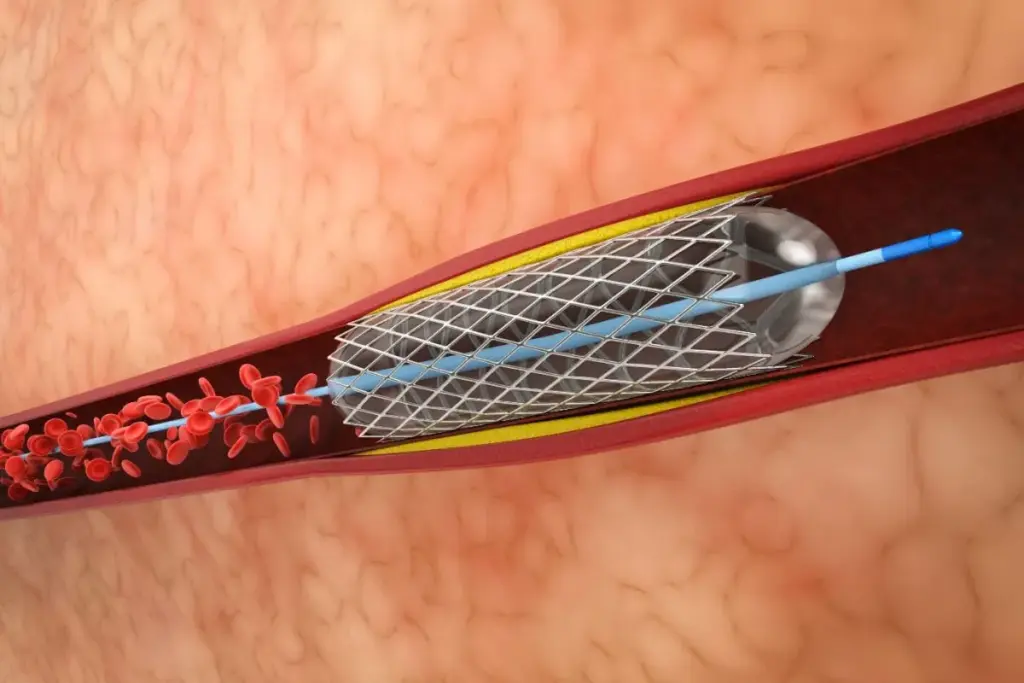
Every year, over a million people get a stent to fight coronary artery disease. This disease narrows or blocks the coronary arteries. Many wonder if a stent will set off airport security alarms. We aim to clear up this doubt and talk about stent longevity too how long do stents last.
A stent is a small, metal mesh coil that opens up the coronary arteries. Once it’s in, it stays there forever, helping blood flow to the heart. But, the fear of stents setting off airport security is real. We’ll look into how stents and airport security interact. We’ll also dive into how long stents last.
Key Takeaways
- Stents are designed to remain in the artery indefinitely.
- The presence of a stent may or may not trigger airport security alarms.
- Understanding stent longevity and its interaction with security systems is key.
- Stents improve blood flow by keeping the coronary arteries open.
- Coronary artery disease is a big problem that stents help manage.
Understanding Stents: What They Are and How They Work
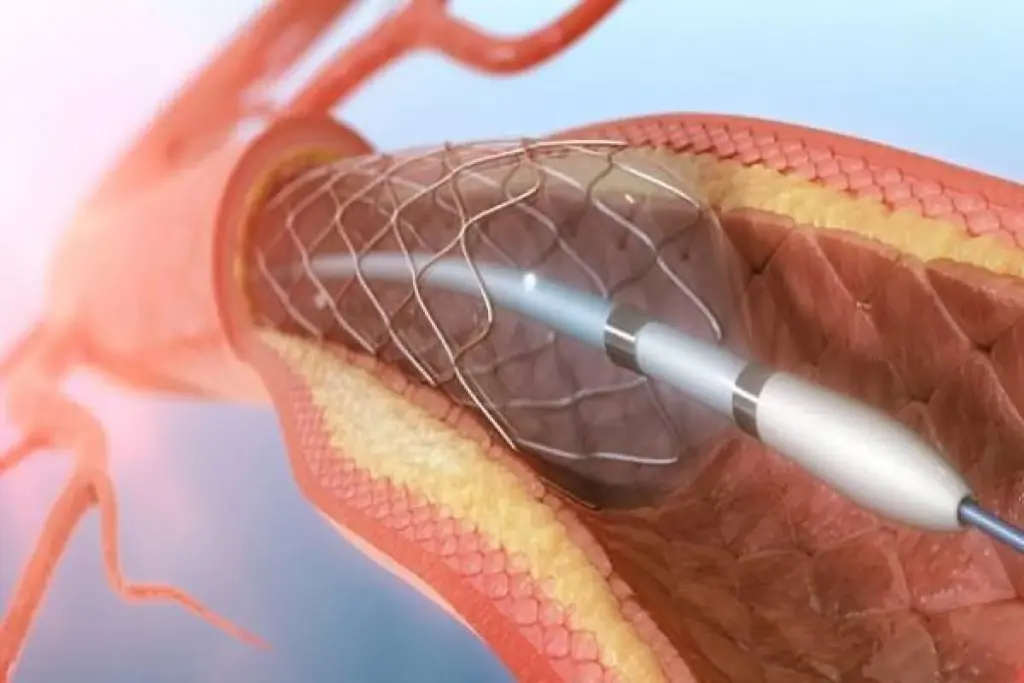
Stents play a key role in keeping our hearts healthy. They are small, expandable devices. They help treat coronary artery disease by keeping arteries open and improving blood flow.
Types of Stents Used in Medical Procedures
There are many types of stents, each with its own benefits. The main types include:
- Drug-Eluting Stents: These stents have a special coating. It helps prevent the artery from narrowing again.
- Bare Metal Stents: These stents are made of metal mesh. They provide support but don’t release medication.
- Biodegradable Stents: These stents dissolve over time. They reduce the risk of long-term problems.
Doctors choose the right stent based on the patient’s condition and medical history.
Materials Used in Modern Stent Manufacturing
The materials used in making stents have improved a lot. This makes them safer and more effective. Common materials include:
- Stainless Steel: Known for its strength, stainless steel is often used in bare metal stents.
- Cobalt-Chromium Alloys: These alloys have a thinner design. They improve flexibility and reduce risks.
- Biodegradable Polymers: Used in biodegradable stents, these materials dissolve over time. They minimize long-term risks.
The material choice depends on the stent type and the patient’s needs.
How Long Do Stents Last: Examining Stent Longevity

Many things can affect how long stents last. Stents are designed for long-term heart support, but their lifespan can vary based on several factors.
Factors Affecting Stent Durability
Several things can make a stent last longer or shorter. Patient health is very important. Conditions like diabetes or high blood pressure can shorten a stent’s life. Lifestyle choices, like diet and exercise, also play a big role.
Lifestyle changes can help a stent last longer. Eating well and exercising can keep your heart healthy. This might make your stent last longer.
|
Factor |
Impact on Stent Durability |
|---|---|
|
Patient Health |
Pre-existing conditions like diabetes can reduce stent longevity. |
|
Lifestyle Choices |
Smoking and poor diet can negatively affect stent performance. |
|
Stent Type |
Drug-eluting stents generally last longer than bare-metal stents. |
Average Lifespan of Different Stent Types
The life span of stents depends on their type. Bare-metal stents don’t last as long as drug-eluting stents. Drug-eluting stents release medicine to stop arteries from narrowing.
Drug-eluting stents are more durable and are often chosen by patients. But, their life span can also be affected by other factors.
|
Stent Type |
Average Lifespan |
Characteristics |
|---|---|---|
|
Bare-Metal Stents |
5-10 years |
Simple metal mesh design |
|
Drug-Eluting Stents |
10+ years |
Coated with medication to prevent re-narrowing |
|
Bioresorbable Stents |
Varies |
Dissolves over time, reducing long-term complications |
Airport Security Systems: How They Detect Metal Objects
Airport security systems have become more advanced in finding metal objects. These systems are key to keeping passengers and staff safe.
There are mainly two security screening technologies in airports: metal detectors and full-body scanners. Knowing the difference between them helps us understand how airport security works.
Metal Detectors vs. Full-Body Scanners
Metal detectors find metal objects on a person. They are common in airport security checkpoints because they work well at spotting metallic threats.
- Metal Detectors: These devices use electromagnetic fields to find metal. They are very sensitive and can spot different sizes and types of metal.
- Full-Body Scanners: These scanners use advanced imaging to show a detailed image of a person’s body. They can find both metal and non-metal threats, giving a more complete security check.
Metal detectors are good at finding metal, but full-body scanners can spot more, including non-metal items.
How Security Technology Has Evolved
Airport security tech has made big strides over time. Today’s systems are more precise, efficient, and can find a wider range of threats.
Some major improvements include:
- Improved Detection Capabilities: New tech can spot smaller and more varied threats.
- Enhanced Imaging: Advanced imaging gives clearer pictures, helping find hidden items.
- Increased Efficiency: Modern systems can check passengers faster, cutting down wait times.
As threats evolve, airport security must keep up. The constant development of new tech is vital for keeping air travel safe.
“The evolution of airport security technology is a continuous process, driven by the need to stay ahead of emerging threats.”
— Aviation Security Expert
Do Stents Set Off Airport Metal Detectors?
Travelers with cardiovascular implants need to know how stents work with airport security. They worry if their stent will set off metal detectors or full-body scanners at security checkpoints.
Let’s look at what stents are made of and how they might be seen by security devices. Stents are used to keep arteries open. They are usually made from metal alloys.
Metal Content in Different Stent Types
Most stents are made from stainless steel or cobalt-chromium alloys. These metals can be detected by metal detectors. But, the amount of metal and how it’s arranged can differ a lot between stent types.
|
Stent Material |
Metal Content |
Detectability |
|---|---|---|
|
Stainless Steel |
High |
Possible |
|
Cobalt-Chromium |
High |
Possible |
|
Drug-Eluting Stents |
Variable |
Less Likely |
Doctors say whether a stent will set off a metal detector depends on several things. These include the stent type, its location, and the security device’s sensitivity.
Real-World Experiences from Stent Patients
Many stent patients have gone through airport security without setting off alarms. But, some have had to go through extra checks because of their stent.
“I have traveled a lot after getting my stent, and I’ve never triggered a metal detector,” saysa stent patient. “But I always tell security about my stent and show them my medical papers.”
Having a stent card or medical papers can help when going through security. It’s also good to tell security about your stent before they scan you.
Traveling with a Stent: What to Expect at Airport Security
If you have a stent, knowing what airport security will be like is key for a worry-free trip. It’s important to get ready for the security checks you’ll face.
Pre-Travel Preparation for Stent Patients
Before you fly, there are steps to take for a smooth airport security experience. Carrying your stent card and medical info is vital. This helps security understand your situation and speeds things up.
Also, let your airline know about your health when booking or checking in online. This can help make travel arrangements for you.
- Make sure you have all your medical papers.
- Tell the airline about your health.
- Learn about the security steps.
Communication Strategies with Security Personnel
Talking well with security staff is important for a smooth experience. At the security gate, tell the officers about your stent and show your medical papers.
Being open and helpful can really help. If more checks are needed, stay calm and patient. Remember, security checks are for everyone’s safety.
With the right preparation and communication, you can go through airport security confidently, even with a stent.
Medical Documentation: What to Carry When Traveling with a Stent
Traveling with a stent means more than just a boarding pass. You need the right medical documents. These documents are key, helping you through airport security smoothly.
Managing your medical info while traveling can be tough. But, having the right documents can prevent problems. “Carrying the right medical documents is not just a precaution; it’s a necessity for a smooth journey,” say medical experts.
Essential Medical Cards and Information
A stent card is a must-have for stent patients. It has details like the stent’s type, size, and when it was put in. Also, carry:
- A summary of your medical history, focusing on cardiovascular health
- Contact information for your cardiologist or healthcare provider
- Any relevant medical test results or reports
- A list of medications you are currently taking
Having this info ready can help medical teams quickly if needed. It’s smart to have both physical and digital copies.
Digital Medical Documentation Options
Today, there are many ways to store and access medical records. Many healthcare providers offer patient portals for your records. Think about:
- Downloading a secure medical record app on your smartphone
- Carrying a portable storage device with encrypted medical files
- Sharing your medical information with a trusted family member or friend digitally
As a medical expert says, “Digital documentation can be a lifesaver in emergencies. It’s about being ready and having the right info at hand.”
By using both traditional medical cards and digital options, stent patients can be ready for anything during their travels.
Pacemakers and Airport Security: A Comparison to Stents
Pacemakers and stents are used in heart treatments but face different airport security challenges. Stents are usually okay for security scanners. But, pacemakers need extra care.
Differences in Security Contexts
Pacemakers send electrical signals to control the heart’s rhythm. Stents, being small mesh tubes, don’t pose the same risk. Pacemakers, with their complex electronics and batteries, might show up on scanners.
Key differences between pacemakers and stents in airport security contexts include:
- Detection likelihood: Pacemakers are more likely to be detected by metal detectors and some full-body scanners due to their metal casing and electronic components.
- Security protocols: Passengers with pacemakers may need to undergo additional screening or provide medical documentation to security personnel.
- Device interference: There’s a low risk of interference with pacemaker function from certain security devices.
Common Pacemaker Complications During Travel
Traveling with a pacemaker can be tricky. While rare, problems can happen. It’s key for travelers to know the risks.
|
Complication |
Description |
Precautions |
|---|---|---|
|
Device malfunction |
Rarely, security scanners could potentially interfere with pacemaker function. |
Inform security personnel about your pacemaker and follow their instructions. |
|
Battery depletion |
Travel stress might inadvertently affect pacemaker battery life. |
Check your device before travel and consult your doctor if you have concerns. |
|
Lead displacement |
Changes in air pressure or physical activity during travel might, in rare cases, affect pacemaker leads. |
Monitor for unusual symptoms and report them to your healthcare provider. |
Knowing these differences and risks helps travelers with pacemakers deal with airport security.
Stent Complications: What to Watch For While Traveling
If you have a stent, knowing the warning signs is key while traveling. Stents help your heart, but problems can happen, more so when you’re away from home.
Warning Signs of Stent-Related Issues
Look out for symptoms like chest pain or discomfort, shortness of breath, fatigue, and dizziness. If you feel any of these, get help right away.
Swelling in your legs or ankles is another sign. It could mean a stent problem or heart health issue. Also, watch for unusual bleeding or bruising. If you see it, talk to a doctor.
Emergency Protocols for Stent Patients Abroad
Have a plan for emergencies with your stent while abroad. Carry a medical alert card or wear a medical ID tag. Keep emergency numbers handy, like your cardiologist and local emergency services.
If you need urgent care, go to a local hospital or urgent care. Look up medical facilities at your destination before you go. This way, you know where to go if needed.
Knowing the risks and how to handle them lets you travel safely and confidently.
TSA Guidelines for Travelers with Medical Implants
The Transportation Security Administration (TSA) has set rules for travelers with medical implants. These rules help ensure a safe and smooth screening process. This includes people with devices like stents and pacemakers.
Official Policies Regarding Stents and Pacemakers
The TSA knows how important medical implants are for travelers’ health. They have rules to help these individuals. For example, people with implants can go through security without taking them out. But, it’s important to know the exact steps and rules.
Some key points to consider include:
- Tell the TSA officer about your medical implant before screening starts.
- Know that you might need extra screening, like a pat-down or advanced imaging.
- Be ready to show documents or talk about your implant if asked.
Requesting Special Screening Accommodations
Travelers with medical implants can ask for special screening. This can make their experience more comfortable. To do this, tell the TSA officer at the start of screening.
Some special accommodations include:
- Private screening areas for more privacy.
- Less invasive screening methods for certain medical conditions.
- Having a companion during screening, if needed.
The TSA Cares helpline is also available. It helps with questions or concerns about security with medical implants. Calling ahead can give personalized advice for airport security.
Following TSA guidelines helps travelers with medical implants have a better airport experience. Being informed and ready is key to feeling confident at security checkpoints.
International Travel Considerations for Stent Patients
For stent patients, traveling internationally comes with its own set of challenges. They must deal with different airport security systems. It’s key to know the security rules and how language barriers can affect them.
Varying Security Protocols Around the World
Security rules change from country to country. Some airports use full-body scanners, while others stick to metal detectors. Stent patients need to be ready for these differences.
Let’s look at how security varies in different places:
|
Region |
Primary Security Method |
Additional Screening |
|---|---|---|
|
North America |
Full-body scanners |
Pat-downs or additional screening for implants |
|
Europe |
Mix of metal detectors and full-body scanners |
Manual checks for certain implants |
|
Asia |
Varies by country; often advanced imaging technology |
Additional screening for high-risk passengers |
Language Barriers and Medical Communication
Language barriers can make talking about medical needs tough. Stent patients might have to explain their situation to people who don’t speak their language.
To handle this, travelers can:
- Carry a medical alert card or ID that explains their condition in multiple languages.
- Research local languages and key medical terms before their trip.
- Use translation apps or carry a phrasebook for emergencies.
By understanding these challenges and preparing, stent patients can travel internationally more easily and confidently.
Maintaining Stent Performance During Air Travel
For patients with cardiovascular implants, keeping stent performance up during air travel is key. Air travel brings unique challenges like changes in altitude and air pressure. These can impact how well the stent works.
Effects of Altitude and Pressure Changes
On a plane, the air pressure is like being at 8,000 feet. This lower pressure can make body gases expand. Stent patients need to know this and take steps to protect their stents.
|
Factor |
Effect on Stent Performance |
Recommendation |
|---|---|---|
|
Altitude/Pressure Changes |
Potential expansion of gases within the body |
Stay hydrated, move regularly |
|
Low Humidity |
Increased risk of dehydration |
Drink plenty of water |
|
Prolonged Sitting |
Increased risk of blood clots |
Regularly stand and stretch |
Hydration and Movement Recommendations
Drinking lots of water is essential to counter air travel’s effects on stents. Drink at least 8 ounces of water for every hour of flight time.
Moving around is also important. Standing and stretching can prevent blood clots and improve blood flow. Stent patients should walk up and down the aisle every two hours.
“Staying hydrated and moving regularly are simple yet effective strategies for maintaining stent performance during air travel.”
By understanding air travel’s impact on stents and taking action, patients can reduce risks. This way, they can enjoy a safe and healthy trip.
Technological Advancements in Stent Design and Security Compatibility
New stent materials and designs are changing how these devices work with airport security. Medical tech is getting better, making stents more effective and safe for security checks.
New Materials and Their Security Implications
New stent materials are a big deal for security. Here are some key points:
- Biocompatible Materials: Today’s stents are made from materials that are safe for the body and don’t set off alarms.
- Drug-Eluting Stents: These stents release medicine to keep arteries open. They’re made to be safe and won’t trigger alarms.
- Absorbable Stents: These stents dissolve in the body, reducing long-term risks. They might have different security issues as they break down.
Future Developments in Medical Implant Technology
We’re expecting even more changes in stent tech. These will make stents better and safer for security checks. Some ideas include:
- Smart Stents: Stents with sensors to track health, possibly changing how they’re seen by security scanners.
- Advanced Materials: New materials that work better with security systems, maybe cutting down on extra checks.
- Personalized Stents: Stents made just for each patient, possibly thinking about security too.
As these technologies grow, we’ll see stents that are more effective and fit right into security checks. This will make traveling and public places safer and easier.
Common Myths About Stents and Airport Security
The link between stents and airport security is often misunderstood. As medical tech improves and more people travel with stents, it’s key to know what’s true. This ensures a smooth trip for everyone.
Debunking Misconceptions About Stent Detection
Many think stents always set off metal detectors at airports. But, detection depends on the stent’s type and metal. Most stents today are made from materials that rarely trigger detectors, like cobalt-chromium or platinum-chromium alloys.
To clear things up, let’s look at how different stents are detected:
|
Stent Type |
Material |
Detection Rate |
|---|---|---|
|
Bare-metal stent |
Stainless Steel |
High |
|
Drug-eluting stent |
Cobalt-Chromium |
Low |
|
Bioresorbable stent |
Polymer-based |
Very Low |
Separating Fact from Fiction in Travel Advice
Some believe having a stent means extra screening at airports. But, not everyone with a stent gets extra checks. The TSA has rules for travelers with medical implants, including stents.
To avoid any trouble, we suggest:
- Carrying a medical ID or a doctor’s letter about your stent.
- Telling security about your stent before they scan you.
- Knowing the TSA’s rules on medical implants.
Knowing the facts and being ready helps travelers with stents pass through airport security easily. It’s vital to stay current with travel and medical advice.
Personal Stories: Traveling with Cardiovascular Implants
Patients with stents have unique stories about airport security. These stories offer insights into the challenges and successes of traveling with cardiovascular implants.
Stent Patient Experiences at Security Checkpoints
Many stent patients have shared their airport security experiences. Some stents were detected by metal detectors, while others were not. For example, one patient was allowed to pass through after telling security about her stent.
Another patient, who had a stent after a heart attack, was worried about security. But, after explaining his situation to staff, he passed through without trouble.
Lessons Learned from Frequent Travelers with Implants
Frequent travelers with implants have learned important lessons. One key lesson is to carry medical documents. This includes a doctor’s letter and medical records.
Another lesson is to be ready for extra screening. Even though most stents are safe for scanners, extra checks might be needed.
|
Travel Tip |
Description |
Benefit |
|---|---|---|
|
Carry Medical Documentation |
Bring a doctor’s letter and relevant medical records |
Eases security process |
|
Inform Security Personnel |
Let them know about your cardiovascular implant |
Reduces likelihood of additional screening |
|
Be Prepared for Additional Screening |
Understand that extra checks may be necessary |
Reduces stress and anxiety |
We hope these personal stories and lessons help those with cardiovascular implants who are planning to travel.
Expert Advice: Cardiologists’ Recommendations for Travel
Cardiologists offer valuable tips for stent patients planning to travel. Traveling with a stent needs careful planning and understanding how to manage your health away from home. We’ll share the main advice from cardiologists to ensure a safe and fun trip for stent patients.
Pre-Travel Medical Consultations
Cardiologists advise stent patients to have a pre-travel medical check-up. This check-up is key to assess your health and give travel advice tailored to you. Your cardiologist will look at your medical history, check your stent, and guide you on managing your health while traveling.
Key aspects to discuss during your pre-travel consultation include:
- Any changes in your health or symptoms you’ve experienced recently
- Medications you’re currently taking and how to manage them while traveling
- Specific travel plans, including destinations and activities
- Emergency procedures and contact information for local healthcare providers at your destination
Talking about these topics helps you prepare for your trip and reduces risks of traveling with a stent.
Long-Term Stent Care While Away from Home
It’s vital to keep up with long-term stent care while traveling. Cardiologists suggest sticking to your prescribed medication without skipping doses. Also, drink plenty of water, eat healthily, and stay active.
Additional tips for long-term stent care while traveling include:
- Carrying a medical alert card or wearing a medical ID that indicates you have a stent
- Staying physically active, with regular walks and appropriate exercise
- Avoiding excessive alcohol consumption and smoking
- Being aware of the signs of possible stent complications and knowing when to seek medical help
By following these tips, stent patients can enjoy their travels safely and minimize risks.
Traveling with a stent needs a proactive health management approach. By getting advice from cardiologists and following their tips, stent patients can have a safe and enjoyable trip. Whether it’s a short or long trip, being prepared and informed is essential for keeping your heart healthy while traveling.
Conclusion: Navigating Airport Security Confidently with a Stent
We’ve looked into how stents and airport security work together. We found out that stent patients can go through security checks easily. Knowing that stents are made from different materials and can set off security systems is key.
Stent patients can prepare well for airport security by knowing their stent type and metal content. They should also carry the right medical papers. This way, they can feel sure about going through security.
Stent patients can now fly with confidence. They know that with the right info and prep, they can get through security without trouble. By following our advice, they can have a hassle-free trip.
FAQ
How long do stents typically last?
Stent lifespan varies by type, patient health, and lifestyle. Bare-metal stents might last 10 to 15 years. Drug-eluting stents can last 15 years or more with proper care.
Will a stent trigger an airport metal detector?
Modern stents might or might not trigger metal detectors. It’s possible for a stent to set off a detector. The likelihood depends on the stent’s metal content and the detector’s sensitivity.
What should I do if my stent sets off the airport metal detector?
If your stent triggers the detector, tell security and show your medical documents. They might use a pat-down or full-body scan instead.
How can I prepare for airport security with a stent?
Carry medical documents about your stent and any other implants. A medical ID card is helpful. Inform security about your condition.
Are there any specific TSA guidelines for travelers with stents?
The TSA allows special screening for stent patients. Tell TSA officers about your stent and any concerns. They’ll help you through the process.
Can I travel internationally with a stent?
Yes, you can travel with a stent internationally. Be aware of different security rules and language barriers. Research your destination’s security and carry a translated medical summary.
How can I maintain my stent’s performance during air travel?
Stay hydrated, move often, and follow your doctor’s advice. Be careful of altitude and pressure changes on your heart.
Are there any new developments in stent design that affect security compatibility?
New stent designs might change how they interact with scanners. Stay updated and talk to your cardiologist about any concerns.
What are the common complications associated with pacemakers during travel?
Pacemaker patients might face malfunctions or interference during travel. Understanding pacemakers and stents is key. Take precautions when traveling.
How can I manage my stent care while traveling abroad?
Research local healthcare, keep documents handy, and stay in touch with your cardiologist. Register with your country’s travel advisory service for emergencies.
What are the warning signs of stent-related issues while traveling?
Watch for chest pain, shortness of breath, or dizziness. These could be stent problems. Seek medical help right away if you notice these signs.
Can I request special screening accommodations for my stent?
Yes, you can ask for special screening by telling TSA or security about your stent. They’ll find a suitable method for you.
References
National Center for Biotechnology Information. Evidence-Based Medical Insight. Retrieved from https://pmc.ncbi.nlm.nih.gov/articles/PMC1964703/[3



 Departments
 Related Videos
 Our Doctors
 News
News