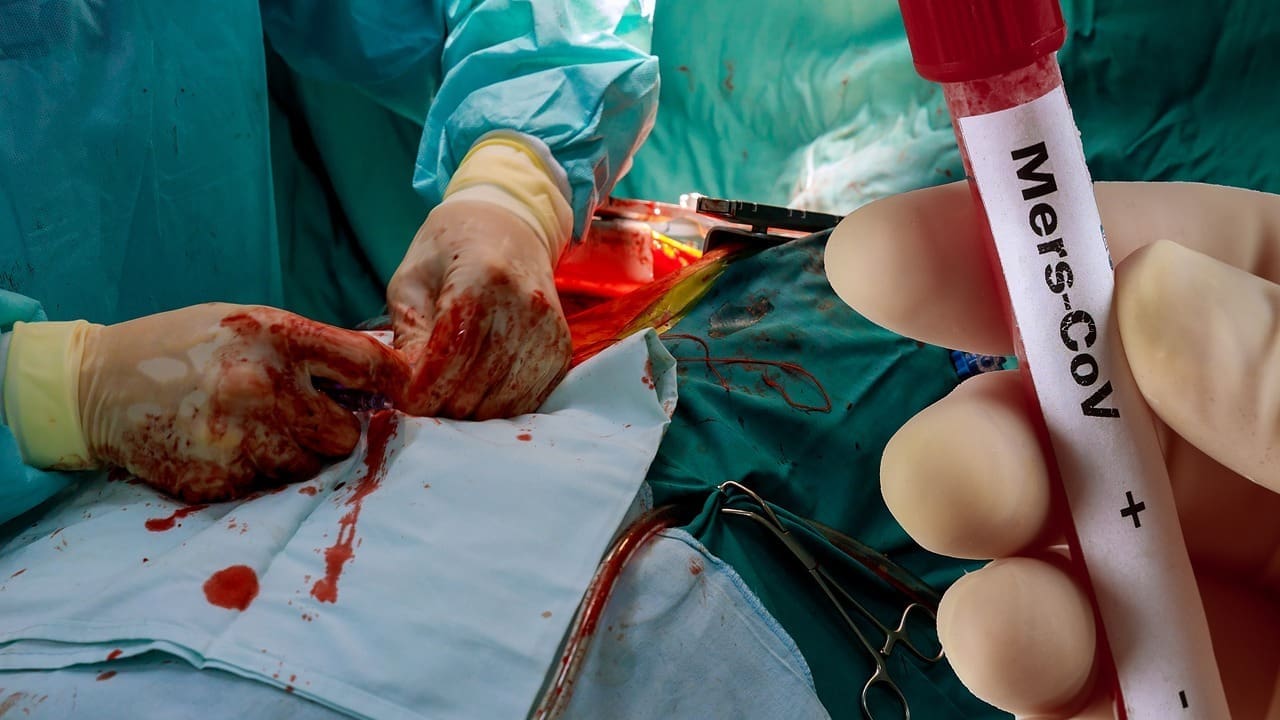
At Liv Hospital, we know that Green Light Laser Prostate Surgery is a big deal for those with BPH. This new, less invasive method uses a laser to remove extra prostate tissue. It’s better than old surgeries because it causes less bleeding and you heal faster.
Patients often ask about what happens after surgery. It’s normal to see some bleeding or pink urine for days to two weeks. Most can go back to light activities at home in 3-5 days. We aim to give you all the info you need for a smooth recovery.
Key Takeaways
- Green Light Laser Prostate Surgery is a minimally invasive procedure for treating BPH.
- Mild bleeding can last for several days to up to two weeks after surgery.
- Most patients can resume light activities within 3-5 days.
- The procedure offers benefits like less bleeding and quicker recovery.
- Understanding the recovery process is key to managing your expectations.
Understanding Green Light Laser Prostate Surgery
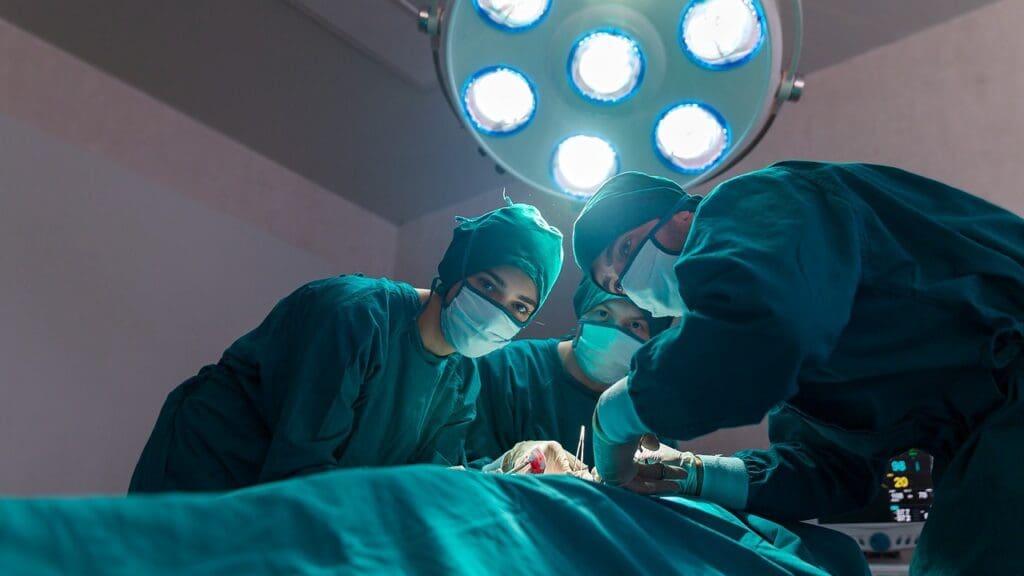
Green Light Laser Prostatectomy is a new way to treat BPH. It uses a laser to remove extra prostate tissue. This helps improve urine flow and reduces BPH symptoms.
What is Green Light Laser Prostatectomy?
Green Light Laser Prostatectomy is a modern surgery. It uses a laser to remove prostate tissue. The laser’s light is absorbed by the tissue, making it vaporize without harming nearby areas.
Key aspects of Green Light Laser Prostatectomy include:
- Minimally invasive procedure
- Reduced risk of bleeding
- Less postoperative pain
- Shorter hospital stays
How the Procedure Works
The surgeon uses a cystoscope to see the prostate and urethra during the surgery. A laser fiber is inserted through the cystoscope. It delivers energy to the prostate tissue, vaporizing it and improving urine flow.
Benefits of Green Light Laser Technology
The Green Light Laser technology has many significant benefits, including:
- Reduced Bleeding Risk: The laser’s precision reduces bleeding, making it safer for patients at risk of hemorrhage.
- Less Postoperative Pain: Patients usually feel less pain after the surgery compared to traditional methods.
- Shorter Recovery Time: The procedure’s minimally invasive nature allows for quicker recovery, enabling patients to return to their normal activities sooner.
Candidates for Green Light Laser Surgery
Men with moderate to severe BPH symptoms who haven’t responded to medication are good candidates. A patient’s suitability is determined by a thorough evaluation, including medical history and diagnostic tests.
“Green laser prostate surgery is effective, with clinical studies showing durable symptom improvement and a high success rate comparable to traditional TURP but with faster recovery and less bleeding.”
Preparing for Green Light Laser Surgery
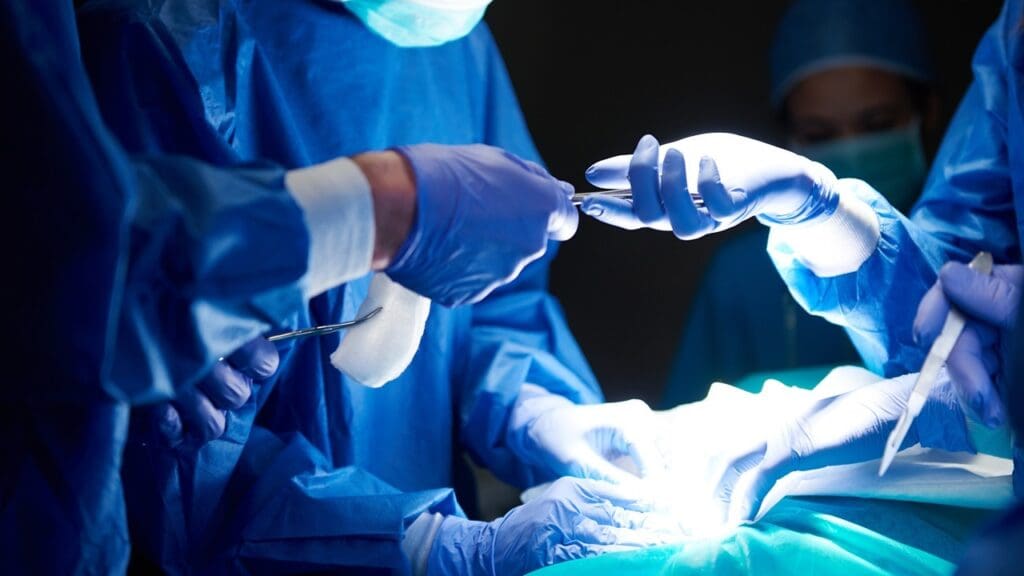
To make sure Green Light Laser Surgery goes smoothly, patients get tested and checked before the surgery. This step is key to knowing the patient’s health and any risks the surgery might have.
Pre-Surgical Testing and Evaluation
We do a bunch of tests to see how healthy the patient is. These tests might include:
- Blood work to check overall health and find any hidden issues
- Urinalysis to look for infections or problems in the urinary tract
- Prostate-specific antigen (PSA) testing to check the prostate’s health
- A look at the patient’s medical history to spot any risks
These tests help us make a treatment plan that fits the patient’s needs. This way, we can make sure they get the best results.
Medication Adjustments Before Surgery
Some medicines can mess with the surgery or how the patient recovers. Anticoagulants, for instance, might need to be changed or stopped to avoid bleeding. We help patients adjust their meds before the surgery.
It’s very important for patients to tell us about all their medicines. This includes any supplements or over-the-counter drugs. This helps keep them safe during the surgery.
What to Expect on Surgery Day
On surgery day, patients will go to the hospital or surgical center. They’ll get ready for the procedure. This includes getting anesthesia to make sure they’re comfortable.
The surgical team will then get the patient ready for the surgery. The Green Light Laser Surgery will be done.
We know surgery can make patients nervous. Our team is here to help and support you. We want to make sure you feel informed and comfortable every step of the way.
The Green Light Laser Procedure
The Green Light Laser procedure is a modern way to treat prostate issues. It’s a quick and minimally invasive solution. This technology has changed how we handle enlarged prostate conditions.
Anesthesia Options
We use spinal or general anesthesia to keep patients comfortable during surgery. Spinal anesthesia numbs the lower body. General anesthesia makes you unconscious. The choice depends on your health and what you prefer.
How Long Does Green Light Laser Surgery Last?
The surgery usually takes about one hour. But it can vary based on your prostate size and the case’s complexity. Our team works efficiently to ensure your care.
What Happens During the Procedure
A cystoscope is inserted through the urethra to see the prostate. The laser then vaporizes the extra tissue, improving urine flow. This method is precise, causing less damage and a quicker recovery.
Many patients worry about surgery. Our team is here to support you fully, from start to finish.
How Long Do You Bleed After Green Light Laser Surgery?
Bleeding after Green Light Laser Surgery is a common worry for patients. Knowing what to expect can help ease your mind. We’re here to guide you through your recovery.
Normal Bleeding Patterns Post-Surgery
After the surgery, some bleeding or pink-tinged urine is normal. This can last from a few days to two weeks. The Green Light Laser tech aims to reduce bleeding by sealing small blood vessels.
Keep an eye on your bleeding and report any changes. Following your doctor’s post-op instructions is key to a smooth recovery.
When Bleeding Should Subside
Bleeding or spotting usually gets better over time. Most patients see a big drop by the end of the second week. But, everyone heals at their own pace.
Factors That May Prolong Bleeding
Several things can affect how long you bleed after surgery. These include:
- Strenuous activities
- Certain medications that affect clotting
- Individual healing rates
Talk to your doctor about any meds you’re on before surgery. This can help you understand how they might affect your recovery.
Signs of Abnormal Bleeding
While some bleeding is normal, some signs may mean there’s a problem. These include:
| Signs | Description |
|---|---|
| Heavy Bleeding | Bleeding as heavy as or heavier than your period |
| Blood Clots | Passing large clots, bigger than a quarter |
| Severe Pain | Pain that doesn’t get better with pain meds |
If you see any of these signs, call your doctor right away. We’re here to support you through your recovery.
“The key to a successful recovery is understanding what to expect and being aware of the signs that may indicate a need for medical attention.”
The Immediate Recovery Period (Days 1-5)
Knowing what to expect after Green Light Laser Surgery helps patients prepare for a smooth recovery. The first days are key for a successful healing process.
Hospital Stay Duration
Most patients stay in the hospital for just a day or night. This short hospital stay is a big plus of Green Light Laser Surgery. It lets patients recover at home.
Managing Pain and Discomfort
Dealing with pain and discomfort is a top priority. We give out pain meds as needed. It’s important to take them as directed for a comfortable recovery.
Some common issues include:
- Mild discomfort
- Urinary frequency
- Urgency
Initial Activity Restrictions
At first, patients should avoid heavy lifting, bending, or hard exercise. Rest is key to let the body heal. Most can start with light activities in 3-5 days.
Catheter Management
Managing the catheter is important after surgery. We teach how to remove and watch for urinary problems. Proper care is essential to avoid issues.
By following these tips, patients can have a smoother recovery after Green Light Laser Surgery.
Managing Urinary Symptoms During Recovery
After Green Light Laser Prostate Surgery, managing urinary symptoms is key. Patients may face various issues, but these are normal parts of healing.
Common Urinary Issues After Surgery
Patients often feel urgent, need to urinate more, and have a weak stream after surgery. This is because the prostate and bladder area are adjusting.
Some common issues include:
- Urgency: A sudden, intense need to urinate.
- Frequency: Needing to urinate more often than usual.
- Weak Stream: A decrease in the force or flow of urine.
Medications Like Flomax After Greenlight Surgery
Medications like Flomax (tamsulosin) can help. Flomax relaxes the muscles in the prostate and bladder neck. This makes it easier to urinate, reducing urgency and frequency.
It’s essential to follow the prescribed dosage and consult with your healthcare provider about any concerns or side effects.
When to Expect Improvement
Improvement in urinary symptoms varies. Most men see improvement in a few weeks. But, some symptoms may last a few months as the body heals.
Patience and adherence to the prescribed treatment plan are key to optimal recovery.
Managing Urgency and Frequency
Managing urgency and frequency requires lifestyle changes and, if needed, medication. Techniques like double voiding can help. Also, limit fluids before bed and avoid caffeine and spicy foods.
Understanding and managing urinary symptoms makes recovery easier. It’s important to stay in touch with your healthcare provider to address any concerns or changes in symptoms.
Week-by-Week Recovery Timeline
The journey to recovery after Green Light Laser Prostate Surgery is different for everyone. Yet, a general timeline can offer helpful insights. Knowing what to expect can help manage hopes and support a smoother healing path.
First Week Post-Surgery
The first week is often the toughest, with many experiencing urinary issues and discomfort. A catheter is usually used during this time to help with these problems. It’s important for patients to rest and avoid hard activities during this period.
Weeks 2-3 Recovery Milestones
By weeks 2-3, many start to feel better, with a rise in activity levels. Urinary problems lessen, and the catheter is often removed. Patients can start doing some normal things again, but should avoid heavy lifting and hard exercise.
Weeks 4-6 and Complete Recovery
By weeks 4-6, most patients see big improvements in their recovery. They can start doing more normal things, like driving and going back to work. But, they should avoid jobs that require a lot of physical effort. Full recovery, including better urinary symptoms, can take up to 4-6 weeks.
Long-term Healing Process
The healing process after Green Light Laser Surgery takes time, with gradual improvements over months. The prostate heals, and symptoms get better. Patients should stay patient and keep up with their healthcare provider to track their healing and address any issues.
Activity Restrictions During Recovery
Knowing what activities to avoid after Green Light Laser Surgery is key to a good recovery. Some activities can put too much pressure on the prostate area. This might cause problems or slow down healing.
Driving a Car After Prostate Surgery
It’s best to not drive for at least a week after surgery. This helps avoid bleeding and makes driving more comfortable. It also lets your body start healing without extra stress.
“You can start driving again when you feel okay and are off pain meds,” advises a top urologist.
Returning to Work Guidelines
When you can go back to work depends on your job and how fast you heal. Usually, people can return in a few weeks. But, if your job is very physical, you might need more time.
- Desk jobs: Typically, 1-2 weeks off
- Jobs involving physical labor: 4-6 weeks off
Exercise and Lifting Restrictions
For a few weeks, avoid heavy lifting and intense exercise to protect the prostate area. Don’t do:
- Heavy lifting (more than 25 pounds)
- Strenuous exercise or bending
- High-impact activities
Light walking is okay to help with healing and keep blood flowing.
Sexual Activity Considerations
Sex might be off-limits at first after surgery. Your doctor will tell you when it’s safe. Usually, it’s a few weeks, but always listen to your doctor’s advice.
Key Takeaway: Sticking to these rules helps avoid problems and makes recovery smoother after Green Light Laser Surgery.
Comparing Green Light Laser to Traditional TURP
It’s important to know the differences between Green Light Laser Surgery and traditional TURP for those thinking about prostate surgery. We’ll look at the main differences, focusing on how they affect recovery and results.
Bleeding Differences Between Procedures
Green Light Laser Surgery has a big advantage: it causes less bleeding. This is because the laser works by coagulating, unlike traditional TURP. Research shows Green Light Laser Surgery leads to less bleeding and fewer blood transfusions than TURP.
Recovery Time Comparison
Green Light Laser Surgery also has a quicker recovery time compared to TURP. Most patients can get back to their usual activities sooner after laser surgery. This is because laser surgery is less invasive.
- Faster return to normal activities
- Less downtime due to fewer complications
- Reduced risk of infection
Hospital Stay Requirements
The length of hospital stay also differs. Green Light Laser Surgery is often done on an outpatient basis, so many patients can go home the same day. Traditional TURP, being more invasive, usually requires a longer stay in the hospital.
Long-term Outcomes
Both Green Light Laser Surgery and traditional TURP can improve urinary symptoms in the long run. But, the choice depends on the patient’s health and prostate condition. It’s key for patients to talk to their doctor to decide what’s best for them.
In summary, Green Light Laser Surgery has benefits like less bleeding, quicker recovery, and shorter hospital stays. Knowing these differences helps patients make better choices for their care.
Success Rates of Green Light Laser Surgery
Clinical evidence shows Green Light Laser Surgery works well for men with Benign Prostatic Hyperplasia (BPH). Many studies prove its success, improving symptoms and quality of life.
Clinical Studies and Outcomes
Studies have looked at Green Light Laser Surgery’s effects. A Journal of Urology study found better urinary flow and symptom scores after the surgery. These results match other research, showing the procedure’s success.
Symptom Improvement Statistics
Green Light Laser Surgery greatly helps with urinary symptoms. Most patients see big improvements in urgency, frequency, and weak stream. For example, a trial showed a 70% symptom score boost post-surgery.
Patient Satisfaction Rates
Patient satisfaction with Green Light Laser Surgery is high. This is because of the procedure’s positive results and its minimally invasive nature.
“The Green Light Laser Surgery has been a game-changer for me. I can now enjoy a normal life without the constant urgency and frequency that previously disrupted my daily activities.”
These stories highlight the procedure’s life-changing effects.
Long-term Effectiveness
The long-term success of Green Light Laser Surgery is key. Follow-up studies show lasting benefits, with many patients keeping their improved symptoms for years. This shows the procedure’s lasting relief for BPH patients. For more on Green Light Laser Therapy, visit Wisconsin Urology.
Conclusion
Knowing what to expect after Green Light Laser Surgery can ease worries and lead to better results. This surgery is a safe and effective way to treat BPH in men. It offers a quick recovery and big improvements in symptoms.
Managing bleeding, urinary issues, and activity limits during recovery is key. This helps patients get the best results. The surgery’s high success rate and lasting symptom relief make it a top choice for BPH treatment.
Green Light Laser Prostate Surgery has a strong track record and many benefits. It’s a great option for both patients and doctors. If you’re thinking about this surgery, talk to your doctor. They can help decide if it’s right for you and what to expect during recovery.
How long do you typically bleed after Green Light Laser Surgery?
Bleeding after Green Light Laser Surgery can last from a few days to two weeks. This varies based on how active you are and your overall health.
What is the success rate of Green Light Laser Surgery?
The success rate of Green Light Laser Surgery is high. Most patients see big improvements in their urinary symptoms and quality of life. This is backed by many clinical studies.
How long does it take to recover from Green Light Laser Prostate Surgery?
Recovery time varies, but most can get back to normal in a few weeks. They see big improvements in their urinary symptoms over the weeks after surgery.
Can I drive a car after prostate surgery?
It’s best not to drive for at least a week after surgery. This is because of the risk of bleeding and discomfort while driving.
What are the benefits of Green Light Laser Prostatectomy compared to traditional TURP?
Green Light Laser Prostatectomy has many benefits. It has less bleeding risk, less pain after surgery, and shorter hospital stays than traditional TURP.
How long does Green Light Laser Surgery last?
The Green Light Laser Surgery procedure usually takes about an hour. This depends on the size of the prostate and how complex the case is.
What medications are used after Green Light Laser Surgery to manage urinary symptoms?
Medications like Flomax (alpha-blockers) may be given. They help by relaxing the muscles in the prostate and bladder neck, easing urinary symptoms.
Are there any activity restrictions after Green Light Laser Surgery?
Yes, there are activity restrictions at first. Avoid heavy lifting, bending, or strenuous exercise. Your healthcare provider will give specific guidance based on your recovery.
What is Green Light Laser Prostatectomy?
Green Light Laser Prostatectomy is a surgery that uses a laser to remove the part of the prostate that blocks urine flow. It helps alleviate BPH symptoms.
What can I expect during the recovery period after Green Light Laser Surgery?
During recovery, you might have urinary symptoms like urgency, frequency, and a weak or intermittent stream. These can be managed with medication and lifestyle changes.
References
- QProstate: https://qprostate.com.au/greenlight-laser-prostatectomy/post-operative-care/
- Urology Specialists of Austin: https://urologyspecialistsaustin.com/prostate/greenlight-laser/
- Wisconsin Urology: https://wisconsinurology.com/our-services/procedures/prostate-procedures/greenlight-laser-therapy/
- Boston Scientific: https://www.bostonscientific.com/content/dam/bostonscientific/uro-wh/general/ams/Resources/GL-00251_GreenLight_Patient_FAQ.pdf
- Melbourne Urology Centre: https://melbourneurologycentre.com.au/greenlight-laser-prostate-surgery/