
Knowing your menstrual cycle is key to staying healthy. A normal menstrual cycle can vary a lot, lasting between 21 and 35 days. The average is about 28 days. We explain how long does a female period last and what the normal range is for bleeding duration across cycles.
At Liv Hospital, we focus on teaching patients about women’s health. The normal duration of a period is usually 3 to 7 days. It’s important to know what a normal period looks like to spot health problems early.
Knowing the signs of a normal menstrual cycle helps you understand your body. It lets you make smart choices about your health.
Key Takeaways
- A normal menstrual cycle typically ranges from 21 to 35 days.
- The average period duration is between 3 and 7 days.
- Understanding your menstrual cycle is vital for overall health.
- Variations in period symptoms can indicate possible health issues.
- Regular check-ups with healthcare providers can help keep reproductive health in check.
The Basics of Menstruation
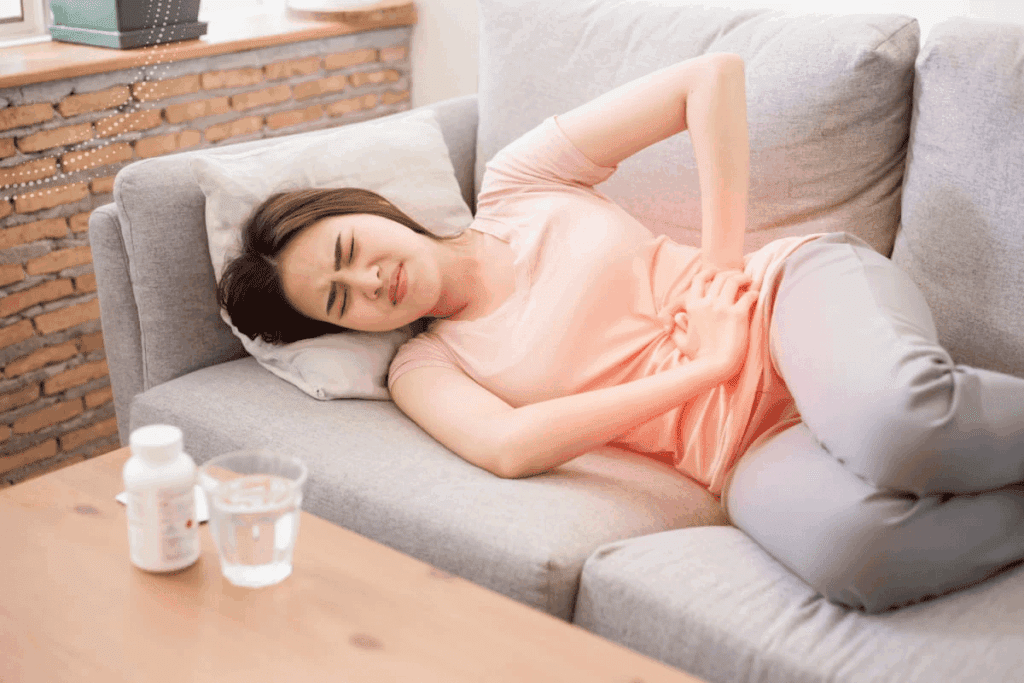
The menstrual cycle is a complex process that prepares the body for pregnancy. It’s a natural part of a woman’s life. Knowing the basics is key to managing reproductive health.
What Happens During a Period
During a period, the uterus sheds its lining, causing menstrual bleeding. This happens when there’s no pregnancy. The bleeding is a mix of blood and tissue from the uterine lining. Menstrual flow can vary in heaviness and duration among women.
The first days of a period, days 1 through 5, usually have the heaviest menstrual flow. The bleeding gets lighter as the cycle goes on. Knowing this can help women prepare for their periods.
The Four Phases of the Menstrual Cycle
The menstrual cycle has four phases: menstruation, the follicular phase, ovulation, and the luteal phase. Each phase has its own changes.
- Menstruation: The shedding of the uterine lining, marking the beginning of the cycle.
- Follicular Phase: This phase overlaps with menstruation. It involves the growth of follicles in the ovaries, which produce estrogen.
- Ovulation: The release of an egg from the ovary, typically occurring mid-cycle.
- Luteal Phase: After ovulation, the empty follicle forms the corpus luteum. It produces progesterone to prepare the uterine lining for a possible pregnancy.
Hormonal Fluctuations Throughout the Cycle
Significant hormonal changes happen throughout the menstrual cycle. Estrogen and progesterone are the main hormones involved. Estrogen levels rise during the follicular phase, helping the uterine lining grow. Progesterone levels increase during the luteal phase, getting the lining ready for implantation.
Phase | Primary Hormone | Physiological Change |
Menstruation | Low Estrogen & Progesterone | Shedding of uterine lining |
Follicular Phase | Estrogen | Growth of uterine lining |
Ovulation | Estrogen Peak | Release of egg |
Luteal Phase | Progesterone | Preparation for implantation |
These hormonal changes can cause physical and emotional symptoms. It’s important for women to understand their cycle to manage their health well.
How Long Does a Female Period Last?
Knowing how long a female period lasts is key for good reproductive health. The length of a period can change a lot among women. Many things can affect this change.
The Standard 3-7 Day Duration
A menstrual period usually lasts 3 to 7 days. This is the usual time for most women. During this time, the uterus sheds its lining, causing bleeding. Most women lose about 2 ounces of blood during their entire menstrual period, though it can vary.
What’s Considered Normal vs. Abnormal Length
While the average is 3-7 days, what’s normal can vary a bit. Periods from 2 to 9 days are okay for some women. But, periods much shorter or longer might mean there’s a health problem.
- Periods less than 2 days are considered short.
- Periods over 7 days are seen as prolonged.
- Both short and long periods can be caused by many things, like hormonal imbalances, lifestyle, and health.
First Periods vs. Established Cycles
For teens, the first year or two of menstruation can be irregular and longer. As women get older, their cycles often become more regular. Adults assigned female at birth usually have more predictable cycles, lasting from 21 to 35 days.
It’s important to know the difference between first periods and established cycles for menstrual health. Age, weight, hormonal changes, and reproductive health all play a big role in how long and regular periods are.
The Complete Menstrual Cycle Timeline
The menstrual cycle, often called a period, is complex and varies among women. It’s key for reproductive health and planning a family. We’ll cover the average cycle length, what’s normal, and how to figure out your cycle.
Average 28-Day Cycle Explained
The average cycle lasts about 28 days, from the start of one period to the next. But, it can differ a lot among women. For a typical 28-day cycle, ovulation usually happens around day 14.
During the first half, the body gets ready for ovulation by making more estrogen. After ovulation, the luteal phase starts. This is when progesterone increases to get the uterine lining ready for a baby.
Normal Range of 21-35 Days
While 28 days is the average, cycles can be from 21 to 35 days. Things like stress, weight changes, and health can affect cycle length. Many women’s cycles change from month to month, and that’s usually okay.
It’s common for cycles to be irregular in the first few years of menstruation. As women get closer to menopause, cycles may become irregular again.
How to Calculate Your Cycle Length
To find your cycle length, count from the first day of your period to the day before the next one. For example, if your period starts on January 1st and the next one on January 29th, your cycle is 28 days.
Tracking your cycle helps you understand your body’s rhythms and spot any irregularities. Use a calendar, app, or period tracker to log your period’s start and end dates. This way, you can learn about your fertility window and menstrual health.
Knowing and tracking your menstrual cycle is a powerful tool for managing reproductive health. By understanding your average cycle and what’s normal for you, you can spot any issues and talk to healthcare professionals if needed.
Menstrual Flow Patterns and Volume
Menstrual flow varies from woman to woman. It’s important to know what’s normal. The blood lost during a period can be light, moderate, or heavy.
What Days of Your Period Are the Heaviest?
The first two days of your period are usually the heaviest. This is because the uterus is shedding its lining. This lining builds up in case of pregnancy.
Understanding your menstrual flow helps with hygiene and preparing for heavy days. The heaviest flow can vary, but often it’s on the second day.
Normal Blood Loss (30ml Average)
A woman loses about 30 milliliters of blood on average. This is like two to four tablespoons. Normal blood loss ranges from 20 to 60 ml. Blood loss in this range is usually okay.
“The average blood loss during menstruation is about 30 ml, with a range of 20 to 60 ml being considered normal.”
How to Recognize Heavy Bleeding (Over 80ml)
Heavy bleeding, or menorrhagia, is over 80 ml per cycle. If you’re changing pads or tampons every hour, or seeing large clots, you might be bleeding too much.
Knowing the signs of heavy bleeding is key. It can cause health problems like anemia. If you’re worried, talk to a healthcare provider.
Factors That Influence Period Duration and Flow
Many things can change how long and how much you bleed during your period. Knowing what these are can help you take care of your menstrual health. It can also help you spot any problems.
Age-Related Changes in Menstruation
Age is a big factor in how your period works. When you first start getting periods, they might not be regular because of hormone changes. As you get closer to menopause, usually in your late 40s or early 50s, your periods might get irregular again before stopping.
“The menstrual cycle is a complex interplay of hormones, and age is a key factor that influences this delicate balance,” says Medical Expert, a gynecologist. “As women age, their menstrual cycles can change significantly.”
Impact of Weight and Body Composition
Your weight and body shape can also change your period. Big changes in weight can mess with hormone levels, affecting how long and how much you bleed. Being too thin or too heavy can mess with ovulation and make your periods irregular.
- Maintaining a healthy weight can help regulate menstrual cycles.
- Extreme weight loss or gain can lead to menstrual irregularities.
- Body composition, including fat distribution, can influence hormone production.
Hormonal Contraception Effects
Hormonal birth control, like pills, patches, or IUDs, can change how much and how long you bleed. These methods change your body’s hormone levels, which can make your periods lighter, heavier, or even stop.
For example, some hormonal IUDs can make your periods very light or even stop them. Starting or stopping hormonal birth control can also change how much you bleed as your body adjusts.
Stress and Lifestyle Influences
Stress and your lifestyle can also affect your period. High stress can mess with the part of your brain that controls hormones, leading to irregular periods or changes in flow.
Things like diet, exercise, and sleep can also impact your menstrual health. For example, too much exercise or big diet changes can affect hormone levels and your menstrual cycle.
In conclusion, many factors can change how long and how much you bleed during your period. By understanding these, you can take better care of your menstrual health. If you notice big changes, it’s a good idea to talk to a doctor.
Common Period Symptoms and Their Timeline
Menstruation brings physical and emotional changes that follow a timeline. Knowing these symptoms and when they happen helps women manage their periods better. This can improve their quality of life.
Physical Symptoms: Cramping, Fatigue, and Bloating
Physical symptoms are common during menstruation. Cramping is a big one, caused by the uterus contracting. This can be mild or severe. Fatigue is also common, due to hormonal changes that make you feel tired. Many women also experience bloating, which can make them feel like they’ve gained weight.
These symptoms can change in intensity. They are influenced by hormonal changes throughout the cycle.
Emotional and Psychological Changes
Emotional and psychological changes are a big part of menstruation for many women. Hormonal shifts can cause mood swings, irritability, and feelings of anxiety or sadness. Some women feel more emotionally sensitive, leading to more emotional outbursts or deeper lows.
When Symptoms Typically Begin and End
Symptoms usually start a few days before bleeding begins and last into the first few days of the period. The timing varies, but most symptoms peak in the first two days.
Symptom | When It Typically Starts | When It Typically Ends |
Cramping | 1-2 days before period | 2-3 days into period |
Bloating | 2-3 days before period | 2-3 days into period |
Mood Swings | 1-2 days before period | 2 days into period |
Managing Period Discomfort
Managing period discomfort requires lifestyle changes and sometimes medical help. Over-the-counter pain relievers can ease cramping. Heating pads or warm baths can also help. Eating well, staying hydrated, and exercising regularly can reduce symptoms.
Understanding period symptoms and managing them can greatly improve well-being. By knowing when symptoms occur and how to manage them, women can reduce their impact.
When to Seek Medical Help
Knowing when to see a doctor is key for your reproductive health. While it’s normal for periods to vary, some signs can mean you need medical help.
Unusually Short Periods (Less Than 2 Days)
If your period is under 2 days, it might signal hormonal problems or other health issues. Occasional short periods might not be a cause for alarm. But if it keeps happening, you should talk to a healthcare provider.
Prolonged Bleeding (More Than 7 Days)
Bleeding for more than 7 days can cause discomfort and health problems. Prolonged menstrual bleeding could be due to hormonal issues, uterine fibroids, or other conditions. You should get it checked by a doctor.
Extremely Heavy Flow and Clotting
Heavy bleeding or passing big clots is a sign of a problem. If you need to change your pad or tampon every hour, it’s heavy bleeding. You should see a doctor.
Symptom | Potential Cause | Action |
Heavy Bleeding | Hormonal Imbalance, Fibroids | Consult a Healthcare Provider |
Severe Pain | Endometriosis, Other Conditions | Seek Medical Evaluation |
Prolonged Bleeding | Hormonal Issues, Uterine Fibroids | Discuss with a Doctor |
Severe Pain or Debilitating Symptoms
Severe pain or symptoms that really get in the way of your life are serious. Conditions like endometriosis can cause these problems. A healthcare provider can help with treatment and advice.
If you’re dealing with these symptoms, seeing a healthcare professional is a must. They can figure out what’s going on and help you feel better. This way, you can take care of your reproductive health.
Tracking and Managing Your Period
Tracking your period might seem hard, but it’s easier with the right tools and knowledge. It helps you understand your cycle, spot patterns, and predict symptoms. This way, you can make smart choices about your health.
Products for Different Flow Days
Choosing the right products for your period can make a big difference. For lighter days, you might use tampons or menstrual cups with less capacity. But for heavier days, you’ll need something more absorbent or change them more often.
“Having the right products is key to managing your period,” says Medical Expert, a gynecologist. “You’ll need a mix of tampons, pads, or menstrual cups for different flow days.”
- Tampons for discreet protection during active days
- Pads for overnight use or as a backup
- Menstrual cups for eco-friendly, long-lasting protection
- Period panties for additional security and comfort
Digital and Traditional Tracking Methods
There are many ways to track your period, from old-school calendars to modern apps. Apps offer cool perks like predicting when you might get pregnant and tracking symptoms.
Some top period tracking apps are:
- Clue: Known for its easy-to-use interface and detailed tracking
- Period Tracker: Offers personalized predictions and symptom tracking
- Glow: Provides a community feature to connect and share
Lifestyle Adjustments Throughout Your Cycle
Adjusting your lifestyle based on your cycle can help ease symptoms and boost your health. This means changing your diet, exercise, and how you handle stress.
For instance, eating more omega-3s and antioxidants can help with cramps and inflammation. Also, doing gentle exercises like yoga on heavy flow days can be helpful.
Nutrition and Exercise Considerations
Nutrition and exercise are key for menstrual health. Eating well supports hormonal balance, and regular exercise can lessen symptoms like cramps and bloating.
Key nutritional considerations include:
- Increasing iron intake to prevent deficiency
- Consuming complex carbohydrates for energy
- Staying hydrated to reduce bloating
Adjusting your exercise routine can also help. Try yoga for flexibility and relaxation, swimming for low-impact exercise, or brisk walking for heart health.
- Yoga for flexibility and relaxation
- Swimming for low-impact exercise
- Brisk walking for cardiovascular health
Conclusion
At Liv Hospital, we focus on top-notch health care with strong ethics. Knowing about menstrual health is key for well-being. By learning about the normal period length and what affects it, women can manage their health better.
Menstrual health is very important for women. Knowing what’s normal and what’s not can stop health problems. If you’re worried about your periods, talk to a doctor. Our team offers world-class care for international patients.
By taking charge of your menstrual health, you can live better. We urge women to be active in their reproductive health. If you notice any unusual symptoms or changes, see a doctor right away.
FAQ
How long does a female period typically last?
A normal menstrual period can last from 3 to 7 days. The average is about 5 days.
What is considered a normal menstrual cycle length?
A normal cycle is between 21 to 35 days. The average is around 28 days.
What are the heaviest days of a period?
The first two days are usually the heaviest. The flow then starts to decrease.
How much blood is lost during a normal period?
Women lose about 30ml of blood on average. More than 80ml is considered heavy.
What factors can influence period duration and flow?
Age, weight, hormonal contraception, stress, and lifestyle can affect your period.
When should I seek medical help for my period?
See a doctor if your period is too short or long, or if it’s very heavy. Also, if you have severe pain or symptoms.
How can I track and manage my period?
Use digital or traditional methods to track your period. Manage it with the right products and lifestyle changes. Consider nutrition and exercise too.
What are common symptoms experienced during a period?
Symptoms include cramping, fatigue, and bloating. You may also feel emotionally and psychologically changed.
How can I manage period discomfort?
To manage discomfort, make lifestyle changes and consider nutrition and exercise. Use the right products for your flow days.
References
National Health Service (NHS). Menstrual Cycle Duration: Normal Variation Explained. Retrieved from https://www.nhs.uk/conditions/periods/