
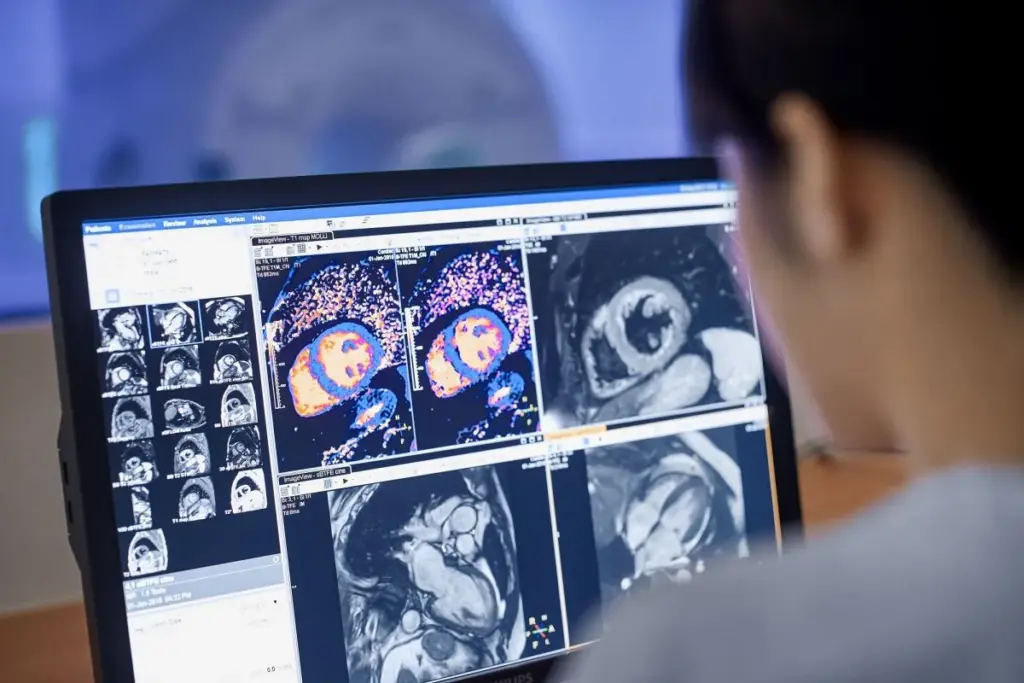
Did you know over 30 million MRI scans are done every year worldwide? A lot of these are for the heart. A heart MRI is a safe way to see the heart’s details. It helps doctors find and treat heart problems. How long does a heart MRI take? Get fast info on duration and breath-holding. Master this easy process for the best accurate scan results.
Getting a cardiac MRI might seem scary if you don’t know what to expect. Knowing how long it takes and what happens can make you feel better. It helps you get ready for the test.
Key Takeaways
- A heart MRI is a key tool for checking heart health.
- The time for a cardiac MRI scan can change based on different things.
- Knowing what happens can make you feel less worried and more ready.
- A cardiac MRI shows clear pictures of the heart’s shape and how it works.
- Knowing what to expect can make the test more comfortable.
Understanding Heart MRI: An Overview
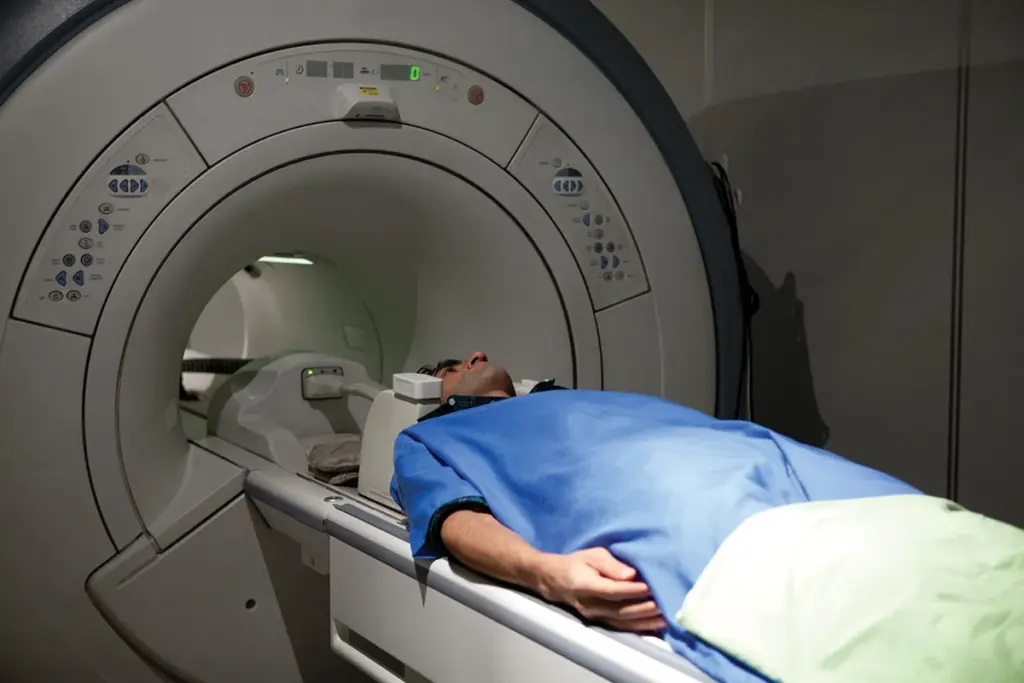
Magnetic Resonance Imaging (MRI) of the heart is a detailed diagnostic tool. It shows the heart’s structure and function. This non-invasive method is key for diagnosing and tracking many heart issues.
What is a Heart MRI?
A Heart MRI, or Cardiac MRI, uses strong magnetic fields and radio waves. It creates detailed images of the heart. Doctors use it to check the heart’s anatomy and function, like how well it pumps blood.
The heart has four chambers: the right and left atria, and the right and left ventricles. Knowing the heart structure is key for spotting heart problems. A heart MRI gives a clear view of these parts. This helps doctors find any heart issues.
Importance of Cardiac MRI in Diagnosing Heart Conditions
Cardiac MRI is essential for diagnosing heart conditions. It helps spot coronary artery disease, heart failure, and cardiomyopathy.
Cardiac MRI’s strength is in giving full details about the heart’s structure and function. This info is vital for:
- Checking damage after a heart attack
- Finding issues like arrhythmias and heart valve problems
- Tracking heart disease’s progress
- Seeing if treatments work
Knowing about cardiac arrest meaning and its link to heart health is also key. Cardiac arrest is when the heart suddenly stops. Cardiac MRI can spot heart issues that raise the risk of cardiac arrest.
With detailed heart images, cardiac MRI helps doctors make accurate diagnoses. This leads to better treatment plans and outcomes for patients.
Duration of a Heart MRI Session
Knowing how long a Heart MRI takes can ease worries and get patients ready. The time needed for a Heart MRI can change, but we’ll cover the usual time and what affects it.
Average Time for the Procedure
Patients usually spend 30 to 60 minutes in the MRI machine. But, they’ll be at the facility longer. This is because of preparation and waiting for the radiologist to check the images.
Factors Influencing MRI Duration
Many things can change how long a Heart MRI takes. These include the scan’s complexity, the patient’s health, and the facility’s technology.
Important factors include:
- The scan’s needs, like using contrast agents.
- The patient’s ability to stay calm and follow directions.
- Any implants or devices that might affect image quality.
|
Factor |
Potential Impact on Scan Time |
|---|---|
|
Complexity of the Scan |
More time for extra sequences or views. |
|
Patient’s Condition |
More time for comfort or staying steady. |
|
Technology Used |
Fast machines can cut down scan time. |
Understanding these factors helps patients prepare for their Heart MRI. They’ll know what to expect and how to make the experience smoother.
Preparation for a Heart MRI
Preparing for a heart MRI is crucial, as proper preparation enhances the effectiveness of the procedure and ensures accurate results. It helps make sure the scan goes well. We know it can feel scary, but being prepared helps a lot.
Prior Appointments and Instructions
You’ll talk to your heart doctor before the MRI. They’ll tell you what to do. This might include:
- Removing any metal objects or jewelry that could interfere with the MRI machine
- Avoiding certain medications or foods as advised by your doctor
- Arriving early to complete any required paperwork and to change into a comfortable gown
It’s very important to follow these steps. They help make sure the images are good and you’re safe.
Clothing and Accessories Considerations
Comfort is the main thing when it comes to clothing for MRI. Wear loose, comfy clothes without metal. You might need to change into a gown to remove any metal risks.
Here are some tips for a better experience:
- Wear clothes that are easy to take off and put back on
- Avoid accessories like watches, glasses, or hairpins that may need to be removed
- Leave valuables at home to avoid any loss
Thinking about these accessories for MRI tips can make your heart MRI experience better and less stressful.
Holding Your Breath: Why It Matters
Breath-holding is key in Heart MRI, affecting image quality. Holding your breath reduces heart and lung movement. This makes the images clearer.
Purpose of Breath-Holding During the Scan
The main goal of breath-holding in Heart MRI is to cut down on motion artifacts. These are distortions caused by movement during scanning. By holding your breath, you help us get images without these distortions. This leads to a more accurate diagnosis.
Key Benefits of Breath-Holding:
- Reduces motion artifacts, ensuring clearer images
- Improves the accuracy of the diagnosis
- Enhances the overall quality of the MRI scan
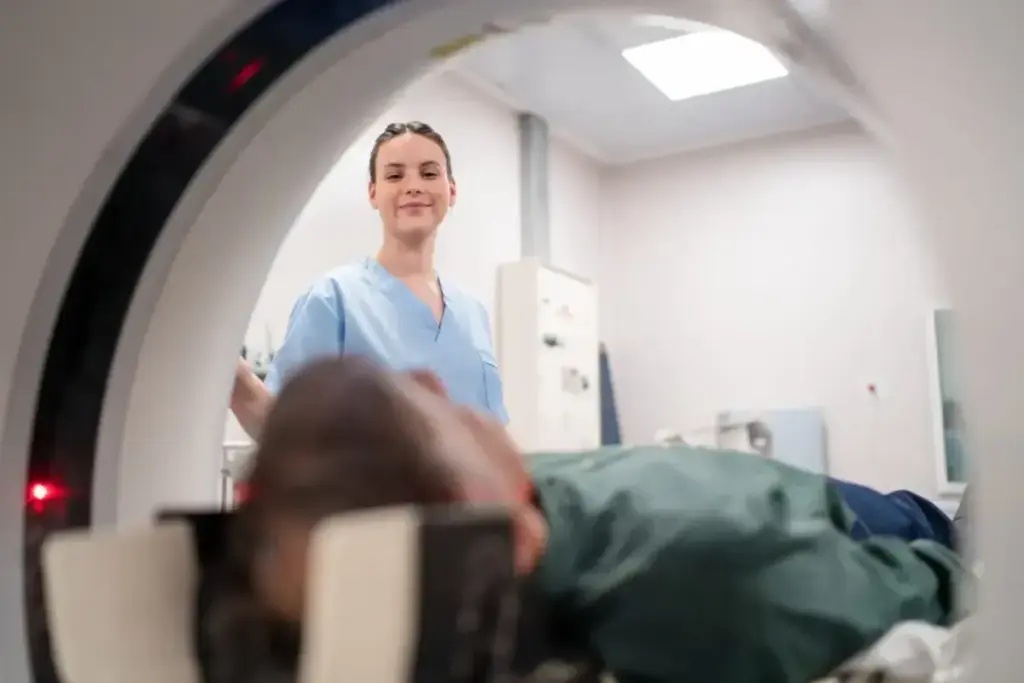
Our team will help you through the breath-holding process. We make sure you’re comfortable and know what to do. Holding your breath might be hard, but with our support, we can get the best images.
“The ability to hold one’s breath during a cardiac MRI is critical for getting high-quality images. These images are essential for accurate diagnosis and treatment planning.”
By understanding the importance of breath-holding, you help make your Heart MRI successful. Your cooperation ensures we get the clearest and most accurate images possible.
What to Expect During the Heart MRI Process
A heart MRI is a non-invasive test that checks your heart health. Knowing what to expect can make you feel less anxious and more comfortable.
Step-by-Step Procedure Overview
The heart MRI process has several steps:
- Preparation: You’ll get instructions on how to prepare, like fasting or adjusting your meds.
- Registration: When you arrive, you’ll register and share your medical history.
- Changing: You might need to change into a hospital gown for comfort and safety.
- Positioning: You’ll lie on your back on the MRI table and be secured to keep you steady.
- Scanning: The table moves into the scanner, and images are taken.
During the scan, you might need to hold your breath briefly to get clear images. Our medical team will help you through this to keep you comfortable and cooperative.
Comfort Measures for Patients
Comfort is key during the heart MRI. We offer:
|
Comfort Measure |
Description |
|---|---|
|
Earplugs/Headphones |
Given to block out the MRI machine’s noise. |
|
Communication |
You can talk to the medical team through an intercom. |
|
Monitoring |
We watch you closely during the procedure for any discomfort or distress. |
At our facility, we aim to make the heart MRI as comfortable as possible. We want to ensure you get the care you need during this important test.
Types of Imaging Techniques Used
Cardiac MRI is key in diagnosing heart issues. It uses advanced imaging. We use different methods to check heart health, and MRI is a top tool.
The choice of imaging technique depends on the condition and the patient’s health. We’ll look at the types of imaging in cardiac MRI. We’ll compare them with other methods and highlight the advanced ones.
Differences Between MRI and Other Imaging Methods
MRI is different from CT scans and echocardiography. It gives clear images of the heart without harmful radiation. This is great for patients needing many scans or with hard-to-diagnose conditions.
MRI has better tissue and function assessment. This leads to more accurate diagnoses and treatment plans.
Advanced Cardiac MRI Techniques
Advanced MRI techniques have improved heart condition diagnosis and management. Cardiac tagging and strain imaging let us see heart function details. They help spot small issues other methods miss.
Late gadolinium enhancement (LGE) imaging shows scar tissue and heart muscle viability. This info is key for treatment decisions, like medication or surgery.
Using these advanced techniques, we can give more precise diagnoses. This leads to better treatment plans and outcomes for patients.
Safety Considerations with Cardiac MRI
It’s key for patients and doctors to know about cardiac MRI safety. This non-invasive test gives detailed heart images. But, it has its own safety rules.
Magnet Safety in MRI
The MRI’s strong magnetic field can be risky. People with metal implants like pacemakers or artificial joints might not get an MRI. We check all patients for such implants before the test.
Individual Considerations: Allergies and Medical History
Things like allergies and past health issues affect MRI safety. For example, those with severe kidney disease might face risks with certain contrast agents. We look at each patient’s history to spot any dangers.
|
Implant Type |
MRI Compatibility |
Special Considerations |
|---|---|---|
|
Pacemakers |
Generally not compatible |
May require reprogramming before MRI |
|
Artificial Joints |
Usually compatible |
Dependent on material and manufacturer |
|
Surgical Clips |
Varies by material |
Some clips are not compatible; check with manufacturer |
Some medical implants or conditions need special care before an MRI. This shows how important thorough checks and tailored care are for MRI safety.
Post-Procedure Guidance
Getting a heart MRI is just the start. Knowing what to do after is key. Your healthcare team will give you clear instructions on what to do next.
Immediate Aftercare Instructions
Usually, you can go back to your normal activities right after a heart MRI. But, always listen to what your healthcare team says. They might give you specific instructions, like:
- Removing any clothing or accessories that were required to be removed for the scan
- Resuming any medications that were paused before the procedure
- Monitoring for any adverse reactions, though these are rare
Make sure someone can drive you home if you don’t feel well after the procedure.
Interpreting Results
Understanding your heart MRI results is very important. A cardiologist or specialist will look at the images and give you a detailed report.
Your healthcare provider will talk to you about what the results mean. They will explain how it affects your health and what you should do next. This might include more tests, treatments, or changes in your lifestyle.
Knowing your results helps you make better choices about your health. Always ask your heart doctor or cardiologist any questions you have. This way, you can understand your results and what to do next.
Potential Risks and Complications
It’s important to know about the risks and side effects of cardiac MRI. This procedure is usually safe, but there are some things patients should be aware of.
Common Side Effects
Some people might feel certain side effects during or after a cardiac MRI. These can include:
- Claustrophobia: The MRI machine’s enclosed space can make some feel anxious or claustrophobic.
- Allergic Reactions: Rarely, some might be allergic to the contrast dye used in MRI scans.
- Discomfort: Some might find it hard to stay in one position for a long time or be bothered by the MRI machine’s noise.
The FDA says MRI scans are mostly safe. But, they can cause claustrophobia or allergic reactions in some. We do our best to reduce these risks and make sure patients are comfortable during the scan.
Rare but Serious Risks
Even though they are rare, there are serious risks with cardiac MRI. These include:
|
Risk |
Description |
Precaution |
|---|---|---|
|
Nephrogenic Systemic Fibrosis (NSF) |
A condition linked to certain contrast dyes in those with severe kidney disease. |
People with kidney problems are checked before getting contrast dye. |
|
Magnetically Induced Forces |
Certain metal objects can be affected by the MRI’s strong magnetic field, leading to injury. |
Patients are carefully checked for metal implants or objects before the scan. |
We do everything we can to avoid these risks. This includes thorough patient screening and watching them closely during the scan.
Cost Considerations for Heart MRI
When thinking about a Heart MRI, knowing the costs is key. The price of a Heart MRI can greatly affect a patient’s decision.
Average Costs Across Facilities
For example, costs might be different at a hospital than at a specialized center. It’s important for patients to ask about costs at their chosen facility.
Insurance Coverage and Financial Assistance
Knowing about insurance coverage is vital when looking at Heart MRI costs. Most plans cover it if it’s needed, but how much can vary. Patients should talk to their insurance to know what they’ll pay.
Financial assistance programs might help those without or with little insurance. These programs can reduce the cost of tests like the Heart MRI.
We suggest patients talk to their doctor or the facility’s financial advisor. They can help find out about any help available.
Alternatives to Heart MRI
Heart MRI isn’t the only way to check the heart. Other imaging methods can be used based on what the patient needs. These options can give important information when MRI isn’t right or possible.
Other Imaging Options to Consider
There are many imaging options instead of Heart MRI. Echocardiography and CT scans are two examples.
- Echocardiogram: This uses sound waves for heart images. It’s easy to find and doesn’t use radiation.
- CT Scan: A CT scan uses X-rays for detailed heart images. It’s good for seeing coronary artery disease.
- Nuclear Stress Test: This test uses a small amount of radioactive material. It shows how well the heart muscle gets blood.
Each option has its own benefits. The right one depends on the specific question being asked.
Situations Where MRI May Not Be Ideal
There are times when Heart MRI isn’t the best choice. For example:
- People with certain metal implants or pacemakers that can’t go near MRI.
- Those with claustrophobia or anxiety that might get worse in the MRI room.
- Patients who can’t stay or breathe as needed for the scan.
In these cases, other imaging options might be better.
|
Imaging Modality |
Advantages |
Disadvantages |
|---|---|---|
|
Echocardiogram |
No radiation, widely available, real-time imaging |
Limited by acoustic window, operator-dependent |
|
CT Scan |
High-resolution images, quick procedure |
Involves radiation, contrast may be required |
|
Nuclear Stress Test |
Provides functional information on myocardial perfusion |
Involves radiation, may not provide anatomical detail |
Knowing about these alternatives and their pros and cons is key. It helps make better choices for heart imaging.
“The choice of imaging modality depends on the specific clinical question, patient characteristics, and the availability of resources.”
Final Thoughts on Heart MRI
Heart MRI is a key tool for keeping our hearts healthy. Talking clearly with your doctor is essential for a good MRI experience.
Effective Communication for Better Care
Telling your doctor about allergies or health issues is important. It makes your MRI better and safer. This way, you get the best care possible.
Long-term Heart Health Benefits
Heart MRI helps keep your heart in check over time. By staying on top of your heart health, you can manage your condition well.
Understanding the need for cardiac monitoring and talking openly with your doctor helps a lot. It’s a big step towards a healthy heart.
FAQ
What is a heart MRI, and how does it work?
A heart MRI, or cardiac MRI, is a non-invasive test. It uses strong magnetic fields and radio waves to create detailed images of the heart. This helps doctors diagnose heart conditions by looking at the heart’s structure and function.
How long does a typical heart MRI scan take?
A typical heart MRI scan lasts between 30 to 90 minutes. The exact time depends on the scan’s complexity and the patient’s condition.
Why is it important to hold my breath during a heart MRI?
Holding your breath during a heart MRI is important. It helps get clear images of the heart by reducing motion artifacts from breathing. This makes the images sharp and accurate for diagnosis.
What should I wear and bring to a heart MRI appointment?
For a heart MRI, wear loose, comfortable clothing without metal fasteners. Remove any jewelry, glasses, or other metal objects. You might be given a gown to wear during the procedure.
Are there any risks or complications associated with cardiac MRI?
Cardiac MRI is generally safe, but there are risks. These include allergic reactions to contrast dye, claustrophobia, and rare but serious risks from the strong magnetic field. Discuss any concerns with your healthcare provider.
How do I prepare for a heart MRI?
To prepare for a heart MRI, follow any specific instructions from your healthcare provider. This might include fasting or avoiding certain medications. You may also need to arrive early to complete paperwork.
What are the benefits of cardiac MRI over other imaging techniques?
Cardiac MRI provides detailed images of the heart without ionizing radiation. It’s great for assessing heart function, structure, and certain conditions like cardiomyopathy or coronary artery disease.
Can I undergo a heart MRI if I have a pacemaker or other implants?
Certain pacemakers and implants are MRI-compatible. But, it’s important to inform your healthcare provider about any implants or devices you have. They will advise if it’s safe for you to undergo a heart MRI.
How much does a heart MRI cost, and is it covered by insurance?
The cost of a heart MRI varies by facility, location, and insurance coverage. Many insurance plans cover cardiac MRI when it’s medically necessary. Check with your provider for specific details.
What are the alternatives to heart MRI for diagnosing heart conditions?
Alternatives to heart MRI include echocardiography, CT scans, and nuclear stress tests. The choice depends on the condition being diagnosed and the patient’s health.
How do I interpret the results of my heart MRI?
Your healthcare provider will interpret your heart MRI results and discuss them with you. They will explain any findings, recommend further tests if needed, and outline a treatment plan based on the results.
National Center for Biotechnology Information. Evidence-Based Medical Insight. Retrieved from https://pubmed.ncbi.nlm.nih.gov/25212625/