

At Liv Hospital, we know you have questions about partial knee replacement surgery. You want to know how long it lasts and if there are any risks. Research shows that a good partial knee replacement can last 10 to 15 years for most people. About 70 percent of them are happy with their choice after 25 years.
We are dedicated to top-notch healthcare at Liv Hospital. We support patients from all over the world. Our team will help you every step of the way. Knowing how long a partial knee replacement lasts and what might go wrong is key to making the right choice.
Key Takeaways
- Partial knee replacement can last 10 to 15 years for most patients.
- Approximately 70 percent of implants are happy with their choice after 25 years.
- Understanding the lifespan and possible problems is very important.
- Liv Hospital offers world-class care for patients from abroad.
- Our team of experts will help you through the treatment process.
Understanding Partial Knee Replacement Surgery
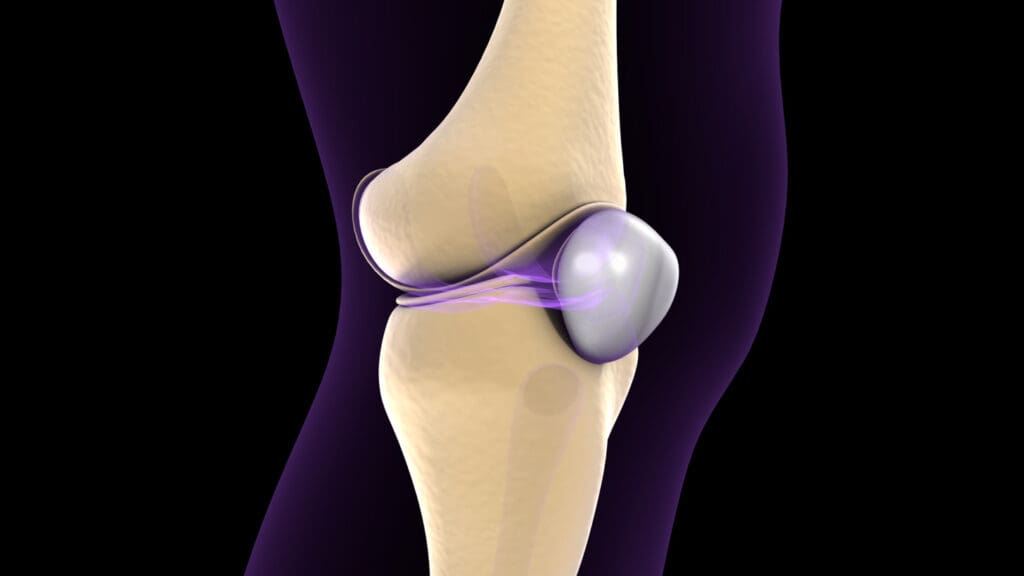
Learning about partial knee replacement surgery is key to making smart choices. This surgery is for those with damage in just one part of the knee. It’s a less invasive option compared to total knee replacement.
What Is a Partial Knee Replacement?
A partial knee replacement, or unicompartmental knee replacement, replaces only the damaged knee part with an artificial one. This keeps the healthy parts of the knee. It can make the knee feel more natural and help you recover faster than total knee replacement. You can learn more on our partial knee replacement blog. It’s great for those with localized knee damage.
The Three Compartments of the Knee
The knee has three parts: the medial (inner), lateral (outer), and patellofemoral (front) compartments. Damage or arthritis can happen in one or more of these areas. Partial knee replacement is usually suggested when damage is in just one area, often the medial compartment.
- About 75% of partial knee replacements are for the medial compartment.
- The lateral compartment is less often involved.
- The patellofemoral compartment is also a common area for this surgery.
Differences Between Partial and Total Knee Replacement
The main difference is how much of the knee is replaced. Total knee replacement covers the whole knee, while partial focuses on the damaged part. Key differences include:
- Preservation of Healthy Tissue: Partial knee replacement keeps more of your natural knee tissue.
- Surgical Approach: The surgery for partial knee replacement is less invasive.
- Recovery Time: Recovery is often faster with partial knee replacement.
- Range of Motion: It can allow for a more natural range of motion.
Knowing these differences helps patients choose the best option for their needs.
Ideal Candidates for Partial Knee Replacement

Finding the right candidates for partial knee replacement is key. We look at several factors to see if a patient is a good fit for this surgery.
Age and Activity Level Considerations
Age and how active you are matter a lot. People under 60 who are active are often good candidates. They might live longer and enjoy a more natural knee feel.
But, being over 60 doesn’t mean you can’t get the surgery. We check your health, bone quality, and how active you are. Then, we suggest what’s best for you.
Specific Conditions That Benefit from Partial Replacement
Partial knee replacement works best for those with damage in just one part of the knee. This includes osteoarthritis, traumatic arthritis, or avascular necrosis.
These conditions usually mean less damage to other parts of the knee. This can lead to a faster recovery and better knee function.
When Partial Replacement Is Not Recommended
Partial knee replacement isn’t for everyone. It’s not good for those with big deformities, severe arthritis in more than one area, or certain inflammatory diseases.
Also, if you have serious ligament damage or instability, you might need a different surgery.
| Characteristics | Ideal Candidates | Not Ideal Candidates |
|---|---|---|
| Age | Typically under 60, but considered on a case-by-case basis | Advanced age with multiple health issues |
| Activity Level | Relatively active | Very low activity level |
| Knee Condition | Damage limited to one compartment | Severe arthritis in multiple compartments |
| Ligament Stability | Stable ligaments | Significant ligament damage |
The Surgical Procedure and Technology
Modern surgery has changed the game for partial knee replacements. Now, patients get better results and heal faster. These advances have made the surgery more successful.
Modern Surgical Techniques
Today, surgeons use new methods for partial knee surgery. These include:
- Computer-assisted surgery, which boosts precision
- Robotic-assisted surgery, for better accuracy
- Custom plans based on each patient’s body
These methods help place implants more accurately. This leads to longer-lasting implants.
Types of Implant Materials and Designs
The right implant material and design are key to success. Common choices are:
| Material | Description | Benefits |
|---|---|---|
| Metal (Cobalt-Chromium or Titanium) | Strong, durable alloys for the implant’s metal parts | High strength, resistant to wear |
| Polyethylene | A plastic for the bearing surface | Low friction, absorbs shock |
Implant designs vary, with some being fixed and others mobile. The choice depends on the patient’s needs and the surgeon’s advice.
Minimally Invasive Options
There are minimally invasive options for partial knee surgery. These offer:
- Smaller cuts, less tissue damage
- Less blood loss during surgery
- Quicker recovery
These options are great for patients who want to get back to normal fast.
By using modern techniques, the right materials, and minimally invasive methods, we can greatly improve partial knee surgery. This leads to better outcomes and a better life for our patients.
Recovery Timeline and Rehabilitation Process
After a partial knee replacement, patients follow a set recovery plan. We help them know what to expect during their recovery.
Hospital Stay and Immediate Recovery
The recovery starts right after surgery. Most patients stay in the hospital for 1 to 3 days. This depends on their health and the surgery details.
We focus on managing pain and swelling during this time. We also start gentle movements to keep the knee mobile. Our team helps patients smoothly move from the hospital to home.
Physical Therapy Protocols
Physical therapy is key in recovery. Patients usually start therapy a few days post-surgery. The goal is to build strength, improve movement, and enhance function.
We create therapy plans tailored to each patient. This ensures they can do daily activities and, if they want, more challenging ones.
Milestones in the Recovery Journey
Recovery from partial knee replacement takes time. Patients reach important milestones at specific times.
| Timeframe | Milestone |
|---|---|
| 1-2 weeks | Reduced pain and swelling, improved knee mobility |
| 6-8 weeks | Significant improvement in strength and range of motion |
| 3-6 months | Return to most daily activities and some sports or strenuous activities |
Knowing the recovery timeline and process helps patients prepare. We support our patients every step of the way. Our goal is to help them achieve the best results.
How Long Does a Partial Knee Replacement Last?
Knowing how long a partial knee replacement lasts is key for those thinking about it. We’ll look at the latest research on how long these replacements last. We’ll also talk about survival rates and what affects their durability.
Average Lifespan Statistics and Studies
Studies show that a partial knee replacement can last 10 to 15 years for most people. The lifespan depends on the surgery, the implant, and the patient’s lifestyle.
A study on the National Center for Biotechnology Information gives insights into partial knee replacement longevity. These findings help doctors and patients know what to expect.
10-Year, 15-Year, and 25-Year Survival Rates
There are survival rates for partial knee replacements over different times. The results are encouraging:
| Survival Period | Survival Rate |
|---|---|
| 10-Year | 85-90% |
| 15-Year | 75-85% |
| 25-Year | 60-70% |
These numbers show most partial knee replacements last over a decade. But, the rate goes down over time. Age, activity level, and surgery precision all matter for how long it lasts.
Factors That Influence Longevity
Several things can affect how long a partial knee replacement lasts. These include:
- Surgical Technique: The surgery’s precision greatly affects the implant’s life.
- Implant Design and Material: Newer designs and materials help implants last longer.
- Patient Lifestyle: Weight, activity, and health all play a part in how long it lasts.
By knowing these factors and making smart choices, patients can extend their implant’s life. Regular check-ups with the surgeon are also important. They help catch any problems early.
Factors Affecting the Durability of Partial Knee Replacements
The life of partial knee replacements depends on many things. Knowing these helps make the implant last longer and improves patient results.
Patient Weight and Activity Level
Weight and how active you are matter a lot. Being overweight can stress the implant more, making it wear out faster. Also, doing lots of heavy activities can harm the replacement.
It’s good to keep a healthy weight with a balanced diet and exercise. Safe activities like swimming, cycling, or brisk walking are best. They’re good for your health without hurting the knee replacement too much.
| Activity Level | Impact on Implant | Recommendation |
|---|---|---|
| Low Impact (e.g., swimming, cycling) | Minimal stress | Generally safe and recommended |
| Moderate Impact (e.g., brisk walking, golf) | Moderate stress | Can be acceptable with proper guidance |
| High Impact (e.g., running, jumping) | Significant stress | Often discouraged to prevent premature wear |
Surgical Technique and Implant Positioning
How the surgery is done and where the implant is placed are key. Getting the implant in the right spot helps it last longer. It also makes sure the forces are spread out right.
Using new tech like computer-assisted and robotic surgery helps place the implant better. Our surgeons are up-to-date with these methods for the best results.
Implant Design and Material Quality
The design and materials of the implant also matter a lot. Today’s implants are made to last and work well with the body.
We pick implants from top makers that follow strict quality rules. We choose the right material and design for each patient’s needs and body shape.
By focusing on these points and working with patients, we can make partial knee replacements last longer. This improves how well patients do.
Comparing Longevity: Partial vs. Total Knee Replacements
Looking at how long partial and total knee replacements last is key for those thinking about surgery. We’ll dive into the survival rates, how well patients feel afterward, and when one might last longer than the other. This helps patients choose the best option for them.
Statistical Differences in Survival Rates
Research shows both types of replacements last a long time. But, total knee replacements might last a bit longer. This is because they replace more of the knee.
| Type of Replacement | 10-Year Survival Rate | 15-Year Survival Rate |
|---|---|---|
| Partial Knee Replacement | 85-90% | 75-85% |
| Total Knee Replacement | 90-95% | 85-90% |
Total knee replacements tend to have higher survival rates at 10 and 15 years compared to partial knee replacements. Yet, partial knee replacements are a good choice for many. This is true for those with less knee damage.
Quality of Life Considerations
The quality of life after surgery is very important. Partial knee replacements often lead to more natural knee movement. They might also mean less time recovering, making patients happier.
Patients with partial knee replacements often get back to their usual activities faster. This is a big plus for their quality of life.
When One Option May Outlast the Other
The lifespan of knee replacement implants varies. It depends on the patient’s age, how active they are, and their knee’s condition. Younger, more active people might find partial knee replacement lasts longer. This is because it keeps more natural bone and tissue.
In summary, both partial and total knee replacements have their benefits and how long they last. The right choice depends on the patient’s specific needs and situation. Knowing the differences in survival rates and how patients feel can help them decide on surgery.
Extending the Life of Your Partial Knee Replacement
To keep your partial knee replacement working well, you need to manage your weight, exercise right, and see your doctor often. These steps can help your implant last longer and improve your life quality.
Weight Management Strategies
Keeping a healthy weight is key to less stress on your knee. Too much weight can wear down your implant faster. Eat well and exercise regularly to stay at a good weight.
Nutritional Tips: Eat lots of fruits, veggies, whole grains, and lean meats. Stay away from foods and drinks that are high in calories.
Appropriate Exercise and Activity Modifications
Choosing the right exercises is important for your knee’s health. Swimming, cycling, and walking are good choices. But, avoid running or jumping as they can harm your implant.
Exercise Guidelines:
- Start with easy exercises and slowly add more as you get better.
- Stay away from deep knee bends and heavy lifting.
- Talk to a physical therapist to get a plan that’s just right for you.
Regular Medical Follow-ups and Monitoring
Seeing your orthopedic surgeon regularly is vital. These visits help catch any problems early and fix them fast.
Follow-up Schedule:
| Time Frame | Follow-up Activity |
|---|---|
| 3-6 months post-surgery | Initial follow-up to check healing and implant functionality |
| 1 year post-surgery | Assessment of implant performance and patient satisfaction |
| 2-5 years post-surgery | Regular monitoring for signs of wear or complications |
By sticking to these tips and staying active in your health care, you can make your partial knee replacement last longer. A healthy lifestyle and regular doctor visits are essential for getting the most out of your implant.
Common Causes of Partial Knee Replacement Failure
It’s important for patients to know why partial knee replacements might fail. This surgery is usually very successful. But, there are times when it doesn’t work as planned, often because of certain reasons.
Mechanical Wear and Tear
Wear and tear is a big reason why partial knee replacements can fail. The parts of the implant can wear out over time. This can cause pain and make it harder to move.
Studies show that how long a partial knee replacement lasts depends on the material used and how active the patient is.
Table: Factors Influencing Mechanical Wear and Tear
| Factor | Description | Impact on Implant Longevity |
|---|---|---|
| Implant Material | Type of material used for the implant (e.g., metal, plastic, ceramic) | High-quality materials can last longer |
| Patient Activity Level | Level of physical activity and stress on the knee | Higher activity levels can accelerate wear |
| Surgical Technique | Precision and accuracy of the surgical procedure | Proper technique can reduce wear and tear |
Infection and Inflammatory Responses
Infection is another common reason for failure. Bacteria can infect the knee during or after surgery. This can cause inflammation and damage to the tissue around the knee.
In some cases, the body may react to the implant. This can lead to inflammation that can make the replacement less effective.
Progression of Arthritis
Arthritis in other parts of the knee can also cause failure. Partial knee replacement only fixes the damaged part. The other parts can get worse over time, leading to pain and the need for more surgery.
We suggest talking to your doctor about these risks. Understanding them can help you make a better choice about your treatment.
Recognizing Symptoms of Partial Knee Replacement Failure
Spotting the signs of partial knee replacement failure early can greatly improve treatment results. We’ll cover the possible signs that might show your partial knee replacement is facing issues.
Pain Patterns and Characteristics
Pain is a key sign of partial knee replacement failure. It can show up in different ways, such as:
- Pain during weight-bearing activities
- Aching or stiffness at rest
- Sharp pains or stabbing sensations
Not all pain means failure, but if it keeps getting worse, you should see a doctor.
Instability and “Giving Way” Sensations
Feeling unstable or like your knee is “giving way” might mean failure. This happens when the implant or nearby parts aren’t working right, causing you to feel unsteady.
Swelling, Stiffness, and Reduced Range of Motion
Swelling and stiffness around the knee could mean inflammation or other problems. If your knee doesn’t move as well as it should, it’s another sign of trouble.
Unusual Noises from the Joint
Strange sounds like clicking, grinding, or clunking from your knee joint might point to mechanical problems with the implant.
We suggest keeping an eye on your knee and getting help if you notice any of these symptoms. Catching issues early is vital for effective treatment.
| Symptom | Description | Potential Cause |
|---|---|---|
| Pain | Persistent or worsening pain during activities or at rest | Implant loosening, wear, or misalignment |
| Instability | Feeling of the knee “giving way” | Implant or surrounding structure malfunction |
| Swelling and Stiffness | Inflammation or reduced mobility | Infection, inflammatory response, or mechanical issues |
| Unusual Noises | Clicking, grinding, or clunking sounds | Mechanical wear or misalignment of the implant |
When to Seek Medical Attention and Diagnostic Approaches
Knowing the signs of a failed partial knee replacement is key. After getting a partial knee replacement, watch for symptoms that might mean trouble.
Red Flag Symptoms Requiring Immediate Care
Some symptoms need quick medical help. If you have severe pain, swelling, or instability in your knee, get help fast. These signs could mean a serious problem like infection or implant failure.
Other warning signs include feeling your knee “give way,” hearing odd noises from your joint, or moving less than usual. If you notice these, see your orthopedic surgeon right away.
Imaging and Testing for Failed Implants
When symptoms suggest a failed partial knee replacement, we use different tests to check. Imaging tests like X-rays, CT scans, or MRIs help us see how the implant and bone are doing.
We might also do blood tests to look for infection or inflammation. By using these tests, a detailed medical history, and a physical exam, we figure out what’s wrong and how to fix it.
Treatment Options for Failed Partial Knee Replacements
The treatment for a failed partial knee replacement depends on why it failed. Sometimes, revision surgery is needed to put in a new implant. This surgery is more complex because it involves removing the old implant and fixing any bone loss.
Other times, conservative management like physical therapy or pain management might be suggested. We choose the best treatment for each patient based on their needs and situation.
Conclusion: Making Informed Decisions About Partial Knee Replacement
It’s important for patients to know about the long-term effects and risks of partial knee replacement. Research shows that about 69.8% of these surgeries last for 25 years. This is based on data from the Finnish registry with 3,935 replacements. For more details, you can check out this study.
Patients should talk to their doctors to understand the good and bad sides of this surgery. This way, they can make choices that are best for them. Our team is dedicated to giving top-notch care to patients from all over the world.
How long does a partial knee replacement typically last?
The life of a partial knee replacement varies. Studies show it can last 10 to 25 years or more. This depends on your weight, how active you are, and the surgery’s quality.
What are the common causes of partial knee replacement failure?
Failure can happen due to wear and tear, infection, or arthritis spreading. It can also be caused by the implant loosening or being placed wrong.
What are the symptoms of a failing partial knee replacement?
Signs include ongoing or worsening pain, feeling unstable, swelling, stiffness, and trouble moving. You might also hear odd noises from the joint.
How can I maximize the lifespan of my partial knee replacement?
Keeping a healthy weight and exercising right can help. Avoiding high-impact activities and regular check-ups with your doctor also extend its life.
What is the difference between partial and total knee replacement in terms of longevity?
Both have high success rates, but longevity varies. It depends on the patient and the implant used.
When should I seek medical attention for my partial knee replacement?
Get help right away for severe pain, sudden instability, or big swelling. These could be signs of a serious problem.
What diagnostic approaches are used to evaluate a failed partial knee replacement?
Doctors use X-rays, CT scans, MRIs, and physical exams. They also look at your medical history to find out why it failed.
What are the treatment options for a failed partial knee replacement?
Options include redoing the surgery, bone grafting, or other treatments. These depend on why it failed.
Can I undergo revision surgery if my partial knee replacement fails?
Yes, many people have revision surgery for failed partial knee replacements. Our team will help decide the best treatment for you.
How do I know if I’m a candidate for partial knee replacement?
You might be a good candidate if you have arthritis or damage in just one part of your knee. Our team will check to see if it’s right for you.
REFERENCES
- Evans, J. T., Walker, R. W., Evans, J. P., Blom, A. W., Sayers, A., & Whitehouse, M. R. (2019). How long does a knee replacement last? A systematic review and meta‑analysis of case series and national registry reports with more than 15 years of follow‑up. Lancet, 393(10172), 655‑663. https://doi.org/10.1016/S0140‑6736(18)32531‑5 PubMed+1
- National Institute for Health and Care Research (NIHR) Dissemination Centre. (2019, June 11). More than 80% of total knee replacements can last for 25 years. Retrieved from https://www.nihr.ac.uk/alert/more-than-80-of-total-knee-replacements-can-last-for-25-years NIHR Evidence
- OnStim (VoxMD). (2025, August 08). How successful is a partial knee replacement? Retrieved from https://onstim.com/how-successful-is-a-partial-knee-replacement/Nilssen Ankle
- Rothman Orthopaedics. (2022, May 05). Partial knee replacement. Retrieved from https://rothmanortho.com/stories/blog/partial‑knee‑replacement rothmanortho.com