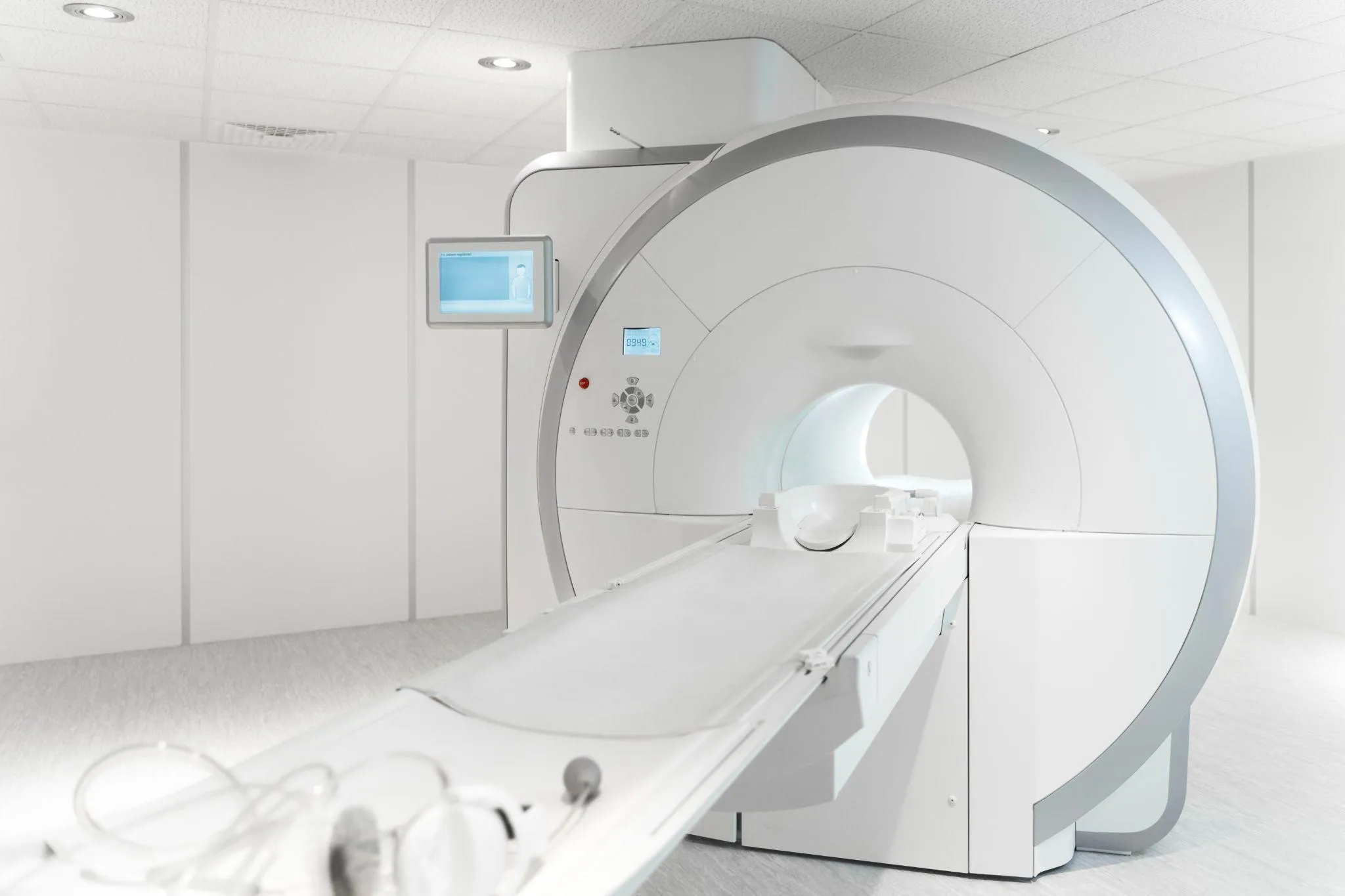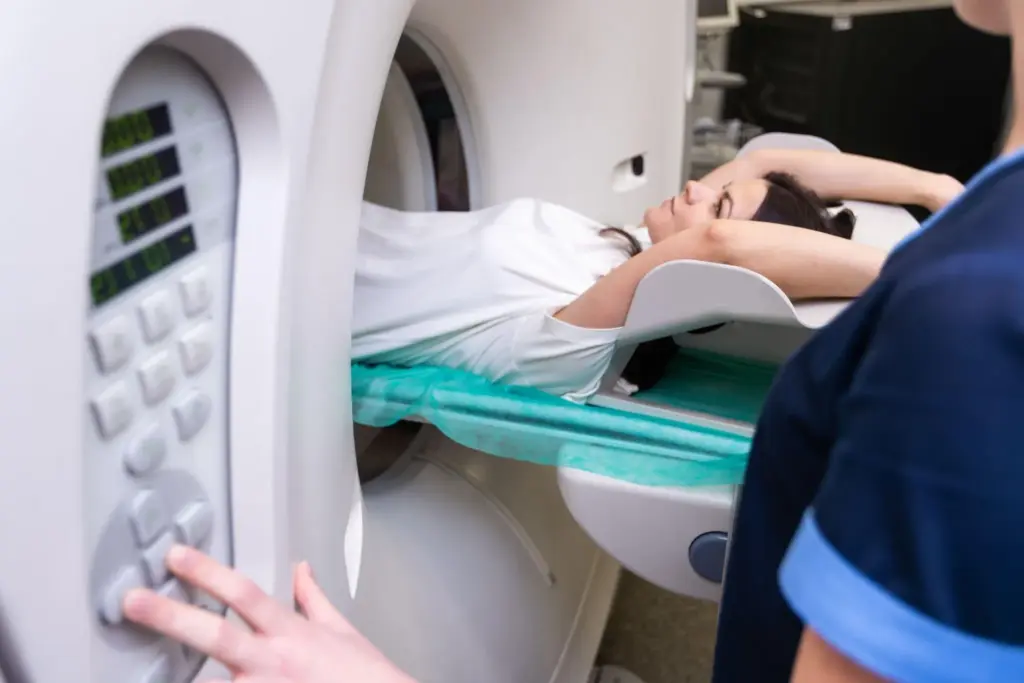
Getting a PET scan can be a bit scary, mainly when thinking about how to get home. At Liv Hospital, we make sure you’re safe and comfortable. A PET scan usually takes about 2 hours to finish. Most people can go back to their usual activities right after. How long does a pet scan take and can you drive? Get amazing and vital post-scan tips for a perfect and fast return to your routine.
Guidelines from places like say to drink lots of water after the scan. You might feel some side effects, but about 97% of patients can drive themselves home without any issues.
Key Takeaways
- The duration for a PET scan is typically around 2 hours, which helps patients plan their day.
- Most patients can drive themselves home after the procedure.
- Patients are advised to drink plenty of water post-procedure.
- Some post-procedure symptoms may occur, but are generally not severe.
- Around 97% of patients are discharged without transport restrictions.
What Happens During a PET Scan Procedure
Knowing about the PET scan procedure helps patients feel ready and informed. We’ll explain the PET scan process, its purpose, and the conditions it can diagnose. We’ll also cover the basic steps involved.
The Purpose and Function of PET Imaging
PET imaging uses a radioactive tracer to see how the body works. It helps doctors check how different parts of the body function. This is key for diagnosing and tracking diseases like cancer, neurological issues, and heart problems. The PET scan procedure length can vary, but it typically involves several steps that help in achieving accurate diagnostic results.
Types of Medical Conditions Diagnosed
PET scans are used to find and track many medical conditions. They help spot and understand cancer, neurological diseases like Alzheimer’s and Parkinson’s, and heart issues. This makes them a valuable tool in healthcare.
Basic Steps of the Procedure
The PET scan process has several important steps. First, a small amount of radioactive tracer is given to the patient. This tracer goes to the areas being studied, based on the condition being checked.
After a wait of 45 to 90 minutes, the patient lies down on a scanning table. The PET scan then takes place. The scanning itself lasts 20 to 45 minutes, and the patient must stay very quiet for clear images. From start to finish, the whole process takes about 2 to 3 hours, depending on the scan’s needs and the patient’s health.
How Long Does a PET Scan Take: Complete Timeline
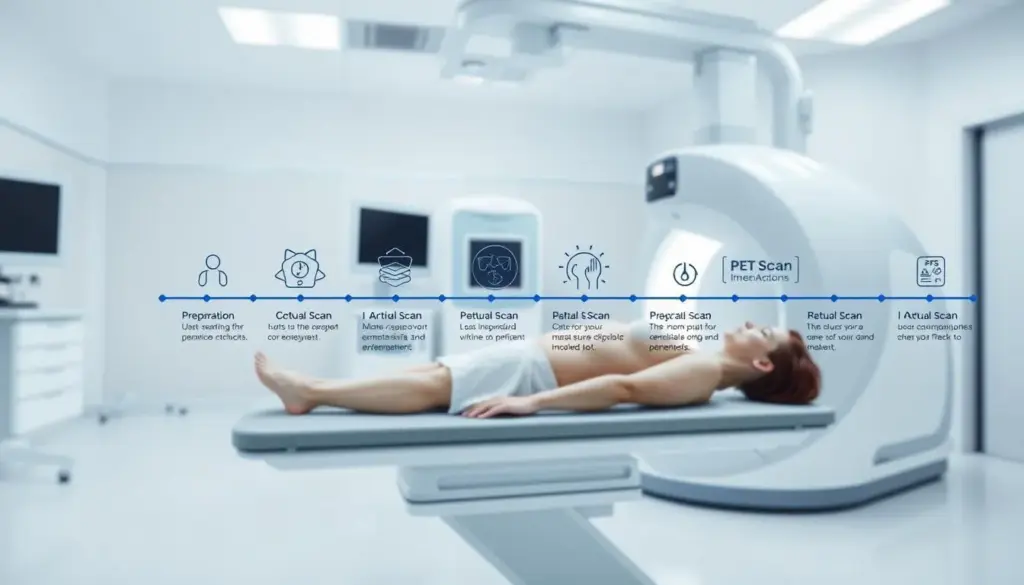
Knowing how long a PET scan takes is key for patients to plan their day. It helps them make the necessary arrangements.
Pre-Scan Preparation Time (30-60 Minutes)
The pre-scan prep is vital for a smooth PET scan. It includes registration, changing into a hospital gown, and getting instructions from staff. Patients also share their medical history and current medications.
Radiotracer Injection and Uptake Period (45-90 Minutes)
Next, a radiotracer is injected into the patient. This period lets the tracer build up in the area of interest. Patients rest in a quiet area to avoid affecting the tracer.
Actual Scanning Duration (20-45 Minutes)
The PET scan itself is quick. Patients lie on a table that slides into the scanner. The scan time varies based on the area and the facility’s protocol.
Post-Scan Monitoring (15-30 Minutes)
After scanning, patients are watched for any immediate reactions. Staff also give post-scan advice, like staying hydrated to clear the radiotracer.
|
Stage |
Duration (Minutes) |
Description |
|---|---|---|
|
Pre-Scan Preparation |
30-60 |
Registration, changing, and receiving instructions |
|
Radiotracer Injection and Uptake |
45-90 |
Allowing the tracer to accumulate in the body |
|
Actual Scanning |
20-45 |
The PET scan procedure |
|
Post-Scan Monitoring |
15-30 |
Monitoring for adverse reactions and providing post-scan care |
|
Total Time |
110-225 |
Complete PET scan process duration |
A PET scan usually takes 2 to 3.75 hours. This includes all steps from prep to post-monitoring. Knowing this helps patients prepare and plan their day.
The Science Behind PET Scan Radioactive Tracers
Understanding PET scan radioactive tracers is key for patients. These tracers help doctors see how the body works. They are used to find and treat many health issues.
Common Radiotracers Used in PET Imaging
FDG (fluorodeoxyglucose) is the top radiotracer in PET scans. It’s a special glucose that lights up on scans. It shows where cancer cells are growing.
Other tracers check the heart or brain. They help doctors understand different health problems.
How Radiotracers Function in Your Body
When you get a radiotracer, it goes to active cells. It lights up areas that are working hard, like tumors. This helps doctors see what’s going on inside you.
For more on PET scans, check out .
Radiation Exposure Levels and Safety
People worry about radiation from PET scans. But the truth is, the amount is low and safe. It’s like other scans, like CT scans.
The good news from these scans is worth the small risk. Doctors will tell you how to get rid of the tracer safely.
Driving After a PET Scan: What the Research Shows
Research on driving safety after a PET scan has given us important information. It helps both patients and healthcare providers. Studies have looked into how well patients can drive after a PET scan.
Clinical Studies on Cognitive Function Post-Scan
Many studies have checked how well patients think after a PET scan. They found that the scan doesn’t really hurt their thinking skills needed for driving. Most patients can go back to their usual activities, like driving, right after the scan.
Statistical Data on Patient Self-Transport Safety
Data from several hospitals has been looked at to see if patients can drive home safely after a PET scan. The results show that most patients are safe, with very few reporting any problems with driving after the scan.
The 97% Self-Driving Safety Rate Explained
A big study with many patients found that about 97% can drive home safely after a PET scan. This high self-driving safety rate comes from the scan not really affecting patients’ physical or mental abilities. The study shows that driving after a PET scan is usually safe for most people.
We know keeping our patients safe and happy is key. The research backs up that driving after a PET scan is safe for most. But, every person is different, and it’s best to listen to your doctor’s advice.
Hospital Policies on Post-PET Scan Transportation
Hospital rules on getting home after a PET scan change a lot. It’s key for patients to know these rules to plan their ride home well.
U.S. Medical Center Guidelines
In the U.S., most hospitals let patients drive home after a PET scan. But, they must not have taken sedatives or have health issues that could make driving risky. It’s best to have someone with them.
European Hospital Protocols
In Europe, hospitals mostly let patients drive home after a PET scan. Yet, some might tell patients not to drive for a few hours. This is because of the sedative they might have taken.
Australian Safety Recommendations
Australian hospitals are more careful. They often say patients should not drive for 24 hours after a PET scan. This is to keep patients safe, considering the effects of the tracer and sedation.
Why Policies May Differ Between Facilities
Why do hospitals have different rules? It’s because of local laws, PET scan protocols, and the tracer used. Also, the patient’s health and meds play a part.
Patients should talk to their doctor about the PET scan facility’s rules. This talk will help them know what to do and how to get home safely.
Factors That May Affect Your Ability to Drive After a PET Scan
Deciding if you can drive after a PET scan depends on many things. Some people can drive home right after, but others might not be able to. This is because of different factors.
Use of Sedatives or Anti-Anxiety Medications
If you took sedatives or anti-anxiety meds before or during your PET scan, you might not be able to drive. These drugs can make you sleepy, slow your reaction time, and mess with your judgment. Always talk to your doctor about when it’s okay to drive.
Pre-existing Medical Conditions
Medical conditions you already have can also affect your driving after a PET scan. If your condition affects your brain, motor skills, or health, it might get worse after the scan. Tell your doctor about any health issues you have to get advice that’s right for you.
Age and Individual Health Factors
Age and health are big factors too. Older people or those with serious health problems might need more time to get better. If you’re older or have big health concerns, it’s best to have someone drive you home.
Emotional Stress and Anxiety Levels
Feeling stressed or anxious can also make it hard to drive safely after a PET scan. If you’re feeling overwhelmed, it might mess with your focus and how quickly you react. Take a few minutes to calm down before driving and think about having someone with you.
Talking to your doctor about these factors can help you decide if you can drive after your PET scan. PET scans usually don’t take long, from 30 minutes to a few hours. But, how the scan affects your driving depends on these factors.
When You Should NOT Drive After Your PET Scan
Deciding to drive after a PET scan needs careful thought. The complete PET scan duration is short, but the effects can last. This includes any medications you might have taken.
If You Received Sedation or Calming Medications
If you got sedation or calming meds during your PET scan, don’t drive yourself home. These can make you sleepy, slow your reactions, and cloud your judgment. Always follow your healthcare provider’s advice on when it’s safe to drive.
If You Experience Dizziness or Fatigue
Some people feel dizzy or tired after a PET scan. This could be from the scan itself or the tracer used. If you’re not feeling well or are very tired, don’t drive. Have someone take you home or use a ride-sharing service.
If You Have Certain Medical Conditions
Some medical conditions, like diabetes or epilepsy, might be affected by the PET scan. If you have a condition, talk to your doctor about driving after the scan. They can give advice based on your health.
If Hospital Policy Specificall Advises Against It
Some hospitals have rules about driving after a PET scan. These rules are to keep you safe. If the hospital says not to drive, listen to them. The pet scan procedure length and how you react can differ, so it’s better to be safe than sorry.
In summary, while many can drive after a PET scan, there are times when it’s not safe. Think about your health, any meds you took, and your doctor’s advice before driving.
Safety Precautions After Your PET Scan
After a PET scan, it’s important to follow some safety steps. The radiation from a PET scan is usually safe. But, taking a few precautions can keep you and others safe.
Limiting Close Contact with Pregnant Women and Children
One key step is to stay away from pregnant women and kids. The PET scan’s radiation is low but can be a worry for them. Try to avoid being close to them for a few hours after the scan. This lets the radiation fade faster, keeping them safer.
Proper Hydration to Eliminate Radiotracer
Drinking lots of water is key after a PET scan. It helps get rid of the radiation in your body. Drinking water all day after the scan can lower your radiation exposure. It’s a simple way to stay safe.
Monitoring for Unusual Symptoms
Some people might feel odd after a PET scan. Keep an eye on how you feel and tell your doctor if something’s off. Symptoms like dizziness or tiredness are not normal. Watching your health closely is important.
Follow-up Care Instructions
It’s also important to follow your doctor’s advice after the scan. They might tell you when you can go back to normal activities or how to handle side effects. Following these instructions helps you heal well and get any needed care on time.
By following these safety steps, you can reduce risks from your PET scan. If you’re worried or have questions, talk to your doctor. They can help you stay safe and recover well.
Planning Your Transportation for a PET Scan Appointment
Planning your transportation for a PET scan is key to a smooth experience. We know that a PET scan is a big deal. Having a reliable way to get to and from your appointment can really help reduce stress.
Questions to Ask Your Doctor Beforehand
Talk to your doctor about your transportation plans before the PET scan. You might wonder if you can drive yourself home after. Ask questions like “Will I be able to drive myself home after the scan?” or “Are there any specific transportation arrangements I should make?” Your doctor can give you advice based on your health and the PET scan you’re having.
Also, ask about how long the PET scan will take. Knowing how long does a PET scan take helps plan your day. The time includes getting ready, the scan, and checking in afterwards.
Arranging for a Backup Driver
If you’re unsure if you can drive after the PET scan, get a backup driver. This could be a family member, friend, or caregiver. Having someone to drive you home can make you feel safer and more at ease.
Medical Transportation Options
If you can’t drive or don’t have a backup driver, there are medical transportation services. These services are made for patients going to medical appointments. Check with your healthcare provider or insurance to see if they cover these services.
Rideshare and Public Transportation Considerations
Rideshare services and public transportation are also good options. Plan your trip in advance to avoid delays. If using a rideshare, tell the driver you’ll be going after a medical procedure. This way, they can prepare for your needs.
By planning ahead, you can focus on your health and recovery. We’re here to support you, including helping with the practical parts of your PET scan appointment.
PET Scan Preparation Guidelines That Impact Post-Procedure Activities
Getting ready for a PET scan is more than just arriving on time. It’s about understanding several key factors that affect what happens after the scan. These guidelines help make sure the scan goes well and that you’re safe and comfortable while recovering.
Dietary Restrictions Before and After
Following specific diet rules is a big part of PET scan prep. Patients often need to fast for 4 to 12 hours before the scan, depending on the type and the tracer used. It’s also important to avoid sugary foods and drinks, as they can mess with the tracer’s uptake. After the scan, you can go back to eating normally to get rid of the tracer.
Medication Adjustments
Some medicines can change how a PET scan works or react with the tracer. Telling your doctor about all your meds, including supplements and over-the-counter drugs, is key. Your doctor might ask you to stop or change your meds before the scan, based on what you’re taking and the scan type.
Activity Limitations
PET scans are usually safe, but there are some activities to avoid before and after. Strenuous exercise, for example, can mess with the tracer’s spread, which might make the scan results less accurate. After the scan, it’s best to avoid being too close to pregnant women and young kids for a few hours, due to the small amount of radiation.
Hydration Requirements
Drinking enough water is important before and after a PET scan. Water helps spread the tracer evenly in your body and gets rid of it after the scan. Patients are usually told to drink lots of water after the scan to help get rid of the tracer and avoid side effects.
By following these prep guidelines, patients can make sure their PET scan goes smoothly and safely. This reduces risks during recovery. Always talk to your healthcare provider for advice tailored to your needs.
Different Types of PET Scans and Their Impact on Driving
It’s important for patients to know about the different PET scans. Each type is made for checking specific health issues. This knowledge helps patients decide if they can drive after the scan.
Brain PET Scans and Cognitive Function
Brain PET scans check brain activity. They help find problems like Alzheimer’s or epilepsy. After the scan, some people might feel more tired or less sharp.
It’s key to know that the special dye in brain PET scans can make you feel a bit off for a while.
Cardiac PET Scans and Physical Exertion
Cardiac PET scans look at the heart. They help find heart disease. After the scan, you might not be able to do hard activities, like driving.
Think about how hard driving is when deciding if you can drive after the scan.
Whole-Body PET Scans for Cancer Diagnosis
Whole-body PET scans are used for cancer. They take a long time and you have to stay very quiet. The scan itself doesn’t stop you from driving, but you might feel tired.
PET-CT Combination Scans
PET-CT scans mix PET and CT scans. They show detailed pictures of the body. Like other PET scans, they don’t directly affect driving. But, always listen to your doctor about what to do after the scan.
In short, the type of PET scan and your own health can affect if you can drive after it. Always talk to your doctor about driving after a PET scan.
Liv Hospital’s Approach to PET Scan Patient Safety
Liv Hospital is dedicated to making PET scans safe and comfortable for patients. We know that getting a PET scan can be scary for many. So, we work hard to make the process easy and stress-free.
Internationally Competitive Medical Protocols
We follow international standards to ensure top-quality care for our patients. Our PET scan protocols are strict. This means our patients get the least amount of radiation needed for accurate results.
Key aspects of our protocols include:
- Utilizing state-of-the-art PET scan technology
- Employing highly trained and experienced medical staff
- Implementing rigorous quality control measures
Patient-Centered Transportation Policies
We know how important safe travel is after a PET scan. Our policies focus on making sure patients have reliable ways to get home.
We suggest patients have someone drive them home. This is because the scan might make them tired or uncomfortable. Our team can help arrange transportation if needed.
Up-to-Date Safety Guidelines
We always follow the latest safety advice from top medical groups. Our guidelines are updated regularly. This keeps our patients safe and cared for with the newest PET scan technology.
Enhanced Patient Experience Initiatives
We’re all about making the patient experience better at Liv Hospital. We give clear instructions and make sure patients are comfortable and informed every step of the way.
|
Initiative |
Description |
Benefit |
|---|---|---|
|
Personalized Care |
Tailored care plans for each patient |
Enhanced patient comfort and satisfaction |
|
Clear Instructions |
Detailed guidance throughout the PET scan process |
Reduced patient anxiety and stress |
|
Comfort Measures |
Measures to ensure patient comfort during the procedure |
Improved patient experience |
We focus on safety and comfort to give patients a great experience at Liv Hospital.
Real Patient Experiences: Driving After PET Scans
Many patients wonder if they can drive home after a PET scan. They are concerned about the procedure’s effects. We’ve gathered insights from medical centers to help understand this.
Survey Results from Multiple Medical Centers
Studies across several medical centers show most patients can drive home after a PET scan. For example, over 1,000 patients in a study said 97% were able to drive safely after the scan. But, it’s important to remember that everyone’s situation is different.
Common Patient Concerns and Questions
Patients worry about radiation and symptoms that might affect driving. They often ask, “How long does the radioactive tracer stay in my system?” and “What symptoms should I watch out for after the scan?” It’s key to address these concerns for safety and comfort.
Reported Post-Scan Experiences
Patients’ experiences after the scan vary. Some feel tired or dizzy, while others report no issues. It’s important to know that how your body reacts to the scan can affect your ability to drive. This includes the radiotracer uptake period and any sedation used.
To stay safe, patients should follow certain guidelines after the scan. This includes avoiding close contact with pregnant women and children, staying hydrated, and watching for unusual symptoms. By understanding these factors and taking precautions, patients can make informed decisions about driving after their PET scan.
Legal and Insurance Considerations for Driving Post-Procedure
Deciding to drive after a PET scan is not just about health. It also involves legal and insurance issues. Patients need to understand these aspects well.
Medical Procedure Disclosure to Insurance Companies
Telling your insurance about the PET scan is key. It can change your coverage and claims later.
Insurance plans differ in what they cover for PET scans. Check your policy or talk to your insurance to know what’s included.
Liability Issues if an Accident Occurs
If you’re in an accident after a PET scan, figuring out who’s at fault can be tough. The effects of the radiotracer, any sedation, and your health at the time matter.
Driving against doctor’s orders or not telling your insurance can make claiming benefits hard after an accident.
Documentation to Have on Hand
It’s important to have the right documents when driving after a PET scan. These include:
- Records of the PET scan procedure
- Any medical instructions or restrictions provided by healthcare professionals
- Insurance policy details
- Driver’s license and vehicle registration
Keeping these documents can help with legal and insurance problems.
|
Documentation Type |
Description |
Importance Level |
|---|---|---|
|
PET Scan Records |
Details of the PET scan procedure, including radiotracer used and any complications. |
High |
|
Medical Instructions |
Post-procedure care instructions and any driving restrictions. |
High |
|
Insurance Policy |
Details of insurance coverage, including any exclusions or limitations. |
High |
|
Driver’s License |
Valid driver’s license. |
Medium |
|
Vehicle Registration |
Proof of vehicle ownership or registration. |
Medium |
In conclusion, knowing the legal and insurance sides of driving after a PET scan is as critical as the medical side. Being informed and ready can help avoid risks and make recovery smoother.
Conclusion: Making an Informed Decision About Driving After Your PET Scan
Knowing how long a PET scan takes is key for a safe experience. The time can vary from 30 minutes to several hours. This depends on the scan type and your preparation.
We’ve covered PET scans, including the procedure and safety after. Thinking about these points helps you decide if you can drive. If unsure, it’s safer to find another way to get home.
Places like Liv Hospital focus on patient safety. They have rules to keep you safe before and after the scan. Knowing the scan time helps you plan better.
Your safety is our main concern. Talk to your doctor about what’s best for you. This way, you can have a safe and successful PET scan.
FAQ
How long does a PET scan take?
A PET scan usually takes 2-3 hours. This includes getting ready, getting the radiotracer, scanning, and checking after.
What is the average PET scan duration?
The actual scan time is short, about 20-45 minutes.
Can I drive myself home after a PET scan?
Yes, most patients can drive home safely after a PET scan. A study found a 97% safety rate.
Are there any factors that may affect my ability to drive after a PET scan?
Yes, some things can affect your driving. These include sedatives, medical conditions, and age.
When should I not drive after a PET scan?
Don’t drive if you took sedatives, feel dizzy or tired, have certain health issues, or if the hospital says not to.
What safety precautions should I take after a PET scan?
Stay away from pregnant women and kids for hours. Drink water to get rid of the tracer. Watch for strange symptoms and follow your doctor’s advice.
How can I plan my transportation for a PET scan appointment?
Talk to your doctor about getting there. Have a backup driver ready. Look into medical transport, rideshare, or public transit.
Are there any specific guidelines I should follow before and after a PET scan?
Yes, follow diet rules, adjust meds, limit activity, and drink water before and after.
How do different types of PET scans impact driving after the procedure?
Different scans, like brain or heart scans, might affect driving differently. Talk to your doctor about your scan.
What are the legal and insurance considerations for driving post-procedure?
Tell your insurance about the scan. Know your liability if you’re in an accident. Keep your paperwork ready.
References
Cancer Research UK: https://www.cancerresearchuk.org/about-cancer/tests-and-scans/pet-ct-scan