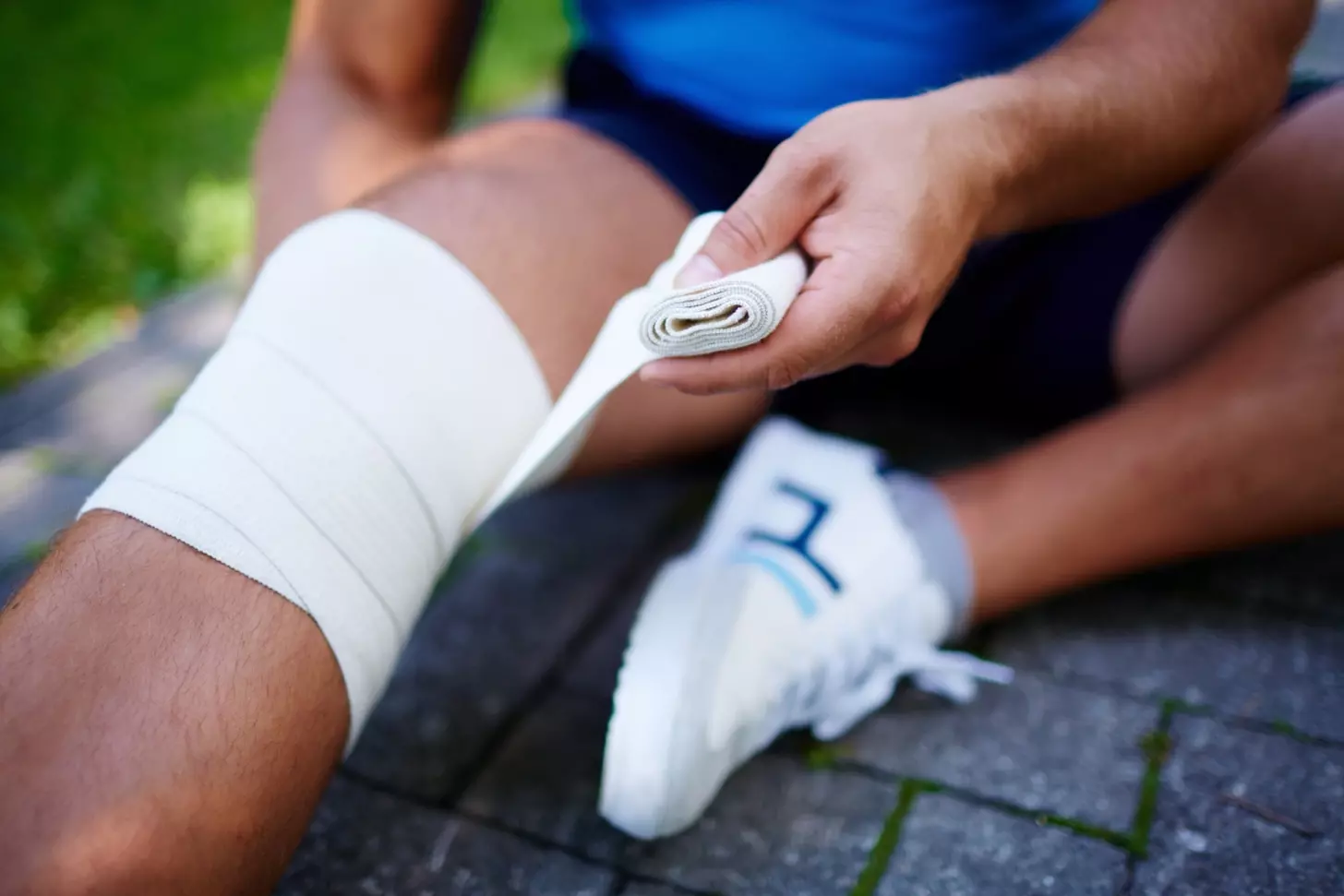
Recovering from an ACL tear is a big challenge, taking 6 to 12 months. It’s a tough journey, but with the right steps, you can get back to your active life.
The recovery period depends on several things. This includes how bad the tear is and the treatment you get. For example, more serious tears might need surgery, which can change how long it takes to recover.
At Liv Hospital, we focus on a good rehab plan. Our team helps make a plan just for you. This way, you’re ready to face the recovery process.
Key Takeaways
- ACL recovery typically takes 6 to 12 months.
- The severity of the tear and treatment type impact recovery.
- A personalized rehabilitation program is key for success.
- Staying committed to rehab greatly affects your outcome.
- With the right care, you can regain strength and enjoy active life again.
Understanding ACL Injuries and Their Significance
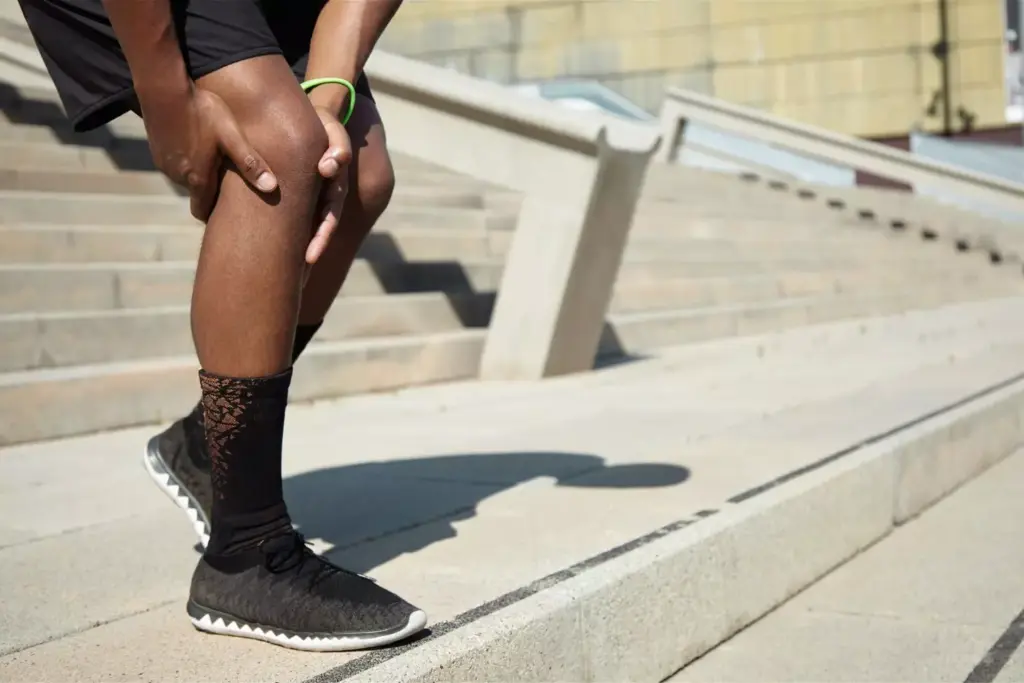
It’s important to know about ACL injuries to understand knee stability and recovery. The anterior cruciate ligament (ACL) is key to the knee’s health. It’s often hurt in sports and physical activities.
What Is the ACL and Its Function in Knee Stability
The ACL keeps the knee stable. It links the thigh bone to the shin bone. It stops the shin bone from moving too far forward and keeps the knee stable when it rotates. It works with other ligaments to keep the knee stable.
Common Causes and Mechanisms of ACL Tears
ACL tears happen in sports with sudden stops or changes in direction. They can also happen from direct contact. The main causes are:
- Sudden deceleration or change in direction
- Landing awkwardly from a jump
- Direct contact or collision, such as in football or soccer
- Pivoting or twisting movements
These actions stress the ACL, causing tears. Knowing these causes helps prevent and diagnose ACL injuries.
Recognizing ACL Injury Symptoms
Symptoms of an ACL injury include:
- A loud “pop” or snap at the time of injury
- Severe pain and inability to continue activity
- Rapid swelling due to inflammation
- Instability or feeling of the knee “giving way”
Spotting these symptoms is key to getting the right medical help. Quick diagnosis and treatment are vital for recovery and getting back to full activity.
ACL Injury Recovery Time: The Complete Timeline
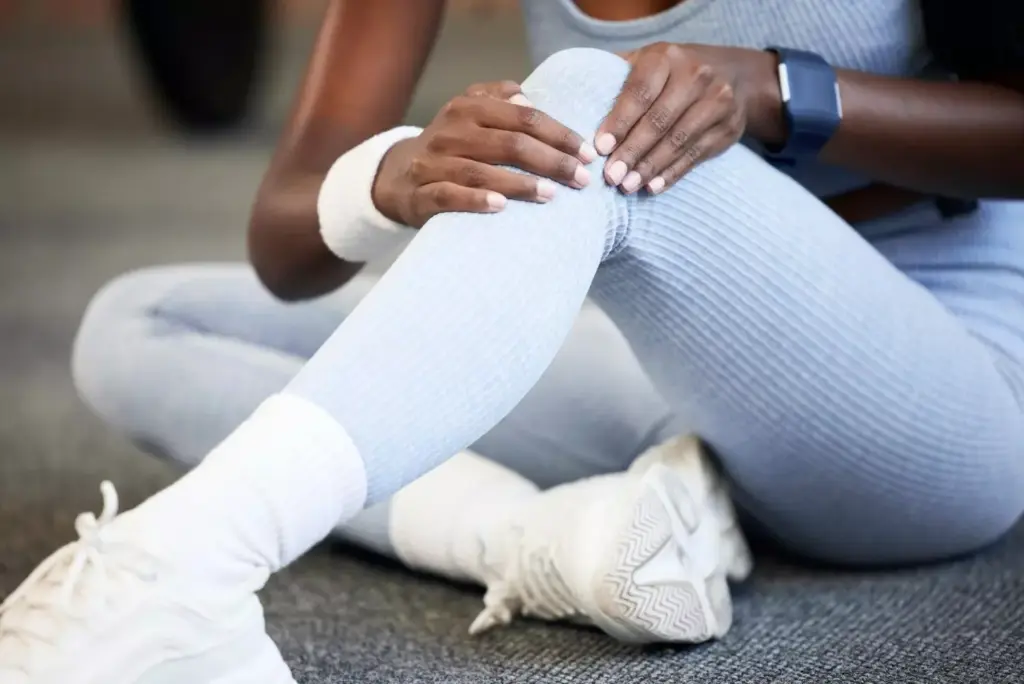
Knowing how long it takes to recover from ACL injuries is key. It helps patients plan their rehab journey well. ACL injuries, with or without surgery, need a lot of time to heal and get better.
The Standard 6-12 Month Recovery Window
Doctors usually say ACL injuries take 6 to 12 months to heal. This range varies based on how fast someone heals, the injury’s severity, and treatment choices.
Things like the patient’s health, age, and how well they follow rehab plans also play a big role. These factors can change how long it takes to get better within this time frame.
Average Recovery Timeframe of 8-9 Months
Most people need 8 to 9 months to get back to sports or hard activities. Studies and doctors agree on this average time. It’s when most people are ready to go back to their sports.
For example, pro athletes usually need this long to get back to their games. They make sure their knee is strong, stable, and works well.
Why Full Recovery Cannot Be Rushed
Trying to rush recovery can harm you. Going back to activities too soon can cause more injuries or long-term problems like chronic instability or osteoarthritis.
A slow and planned rehab is key. It makes sure the knee heals fully and the person can do things they want again. It might take time, but it’s safer in the long run.
Like Giovanni Leoni, who was out for about a year, recovery can take a while. But with the right care, patience, and rehab, most people can fully recover and do what they love again.
Factors That Influence Healing Time for Torn ACL
Knowing what affects ACL recovery time is key to having good outcomes. The time it takes to heal a torn ACL can change a lot. This is because of many different factors.
Patient-Specific Factors
Things about the patient can really affect how fast they heal. Age, overall health, and physical condition are big ones. Younger people and those who are very active usually heal faster.
Also, following the rehab plan is very important. Sticking to a good rehab program can make a big difference in how fast and well you recover.
Injury-Related Factors
The severity and type of ACL injury also play a big role. The size of the tear and if there are other knee problems can make healing take longer. For example, athletes with ACL injuries often face challenges in getting back to their game.
Treatment Approach
The treatment chosen also affects how long it takes to heal. Deciding between surgery and not having surgery depends on the injury, how active you are, and what you prefer. Surgery might be better for those who are very active, but it means a longer recovery.
The type of surgery and rehab plan after surgery or injury also matter. In short, the time it takes to heal a torn ACL depends on many things. Knowing these helps set better recovery goals and makes rehab plans more effective.
The ACL Recovery Period: Initial Phase (0-2 Weeks)
The first two weeks after an ACL injury or surgery are key. They set the stage for a successful recovery. During this time, the focus is on managing the body’s immediate response and preparing for the next steps in rehabilitation.
Post-Injury or Post-Surgery Management
Managing the first phase involves a few important steps. Right after an ACL injury or surgery, patients need to follow a specific plan. This plan helps avoid complications and supports healing. It includes resting the knee, using ice to reduce swelling, and elevating the leg.
Pain and Swelling Control Strategies
Managing pain and swelling is vital in the early recovery phase. Patients should use pain medication as advised, apply ice packs, and keep the knee elevated. Learning exercises for ACL tear without surgery can also help manage pain and improve movement.
Early Mobility Goals and Restrictions
While rest is important, moving gently is also encouraged. This helps prevent stiffness and supports healing. Patients should do gentle exercises as suggested by their physical therapist. They should avoid heavy lifting, bending, or activities that could make the injury worse.
Protective Measures and Bracing
Using knee braces is often recommended to stabilize the knee during the early healing phase. The type of brace needed depends on the injury’s severity and the patient’s specific needs, as determined by their healthcare provider.
| Aspect | Initial Phase (0-2 Weeks) | Key Considerations |
|---|---|---|
| Management | Rest, Ice, Compression, Elevation | Minimize complications, promote healing |
| Pain and Swelling | Medication, Ice, Elevation | Control pain, reduce swelling |
| Mobility | Gentle exercises | Prevent stiffness, promote healing |
| Protection | Knee bracing | Provide stability, support healing |
Early Rehabilitation Phase (2-6 Weeks)
The early rehabilitation phase lasts from 2 to 6 weeks after injury or surgery. It’s key for a good ACL recovery. We focus on getting the knee moving, strengthening muscles, and healing right.
Regaining Full Range of Motion
Getting the knee to move fully is important early on. We use exercises to improve knee bending and straightening. Early movement helps reduce stiffness and aids healing.
Patients do gentle knee bends and straightening without pain. We aim for full straightening and better bending.
Initial Strengthening Exercises
Strengthening knee muscles is critical for ACL recovery. We start with isometric exercises like quadriceps sets and straight leg raises. These exercises build strength without harming the ACL.
As patients get stronger, we add dynamic exercises like leg presses and step-ups. These help build strength for everyday activities.
Gait Training and Proper Walking Mechanics
Gait training is key in the early phase. We work on a normal walking pattern to avoid injuries.
Patients learn to walk with a normal heel-to-toe gait, avoiding limps. Good walking mechanics prevent long-term movement problems.
Expected Milestones at 6 Weeks
By 6 weeks, patients show big improvements. We expect to see:
- Near-full knee extension
- Improved knee flexion
- Strengthening of the quadriceps and hamstring muscles
- Normal gait pattern without significant limp
| Milestone | Expected Progress by 6 Weeks |
|---|---|
| Knee Extension | Near full extension |
| Knee Flexion | Significant improvement |
| Muscle Strength | Noticeable strengthening |
| Gait | Normal walking pattern |
“Rehabilitation is a journey that requires patience, dedication, and the right guidance. By focusing on regaining range of motion, strengthening, and proper gait mechanics, patients can achieve a successful recovery.”
Progressive Strengthening Phase (6-12 Weeks)
Between 6 to 12 weeks, patients face a key phase. They move from simple exercises to more intense ones. This helps them regain knee function and get ready for harder activities.
Advancing Exercise Intensity
We start to make exercises harder to push the knee and muscles more. This includes:
- Progressive resistance exercises using weights or resistance bands
- High-intensity interval training (HIIT) to improve cardiovascular fitness
- Strengthening exercises targeting the core, leg, and hip muscles
Restoring Normal Movement Patterns
It’s important to get back to normal movement. We work on:
- Correcting gait abnormalities through gait training
- Improving flexibility and range of motion through stretching exercises
- Enhancing neuromuscular control through functional exercises
Balance and Proprioception Training
Balance and proprioception training are key. We use:
- Single-leg stance exercises to improve balance
- Proprioceptive exercises using balance boards or BOSU balls
- Agility drills to enhance quickness and reaction time
3-Month Recovery Benchmarks
By the 3-month mark, patients hit big milestones. They include:
| Benchmark | Description | Expected Outcome |
|---|---|---|
| Strength | Significant improvement in knee strength | Able to perform daily activities with ease |
| Range of Motion | Near-normal range of motion | Minimal stiffness or discomfort |
| Balance and Proprioception | Improved balance and proprioception | Stable during single-leg stance and other balance tests |
Progressive strengthening is key for a full recovery. By increasing exercise intensity, restoring movement, and focusing on balance and proprioception, patients can recover well by the 3-month mark.
Advanced Rehabilitation Phase (3-6 Months)
The advanced rehabilitation phase is a key part of ACL recovery. It lasts from three to six months after injury or surgery. During this time, patients do more challenging exercises to get back to full function and prepare for sports.
Sport-Specific Training Introduction
Sport-specific training is vital in this phase. We design exercises that match the patient’s sport or activity. This helps build strength, agility, and confidence in the knee.
Agility and Plyometric Exercises
Agility and plyometric exercises are key. They include quick changes in direction, jumping, and fast speed. These are important for athletes to return to sports.
Building Psychological Confidence
Psychological confidence is just as important as physical recovery. We focus on helping patients trust their knee and feel secure. Physical training and mental preparation help them regain confidence.
Testing Protocols for Progression
We use tests to check knee function and readiness for more activities. These tests help us see if there are any issues. Then, we adjust the program to fix these problems.
Sticking to the rehabilitation plan is essential. We work with patients to make sure they understand its importance. This affects their recovery and ability to get back to their activities.
Return to Activity Guidelines (6-9 Months)
The time from 6 to 9 months is key for ACL recovery. It’s when people can start doing their usual activities again. It’s important to follow certain rules to make sure it’s safe and successful.
Criteria for Returning to Daily Activities
Before going back to daily life, patients need to meet some criteria. These include:
- Having a pain-free range of motion
- Demonstrating adequate strength and stability
- Showing satisfactory functional ability through various tests
It’s vital to meet these criteria for a safe return. A thorough assessment by a healthcare professional is necessary to check if the patient is ready.
Timeline for Recreational Sports Participation
For those in recreational sports, it usually takes 8 to 9 months to get back to playing. But, this can change based on how well someone recovers and the sport they play.
Many athletes have successfully returned to their sports after ACL recovery. For instance,
“After a well-structured rehabilitation program, most patients can return to their pre-injury activity level,”
as sports medicine specialists have noted.
| Sport | Average Return Time | Key Factors for Return |
|---|---|---|
| Soccer | 8-10 months | Agility, strength, endurance |
| Basketball | 8-9 months | Jumping ability, quick changes of direction |
| Tennis | 7-9 months | Speed, agility, reaction time |
High-Level Athletic Competition Return Protocol
For top athletes, getting back to competition is more challenging. They need to do advanced strength and conditioning, sport-specific drills, and gradually increase their intensity.
It’s essential for athletes to work closely with their healthcare team to create a return-to-play plan that meets their needs and sport demands.
By following these guidelines and working with healthcare professionals, patients can ensure a safe and successful return to their activities after ACL recovery.
Surgical vs. Non-Surgical ACL Treatment Recovery Comparison
It’s important for patients to know the difference between surgical and non-surgical ACL treatment. This choice affects how long it takes to recover and when you can get back to normal activities.
When to Choose Surgery Over Conservative Treatment
Surgery is best for young, active people or those who play sports that need quick movements. ACL reconstruction surgery is needed when the injury makes the knee unstable or when other treatments don’t work.
For those with a partial ACL tear or who are less active, non-surgical treatment might be better. This approach includes exercises, bracing, and changing how you move to avoid knee stress.
Recovery Timeframes for Different Approaches
The time it takes to recover is different for surgery and non-surgery. Surgery usually takes 6 to 12 months, with most people getting back to full activity in 8 to 9 months. Non-surgical treatment might be shorter at first but could need ongoing care and might take longer to fully recover.
Research shows that surgical treatment often leads to better results for sports and knee stability. But, non-surgical methods can also work well for some, focusing on exercises and changing how you move.
Long-Term Outcome Differences
The long-term results of surgery and non-surgery are different. Surgery can give long-term knee stability and lower the chance of more knee problems. Non-surgery might work for some, but it could lead to more knee injuries or wear and tear over time.
Patient Selection Considerations
Choosing between surgery and non-surgery depends on many factors, like age, activity level, injury extent, and personal choice. Patient selection is key because the best treatment varies from person to person.
In summary, picking between surgery and non-surgery for ACL treatment should be a thoughtful decision. It’s important to consider recovery time, long-term effects, and what’s best for you. Talking to healthcare professionals is essential for making the right choice.
Potential Complications and Extended Recovery Scenarios
ACL recovery can be complex. It’s important to know about possible complications for a good outcome. While many people recover well, some may face setbacks that make their recovery longer.
Common Setbacks in ACL Recovery
Several factors can lead to complications during ACL recovery. These include:
- Infection
- Graft failure
- Stiffness or loss of range of motion
- Muscle weakness
- Proprioception deficits
A study in the Journal of Orthopaedic & Sports Physical Therapy found up to 25% of patients face complications after ACL reconstruction. It’s key to avoid these complications for a smooth recovery.
Signs That Recovery Is Not Progressing Normally
Patients should watch for signs that recovery isn’t going as planned. These signs include:
- Persistent pain or swelling
- Increasing instability in the knee
- Failure to regain full range of motion
- Significant muscle weakness or atrophy
- Difficulty with balance or proprioception
As noted by
“ACL reconstruction is a complex procedure, and while most patients do well, there are possible complications. Spotting these early is vital for managing them successfully.”
When to Seek Additional Medical Intervention
If you notice any of these signs or have concerns, seek medical help quickly. Our team advises:
| Symptom | Recommended Action |
|---|---|
| Increasing pain or swelling | Consult with your orthopedic surgeon or physical therapist |
| Knee instability | Schedule an appointment for further evaluation |
| Failure to improve | Discuss alternative rehabilitation strategies with your healthcare provider |
Being aware of complications and knowing when to seek help can help navigate ACL recovery. We stress the importance of teamwork between patients, physical therapists, and orthopedic surgeons for the best results.
Conclusion: The Journey to Full ACL Recovery
Recovering from an ACL injury is a big challenge. It needs patience, dedication, and a good plan. We’ve looked at the different parts of the acl recovery journey, from the start to the end.
The recovery time can be 6 to 12 months. Most people need 8-9 months to get their knee fully back. It’s key to follow the advice of doctors and physical therapists to avoid problems and get better.
Knowing how to heal faster and sticking to a rehabilitation plan helps a lot. Healthcare providers play a big role in helping patients. They make sure each person gets the right care for their recovery.
How long does it take to recover from an ACL injury?
ACL injury recovery time is usually 6 to 12 months. Most people take about 8 to 9 months to get back to high-level sports.
What factors influence the healing time for a torn ACL?
Healing time for a torn ACL depends on several factors. These include the injury’s severity, the individual’s health, and the chosen treatment.
Why is commitment to rehabilitation important in ACL recovery?
Commitment to rehabilitation is key. It ensures the person follows the necessary exercises and protocols. This boosts their chances of a successful recovery.
What is the significance of the ACL in knee stability?
The ACL is vital for knee stability. It supports the knee and helps it move smoothly.
What are the common causes and mechanisms of ACL tears?
ACL tears often happen from sudden stops, changes in direction, or direct contact. This is common in sports that involve pivoting and jumping.
How is ACL injury recovery time influenced by the treatment approach?
The treatment method greatly affects recovery time. Surgical treatments usually take longer than non-surgical ones.
What are the key milestones in the early rehabilitation phase of ACL recovery?
Early milestones include getting full range of motion and starting strengthening exercises. Gait training is also important, usually achieved by 6 weeks.
What is the importance of balance and proprioception training in ACL recovery?
Balance and proprioception training are vital. They help restore normal movement and ensure knee stability, reducing injury risk.
When can I return to high-level athletic competition after an ACL injury?
Returning to high-level sports depends on several factors. It’s usually recommended to wait until significant strength, stability, and confidence are achieved. This is often around 9-12 months after injury or surgery.
What are the possible complications during ACL recovery?
Complications like persistent pain, swelling, or limited mobility can occur. These may indicate the need for additional medical help.
How do I know if my ACL recovery is progressing normally?
Check progress against expected milestones. Be aware of signs like unusual pain or significant setbacks. This helps determine if recovery is on track.
References
- Emory Healthcare. Rehab Timeline Expectations. https://www.emoryhealthcare.org/centers-programs/acl-program/recovery/rehab-timeline
- UCHealth Today. Huchealth.org/…/acl-tears-how-long-does-it-take-to-recover-and-return-to-sportsow long is recovery time from an ACL tear? https://www.uchealth.org/today/acl-tears-how-long-does-it-take-to-recover-and-return-to-sports