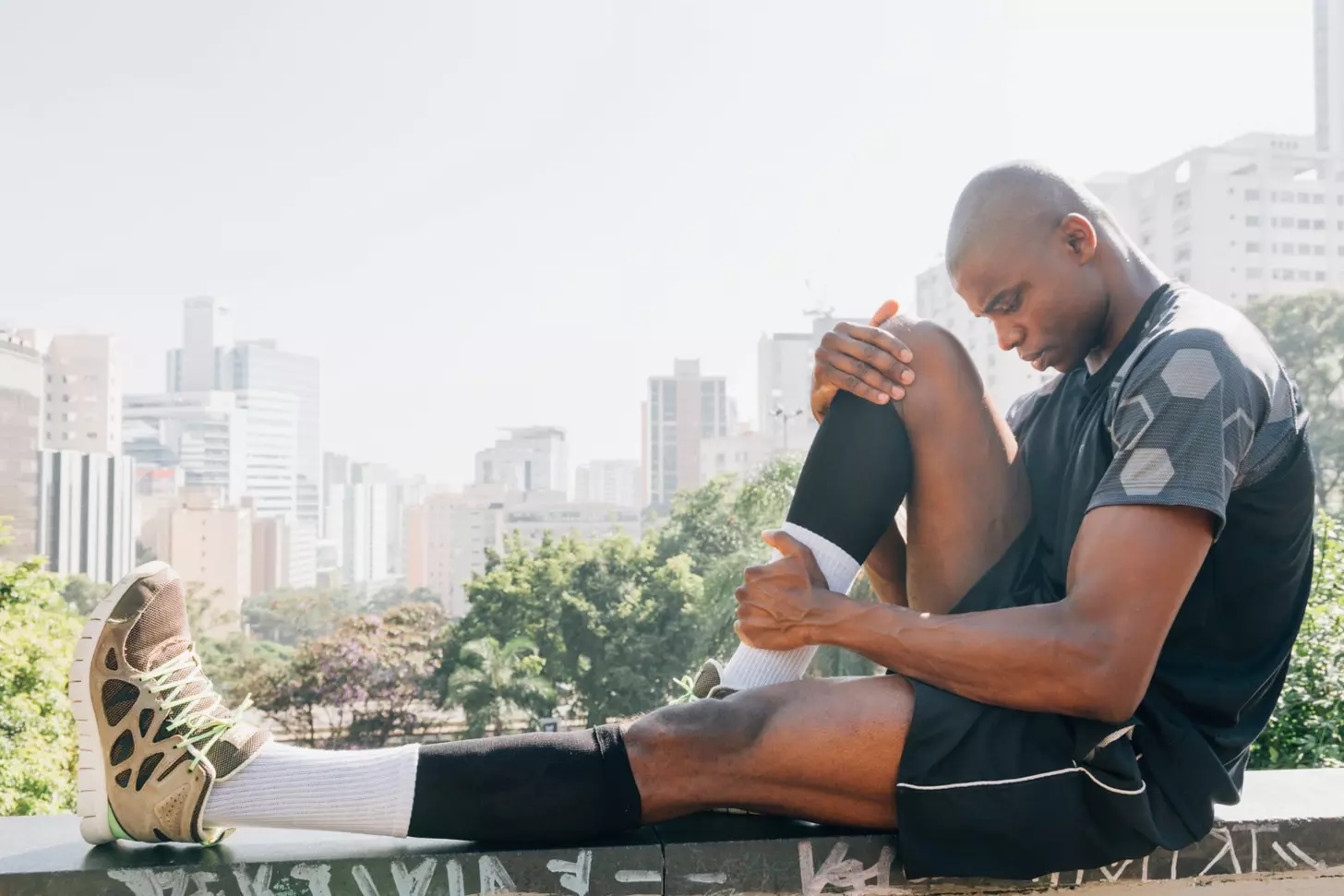
Anterior Cruciate Ligament (ACL) injuries can be tough, and recovery times vary a lot. At Liv Hospital, we focus on personalized care and advanced treatment options. This ensures a smooth recovery for you.
ACL tears can really set you back, and recovery takes time. The ACL recovery timeline depends on the injury’s extent and treatment. We aim to give you a detailed guide on what to expect during your ACL tear recovery time.
Key Takeaways
- ACL recovery time varies based on the severity of the injury and treatment choice.
- Partial ACL tears may have a shorter recovery time compared to complete tears.
- Surgical and non-surgical treatment options are available, each with its own recovery timeline.
- Rehabilitation plays a key role in the ACL recovery process.
- Liv Hospital is committed to providing advanced care and reliable outcomes for ACL injuries.
Understanding ACL Tears: Partial vs. Complete
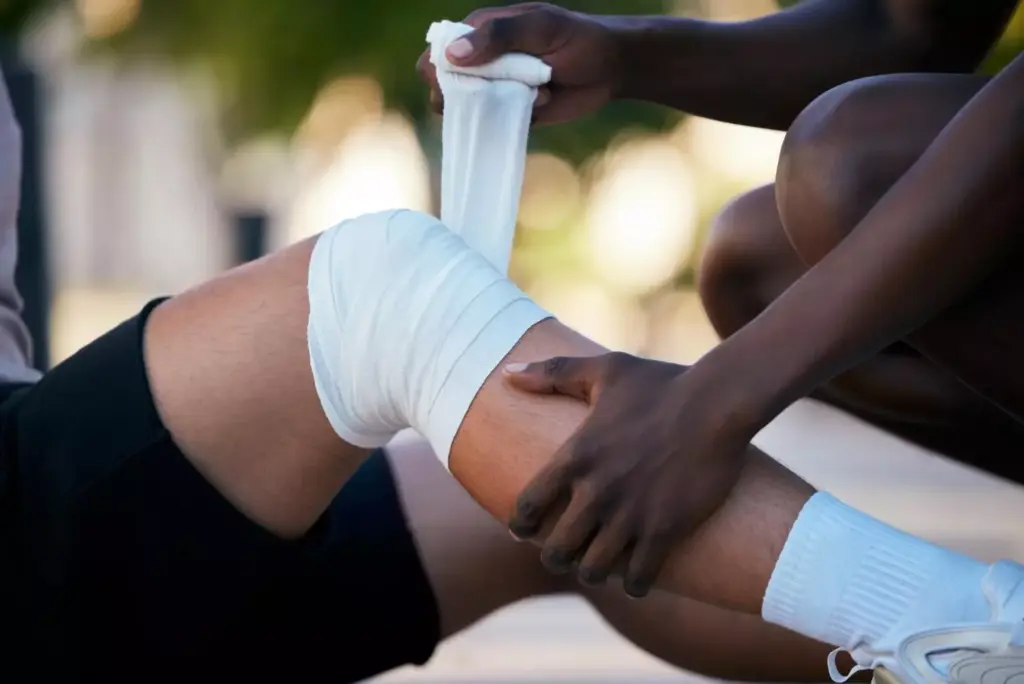
The anterior cruciate ligament (ACL) is key for knee stability. It’s a vital ligament that keeps the knee joint stable. Knowing how it works helps us understand the effects of ACL tears.
What Is the ACL and How Does It Function?
The ACL is a major ligament that stabilizes the knee. It stops the tibia from moving too far forward compared to the femur. It also controls rotation, allowing for smooth movement and pivoting.
Differentiating Between Partial and Complete ACL Tears
ACL tears are divided into partial and complete types. A partial ACL tear damages part of the ligament. A complete ACL tear means the ligament is fully ruptured. Knowing the difference is key for choosing the right treatment and recovery time.
| Characteristics | Partial ACL Tear | Complete ACL Tear |
|---|---|---|
| Ligament Damage | Partial damage | Full rupture |
| Knee Stability | Some stability remains | Significant instability |
| Typical Treatment | Conservative management or surgery | Often requires surgical intervention |
Common Causes and Mechanisms of ACL Injuries
ACL injuries often happen in sports with sudden stops or changes in direction. They can also occur from landing badly or a direct hit to the knee. Knowing these causes helps prevent injuries and understand their severity.
Understanding ACL tears, including their causes and types, helps patients make better treatment choices. This knowledge is key for recovery.
Diagnosis and Initial Assessment of ACL Injuries

Diagnosing an ACL injury needs a detailed approach. It combines clinical checks, physical tests, and advanced imaging. Getting the diagnosis right is key to knowing how bad the injury is and what treatment to use.
Clinical Evaluation and Physical Examination
The first step is a detailed check and physical exam. We look at the patient’s health history and symptoms. We also do tests like the Lachman and pivot shift tests to see if the knee is stable.
Imaging Studies: MRI, X-rays, and Ultrasound
Imaging studies are vital to confirm ACL tears. MRI (Magnetic Resonance Imaging) X-rays check for fractures, and ultrasound looks at soft tissue injuries.
Grading ACL Tears: Classification Systems
ACL tears are graded by their severity. The most used system has three grades: mild, moderate, and severe. Knowing the grade helps us choose the best treatment.
Treatment Options for ACL Tears
Treating ACL tears involves looking at several factors. We consider the injury’s severity and the patient’s health and activity level. We also think about what the patient prefers.
Conservative Management Approaches
For some, conservative management is a good start. This includes physical therapy, bracing, and avoiding certain activities. We also suggest pain management and exercises to improve knee function.
Surgical Interventions: Reconstruction Techniques
For complete ACL tears or when other methods fail, surgical reconstruction is needed. This involves using a graft to replace the damaged ACL. The choice of graft depends on the patient’s age, activity level, and past surgeries. After surgery, a detailed rehabilitation program helps restore knee strength and function.
Determining the Right Treatment Path: Factors to Consider
Choosing between non-surgical and surgical options requires careful thought. We look at the ACL tear’s severity, any other injuries, the patient’s activity level, and their goals. This helps us create a treatment plan that meets the patient’s needs.
The main aim of ACL tear treatment is to improve knee stability and reduce pain. This allows patients to get back to their activities. A well-thought-out treatment plan is key to a successful recovery, whether it’s through non-surgical methods or surgery.
How Long Does ACL Recovery Take: Timeline Overview
Recovering from an ACL injury has several phases, each with its own challenges. Knowing these phases helps set realistic goals and ensures a good recovery.
Immediate Post-Injury Phase (0-2 Weeks)
The first phase is all about managing pain, swelling, and getting the knee to move again. It’s the foundation for the rest of the recovery.
Early Rehabilitation Phase (2-6 Weeks)
As healing starts, we focus on moving the knee, strengthening muscles, and improving balance. Gentle exercises and physical therapy are key here.
Intermediate Recovery Phase (6 Weeks-3 Months)
In this phase, knee function and strength improve a lot. We do more challenging exercises to get ready for the next steps.
Advanced Rehabilitation Phase (3-6 Months)
This phase is about getting stronger, more agile, and ready for complex movements. It’s all about preparing for sports or activities.
Return to Activity Phase (6-12+ Months)
The last phase is about slowly getting back to full activity. It’s important to make sure the knee can handle the demands of sports or activities.
Here’s a quick look at the ACL Recovery Timeline Overview:
| Phase | Duration | Key Focus Areas |
|---|---|---|
| Immediate Post-Injury | 0-2 Weeks | Pain management, inflammation reduction, basic knee function |
| Early Rehabilitation | 2-6 Weeks | Range of motion, muscle strengthening, proprioception |
| Intermediate Recovery | 6 Weeks-3 Months | Strengthening, functional activities |
| Advanced Rehabilitation | 3-6 Months | Strength, power, agility |
| Return to Activity | 6-12+ Months | Sports-specific training, full activity |
Sticking to the rehabilitation plan and working with healthcare professionals is key to a successful recovery.
Partial ACL Tear Healing Time and Recovery Process
The time it takes for a partial ACL tear to heal varies. It depends on how severe the injury is and the treatment chosen. We’ll look at how long it usually takes and what to expect with conservative management.
How Long Does a Partial ACL Tear Take to Heal?
A partial ACL tear can heal in three to six months with conservative treatment. The healing process includes rest, physical therapy, and exercises. These help strengthen muscles and improve knee stability.
Conservative Management Recovery Expectations
With conservative management, symptoms will gradually get better. Physical therapy is key in this process. It helps restore knee function and strength. We suggest a structured rehabilitation program for the best recovery.
Surgical Intervention for Partial Tears: When It’s Recommended
In some cases, surgery is needed for partial ACL tears. This is when conservative management doesn’t work or the tear is big. Surgical reconstruction can improve knee stability and prevent more injuries.
Activity Modifications During Partial ACL Tear Recovery
It’s important to modify activities during recovery. Avoid high-impact sports and sudden changes in direction. A healthcare professional can help create a personalized rehabilitation plan.
Complete ACL Tear Recovery Time and Rehabilitation
Understanding the recovery from a complete ACL tear is key. This includes both surgery and rehabilitation. We’ll look at the different ways to recover from such an injury.
ACL Tear Healing Time Without Surgery
Some people might not need surgery for a complete ACL tear. They might choose to avoid activities that stress the knee. But, the healing time can vary a lot, often taking months to a year or more.
Without surgery, the focus is on strengthening the knee muscles. This helps provide stability. The recovery time can depend on the patient’s age, health, and if they have other knee injuries.
ACL Reconstruction Healing Time After Surgery
For those who want to get back to sports, surgery is often the best choice. ACL reconstruction surgery can take 6 to 12 months to heal. Some athletes might need up to 18 months to get back to their old level.
Graft Types and Their Impact on Recovery Duration
The type of graft used in surgery can affect how long it takes to recover. Grafts can be from the patient (autograft) or a donor (allograft). Within autografts, there are different types like hamstring, patellar tendon, and quadriceps tendon. Each type has its own recovery time, with some being faster than others.
Milestones in Post-Surgical Rehabilitation
Rehabilitation after ACL reconstruction surgery has key milestones. First, patients work on moving their knee and reducing pain and swelling. Later, they focus on strengthening the knee and improving their function.
| Rehabilitation Phase | Timeline | Key Milestones |
|---|---|---|
| Immediate Post-Surgery | 0-2 weeks | Pain management, wound healing, initial knee motion |
| Early Rehabilitation | 2-6 weeks | Restoring knee range of motion, initial strengthening |
| Advanced Strengthening | 6-12 weeks | Progressive strengthening, balance and proprioception training |
| Return to Activity | 3-6 months | Functional training, agility drills, return to sports-specific activities |
| Full Recovery | 6-12+ months | Full strength, complete return to pre-injury activities |
Knowing these milestones and the recovery timeline helps set realistic goals. It also helps tailor rehabilitation to each person’s needs.
Factors Affecting ACL Recovery Duration
Knowing what affects ACL recovery time is key to setting realistic goals and getting good results. The healing process is complex, with many factors that can change how long it takes.
Age and Its Impact on Healing
Age is a big factor in how fast you heal from an ACL injury. Younger people usually heal faster because they are healthier and their bodies can repair themselves quicker. But, older people can also heal well, it might just take longer and need a more customized rehab plan.
Pre-Injury Fitness Level and Athletic Background
Your fitness level and sports history before the injury matter a lot. If you were very active before, you’ll likely recover faster. This is because your muscles are already strong, making the healing process smoother.
Associated Injuries: Meniscus, Cartilage, and Other Ligaments
Having other injuries, like meniscus or cartilage damage, can make ACL recovery longer. Dealing with these injuries at the same time makes rehab harder. It’s important to treat all injuries together to heal fully.
Rehabilitation Compliance and Physical Therapy Engagement
How well you follow your rehab plan and go to physical therapy is very important. Staying committed and attending therapy sessions regularly leads to better results and shorter recovery times. This shows how important it is to be active in your recovery.
| Factor | Impact on ACL Recovery | Potential Recovery Time |
|---|---|---|
| Age | Younger individuals recover faster | 6-9 months |
| Pre-injury Fitness Level | Higher fitness level = faster recovery | 6-12 months |
| Associated Injuries | Increases complexity, potentially longer recovery | 9-18 months |
| Rehabilitation Compliance | High compliance = better outcomes, shorter recovery | 6-12 months |
Understanding these factors helps patients and doctors create the best recovery plans. This way, everyone can work together to get the best results.
Preventing Re-Injury and Long-Term Recovery Strategies
Keeping your ACL healthy after an injury is more than just healing. It’s about taking steps to prevent it from happening again. This means strengthening your muscles, improving how you move, using protective gear, and changing your lifestyle.
Strengthening Programs for Long-Term Stability
Building strong muscles around your knee is key after an ACL injury. Strengthening the muscles around the knee, like your quadriceps and hamstrings, helps support your ACL. We suggest exercises like squats, lunges, and leg press, based on your recovery and fitness level.
Movement Pattern Correction and Biomechanical Training
Changing how you move is important to avoid putting too much stress on your ACL. Biomechanical training helps find and fix bad movement habits that could cause re-injury. Jump training and agility drills, done right, can lower the chance of future ACL injuries.
Protective Equipment and Bracing Considerations
Wearing protective gear, like knee braces, can add extra support and stability. We decide if you need a brace based on your activity, knee stability, and how comfortable you are with wearing one.
Lifestyle Modifications for ACL Health Maintenance
Changing your lifestyle can also help keep your ACL healthy. This includes staying at a healthy weight, doing low-impact activities, and avoiding sports or activities with sudden stops or changes in direction.
By making these changes, you can lower the risk of ACL re-injury and keep your knee healthy for the long term.
Conclusion: Setting Realistic Expectations for ACL Recovery
ACL recovery is complex and varies from person to person. Knowing what affects recovery times and treatment options is key. We’ve covered ACL tears from start to finish to help you understand the journey.
Setting realistic ACL recovery expectations helps you prepare. The ACL recovery timeline changes based on injury severity, treatment, and personal factors. We aim to give you a clear idea of what’s ahead, helping you reach your best recovery.
Stay focused on your rehab, work closely with your healthcare team, and make smart choices about your care. With determination and support, you can beat ACL recovery challenges and get back to your life confidently.
How long does a partial ACL tear take to heal?
A partial ACL tear usually heals in 3-6 months with non-surgical care. But, some might need surgery, which can make recovery longer.
What is the typical recovery time for a complete ACL tear without surgery?
Without surgery, a complete ACL tear can take 6-12 months or longer to heal. This depends on your health, fitness before the injury, and how well you follow your rehab plan.
How long does ACL reconstruction surgery recovery take?
After ACL reconstruction surgery, recovery takes 6-12 months. Sometimes, it can take up to 18 months or more to fully recover. The kind of graft used and your individual factors can affect this time.
What factors affect ACL recovery duration?
Several things can affect how long it takes to recover from an ACL injury. These include your age, fitness before the injury, any other injuries, and how well you follow your rehab plan. The choice between non-surgical or surgical treatment also matters.
Can I prevent re-injury after ACL recovery?
Yes, you can lower the risk of re-injury with the right steps. This includes strengthening exercises, correcting movement patterns, biomechanical training, and making lifestyle changes. Wearing protective gear and using braces can also help.
How long does it take to return to sports after an ACL injury?
The time to get back to sports after an ACL injury varies. It depends on the injury’s severity, the treatment chosen, and individual factors. Generally, it can take 6-12 months or more after surgery.
What is the role of physical therapy in ACL recovery?
Physical therapy is key in ACL recovery. It helps restore knee function, strength, and range of motion. A good rehab program can greatly improve your recovery chances.
Can I recover from an ACL tear without surgery?
Yes, some ACL tears can heal without surgery, mainly partial tears. But, complete ACL tears usually need surgery to achieve the best stability and function.