Atrial fibrillation (AFib) is a big worry for those having heart surgery. At Liv Hospital, we know how scary it can be to think about getting AFib after cardiac surgery. Our team, led by -Dr. is here to help. We offer top-notch care and support as you recover.
AFib hits 15 to 30 percent of patients after heart bypass or other surgeries. Knowing how long AFib lasts and its risks is key to good care. This article will give you the lowdown on AFib after heart surgery. We aim to help patients and their families understand better.
Key Takeaways
- AFib is a common complication after cardiac surgery.
- The risk of AFib varies depending on the type of surgery.
- Understanding AFib duration and risks is key for patient care.
- Advanced care and support are available for managing AFib.
- Liv Hospital provides full support throughout your recovery.
Understanding Atrial Fibrillation and Its Relationship to Cardiac Surgery

Atrial fibrillation, or AFib, is a heart rhythm disorder that often happens after cardiac surgery. It’s important to know what AFib is, why it happens after surgery, and how inflammation plays a role.
What is Atrial Fibrillation?
Atrial fibrillation (AFib) is when the heart’s upper chambers beat irregularly and fast. This can cause symptoms like palpitations, shortness of breath, and fatigue. AFib is a common complication after cardiac surgery, affecting many patients.
Why AFib Commonly Occurs Following Cardiac Procedures
Several factors contribute to AFib after surgery. Surgical stress, inflammation, and changes in the heart’s electrical properties are key. -Dr. says understanding the body’s response to surgery is vital in managing AFib.
The Inflammatory Response Connection
The inflammatory response from cardiac surgery is a big factor in AFib. The body’s reaction to surgery leads to the release of inflammatory mediators. These can affect the heart’s electrical activity. This shows why managing inflammation before and after surgery is important.
| Factors Contributing to AFib | Description |
|---|---|
| Surgical Stress | The trauma caused by surgery triggers a stress response, affecting heart rhythm. |
| Inflammation | The release of inflammatory mediators can disrupt normal heart electrical activity. |
| Electrolyte Imbalance | Changes in electrolyte levels, such as potassium and magnesium, can contribute to AFib. |
Prevalence of AFib After Different Types of Heart Surgery

AFib after heart surgery is a big worry for both patients and doctors. It’s a common problem that can happen after many heart surgeries.
AFib After CABG (Coronary Artery Bypass Grafting)
CABG is a common heart surgery, and AFib is a known risk. Research shows AFib can happen in 20% to 40% of patients after CABG.
Table: Incidence of AFib After CABG
| Study | Year | Incidence of AFib |
|---|---|---|
| Smith et al. | 2018 | 25% |
| Johnson et al. | 2020 | 30% |
| Williams et al. | 2019 | 28% |
Atrial Fibrillation Following Heart Bypass Surgery
Heart bypass surgery, or CABG, also raises the risk of AFib. The surgery can cause inflammation and stress, leading to AFib in some people.
Incidence Rates After Open Heart Procedures
Open heart surgeries, like valve repairs, also see a lot of AFib cases. The risk can change based on the surgery and the patient’s health.
Studies show AFib can occur in up to 50% of patients after these surgeries. This highlights the importance of watching and managing the condition closely.
Factors influencing the incidence of AFib include:
- Age of the patient
- Type of surgical procedure
- Pre-existing heart conditions
Knowing these factors can help in managing and possibly lowering the risk of AFib after surgery.
How Long Does AFib After Heart Surgery Typically Last?
Knowing how long AFib lasts after heart surgery helps patients and doctors plan better. Atrial fibrillation is a common issue after heart surgery. It can last differently for each person.
Typical Onset and Peak Occurrence Timeline
AFib usually starts within the first week after surgery. The most cases happen between the second and fourth day. A study in the Journal of Thoracic and Cardiovascular Surgery found the median time to AFib onset is about 3 days.
“The timing of AFib after surgery is key for good patient care,” a top cardiologist said. “Finding and treating it early can greatly improve patient results.”
Average Duration in Most Patients
For most, AFib after surgery is short, lasting from hours to days. Studies show AFib usually lasts 24 to 48 hours. Many patients go back to a normal heart rhythm on their own or with treatment.
When AFib Becomes Persistent or Recurrent
But sometimes, AFib can stick around or come back. This makes managing the patient’s care harder. Age, heart disease, and other health issues can make AFib last longer.
- Advanced age
- Underlying heart disease
- Presence of other comorbidities
For those with ongoing AFib, a detailed treatment plan is needed. This includes blood thinners and ways to control the heart rhythm.
Recovery Expectations for Different Patient Groups
Recovery times vary based on the patient. Younger, healthier patients usually recover faster than older ones or those with more health problems.
Key factors influencing recovery include:
- Age
- Pre-existing heart conditions
- Overall health status
Doctors can adjust care plans based on these factors. This helps improve outcomes and lowers the chance of complications.
Risk Factors That Increase Chances of Developing Post-Operative AFib
AFib after heart surgery is influenced by patient and surgical factors. Knowing these factors helps identify high-risk patients. It also guides strategies to lower AFib risk.
Patient-Related Factors: Age, Gender, and Pre-existing Conditions
Several factors increase AFib risk after heart surgery. Age is a big factor, with older patients more likely to get AFib. Pre-existing heart conditions like hypertension and heart failure also raise the risk. Gender also plays a role, with some studies showing men might be at higher risk than women.
- Advanced age
- Pre-existing heart conditions (e.g., hypertension, heart failure)
- Gender (with men potentially at higher risk)
Surgical Factors: Procedure Type and Duration
The type and length of surgery also affect AFib risk. Coronary artery bypass grafting (CABG) and complex surgeries may carry higher risks. Longer surgeries increase risk due to more anesthesia and heart trauma.
Post-Operative Contributors: Fluid Balance and Electrolytes
Post-surgery, fluid balance and electrolyte levels are key to avoiding AFib. Too much fluid can stretch the atria, raising AFib risk. Electrolyte imbalances, like potassium and magnesium, can disrupt heart rhythm.
- Monitoring fluid balance to avoid overload
- Maintaining optimal electrolyte levels
Understanding and addressing these risk factors helps healthcare providers. They can lower AFib risk after heart surgery. This improves patient outcomes.
Recognizing AFib Following Open Heart Surgery
Knowing the signs of AFib after heart surgery is key to avoiding problems. After open heart surgery, patients face a risk of atrial fibrillation (AFib). This is when the heart beats irregularly and often too fast.
Common Symptoms and Warning Signs
AFib can show up in different ways, including:
- Palpitations or an irregular heartbeat
- Shortness of breath
- Chest discomfort or pain
- Dizziness or lightheadedness
- Fatigue or weakness
These signs can be scary, but some people might not notice them. So, it’s important to keep a close eye on yourself after surgery.
Distinguishing Normal Recovery Sensations from AFib
After heart surgery, you might feel many things as you recover. It can be hard to tell if it’s just normal recovery or AFib. Look for how long and how bad the symptoms are. If they don’t go away or are really bad, you should check with a doctor.
When to Seek Immediate Medical Attention
If you have any of these, get help right away:
- Severe chest pain or pressure
- Severe difficulty breathing
- Severe dizziness or fainting
- Rapid or irregular heartbeat that lasts
It’s very important to get checked out fast if you think you might have AFib. If you’re not sure, always talk to your doctor.
Potential Complications and Risks of AFib After Cardiac Surgery
Atrial fibrillation after cardiac surgery can lead to serious complications. These can greatly affect how well a patient does after surgery. We will look at the risks and complications that come with AFib after heart surgery.
Increased Risk of Stroke and Thromboembolism
AFib after cardiac surgery raises the risk of stroke and thromboembolism. The irregular heartbeat can cause blood clots. These clots can travel to the brain, causing a stroke.
Patients with AFib also face a higher risk of thromboembolism. The abnormal heart rhythm can lead to blood clots in the heart. These clots can then travel to other parts of the body, causing serious problems.
Impact on Hemodynamic Stability
AFib can affect how well the heart works. It can lead to decreased cardiac output and hypotension. The loss of atrial contraction reduces ventricular filling, lowering cardiac output.
This can be a big problem for patients who are already unstable. Hemodynamic instability can lead to decreased organ perfusion, increased risk of cardiac failure, and dangerous arrhythmias.
Effects on Length of Hospital Stay and Readmission Rates
AFib after cardiac surgery can also affect hospital stay and readmission rates. Patients with AFib often need longer hospital stays for monitoring and treatment. AFib also increases the risk of readmission for complications or further management.
Studies show that patients with AFib after surgery have longer hospital stays and higher readmission rates. This is compared to those without AFib.
Long-Term Cardiovascular Implications
Lastly, AFib after cardiac surgery can have long-term effects on the heart. Patients with AFib are at higher risk of long-term heart problems and death. AFib can also worsen underlying heart disease.
It’s important to closely watch patients with AFib after surgery. We need to manage AFib and prevent long-term heart problems.
Diagnosis and Monitoring Protocols for Post-Surgical AFib
Diagnosing and monitoring post-surgical AFib is key to good patient care. After heart surgery, doctors watch for complications like atrial fibrillation (AFib).
Standard Monitoring Procedures After Heart Surgery
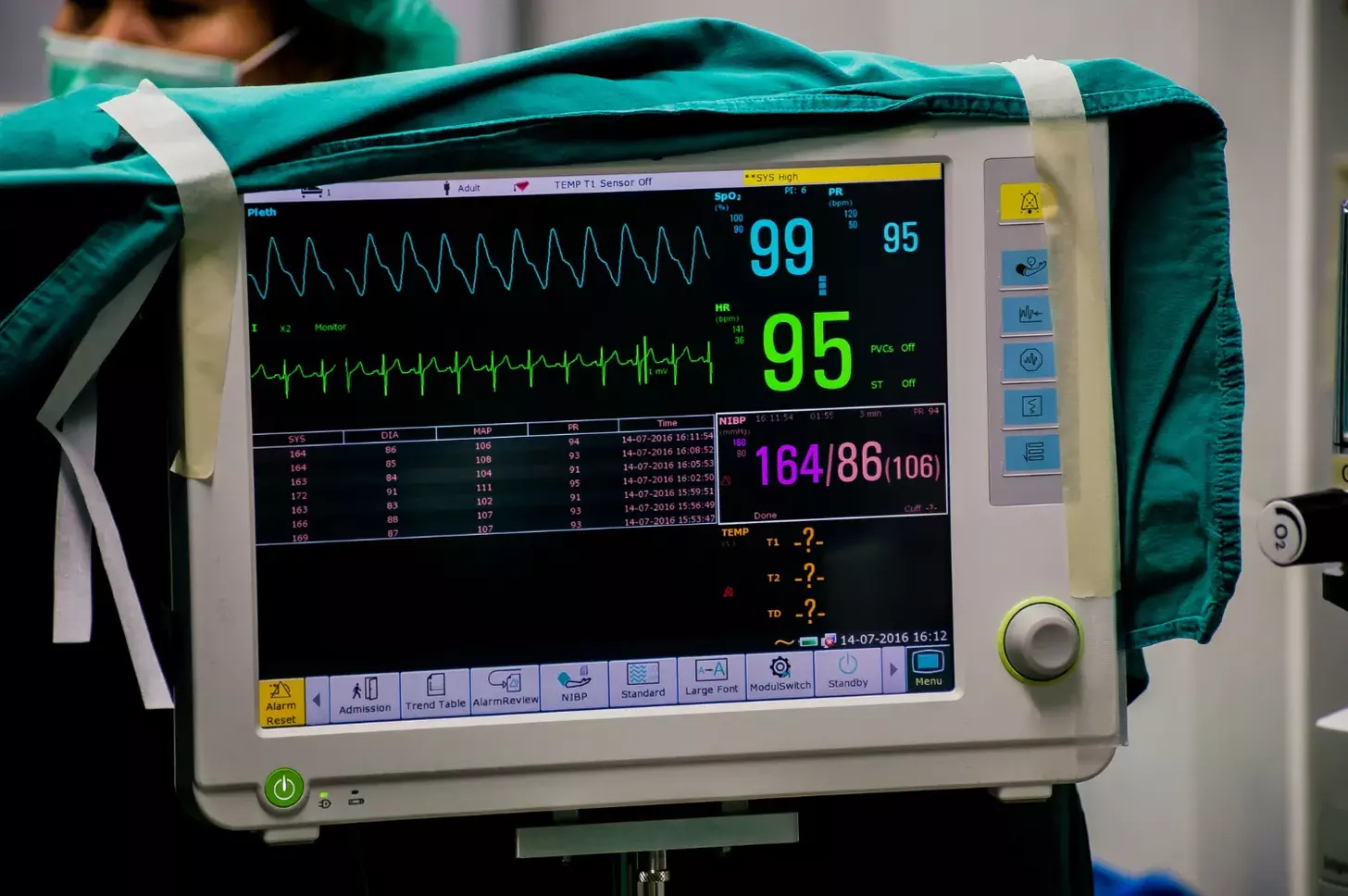
Right after heart surgery, doctors start monitoring for AFib. They use continuous electrocardiographic (ECG) monitoring. This is done in an ICU, where patients are closely watched for arrhythmia signs.
ECG monitoring helps doctors spot irregular heart rhythms fast. They also check for symptoms like palpitations, shortness of breath, or chest pain.
Diagnostic Tests and Criteria
To diagnose AFib after surgery, doctors use both tests and clinical checks. Important tests include:
- 12-lead ECG to confirm AFib
- Continuous ECG monitoring to track AFib episodes
- Echocardiography to check heart function and find causes
AFib is diagnosed by an irregular heart rhythm and no clear P waves on ECG.
Follow-up Monitoring After Hospital Discharge
After leaving the hospital, patients see doctors for follow-ups. These visits help adjust treatments as needed. This may include:
- Regular ECGs to check heart rhythm
- Holter monitoring for 24-48 hours to catch AFib
- Checking symptoms and changing medications
| Monitoring Protocol | Description | Frequency |
|---|---|---|
| Continuous ECG Monitoring | Real-time monitoring of heart rhythm | During ICU stay |
| 12-lead ECG | Standard ECG to confirm AFib | As needed, typically daily or when symptoms occur |
| Holter Monitoring | 24-48 hour monitoring to detect intermittent AFib | After discharge, as needed |
We’ve talked about how to diagnose and monitor post-surgical AFib. This includes monitoring, tests, and follow-up care. Good monitoring is key to managing AFib and helping patients recover well after heart surgery.
Treatment Strategies for Managing AFib After Heart Bypass
Managing atrial fibrillation (AFib) after heart bypass surgery needs a mix of treatments. Each patient gets a plan that fits their needs. It’s key to stop complications and help patients get better.
Pharmacological Approaches
Medicine plays a big role in treating AFib after heart surgery. Antiarrhythmic medications help keep the heart in rhythm. We often give beta-blockers like metoprolol to control heart rate and prevent AFib from coming back.
In some cases, amiodarone is used because it’s good at keeping the heart in rhythm, even with side effects.
Rate control is another method. It focuses on keeping the heart rate in check, not changing the rhythm. This is good for patients with little symptoms.
Anticoagulation Therapy
Keeping blood from clotting is very important for AFib patients. Warfarin and novel oral anticoagulants (NOACs) like apixaban and rivaroxaban are used. The right choice depends on the patient’s risk, kidney health, and drug interactions.
“Anticoagulation therapy should be started in patients with AFib after heart bypass surgery who are at high risk of stroke, as determined by risk assessment tools like CHA2DS2-VASc.”
Cardioversion Options
Cardioversion is a way to get the heart back to normal rhythm. There are two types: electrical and pharmacological. Electrical cardioversion uses shocks to change the rhythm. Pharmacological cardioversion uses drugs like ibutilide.
Which one to use depends on the patient’s health, how long they’ve had AFib, and any risks.
Ablation and Other Interventional Procedures
Catheter ablation might be an option for patients with ongoing AFib. It removes the bad electrical pathways in the heart.
Other procedures, like surgical ablation during heart surgery, might also be considered for some patients.
It’s important to tailor treatment to each patient. We consider their health, preferences, and risks.
Prevention Strategies to Reduce Risk of AFib Following Heart Surgery
We can lower the risk of atrial fibrillation after heart surgery. This is done through pre-operative, peri-operative, and post-operative steps. These steps help prevent AFib and its complications.
Pre-Operative Optimization Measures
Before surgery, we work to improve the patient’s health. We manage conditions like high blood pressure, diabetes, and heart failure. We also fix any electrolyte imbalances that could lead to AFib.
Managing medications before surgery is key. We adjust or stop some medications to lower AFib risk. Our team reviews each patient’s meds carefully.
Peri-Operative Prophylactic Interventions
During surgery, we use preventive measures to stop AFib. Beta-blockers help slow the heart rate and lower AFib risk. Sometimes, anti-arrhythmic medications are used too.
Post-Operative Care Protocols
After surgery, we watch patients closely for AFib signs. We follow care protocols to prevent it. These include continuing medications started during surgery.
Managing pain and stress is also key. Our team makes sure patients get the right pain relief and support.
Lifestyle Modifications for High-Risk Patients
For those at high risk for AFib, we suggest lifestyle changes. We recommend dietary changes like cutting caffeine and alcohol. We also suggest increased physical activity that fits the patient’s health.
By using these prevention strategies, we can greatly reduce AFib risk after heart surgery. This improves patient outcomes.
Conclusion: Living With and Beyond Post-Cardiac Surgery AFib
Atrial fibrillation after heart surgery is a common issue. It can be tough to handle. We’ve talked about how common it is, who’s at risk, and the possible problems it can cause.
Managing post-cardiac surgery AFib needs a full plan. Teaching patients is key. It helps them spot symptoms, follow treatment, and change their lifestyle. This way, they can lower their stroke risk and other heart problems.
It’s important for patients, doctors, and caregivers to work together. This teamwork helps manage AFib well. With the right approach, people can live better lives despite AFib.
What is atrial fibrillation (AFib) and how is it related to heart surgery?
Atrial fibrillation is a type of irregular heartbeat that can happen after heart surgery. It’s marked by a fast and irregular heart rhythm. This can cause many problems. We know AFib is common after heart surgery and is often due to the body’s reaction to surgery.
How long does AFib typically last after heart surgery?
AFib’s length after heart surgery varies. It usually starts in the first few days and goes away in a few weeks. But, some people might have it longer or keep getting it back.
What are the risk factors for developing AFib after heart surgery?
Several things can make you more likely to get AFib after heart surgery. These include being older, having health problems before surgery, and the type of surgery. Fluid balance and electrolyte levels after surgery also play a role.
What are the symptoms of AFib after heart surgery, and when should I seek medical attention?
Signs of AFib include palpitations, shortness of breath, and feeling tired. If you notice these, get medical help right away. It’s important to know what feels normal after surgery and what might be AFib.
How is AFib diagnosed and monitored after heart surgery?
Doctors use an electrocardiogram (ECG) to spot AFib. They watch for irregular heart rhythms closely after surgery. Keeping an eye on it after you go home is also key to catching any issues early.
What are the treatment options for managing AFib after heart surgery?
Doctors use medicines and anticoagulants to treat AFib. They might also try cardioversion or ablation. Each case is different, so treatment plans vary.
Can AFib be prevented after heart surgery?
While we can’t stop AFib completely, we can lower the risk. We focus on getting patients ready for surgery, using certain treatments during surgery, and caring for them after. Healthy habits and managing health conditions can also help.
What are the potentially complications of AFib after cardiac surgery?
AFib can lead to stroke, blood clots, and heart problems. It can also make your stay in the hospital longer and increase the chance of coming back. It affects your heart health long-term.
How can I manage AFib after heart surgery?
Managing AFib means sticking to your treatment plan, making healthy choices, and keeping an eye on your heart. We work with patients to create a plan that improves their quality of life.