
At Liv Hospital, we know that getting an angiogram can be scary. People often ask what to expect and how long it will take. Usually, a standard angiogram takes between 20 to 60 minutes.
The time it takes for an angiogram can change. This depends on how complex the case is and the type of angiogram. We’ll look at these factors and what you can expect during and after the test.
Key Takeaways
- The typical angiogram procedure time is between 20 to 60 minutes.
- The complexity of the case can influence the duration of the angiogram.
- Different types of angiograms may have varying procedure times.
- Patients are informed every step of the way at Liv Hospital.
- Understanding the procedure timing helps patients plan their day.
Understanding Angiograms: Purpose and Types
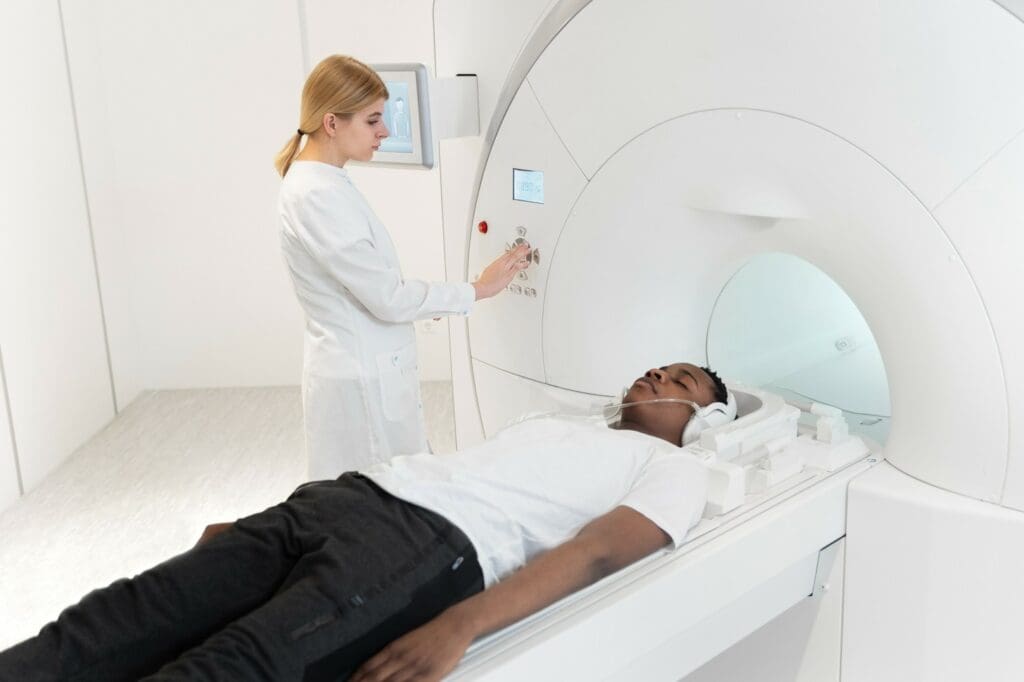
It’s important for patients to know about angiograms. An angiogram is a tool that helps doctors see the blood vessels. It helps decide the next steps in treatment.
What is an Angiogram?
An angiogram uses X-rays to see inside blood vessels. It helps find problems like blockages. Doctors use dye to make the blood vessels stand out.
Common Types of Angiograms
There are many types of angiograms, each for a different purpose:
- Coronary Angiogram: Examines the heart’s arteries.
- Cerebral Angiogram: Looks at brain blood vessels.
- Peripheral Angiogram: Checks blood vessels outside the heart and brain.
- CT Angiogram: Uses CT scans and dye for detailed images.
- MR Angiogram: Uses MRI to see blood vessels.
Each type gives unique insights into the vascular system.
Why Angiograms Are Performed
Angiograms help diagnose and treat vascular conditions. They help doctors:
| Condition | Purpose of Angiogram |
|---|---|
| Coronary Artery Disease | Find blockages or narrowing in heart arteries. |
| Cerebral Vasculature Issues | Diagnose brain blood vessel problems like aneurysms. |
| Peripheral Artery Disease | Check blood flow in limbs and find blockages. |
The results of an angiogram are key to choosing the right treatment. This could be medicine, surgery, or other treatments.
Knowing about angiograms helps patients prepare. It makes them understand what to expect during their diagnostic journey.
How Long Does an Angiogram Take: Standard Procedure Timeline
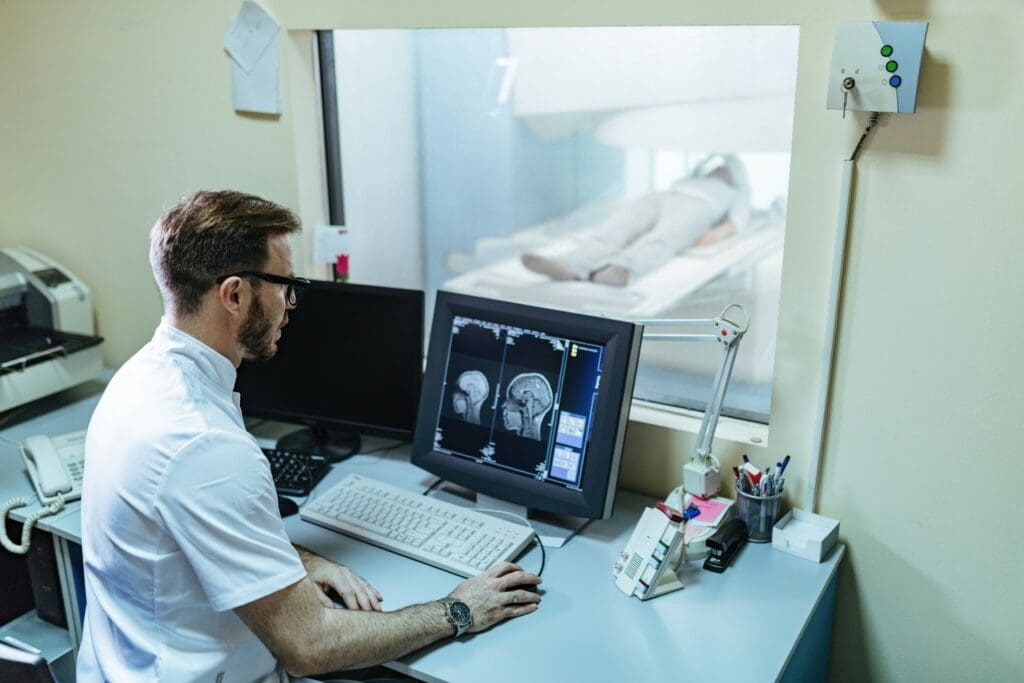
Many people wonder how long an angiogram takes. The answer is usually between 20 to 60 minutes for a basic exam. But, the time can change based on the case’s complexity and if it’s just for looking or also for treatment.
Average Duration of 20-60 Minutes
The typical time for an angiogram is 20 to 60 minutes. This includes getting ready, putting in the catheter, using contrast dye, and taking pictures. Keep in mind, this is just an average, and times can differ.
Simple vs. Complex Case Timing
The type of case affects how long an angiogram takes. Simple cases, with clear blood vessel paths, are faster. But, complex cases need more detailed images and take longer.
For example, a simple diagnostic angiogram might fit within the average time. But, a complex interventional procedure could take longer than 60 minutes.
Differences Between Diagnostic and Interventional Angiograms
Diagnostics aim to see the blood vessels and find problems. These are usually quicker, taking 20-60 minutes. But, interventional angiograms do more, like fixing problems with angioplasty or stenting, and take longer.
| Procedure Type | Average Duration | Factors Influencing Duration |
|---|---|---|
| Diagnostic Angiogram | 20-60 minutes | Complexity of vascular anatomy, patient’s overall health |
| Interventional Angiogram | 60 minutes or more | Additional interventions like angioplasty or stenting, complexity of the case |
Knowing these details helps patients prepare for their angiogram. It also helps them understand how long it might take.
Pre-Procedure Preparation: At Home and Hospital
Learning about the steps before an angiogram can make you feel less anxious. It helps make the process smoother. It’s important to follow the instructions closely to avoid any last-minute issues.
Days Before: Medication Adjustments and Testing
Before your angiogram, you might need to change your medication. It’s key to follow your doctor’s advice on blood thinners or other meds. You might also need to do some tests to check your health and kidney function. These can affect the safety and success of the procedure.
For more details on getting ready for an angiogram, including managing your meds, check out our guide. It has all the info you need to prepare.
Night Before: Fasting and Other Requirements
The night before, you’ll likely be told to fast, meaning no food or drink after midnight. This is a key step for your safety during the procedure. You might also get other instructions, like avoiding certain meds or preparing your skin for the catheter.
Morning of Procedure: Arrival and Check-in Process
On the day of your angiogram, get to the hospital early. Plan to arrive 1-2 hours before your procedure. This allows time for paperwork, changing into a gown, and a medical check.
Pre-Procedure Hospital Preparation Time
After checking in, the hospital team will get you ready for the angiogram. They’ll set up an IV, give you meds, and make sure everything is ready. The speed of this setup can affect how long your procedure takes. It’s done efficiently to keep you safe.
Step-by-Step Breakdown of the Angiogram Procedure
Learning about the angiogram process can make patients feel less anxious. We walk them through each step to ensure a safe and effective test.
Initial Setup and Anesthesia (15-30 Minutes)
The angiogram starts with setup and anesthesia, lasting 15 to 30 minutes. During this time, doctors numb the area where the catheter goes. This is done to prepare the patient.
Catheter Insertion Process (5-15 Minutes)
Inserting the catheter is a key part of the procedure, taking 5 to 15 minutes. Our skilled team puts the catheter in the blood vessel. They use imaging to guide it to the right spot.
Contrast Dye Injection and Imaging (15-30 Minutes)
After the catheter is in, contrast dye is injected, and images are taken. This step lasts 15 to 30 minutes. The dye makes the blood vessels visible on the imaging, helping with diagnosis.
Catheter Removal and Immediate Aftercare (10-15 Minutes)
When imaging is done, the catheter is removed, and aftercare begins. This takes 10 to 15 minutes. Our team watches for any bad reactions and gives care instructions.
| Procedure Step | Average Time | Description |
|---|---|---|
| Initial Setup and Anesthesia | 15-30 minutes | Preparation and administration of local anesthesia |
| Catheter Insertion | 5-15 minutes | Insertion of catheter into the blood vessel |
| Contrast Dye Injection and Imaging | 15-30 minutes | Injection of contrast dye and imaging |
| Catheter Removal and Aftercare | 10-15 minutes | Removal of catheter and post-procedure care |
Knowing the angiogram steps helps patients prepare and understand what happens. The whole process usually takes about 45 to 90 minutes.
Post-Procedure Recovery Time in Hospital
After the angiogram, the recovery time in the hospital is key. It’s important for patients to heal safely and for doctors to watch for any problems.
Immediate Post-Procedure Monitoring
The first recovery phase lasts about 1 to 2 hours. Doctors keep a close eye on the patient’s vital signs. This includes blood pressure and heart rate. Close monitoring helps spot and fix any issues right away.
Extended Observation Period
After the first check, patients stay for 4 to 6 hours more. This lets doctors keep watching and make sure the patient is okay before they go home. The extended observation helps manage any late problems and gives more time for care.
Discharge Evaluation and Requirements
Before leaving, patients get a full check-up. Doctors look at the catheter site and make sure the patient can move safely. They also give instructions on wound care, follow-up visits, and any meds needed.
Knowing the recovery time in the hospital helps patients plan. It lets them get ready for a smooth recovery.
Total Time Commitment: From Arrival to Discharge
Many patients wonder how long they need to stay for an angiogram, from when they arrive at the hospital to when they leave. Knowing how long an angiogram takes is key for planning and reducing stress.
Typical 6-8 Hour Hospital Stay Duration
Patients usually spend 6 to 8 hours at the hospital for an angiogram. This includes time from check-in and getting ready to the procedure and recovery. The actual procedure time is usually short, between 20 to 60 minutes. But, the whole hospital stay is longer because of getting ready and watching over you after.
Outpatient vs. Inpatient Procedure Timelines
Whether your angiogram is outpatient or inpatient affects how long you’ll stay. Outpatient angiograms are done in a day, and you go home the same day. Inpatient procedures might keep you longer because you need more watching or treatments. It’s important to listen to your doctor about whether it’s an outpatient or inpatient stay.
Planning Your Day Around an Angiogram
To plan your day for an angiogram, follow these steps:
- Get to the hospital early before your procedure time.
- Know the fasting rules and any medicine changes you need before the procedure.
- Have someone with you to drive you home, as you might not be able to drive.
- Be ready for a 6 to 8 hour hospital stay.
- Expect some rest time after the procedure, as you might feel tired or have soreness.
By knowing how long an angiogram takes and planning well, you can make your experience easier and less stressful. We’re here to support and care for you during your angiogram.
Factors That May Extend Angiogram Duration
Many things can affect how long an angiogram takes. The usual time is between 20 to 60 minutes. But, some things can make it longer. Knowing these can help patients get ready for any changes in time.
Patient-Specific Complications
Complications specific to the patient can make an angiogram longer. Issues like severe vascular disease, blood clots, or allergic reactions to contrast dye need extra time. The team might need to give more medicine or do extra steps to handle these problems.
If a patient has an allergic reaction, the team must act fast. This can make the procedure longer. Also, if the blood vessels are hard to reach because of disease, it takes more time to do it safely.
Complex Vascular Anatomy
The complexity of a patient’s blood vessels is key. Patients with twisted or narrow blood vessels need more skill and time. This makes the procedure harder and can make it last longer.
Additional Interventional Procedures
At times, more procedures are needed during an angiogram. These could be angioplasty, stenting, or embolization. These can make the whole procedure longer because they need careful planning and doing.
For example, if a blockage is found that needs stenting, the time goes up. The prep, the stenting, and watching the patient afterwards add to the total time.
Emergency Situations and Their Impact on Timing
Emergency situations can also affect an angiogram’s time. Like if a patient suddenly has a heart attack or stroke, the team must act fast. This might mean doing more things that make the procedure longer.
Even though emergencies are unexpected, being ready is important. The team’s quick and effective response can greatly help the patient.
In summary, while angiograms usually take a certain amount of time, many things can change that. By knowing these factors, patients can better understand what to expect.
Different Angiogram Methods and Their Timing
The time it takes for an angiogram depends on the method used. There are many angiogram techniques, each with its own benefits and time frames.
Conventional Catheter Angiography
Conventional Catheter Angiography is a classic approach. It involves putting a catheter into a blood vessel to see the blood vessels. This process usually takes 1 to 2 hours.
- Preparation and setup: 30 minutes
- Catheter insertion and imaging: 30-60 minutes
- Post-procedure care: 15-30 minutes
CT Angiography
CT Angiography uses CT scans to get detailed images of blood vessels. It’s faster, taking about 15-30 minutes.
MR Angiography
MR Angiography uses MRI to see blood vessels without radiation. The time for MR Angiography can be 30 to 90 minutes. It depends on the study’s complexity and the technology used.
Comparison of Total Procedure Times
Looking at the different angiogram methods, we see big time differences. Here’s a quick comparison:
| Angiogram Method | Typical Procedure Time |
|---|---|
| Conventional Catheter Angiography | 1-2 hours |
| CT Angiography | 15-30 minutes |
| MR Angiography | 30-90 minutes |
Knowing these time differences is key. It helps patients and doctors pick the best test for each situation.
Conclusion: Preparing for Your Angiogram Time Commitment
Knowing how long an angiogram takes is key for patients. We’ve looked at the different parts of angiogram procedures. This includes getting ready and recovering.
When thinking about how long does an angiogram take, remember the whole process. The angiogram procedure timing changes based on the type and your needs.
Being aware of the how long is the angiogram procedure helps manage expectations. Talk to your doctor about your needs and worries. This ensures a smooth experience.
Knowing the angiogram procedure how long it lasts helps plan your day. It reduces anxiety. Understanding the process and timeline makes you feel more in control.
How long does an angiogram procedure typically take?
An angiogram usually takes 20 to 60 minutes. But, it can take longer if the case is complex or if it’s an interventional angiogram.
What factors can influence the duration of an angiogram?
Several things can make an angiogram take longer. These include patient complications, complex blood vessel structures, and the need for extra procedures.
How long does it take to prepare for an angiogram?
Getting ready for an angiogram is important. Patients need to know what to do before the procedure. This includes any medication changes, fasting, and when to arrive.
What is the difference in procedure time between diagnostic and interventional angiograms?
Diagnostic angiograms are quicker, used mainly for looking at blood vessels. Interventional angiograms, which include procedures like angioplasty or stenting, take longer.
How long does recovery take after an angiogram?
Recovery after an angiogram can take several hours. Right after, patients are watched for 1-2 hours. Then, they might stay longer, up to 4-6 hours.
What is the total time commitment for an angiogram?
The time needed for an angiogram is more than just the procedure. Patients should plan for 6 to 8 hours from arrival to leaving the hospital.
How do different angiogram methods affect procedure time?
Different methods have different times. Conventional angiography takes 1-2 hours. CT angiography is 15-30 minutes, and MR angiography is 30-90 minutes.
What should I expect during the angiogram procedure?
Knowing what happens during an angiogram helps. It includes setup, anesthesia, catheter insertion, dye injection, and aftercare.
Can I expect any delays during the angiogram procedure?
Yes, delays can happen. This includes patient complications, complex blood vessels, and the need for extra procedures.
How can I plan my day around an angiogram?
Knowing how long you’ll stay in the hospital helps planning. Outpatient procedures are shorter. Plan for a big part of your day, from arrival to discharge.
References
- Coronary angiography. Retrieved from: https://www.mountsinai.org/health-library/tests/coronary-angiography
- Coronary angiography. Retrieved from: https://medlineplus.gov/ency/article/003876.htm
- CTangiography. Retrieved from: https://www.radiologyinfo.org/en/info/angioct?PdfExport=1