
Atrial fibrillation (afib) is a common issue after heart surgery. It affects many patients. At Liv Hospital, we know how worried you might be about atrial fibrillation after cardiac surgery. We’re here to help with all your needs.
Studies from Cureus show how important afib post cardiac surgery is. Knowing how long it lasts and its effects is key for good care. In this article, we’ll look at how long afib typically lasts after open heart surgery. We’ll also talk about what you can expect while you’re recovering.
Key Takeaways
- Atrial fibrillation is a common complication after cardiac surgery.
- The duration of afib can vary based on the type of surgery and patient factors.
- Understanding the causes and risk factors can help in managing afib.
- Liv Hospital provides extensive care for international patients undergoing cardiac surgery.
- Post-surgery care and monitoring are vital for managing afib and ensuring the best outcomes.
Understanding Post-Operative Atrial Fibrillation
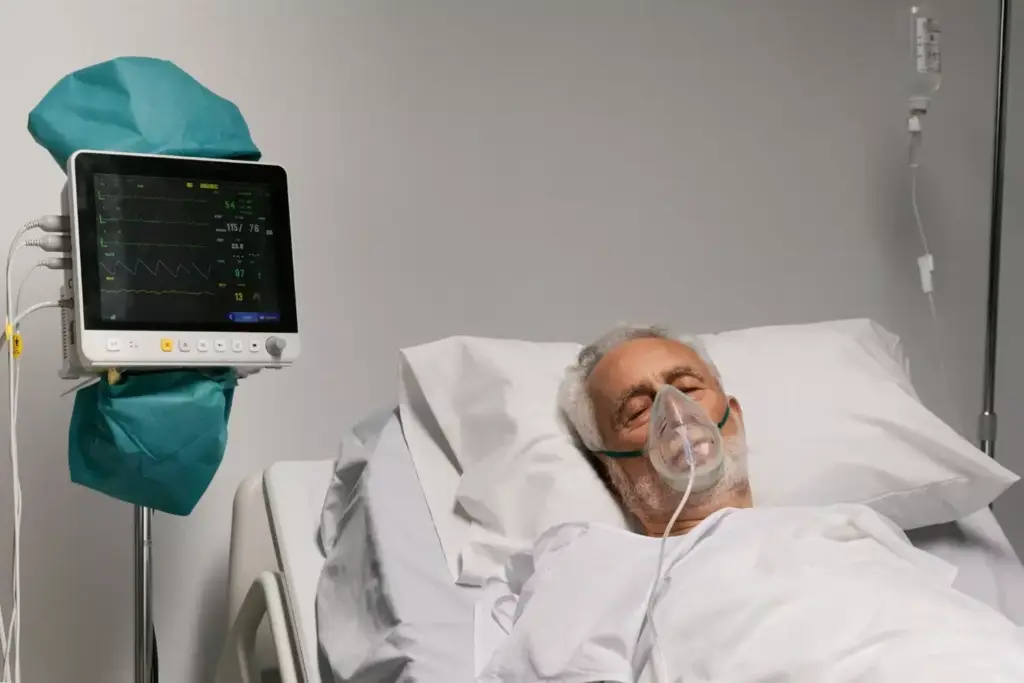
Understanding post-operative atrial fibrillation (POAF) is key for managing patients after heart surgery. POAF is a common issue that can affect recovery and long-term health. We watch our patients closely for POAF, as it can happen due to various reasons during recovery.
What is POAF and How is it Diagnosed?
POAF is when atrial fibrillation happens after heart surgery. It’s found through electrocardiogram (ECG) monitoring, which spots irregular heartbeats. Early detection is critical for managing it well and avoiding complications. We use continuous ECG monitoring to catch POAF quickly.
“Atrial fibrillation is a common complication after cardiac surgery, and its early detection is critical for optimal patient care,” as noted by experts in the field. POAF can be short-lived for many, but the chance of it coming back is high. So, we keep a close eye on our patients.
Prevalence Rates Among Different Patient Populations
The rate of POAF varies among different patients. Studies show it happens in a big number of patients after heart surgery. Risk factors like age, heart conditions before surgery, and the surgery type play a big role in who gets POAF.
Recent data shows POAF rates can vary a lot. This means we need to care for each patient in a way that fits their specific risk. We adjust our care to lower the chance of POAF for each patient.
Heart Fibrillation After Surgery: Causes and Mechanisms

Understanding heart fibrillation after surgery is key to managing it well. Atrial fibrillation (Afib) after heart surgery is complex. It comes from many factors, like physiological triggers and inflammation.
Physiological Triggers in the Post-Operative Period
The time after surgery sees big changes in the body. These changes can start atrial fibrillation. We watch for changes in autonomic tone, imbalances in electrolytes, and changes in fluid levels to lower Afib risk.
Heart surgery puts a lot of stress on the heart. This stress, like ischemia-reperfusion injury, can mess with heart rhythm. The surgery itself can also irritate the heart, causing irregular beats.
Inflammatory Response and Cardiac Stress
The inflammation after heart surgery is a big factor in Afib. Surgical trauma starts an inflammatory process that can mess with the heart’s electrical system. We focus on controlling this inflammation to lower Afib chances.
Stress from surgery and recovery also plays a part in Afib. Oxidative stress and mechanical stress on the heart can change its electrical properties, causing fibrillation. Our team works hard to understand these to give our patients the best care.
Afib after heart surgery often starts within the first week, with a peak at days 2 to 3. Knowing this helps us tailor our care to each patient’s needs.
Risk Factors for Developing Afib Following Cardiac Surgery
It’s important to know the risk factors for atrial fibrillation after heart surgery. Atrial fibrillation is a common problem after heart surgery. It can affect how well a patient recovers and their overall health.
Pre-Existing Patient Factors
Some things about a patient before surgery can raise the risk of Afib. These include being older, having high blood pressure, or heart problems. People with heart issues are more likely to get Afib because their heart is already stressed. Being overweight, having diabetes, or COPD can also increase the risk.
Surgical Procedure-Related Risks
The type of surgery also affects the risk of Afib. More complex surgeries, like fixing multiple heart valves, carry a higher risk. Using a heart-lung machine during surgery can also raise the risk. The surgery’s length and the surgeon’s experience matter too.
Post-Operative Contributors
How a patient recovers after surgery is also important. Pain, swelling, and some medicines can increase the risk of Afib. Managing pain well and watching for Afib signs are key after surgery. Keeping the right balance of electrolytes, like potassium and magnesium, is also vital.
Knowing these risk factors helps us give better care. We can work to lower the chance of Afib and help our patients recover well from heart surgery.
Timeline: When to Expect Atrial Fibrillation Post-Surgery
Knowing when atrial fibrillation might happen after heart surgery is key. It helps doctors take better care of patients. Atrial fibrillation is a common problem after heart surgery. It can affect how well a patient does.
The Critical First 48 Hours
The first 48 hours after surgery are very important. Doctors watch closely for signs of Afib during this time. Early detection and quick action can make a big difference in how well a patient does.
Peak Occurrence Window (Days 2-3)
Atrial fibrillation usually peaks around days 2-3 after surgery. Our team keeps a close eye on patients during this time. The body’s reaction to surgery and inflammation can cause Afib.
Late-Onset POAF and Its Implications
Atrial fibrillation can also happen later, known as late-onset POAF. This can be harder to manage. Knowing about late-onset POAF helps doctors give better care.
Most Afib goes away within four weeks. But, it can take longer for some patients. Here’s a table showing when Afib usually happens after heart surgery:
| Timeframe | Afib Occurrence | Clinical Implications |
|---|---|---|
| First 48 hours | High risk of Afib | Close monitoring, early detection |
| Days 2-3 | Peak occurrence | Vigilant monitoring, timely intervention |
| Beyond Day 4 | Late-onset POAF | Prolonged monitoring, treatment adjustments |
Understanding when atrial fibrillation might happen helps doctors care for patients better. This can lower the risk of Afib complications.
Duration: How Long Does Afib Last After Open Heart Surgery?
Knowing how long atrial fibrillation (Afib) lasts after open heart surgery is key. Afib is a common issue after heart surgery. Its length can differ a lot between patients.
Typical Resolution Timeframes
Afib after heart surgery often goes away on its own in a few weeks. Most patients with Afib after surgery get back to normal rhythm in 4-6 weeks. But, how long it takes can depend on the patient and the surgery.
Guidelines say to consider blood thinners for Afib lasting over 48 hours if there’s a stroke risk. This shows why it’s important to watch patients closely and treat them based on their needs.
Factors That Prolong Episodes
Several things can make Afib last longer after heart surgery. These include:
- Pre-existing heart conditions or comorbidities
- The extent of the surgical procedure
- Post-operative complications or infections
- Patient age and overall health status
Managing these factors can help shorten Afib episodes. For example, better heart failure care and controlling blood pressure can help Afib go away faster.
Persistent vs. Transient Patterns
It’s important to know if Afib is temporary or lasting. While many cases are short-lived, some patients have persistent Afib. This can affect long-term care and stroke risk.
“Persistent Afib is generally defined as Afib that lasts more than 7 days or requires cardioversion due to its duration. In contrast, transient Afib resolves on its own within a shorter timeframe.”
Knowing if Afib is likely to be short or lasting helps in making treatment plans. It also helps in planning for long-term care or anticoagulation.
Recognizing and Monitoring Afib Symptoms Post-Cardiac Surgery
It’s important to know and watch for Afib symptoms after heart surgery. Atrial fibrillation (Afib) can show up in different ways after surgery. Knowing these symptoms helps get help quickly.
Common Symptomatic Presentations
People with Afib after heart surgery might feel different things. Some common signs include:
- Palpitations or irregular heartbeats
- Shortness of breath or trouble breathing
- Chest pain or discomfort
- Dizziness or feeling lightheaded
- Fatigue or feeling weak
These signs can be different in strength and might not always be there. It’s key for patients to watch closely and tell their doctors about any odd feelings.
Silent Afib and Detection Methods
Some people have Afib without feeling any symptoms. This is called “silent Afib.” Doctors use regular electrocardiogram (ECG) tests and sometimes special devices to check for it.
Silent Afib is dangerous because it can cause strokes without warning. So, it’s very important to check for it often, after surgery too.
| Detection Method | Description | Frequency of Use |
|---|---|---|
| Electrocardiogram (ECG) | A test that measures the electrical activity of the heart | Common |
| Holter Monitor | A portable device that records heart activity over 24-48 hours | Moderate |
| Event Recorder | A device that records heart activity over a longer period, usually up to 30 days | Less Common |
When to Seek Immediate Medical Attention
It’s important to know when to get help fast for Afib symptoms. If you have any of these, get help right away:
- Severe chest pain or pressure
- Severe trouble breathing
- Severe dizziness or fainting
- Confusion or trouble speaking
Quick medical help can stop serious problems and help you get better.
Treatment Strategies for Atrial Fibrillation After Cardiac Surgery
Managing atrial fibrillation after heart surgery is complex. We tailor treatments to each patient’s needs. Our goal is to get the heart back to normal, control its rate, and prevent strokes.
Rate Control vs. Rhythm Control Approaches
We use two main treatments for atrial fibrillation after surgery: rate control and rhythm control. Rate control slows the heart rate to ease symptoms. Rhythm control tries to get the heart back to its normal rhythm.
A study in the Journal of the American College of Cardiology shows both methods are useful. It depends on the patient’s health and what they prefer.
| Treatment Approach | Primary Goal | Common Medications |
|---|---|---|
| Rate Control | Slow heart rate | Beta-blockers, Calcium channel blockers |
| Rhythm Control | Restore normal sinus rhythm | Anti-arrhythmic drugs (e.g., Amiodarone) |
Anticoagulation Guidelines for Post-Surgical Afib
Preventing stroke is key in atrial fibrillation treatment. We use guidelines to decide if anticoagulation is needed. This depends on the patient’s stroke risk, often checked with the CHA2DS2-VASc score.
“The use of anticoagulation therapy in patients with atrial fibrillation after cardiac surgery should be guided by the patient’s individual stroke risk and bleeding risk.”
For those at high stroke risk, anticoagulants like warfarin or DOACs are recommended.
Managing Persistent Cases Beyond 4 Weeks
If atrial fibrillation lasts more than 4 weeks, we review the treatment plan. For persistent cases, we might consider cardioversion or catheter ablation.
We team up with our patients to manage their condition well. This helps reduce risks and improves their life quality.
Preventing Post-Operative Atrial Fibrillation
We take a multi-faceted approach to prevent atrial fibrillation after surgery. This includes addressing risk factors before, during, and after the operation. Our goal is to lower the chance of atrial fibrillation and better patient outcomes.
Pre-Operative Preventive Measures
Before surgery, we take steps to lower the risk of atrial fibrillation. These steps include:
- Improving patient health by managing conditions like high blood pressure and diabetes.
- Checking and adjusting medications that can affect heart rhythm.
- Doing detailed pre-operative checks to find patients at higher risk.
Pre-operative beta-blockade has been proven to reduce POAF risk. We make sure patients are on beta-blockers before surgery, unless it’s not safe.
Intra-Operative Considerations
During surgery, several factors can affect the risk of atrial fibrillation. We focus on:
- The type and extent of the surgery.
- Keeping surgical conditions optimal to reduce stress and trauma.
- Using methods that lower atrial fibrillation risk, like careful heart handling and short cardiopulmonary bypass times.
“The use of bi-atrial pacing has been shown to reduce the incidence of atrial fibrillation after cardiac surgery.”
Post-Operative Prophylactic Strategies
After surgery, we keep up our preventive efforts. These include:
| Strategy | Description | Benefits |
|---|---|---|
| Post-operative beta-blockade | Continuing beta-blockers after surgery | Reduces POAF risk, lowers heart rate |
| Amiodarone prophylaxis | Using amiodarone in high-risk patients | Effective in lowering POAF incidence |
| Monitoring and early intervention | Watching closely for atrial fibrillation signs | Allows for quick treatment, reduces complications |
By using these preventive measures, we greatly reduce atrial fibrillation risk after cardiac surgery. This improves our patients’ recovery journey.
Complications and Long-Term Impact of Afib After Heart Surgery
Atrial fibrillation after heart surgery is a big risk for patients. It can lead to longer hospital stays and higher healthcare costs. Afib after heart surgery is not just a short-term issue. It has big long-term effects on a patient’s health.
Increased Hospital Stay and Resource Utilization
Afib after heart surgery often means a longer stay in the hospital. This makes recovery harder. It also means more use of resources like extra monitoring and medication.
Studies show that patients with POAF have a more complicated hospital stay. This can lead to higher healthcare costs.
Stroke Risk and Other Adverse Events
The biggest worry with Afib after heart surgery is the higher risk of stroke. Afib can cause blood clots in the heart. These clots can travel to the brain and cause a stroke.
Afib is also linked to heart failure and higher death rates. Managing these risks is key. Often, this means using anticoagulation therapy.
Impact on Long-Term Cardiac Function
The long-term effects of Afib on the heart are important to consider. Research shows that POAF might lead to long-term heart problems. This can lower quality of life and increase the risk of more heart issues.
Understanding how Afib affects the heart long-term is key. This helps doctors find better ways to care for patients after heart surgery.
We stress the need for preventive measures and good management of Afib after heart surgery. Knowing the complications and long-term effects of POAF helps doctors improve care. This can lead to better outcomes for patients after cardiac surgery.
Conclusion: What to Expect in Your Recovery Journey
Understanding what to expect after cardiac surgery is key. Atrial fibrillation (afib) is a common issue, but most people get back to normal in weeks. At Liv Hospital, we focus on a detailed care plan for afib after surgery. This helps ensure a smooth recovery and the best health results.
Our international patients get personal support during their recovery. We help you understand what to expect, preparing you for challenges and chances for improvement. Knowing about afib’s causes, risks, and treatments helps you manage it better and get the best results.
Recovering from cardiac surgery needs a team effort. This includes watching your health closely, acting quickly when needed, and ongoing support. We’re dedicated to giving international patients the best care and support during their recovery.
What is post-operative atrial fibrillation (POAF) and how is it diagnosed?
POAF is a common issue after heart surgery, causing an irregular heartbeat. It’s found through an electrocardiogram (ECG), which spots unusual heart rhythms.
How long does atrial fibrillation typically last after cardiac surgery?
The time afib lasts after surgery varies. Some cases are short-lived, lasting just a few weeks. But others can be longer.
What are the risk factors for developing afib following cardiac surgery?
Several factors can increase the risk of afib after surgery. These include the patient’s health before surgery, the type of surgery, and post-surgery factors. Knowing these helps us provide better care.
When is atrial fibrillation most likely to occur after surgery?
Afib is most common in the first 48 hours after surgery. Days 2-3 are usually the peak time. We watch our patients closely during this period.
What are the symptoms of afib post-cardiac surgery, and when should I seek medical attention?
Symptoms of afib include irregular heartbeats, palpitations, and shortness of breath. If you notice these, seek medical help right away.
How is atrial fibrillation after cardiac surgery managed and treated?
We use a variety of methods to manage afib, including controlling heart rate and rhythm, and preventing stroke. Each treatment plan is tailored to the patient’s needs.
Can post-operative atrial fibrillation be prevented?
Yes, preventing POAF is a key part of our care. We take steps before, during, and after surgery to reduce the risk of POAF.
What are the complications and long-term impacts of afib after heart surgery?
Afib can lead to longer hospital stays and higher costs. It also increases the risk of stroke and other serious problems. We consider these long-term effects on heart function.
How can I manage my condition effectively after being diagnosed with afib?
We teach our patients about afib symptoms and when to seek help. Our goal is to give them the knowledge to manage their condition well.