When you think about microdiscectomy, a small surgery for herniated discs, knowing what to expect is key. At Liv Hospital, we’re experts in expert care for lumbar microdiscectomy patients.
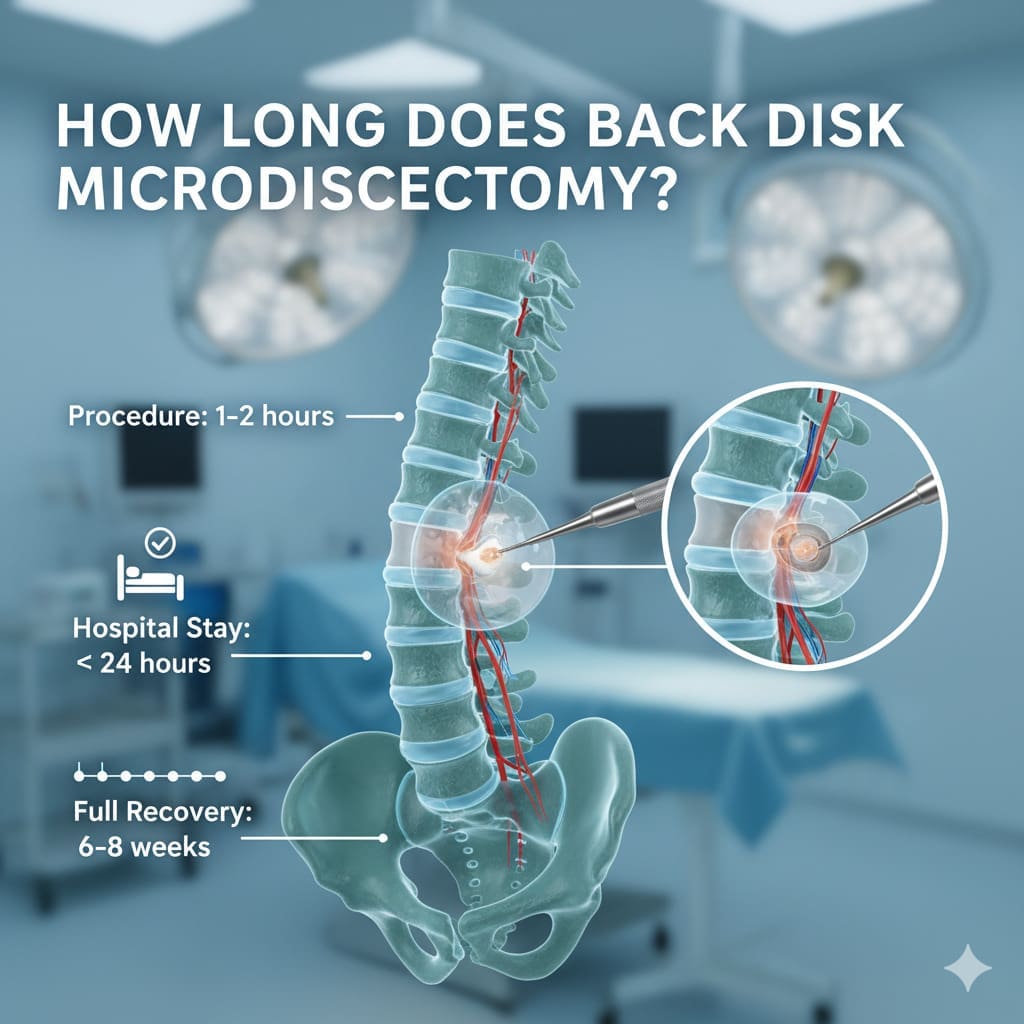
We’ll walk you through what happens during and after surgery. This way, you’ll be ready for the big day. The surgery usually takes one to two hours. Our team works hard to give you reliable outcomes in spine surgery.
Key Takeaways
- Microdiscectomy is a minimally invasive procedure for treating herniated discs.
- The surgery typically lasts between one to two hours.
- Liv Hospital provides expert care and reliable outcomes in spine surgery.
- Understanding the procedure and its duration helps in making informed decisions.
- Our team is committed to providing complete support throughout the process.
Understanding Herniated Discs and Their Symptoms
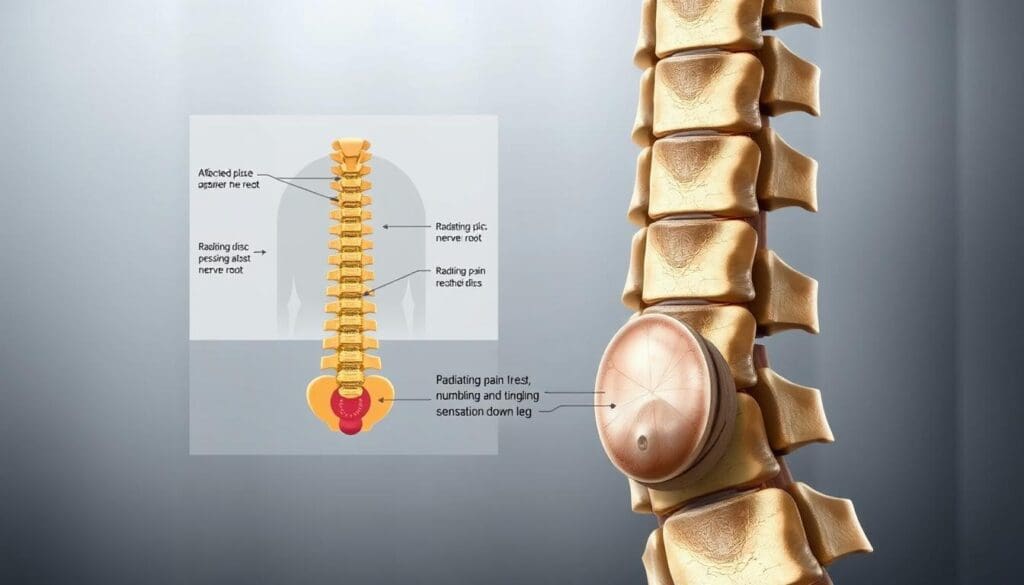
Knowing what causes and shows up in herniated discs is key to finding the right treatment. This might include herniated disc surgery. A herniated disc happens when the soft inside of the disc leaks out through a tear in the tough outer layer. This can lead to pain that’s mild or very severe, and sometimes, spinal disc surgery is needed.
Causes of Disc Herniation
Many things can cause a disc to herniate, like getting older, injury, or strain. As we get older, our spinal discs lose water, making them more likely to herniate. Doing something strenuous or lifting something heavy the wrong way can also cause it. Plus, some people might be more likely to get a herniated disc because of their genes.
When a disc herniates, it can press on nerves, causing pain, numbness, or weakness in the back or legs. How bad these symptoms are depends on where and how big the herniation is.
Symptoms That May Indicate the Need for Surgery
Symptoms of herniated discs can be different for everyone. Common ones include lower back pain, pain that goes down the leg (sciatica), numbness or tingling in the legs, and muscle weakness. In very bad cases, herniated discs can cause serious problems like losing control of the bladder or bowel, which is a medical emergency.
If treatments like physical therapy, medicine, or injections don’t help, lumbar disc surgery might be suggested. Doctors decide on surgery after checking how bad the symptoms are and how they affect daily life.
Thinking about surgery can be scary, but microdiscectomy, a small surgery, can really help. It’s a way to relieve symptoms and make life better for many people.
What is Back Disk Surgery: Microdiscectomy Explained
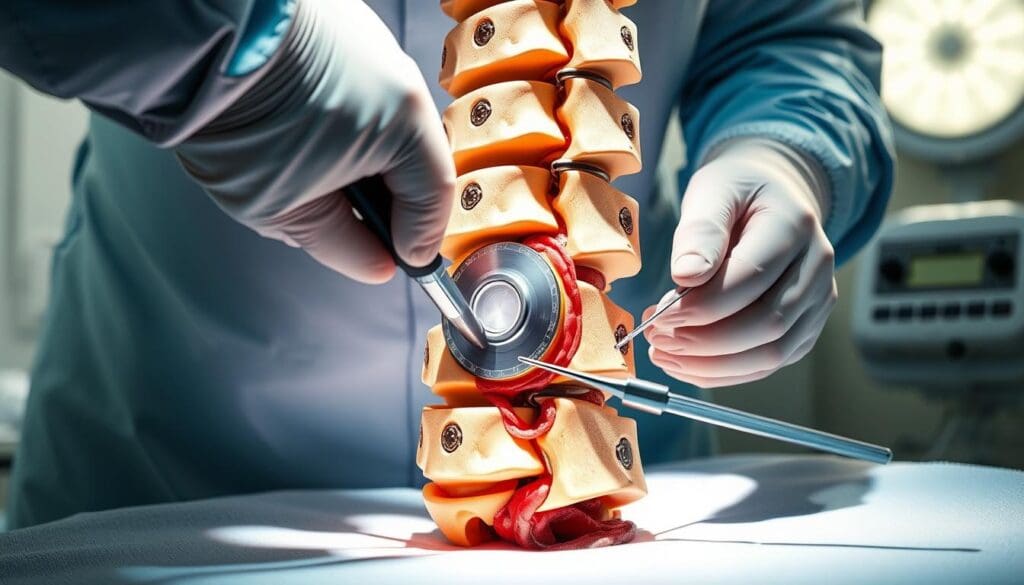
Microdiscectomy is a precise surgery for back disk problems. It’s a minimally invasive method that helps relieve nerve pressure from herniated discs. This reduces pain and discomfort.
The Minimally Invasive Approach
The procedure starts with a small incision, usually under 1 inch. Advanced tools and a microscope are used to remove the disc fragments. This minimally invasive disc surgery causes less damage and trauma, leading to faster recovery and fewer complications.
Microdiscectomy is known for its precision. A microscope gives a clear view of the area, allowing for accurate targeting of the problematic disc material. This precision is key in disc decompression surgery, ensuring effective nerve pressure relief.
How Microdiscectomy Differs from Traditional Spine Surgery
Traditional spine surgery often has larger incisions and more tissue disruption. Microdiscectomy, being minimally invasive, results in less pain and quicker recovery. Below are some main differences between the two.
| Characteristics | Microdiscectomy | Traditional Spine Surgery |
|---|---|---|
| Incision Size | Small (less than 1 inch) | Large (several inches) |
| Tissue Damage | Minimal | Significant |
| Recovery Time | Quicker (often within weeks) | Longer (often several months) |
| Post-Operative Pain | Less | More |
Choosing microdiscectomy means opting for a conservative, less invasive treatment for herniated discs. It shows our dedication to using the latest surgical techniques that focus on patient comfort and quick recovery.
When is Microdiscectomy Recommended?
When other treatments don’t work, microdiscectomy might be next. Deciding to have surgery is tough. It’s key to know when surgery is needed.
Conservative Treatment Failures
First, most people try non-surgical treatments like physical therapy and medicine. But if these don’t help, surgery might be considered.
Signs that treatments aren’t working include:
- Pain that doesn’t go away
- Getting weaker in the legs
- Worsening symptoms over time
Neurological Symptoms Requiring Surgical Intervention
Some symptoms need surgery. These include:
- Leg weakness getting worse
- Problems with bladder or bowel control
- Severe pain in the legs
Microdiscectomy can help by removing the disc pressing on nerves. This relieves these symptoms.
To understand when microdiscectomy is suggested, look at this table:
| Condition | Symptoms | Treatment Consideration |
|---|---|---|
| Conservative Treatment Failure | Continued pain, increasing neurological deficits | Microdiscectomy |
| Significant Neurological Symptoms | Progressive weakness, loss of bladder/bowel control | Microdiscectomy |
Knowing when to consider microdiscectomy helps patients make better choices. We aim to offer full support and care during treatment.
Preparing for Your Back Disk Surgery
Getting ready for back disk surgery is a big step. It involves several important steps to make sure you do well and feel good after. We help patients get ready for the surgery and the time it takes to recover.
Medical Evaluations and Tests
Before surgery, you’ll go through many medical tests. These tests are key to checking your health and finding any risks.
Some tests you might have include:
- Blood tests to check for infections or bleeding disorders
- Imaging studies like MRI or CT scans to look at your spine
- Electrocardiogram (ECG) to check your heart
- Chest X-ray to see if you have any lung problems
These tests help us understand your situation better. They help us plan your surgery.
Medication Adjustments Before Surgery
Some medicines can affect your surgery or increase risks. We ask you to tell us about all your medicines. This includes blood thinners, anti-inflammatory drugs, and herbal supplements.
We might need to change your medicines. For example:
| Medication Type | Action Required |
|---|---|
| Blood Thinners | Stop taking 5-7 days before surgery |
| Anti-inflammatory Drugs | Avoid for 2 weeks before surgery |
| Herbal Supplements | Discontinue use at least 1 week before surgery |
What to Bring to the Hospital
On surgery day, bring important items to the hospital. This makes your stay more comfortable. You should bring:
- Identification and insurance cards
- Comfortable clothes to wear after surgery
- Personal care items like glasses, hearing aids, or dentures
- Any medicines you’re taking, with their original packaging
It’s also a good idea to have someone with you at the hospital. They can help support you.
By following these steps, you can make sure you’re ready for your surgery. This helps you have a good outcome and a smooth recovery.
The Duration of Microdiscectomy: How Long Does the Procedure Take?
Knowing how long microdiscectomy takes can ease worries and prepare you. We’ll cover the usual time for this surgery and what can change it.
Factors Affecting Surgery Length
Several things can change how long microdiscectomy surgery lasts. These include:
- The complexity of the herniated disc
- The patient’s overall health and anatomy
- The surgeon’s experience and technique
- The specific surgical approach used
These factors can make surgery time vary. But, on average, microdiscectomy procedures usually last between one to two hours.
Typical Timeframes for Different Surgical Approaches
Different ways to do surgery can have different times. For example:
- Standard microdiscectomy usually takes about 1-2 hours
- Endoscopic microdiscectomy may take slightly less time due to its minimally invasive nature
- More complex cases or those involving multiple disc herniations may require longer surgery times
The operation is typically performed under general anesthesia or conscious sedation to ensure patient comfort throughout the procedure.
Remember, while the surgery itself is short, the whole process takes longer. Our medical team will give you a detailed timeline and guide you through every step.
The Microdiscectomy Procedure: Step by Step
Let’s explore the microdiscectomy procedure. You’ll learn about the surgical techniques and tools used.
Anesthesia and Positioning
The first step is giving anesthesia. This makes sure the patient is comfortable. Then, the patient lies on their stomach on a special table.
This position helps us easily find the affected disc.
Surgical Techniques and Advanced Tools Used
We make a small incision in the back, about 1-2 inches long. A microscope and special tools help us reach the disc. We remove the part of the disc that’s pressing on the nerve.
Completion and Closure
After the disc decompression surgery, we close the incision. The whole procedure takes about 1-2 hours. We watch the patient closely during recovery.
Knowing the steps of microdiscectomy helps patients prepare. They’ll know what to expect during recovery.
Immediate Post-Operative Recovery
Understanding what to expect right after microdiscectomy surgery is important for a smooth recovery. Knowing what happens in the first hours can help reduce anxiety and improve recovery outcomes.
The First 24 Hours After Surgery
The first 24 hours after surgery are critical for starting the healing process. Rest is key during this time. Patients should rest comfortably and avoid heavy lifting or strenuous activities.
Pain management is also vital. The surgeon will prescribe medication to be taken as directed. It’s normal to feel some discomfort, numbness, or tingling. These feelings are usually temporary and can be managed with the medication.
Hospital Discharge Process and Same-Day Release
Most patients are sent home the same day as their surgery, if there are no complications. The hospital team will give detailed instructions on post-operative care. This includes wound care, medication schedules, and follow-up appointments.
Having a support system is essential for the first 24 hours. Patients may not be able to drive or do certain tasks. Make arrangements in advance for someone to help the patient get home and stay with them.
Before leaving the hospital, the medical team will check the patient’s condition. They will ensure the patient is stable and ready to recover at home. This includes checking pain levels, looking for signs of infection, and making sure the patient understands the post-operative instructions.
Long-Term Recovery Timeline and Expectations
Knowing how long it takes to recover from microdiscectomy surgery is key. It helps manage your hopes and ensures a smooth healing. We’ll walk you through the recovery stages, sharing what you can expect on your path to full recovery.
Week 1-2: Initial Recovery Phase
The first two weeks are all about rest and slowly getting back to normal. It’s vital to follow your surgeon’s advice, including any physical therapy. Most people feel a lot of pain relief right after surgery, but some pain is normal.
Avoid heavy lifting, bending, or hard activities during this time. Keep track of your healing and any unusual symptoms. This way, you can talk to your healthcare provider about them.
Weeks 3-6: Progressive Healing
Weeks 3-6 bring noticeable improvements. You’ll get more mobile and stronger. Your physical therapy will get tougher, helping you get back to normal activities.
Some soreness or stiffness is common, but it should lessen as you heal. Stick to your rehabilitation plan to get the best results.
| Recovery Stage | Expected Progress | Recommended Activities |
|---|---|---|
| Week 1-2 | Initial pain relief, gradual mobilization | Rest, light stretching, gentle walking |
| Weeks 3-6 | Increased mobility, strength improvement | Physical therapy, progressive exercises |
| Beyond 6 Weeks | Return to normal activities, full strength recovery | Advanced physical therapy, sports-specific training |
Beyond 6 Weeks: Return to Normal Activities
By six weeks, most people have made a lot of progress. They can start doing normal activities again. But, always listen to your surgeon about how much you can do.
It can take months to fully recover, including getting back your strength and feeling better. Be patient and don’t rush your recovery. It’s important for the best results.
Understanding the recovery timeline helps you navigate your journey after microdiscectomy surgery. Our team is here to support you, ensuring you get the best results from your surgery.
Potential Risks and Complications of Back Disk Surgery
It’s important to know the risks of microdiscectomy before deciding on surgery. Like any surgery, microdiscectomy has risks that can affect your recovery and results.
Common Side Effects
After microdiscectomy, you might feel some common side effects. These usually go away in a few weeks. You might feel:
- Pain or discomfort at the surgical site
- Numbness or tingling sensations
- Muscle weakness
Most people can handle these side effects with medicine and physical therapy.
Serious Complications to Watch For
While rare, serious problems can happen after microdiscectomy. Knowing about these issues is key:
| Complication | Description | Frequency |
|---|---|---|
| Infection | Bacterial infection at the surgical site | Rare |
| Nerve Damage | Damage to the nerves surrounding the surgical area | Uncommon |
| Bleeding | Excessive bleeding during or after surgery | Rare |
When to Contact Your Surgeon
If you notice any of these symptoms after microdiscectomy, call your surgeon right away:
- Severe pain not helped by medicine
- Signs of infection, like fever, redness, or swelling
- Numbness or weakness getting worse
- Difficulty controlling bladder or bowel functions
Quick action on these symptoms can prevent serious problems and help your recovery.
Success Rates and Outcomes of Microdiscectomy
Microdiscectomy is a top choice for treating herniated discs. It’s a minimally invasive surgery that helps a lot of people. It’s known for giving patients a lot of relief from back pain.
Statistical Success Rates
Many studies show that microdiscectomy works well. It helps a lot of people feel better and live better lives. For example, a study found that over 90% of patients got a lot better after the surgery.
The surgery is precise, which makes it very effective. It lets surgeons fix the problem without hurting other parts. This means patients can recover faster.
Long-Term Prognosis
Most people do well after having microdiscectomy. The surgery can give long-lasting relief from pain. How well it works depends on the patient’s health, the size of the herniation, and following the doctor’s advice after surgery.
Key factors influencing long-term success include:
- Proper patient selection for surgery
- Expertise of the surgical team
- Adherence to post-operative care instructions
By knowing these important points, we can help patients get better. Microdiscectomy is a great way to treat herniated discs and improve people’s lives.
Private Microdiscectomy Services and Specialized Care
For those looking for a personal touch in microdiscectomy, private surgical services are a great option. We know every patient is different. Private microdiscectomy services give specialized care that fits each person’s needs and wants.
Benefits of Private Surgical Services
Private microdiscectomy services, like those at Liv Hospital, have many advantages. These include:
- Personalized care from a dedicated surgical team
- Expedited scheduling to minimize waiting times
- State-of-the-art facilities and equipment for optimal treatment outcomes
Choosing private microdiscectomy services means a smoother and more comfortable treatment. For details on procedures, like lumbar laminectomy and discectomy, we offer full care for spinal health.
Liv Hospital’s Approach to Microdiscectomy
Liv Hospital is known for top-notch, patient-focused care. Our team of specialists works together to ensure the best results for each patient. We use the latest in surgical tech to cut down recovery times and boost procedure success.
At Liv Hospital, we’re all about specialized care for each microdiscectomy patient. Our goal is to give amazing patient experiences and results through our private services.
Conclusion: Life After Microdiscectomy Surgery
After microdiscectomy surgery, patients often see big improvements in their symptoms and life quality. The recovery is key, and with the right care, people can get back to their usual activities.
Microdiscectomy is a proven way to treat herniated discs, easing pain and discomfort. This method is less invasive, lowering the chance of complications and speeding up healing.
It’s vital to follow your doctor’s advice during recovery. This means going to follow-up visits, managing pain well, and slowly getting back into physical activities.
At Liv Hospital, we focus on giving each patient the care they need. Our team is here to support you every step of the way. With the right care, patients can see a big boost in their overall health and happiness after microdiscectomy.
What is microdiscectomy surgery?
Microdiscectomy is a small surgery to fix herniated discs in the spine. It helps relieve nerve pressure and pain, numbness, or weakness.
How long does microdiscectomy surgery typically take?
Microdiscectomy surgery usually lasts from one to two hours. This time can vary based on the surgery’s complexity and approach.
What are the benefits of choosing microdiscectomy over traditional spine surgery?
Microdiscectomy is less invasive, causing less tissue damage. It has a smaller incision and lower complication risk. Recovery is also quicker than traditional surgery.
What are the common symptoms that may indicate the need for microdiscectomy?
Symptoms like persistent pain, numbness, tingling, or weakness in the back, legs, or arms might need microdiscectomy. These symptoms don’t get better with conservative treatments.
How should I prepare for microdiscectomy surgery?
Before surgery, you’ll need medical checks and tests. Your surgeon will tell you about medication changes and what to bring to the hospital.
What can I expect during the immediate post-operative recovery period?
Right after surgery, you’ll be watched for hours and managed for pain. You might feel numbness or weakness. Most patients go home the same day.
What is the typical long-term recovery timeline for microdiscectomy?
Recovery starts with an initial phase (weeks 1-2). Then, healing progresses (weeks 3-6). Full recovery can take longer, varying by person.
What are the possible risks and complications of microdiscectomy?
Risks include pain, swelling, and rare complications like infection or nerve damage. Recurrence of herniation is also rare.
What are the success rates and outcomes of microdiscectomy surgery?
Microdiscectomy has high success rates. Many patients see symptom relief and improved quality of life, returning to normal activities.
How does private microdiscectomy service differ from standard care?
Private services, like Liv Hospital, offer personalized care and quicker appointments. They focus on patient-centered treatment, improving the experience.
What is the role of spinal disc surgery in treating herniated discs?
Spinal disc surgery, like microdiscectomy, is key for herniated discs. It relieves nerve pressure, easing symptoms and improving life quality for those not helped by other treatments.
What is the difference between microdiscectomy and spinal disc replacement surgery?
Microdiscectomy removes the herniated disc part. Spinal disc replacement surgery replaces the whole disc with an artificial one. Each has its purpose and patient needs.
How does lumbar disc surgery differ from other types of back disk surgery?
Lumbar disc surgery targets herniated discs in the lower back. Other surgeries might focus on different spine areas, like the cervical or thoracic regions.
References
NCBI Bookshelf (National Library of Medicine): Microdiscectomy (StatPearls)