Last Updated on November 27, 2025 by Bilal Hasdemir

Choosing heart bypass surgery is a big decision. Knowing how long it takes can make you feel more at ease. At Liv Hospital, we focus on you and make sure you know what to expect.
Coronary artery bypass grafting (CABG) is a big surgery. It helps blood flow to the heart by using grafts. How long it takes depends on how many arteries are fixed and the surgery method.
Having heart surgery can be scary. Our team at Liv Hospital wants to make sure you know what to expect. We’re here to support you every step of the way.
Key Takeaways
- Understand the factors influencing the duration of bypass surgery.
- Learn about the different types of bypass procedures (single, double, triple, quadruple).
- Discover what to expect during and after the surgery.
- Gain insight into the surgical techniques employed.
- Find out how our team at Liv Hospital supports you throughout the process.
Understanding Coronary Artery Bypass Grafting (CABG)

Coronary artery bypass grafting (CABG) is a key surgery for the heart. It helps restore blood flow. We’ll look into how it works, its purpose, and the grafts used for success.
What Is Bypass Surgery of the Heart?
CABG is a surgery that makes a new path for blood around blocked heart arteries. A healthy blood vessel from the body is used for this. The goal is to ease heart pain and breathing issues.
Why Bypass Surgery Is Performed
Bypass surgery helps with heart disease symptoms like chest pain and shortness of breath. It’s chosen when other treatments fail. Sometimes, it’s an emergency during a heart attack.
Choosing CABG involves many tests. These help figure out the best treatment for each person.
Types of Bypass Grafts Used
Grafts for CABG come from the body. Common sources are:
- The internal mammary artery, inside the chest, known for its durability.
- The radial artery, from the forearm.
- The greater saphenous vein, from the leg.
The right graft depends on the patient’s health and the blockage’s location. The surgeon also plays a role in the choice.
How Long Is Bypass Surgery?
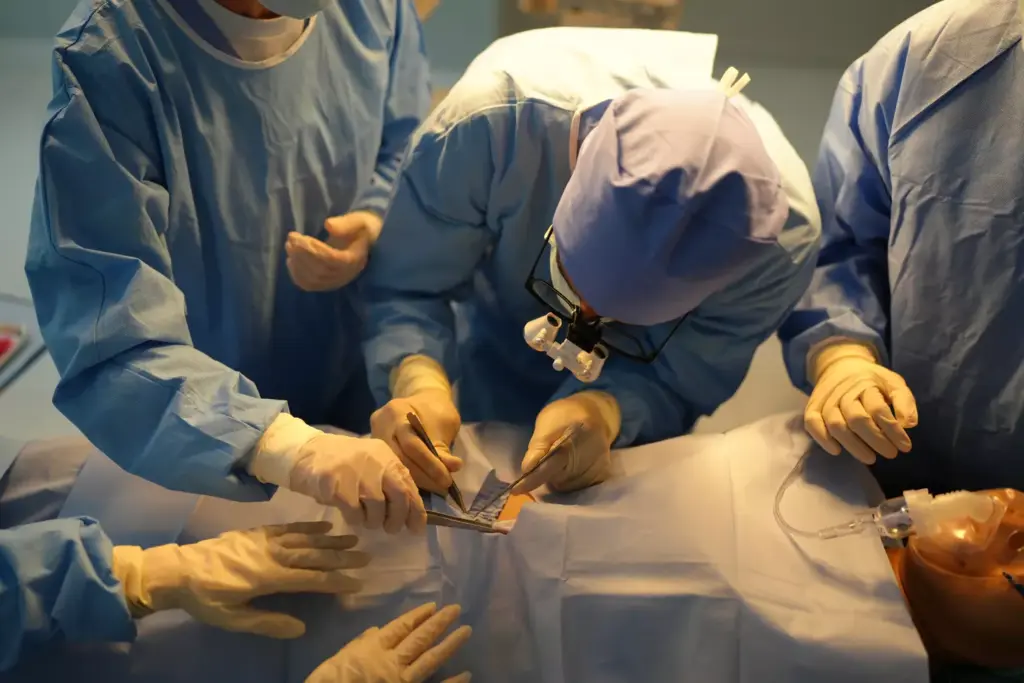
Knowing how long bypass surgery takes is key for those about to undergo it. We’ll look at each stage and its time to give a full picture.
Pre-Operative Preparation Time
Before surgery starts, patients go through a prep period. This time is vital to make sure they’re ready. It includes giving anesthesia, putting in lines and tubes, and getting grafts ready. This prep usually takes 30 minutes to an hour, but it can change based on the case.
Average Duration in the Operating Room
The surgery itself, known as CABG, can last 3 to 6 hours. The time needed depends on how many arteries are being fixed. For example, fixing one artery is quicker than fixing four. Post-Operative Monitoring Period
After surgery, patients are watched closely in the ICU for hours. This watch time is key for handling any quick problems and keeping the patient stable. How long they stay in the ICU can be a few hours to a couple of days, depending on their health and the surgery’s complexity.
| Stage | Average Duration | Description |
|---|---|---|
| Pre-Operative Preparation | 30 minutes to 1 hour | Preparation before surgery, including anesthesia and graft preparation. |
| Surgery | 3 to 6 hours | The actual CABG surgery, dependent on the number of arteries bypassed. |
| Post-Operative Monitoring | Several hours to 2 days | Close monitoring in the ICU after surgery. |
In summary, the whole time for bypass surgery, from prep to post-care, can be 4 to 8 hours or more. Knowing these times helps patients prepare better for their surgery and recovery.
Preparation Before Bypass Surgery
Before bypass surgery, patients must prepare through medical tests and lifestyle changes. This preparation is key for a good surgical outcome and easy recovery.
Required Medical Tests
Your healthcare team will ask you to do several medical tests before surgery. These tests check your health and find any risks or complications.
- Blood Tests: To check for infections, blood type, and other health indicators.
- Electrocardiogram (ECG): To evaluate your heart’s electrical activity.
- Echocardiogram: To assess your heart’s structure and function.
- Stress Test: To evaluate your heart’s performance under stress.
- Coronary Angiography: To visualize the coronary arteries and identify blockages.
Medication Adjustments
Your healthcare provider may tell you to change or stop some medications before surgery. This is to lower risks.
- Blood Thinners: You may need to stop taking blood thinners a few days before surgery to reduce the risk of bleeding.
- Diabetes Medications: Adjustments may be necessary to manage your blood sugar levels during the surgical period.
- Other Medications: Inform your healthcare provider about all medications and supplements you are taking, as some may need to be adjusted or discontinued.
Day-of-Surgery Preparation
On the day of your bypass surgery, follow these guidelines to ensure you are prepared:
- Fasting: You will be instructed on when to stop eating and drinking before surgery.
- Personal Hygiene: Shower or bathe as instructed by your healthcare provider.
- Comfort and Preparation: Wear loose, comfortable clothing and avoid bringing valuables to the hospital.
By following these instructions and doing the required medical tests, you can help ensure a successful bypass surgery and a smoother recovery.
Single Bypass Surgery Duration and Process
Understanding single bypass surgery is key for patients and their families. This surgery, a type of coronary artery bypass grafting (CABG), helps blood flow to the heart. It does this by bypassing a blocked artery.
Typical Timeline for Single Bypass Procedure
A single bypass surgery usually lasts 3 to 4 hours. This includes getting ready for surgery, the surgery itself, and the first part of recovery. Let’s look at the different parts of this process.
Before surgery, getting ready is very important. This includes giving anesthesia and preparing grafts to bypass the blocked artery.
Surgical Steps and Their Duration
The single bypass surgery steps are detailed and involve several important stages:
- Anesthesia Administration: 15-30 minutes
- Graft Harvesting: 30-60 minutes
- Cardiopulmonary Bypass Setup: 15-30 minutes
- Bypass Grafting: 1-2 hours
- Closure: 30-60 minutes
Each step is vital for the surgery’s success. The total time can change based on the case’s complexity and the team’s experience.
Recovery Time in Hospital
Patients usually stay in the hospital for 5 to 7 days after surgery. The first part of recovery is in the ICU for 1 to 2 days. Then, they move to a step-down unit for more recovery.
In the hospital, patients get a lot of care. This includes managing pain, physical therapy, and learning about post-surgery care. It’s very important to follow these instructions for a smooth recovery.
How Long Does a Double Bypass Surgery Take?
Knowing how long a double bypass surgery takes is important for both patients and doctors. This surgery creates new blood paths to bypass two blocked arteries. It helps improve blood flow to the heart.
Average Operating Time
A double bypass surgery usually lasts from 3 to 4 hours. This time can change based on several things. These include how complex the surgery is, the patient’s health, and the surgeon’s experience.
During surgery, a team of doctors carefully attaches new blood paths to the heart’s arteries. They often use a heart-lung machine. This machine keeps blood flowing and oxygen levels up while the heart is stopped.
Complexity Factors
Several things can make a double bypass surgery longer. These include:
- Other health problems, like diabetes or past heart surgeries, can make things harder.
- Need for more grafts or complex repairs.
- Unexpected problems during surgery, like heavy bleeding or trouble attaching grafts.
Our team is ready to deal with these challenges. They make sure the surgery is done safely and well.
Post-Surgery Intensive Care
After surgery, patients stay in the ICU for 24 to 48 hours. Our team watches their vital signs, manages pain, and looks for any complications.
Patients usually stay in the hospital for 5 to 7 days. This depends on how well they recover. Our team gives them the best care and support during this time.
Knowing about the surgery’s length and process helps patients prepare. It reduces their anxiety and makes their experience better.
Triple Bypass Surgery: Duration and Considerations
Triple bypass surgery is a complex procedure. It involves bypassing three blocked arteries to restore blood flow to the heart. This operation is for patients with significant coronary artery disease, where multiple blockages are present.
Standard Timeline for Triple Bypass Procedures
The duration of a triple bypass surgery can vary. But on average, it takes around 4 to 5 hours to complete. This includes preparation, the surgery itself, and initial recovery in the operating room.
Several factors can influence the surgery’s length. These include the complexity of the blockages, the patient’s overall health, and the surgical team’s experience.
Additional Surgical Requirements
During a triple bypass surgery, the team must plan and execute grafting of new blood vessels. This requires precise techniques and a deep understanding of the patient’s coronary anatomy.
In some cases, additional surgical requirements may arise. This could include the need for cardiopulmonary bypass or the use of advanced imaging techniques to guide the surgery.
Expected Hospital Stay Length
After the surgery, patients usually spend several days in the hospital for recovery and monitoring. The average hospital stay for triple bypass surgery patients is around 7 to 10 days.
During this time, the medical team closely monitors the patient’s condition. They manage pain and begin rehabilitation to ensure a smooth recovery.
How Long Does Quadruple Bypass Surgery Take?
Quadruple bypass surgery is a complex procedure that grafts four coronary arteries. Patients and their families often wonder about the surgery’s length and recovery time.
The surgery’s duration varies. It depends on the patient’s health, the case’s complexity, and the surgeon’s experience.
Average Duration of Quad Bypass Operations
Quadruple bypass surgery usually lasts 5 to 6 hours. This includes preparation, the surgery itself, and the initial recovery in the operating room.
- The team prepares the patient, giving anesthesia and connecting them to a heart-lung machine.
- The surgeon grafts the arteries, bypassing the blockages.
- Then, the team watches the patient’s vital signs and weans them off the machine.
Surgical Complexity and Time Factors
Several factors affect surgery time. These include:
- The patient’s health and any other conditions.
- The extent of coronary artery disease and blockages.
- The surgeon’s experience and the hospital’s cardiac surgery volume.
Complexity factors can make surgery longer. For example, previous surgeries may require more time due to scar tissue.
Intensive Care and Hospital Recovery Periods
Patients go to the ICU after surgery for close monitoring. They usually stay 1 to 2 days, depending on their condition.
The hospital stay for quadruple bypass patients is 5 to 7 days. The medical team watches over the patient, manages pain, and starts rehabilitation to help them regain strength.
Quadruple bypass surgery is a big deal. Our team is here to support you from start to finish, providing care and support every step of the way.
Five-Way Bypass Surgery: The Most Complex Procedure
Five-way bypass surgery is the most complex coronary artery bypass grafting. It involves bypassing five blocked arteries. This surgery is for patients with severe coronary artery disease, having blockages in many arteries.
Duration Expectations for Five-Way Bypass
The time needed for a five-way bypass surgery varies. It depends on the patient’s health, the blockages’ complexity, and the surgeon’s experience. On average, it takes 4 to 6 hours.
Key factors influencing the duration include:
- The number and location of blockages
- The patient’s previous cardiac surgeries or interventions
- The presence of other health conditions, such as diabetes or hypertension
Special Considerations for Extended Procedures
Extended procedures like five-way bypass surgery need careful planning. Surgeons must plan the grafting order, choose the graft material, and consider additional repairs.
Special considerations include:
- Meticulous pre-operative planning to assess the extent of coronary artery disease
- Intraoperative monitoring to manage possible complications
- Post-operative care tailored to the patient’s specific needs and risks
Recovery Timeline Differences
The recovery time for five-way bypass surgery is longer than for simpler procedures. Hospital stays are longer, and recovery takes more time.
| Recovery Stage | Typical Duration |
|---|---|
| Immediate Post-Operative Period | 2-3 days in ICU |
| Hospital Stay | 7-10 days |
| Full Recovery | 12-16 weeks |
Undergoing a complex procedure like five-way bypass surgery can be scary. Our team is dedicated to giving you the best care and support. We aim for the best outcomes for our patients.
Traditional vs. Minimally Invasive Approaches: Impact on Surgery Duration
Coronary artery bypass grafting (CABG) has two main approaches: traditional and minimally invasive. These methods affect how long surgery lasts and how fast you recover. We’ll look at how each approach changes the surgery experience.
Time Requirements for Open-Heart CABG
Traditional open-heart CABG opens the breastbone to reach the heart. This method takes longer, usually 3 to 6 hours. The open-heart procedure stops the heart and uses a machine to keep blood flowing.
Minimally Invasive and Robotic-Assisted Techniques
Minimally invasive CABG uses smaller cuts and might not need to stop the heart. It can be done in 2 to 4 hours. Robotic-assisted CABG adds precision and might make surgery shorter. But, the time depends on the surgeon and the method used.
Impact on Recovery Time
The surgery method also affects how long you take to get better. Minimally invasive procedures cause less damage, less pain, and faster recovery. They often mean shorter hospital stays and quicker return to daily life. But, your recovery also depends on your health and any other health issues you might have.
In summary, while traditional CABG is common, newer methods like minimally invasive and robotic-assisted CABG can be faster and easier to recover from. The right choice depends on your health, the surgery needed, and the surgeon’s skill.
Recovery Timeline After Bypass Surgery
Knowing the recovery timeline after bypass surgery is key for patients. It helps them get ready for their journey to full health. The recovery has several stages, from right after surgery to when they’re fully recovered.
Immediate Post-Operative Period (1-2 Days)
The first part of recovery happens in the ICU. Here, patients are watched closely for any issues. “The first 24 to 48 hours are critical for managing pain, monitoring for possible complications, and stabilizing the patient’s condition,” says why this time is so important.
In this phase, doctors keep an eye on vital signs, manage pain, and start weaning patients off the ventilator. Patients might feel groggy and uncomfortable. But the medical team is there to comfort them and handle any urgent issues.
Hospital Stay Duration (5-7 Days)
Most patients stay in the hospital for 5 to 7 days after surgery. This lets doctors keep an eye on how they’re doing, handle any problems, and give them the care and rehab they need. The hospital stay is a big time for learning about post-op care, like wound care and getting more active.
a cardiothoracic surgeon, says,
“The hospital stay is not just about recovery; it’s also about preparing the patient for a safe transition home.”
This includes advice on meds, follow-up visits, and knowing when to seek help for complications.
Complete Recovery Period (6-8 Weeks)
Full recovery from bypass surgery usually takes 6 to 8 weeks. Patients should start with short walks and then do more active things. It’s important to follow the doctor’s advice closely for a smooth recovery.
Recovery isn’t just about getting better physically. It’s also about getting emotionally and mentally back on track. Patients are encouraged to join cardiac rehab programs. These programs help with lifestyle changes like diet and exercise to improve heart health.
Conclusion: What to Expect for Your Bypass Surgery
Choosing to have bypass surgery is a big step. It means understanding the procedure, how long it takes, and what recovery is like. At Liv Hospital, we’re here to give you all the care and support you need. We hope this article has given you a good idea of what to expect before and after surgery.
Knowing the different types of bypass surgeries can help ease your worries. Our team at Liv Hospital is ready to offer top-notch care to international patients. We make sure you get the best care possible.
Understanding what to expect from bypass surgery helps you prepare better. Our team is here to support you from start to finish. We aim to meet your expectations with the highest medical standards.
FAQ
How long does bypass surgery take?
Bypass surgery time varies. It depends on how many arteries need to be bypassed and the surgical method. Single bypass surgery usually takes 3-4 hours. Double bypass surgery takes 4-5 hours. Triple bypass surgery can take 5-6 hours. Quadruple bypass surgery takes 6-7 hours.
What is coronary artery bypass grafting (CABG)?
CABG is a surgery that makes a detour around blocked heart arteries. It uses a healthy blood vessel from another part of the body.
Why is bypass surgery performed?
Bypass surgery is done to improve blood flow to the heart. It helps reduce symptoms like chest pain and shortness of breath by bypassing blocked arteries.
How long is the hospital stay after bypass surgery?
After bypass surgery, you usually stay in the hospital for 5-7 days. This depends on how well you recover and if any complications arise.
What is the recovery timeline after bypass surgery?
Recovery from bypass surgery takes about 6-8 weeks. The first 1-2 days are spent in intensive care.
How does the surgical approach affect the duration of CABG?
The type of CABG surgery affects its duration and recovery. Traditional open-heart, minimally invasive, or robotic-assisted approaches differ.
What are the different types of bypass grafts used?
Bypass grafts come from the chest or leg. The choice depends on the patient’s health and the surgeon’s preference.
How long does a double bypass surgery take?
Double bypass surgery usually takes 4-5 hours. It depends on the complexity and the patient’s condition.
How long does a quadruple bypass surgery take?
Quadruple bypass surgery is more complex. It can take 6-7 hours to complete.
What is five-way bypass surgery?
Five-way bypass surgery is very complex. It involves bypassing five blocked arteries. Its duration varies based on individual factors.
How long does it take to recover from bypass surgery?
Recovery from bypass surgery takes 6-8 weeks. Patients see gradual improvement over this time.
References
- Heart Foundation. (n.d.). Heart bypass surgery. Retrieved October 23, 2025, from https://www.heartfoundation.org.au/your-heart/support/heart-bypass-surgery heartfoundation.org.au
- Sidecar Health. (n.d.). How long does coronary bypass surgery take? Retrieved October 23, 2025, from https://cost.sidecarhealth.com/f/how-long-does-coronary-bypass-surgery-take cost.sidecarhealth.com
- British Heart Foundation. (n.d.). Heart bypass surgery — what to expect. Retrieved October 23, 2025, from nhs.uk