
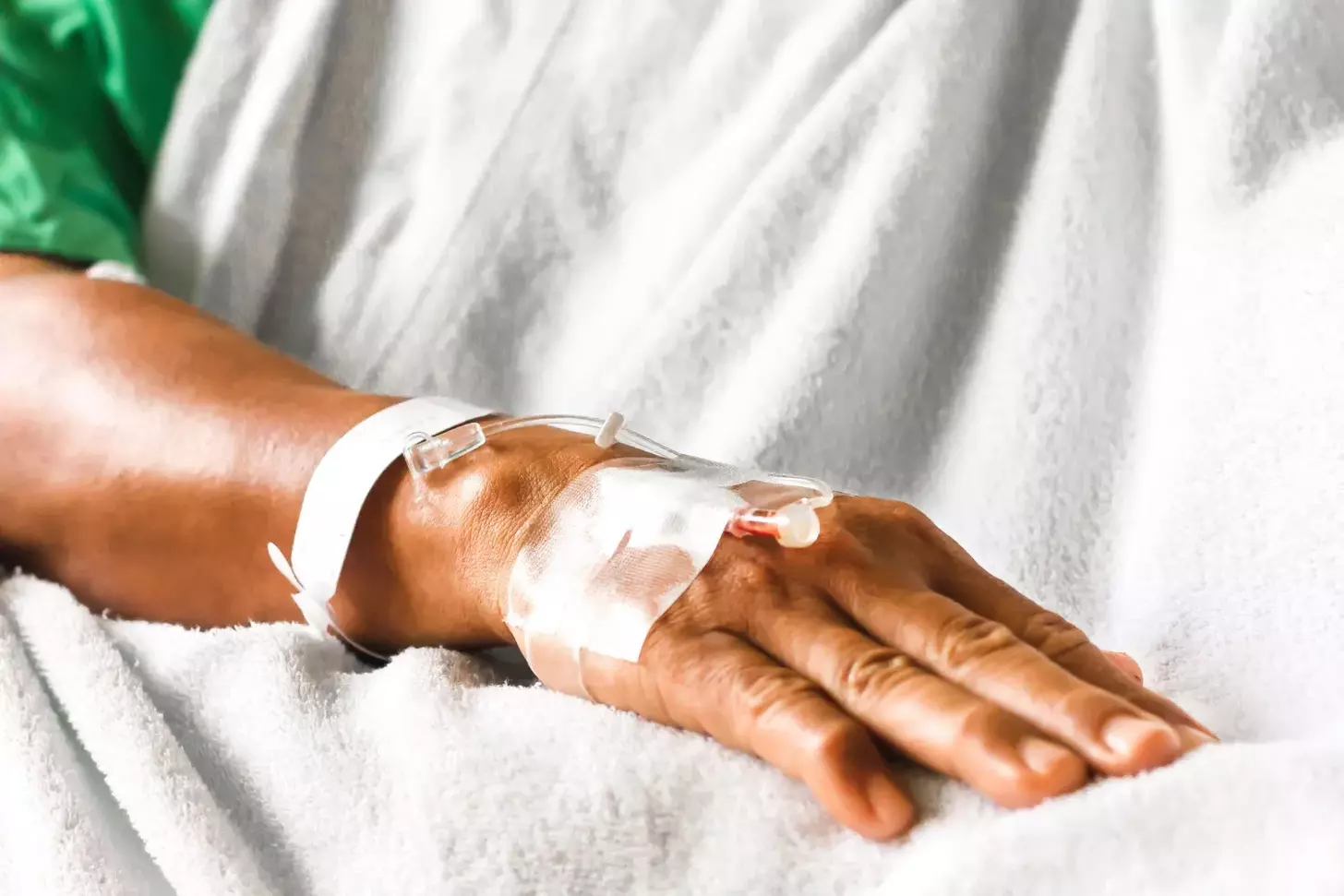
Chemotherapy is a treatment that uses strong drugs to fight cancer. At Liv Hospital, we know it’s tough. Our team gives full care and support to our patients.
The time you spend on chemotherapy treatment depends on many things. This includes the cancer type, stage, and your health. Usually, it’s given in cycles over months, lasting 3 to 6 months.
Studies show that chemotherapy drugs stay in the body for different times. We’ll look into how long chemotherapy lasts and works, answering common questions.
Key Takeaways
- Chemotherapy duration varies based on cancer type and stage.
- Treatment cycles typically last 3 to 6 months.
- Chemotherapy drugs remain in the body for different durations.
- Patient overall health affects chemotherapy treatment.
- Comprehensive care is provided throughout the treatment journey.
Understanding Chemotherapy and Its Purpose
Chemotherapy uses strong drugs to fight cancer cells. It’s a key part of cancer treatment. Its main goals are to kill cancer cells, shrink tumors, and help patients live better.
What Is Chemotherapy?
Chemotherapy uses drugs to kill cancer cells. These drugs can be given in different ways, like through veins, pills, or shots. The main aim is to destroy cancer cells and slow the disease’s growth.
How Chemotherapy Targets Cancer Cells
Chemotherapy drugs target fast-growing cells, like most cancer cells. They disrupt cell division, killing or stopping cancer cells. Each drug works differently, making chemotherapy a flexible treatment.
We use chemotherapy in several ways:
- Alkylating agents damage DNA, stopping cancer cells from growing.
- Antimetabolites block DNA and RNA production, stopping cell growth.
- Anthracyclines insert into DNA strands, stopping DNA and RNA synthesis.
Common Types of Chemotherapy Drugs
There are many chemotherapy drugs, each with its own action and side effects. Some common ones include:
| Drug Type | Mechanism of Action | Examples |
|---|---|---|
| Alkylating Agents | Damage DNA to prevent cancer cell reproduction | Cyclophosphamide, Chlorambucil |
| Antimetabolites | Interfere with DNA and RNA production | 5-Fluorouracil, Methotrexate |
| Anthracyclines | Inhibit DNA and RNA synthesis by intercalating DNA strands | Doxorubicin, Epirubicin |
Chemotherapy drugs leave the body through waste. Most are gone in 2 days, but some can stay up to 7 days. The time it takes to clear can depend on the drug, how the body metabolizes it, and other factors.
The Typical Duration of Chemotherapy Treatment
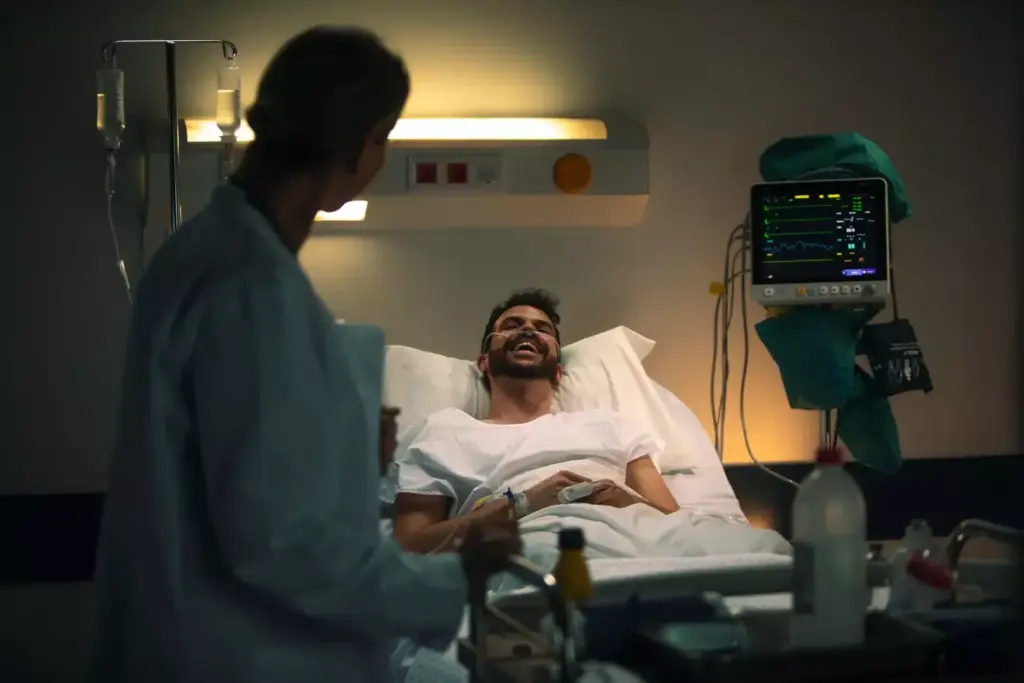
Knowing how long chemotherapy lasts is key for patients starting their cancer fight. This info is vital for planning and dealing with treatment.
Standard Treatment Cycles
Chemotherapy is given in cycles, each lasting weeks. Most cycles last 3 to 6 months. But, it can change based on the treatment plan and how well the patient does.
In a cycle, patients get chemotherapy for a few days. Then, they rest to recover. This cycle is repeated to target and kill cancer cells.
Factors That Determine Treatment Length
Many things affect how long chemotherapy lasts. These include the type and stage of cancer, the drugs used, and the patient’s health. We take these into account when making a treatment plan.
- The type and stage of cancer being treated
- The chemotherapy regimen and dosage
- The patient’s overall health and medical history
- How well the patient responds to treatment
What to Expect During a Complete Course
During chemotherapy, patients go through many cycles. They are closely watched and the plan is adjusted as needed. Chemotherapy’s effects on cancer cells can last for weeks.
Studies show that chemotherapy time can vary a lot. We help patients get the support and care they need during treatment.
How Long Does Chemo Last in the Body After Administration?
It’s important for patients to know how long chemotherapy stays in their body. These drugs target and kill cancer cells. But, they don’t stay in the body forever. The time they last depends on several things.
Immediate Absorption and Distribution
Chemotherapy drugs quickly get into the bloodstream after being given. They then spread all over the body. This fast spread helps them reach and kill cancer cells well. How fast they get absorbed can change based on how they’re given, like through an IV or by mouth.
“The way chemotherapy drugs work in the body is key to their success,” a study on chemotherapy pharmacokinetics explains. This study shows why knowing how drugs are absorbed, spread, broken down, and removed is so important.
Average Elimination Timeframes
Most chemotherapy drugs leave the body in a few days, usually between 2 to 7 days. But, the exact time can change a lot. It depends on the drug, the dose, and the patient’s health, like their kidney and liver function.
- The type of chemotherapy drug used affects its clearance time.
- Patients with impaired kidney or liver function may experience longer clearance times.
Differences Between IV and Oral Chemotherapy
The way chemotherapy is given can affect how long it stays in the body. IV chemotherapy goes straight into the bloodstream, leading to faster and quicker removal. Oral chemotherapy, taken as pills, is absorbed slower through the digestive system. This might make it stay in the body a bit longer.
As we learn more about chemotherapy and its effects, it’s clear that everyone reacts differently. Things like how fast the body breaks down drugs, overall health, and the drug’s characteristics all affect how long chemotherapy stays active in the body.
Clearance Times for Common Chemotherapy Drugs
Knowing how long chemotherapy drugs stay in the body is key for good treatment. Each drug clears at a different rate. This depends on how the drug works and the patient’s health.
Short-Acting Chemotherapy Drugs
Some drugs clear quickly, in hours to days. They are picked for their fast start and are used in cycles. This lets the body recover between doses.
Medium-Acting Chemotherapy Drugs
These drugs stay in the body for 2-5 days. Their time to clear can change based on how the body processes them and the patient’s health. Irinotecan is an example used to fight cancer.
Long-Acting Chemotherapy Drugs
Long-acting drugs can be in the body for a week or more. They are used when keeping the drug in the body is needed. Taxol and other paclitaxel treatments are examples.
The time it takes for drugs to clear can differ a lot between people. Things like kidney and liver health, age, and overall health play a big role. This affects how fast the drugs are broken down and removed.
We’ll keep looking at specific chemotherapy drugs and how long they last in the body. This will help us understand what to expect during treatment.
Specific Chemotherapy Medications and Their Duration
Different chemotherapy drugs have unique times they stay in the body. Knowing these times helps doctors understand how well the treatment works and any side effects.
Abraxane and Taxol Retention Periods
Abraxane (nab-paclitaxel) and Taxol (paclitaxel) are two common chemotherapy drugs. Research shows Abraxane leaves the body faster than Taxol. Abraxane’s levels in the blood drop a lot in just 24 hours.
On the other hand, Taxol stays longer, with its half-life between 13 to 27 hours. A study found Taxol has a big volume of distribution and a long half-life.
“The formulation of Abraxane allows for a higher concentration of paclitaxel in the tumor, potentially leading to improved efficacy and reduced toxicity.”
Irinotecan Clearance Timeline
Irinotecan is used to treat different cancers. Its time to clear from the body depends on liver health. It’s broken down by the liver and its active part, SN-38, is removed through bile and feces.
Irinotecan’s half-life is about 12 hours. But, this can change based on kidney and liver health. A study said Irinotecan’s pharmacokinetics are complex, involving many metabolic pathways.
Verzenio and Other Targeted Therapies
Verzenio (abemaciclib) is a targeted therapy for certain breast cancers. Unlike traditional chemotherapy, targeted therapies like Verzenio have different retention periods and clearance timelines. Verzenio is taken orally and targets specific cancer cells, protecting healthy cells.
Verzenio’s half-life is about 24 hours. Its elimination is influenced by liver function. Clinical data show it’s metabolized by the liver and its metabolites are mostly excreted through feces.
It’s important to know the specific traits of each chemotherapy drug. This knowledge helps doctors improve treatment results and reduce side effects.
Factors Affecting How Long Chemotherapy Remains Active
Many things can change how long chemotherapy stays in your body and works. It’s clear that everyone is different, which affects how well chemotherapy works and for how long.
Individual Metabolism Differences
How fast your body breaks down chemotherapy drugs is key. Those with faster metabolisms might get rid of drugs quicker. On the other hand, slower metabolisms mean drugs stay longer. Studies show that how fast you metabolize drugs can really change how long you need chemotherapy.
“The rate at which an individual’s body metabolizes chemotherapy drugs can significantly affect treatment outcomes,” says a study on chemotherapy metabolism. Knowing these differences helps doctors make treatment plans that fit each patient better.
Kidney and Liver Function Impact
The kidneys and liver help get rid of chemotherapy drugs. If these organs don’t work well, drugs stay longer. This can make side effects worse. People with kidney or liver problems might need different treatment plans.
Age, Weight, and Overall Health Considerations
Age, weight, and health also matter. Older people or those with health issues might clear drugs slower. Also, being overweight can affect how drugs are spread and broken down in the body.
- Age-related changes in metabolism and organ function
- Weight and BMI considerations for dosage calculations
- Overall health status and presence of comorbidities
Healthcare providers use these factors to make better treatment plans. As we learn more about how chemotherapy works, we’ll see better results in fighting cancer.
Continuing Effects After Chemotherapy Leaves Your System
Chemotherapy’s impact goes beyond its time in the body. It affects cancer cells and overall health. Understanding the ongoing effects of chemotherapy is key.
Immediate vs. Delayed Effects on Cancer Cells
Chemotherapy targets and kills cancer cells. Some cells die right away, while others take time. This delayed effect is important to grasp.
Chemotherapy’s immediate effects are seen during and right after treatment. But the delayed effects are just as significant. Damaged cancer cells may die days or weeks later. This ongoing process boosts chemotherapy’s effectiveness.
Cellular Recovery Processes
When chemotherapy leaves the body, cells start to recover. The body repairs and restores damaged cells. This is essential for getting back to full strength.
- DNA Repair: Cells fix DNA damage from chemotherapy.
- Cell Regeneration: Healthy cells replace damaged ones.
- Immune System Recovery: The immune system gets stronger, helping fight off infections and cancer cells.
Monitoring Treatment Efficacy After Clearance
It’s vital to check how well chemotherapy worked after it’s gone. Doctors use different methods to see if treatment was successful.
Key factors include:
- Imaging Tests: Scans to find any remaining cancer cells or tumors.
- Tumor Markers: Blood tests for specific proteins or markers linked to cancer.
- Physical Examinations: Regular check-ups to check overall health and catch cancer recurrence signs.
By watching these factors, doctors can see if chemotherapy worked. They can then decide if more treatment is needed.
Evidence-Based Protocols and Innovative Approaches
Our team focuses on patient-centered care. We use the latest in chemotherapy and support services. At Liv Hospital, we aim for top treatment based on the latest research and tailored to each patient.
Modern Chemotherapy Administration Methods
We keep our treatment plans up to date with new chemotherapy methods. This includes advanced infusion techniques and personalized dosing. We aim to make treatments more effective and less harsh.
Key aspects of our chemotherapy administration include:
- Precision dosing based on individual patient factors
- Advanced infusion technologies for improved drug delivery
- Continuous monitoring to adjust treatment as needed
Patient-Centered Care During Treatment
We focus on individualized treatment plans and support. We know each patient’s journey is unique. So, we tailor our care to meet their specific needs.
Components of our patient-centered care include:
- Personalized treatment planning
- Emotional and psychological support
- Nutritional counseling and guidance
| Aspect of Care | Description | Benefits |
|---|---|---|
| Personalized Treatment | Tailored plans based on patient needs | Improved outcomes, reduced side effects |
| Emotional Support | Counseling and psychological services | Enhanced mental well-being, reduced anxiety |
| Nutritional Guidance | Dietary advice for optimal health | Better nutrition, improved recovery |
Advances in Reducing Side Effects
We aim to lessen chemotherapy side effects. This improves patient comfort and quality of life. We use advanced medications and supportive care to reduce common side effects.
Some of the strategies we employ include:
- Prophylactic medications to prevent nausea and vomiting
- Growth factor support to reduce neutropenia
- Advanced wound care for managing skin reactions
We combine evidence-based protocols with new approaches for the best care. Our focus on patient-centered care and reducing side effects ensures our patients get full support during treatment.
Conclusion: What to Expect During Your Chemotherapy Journey
Chemotherapy can be tough, but with the right help, patients can face it with hope. Our team is dedicated to giving you the best care from start to finish. We’re here for you every step of the way.
Research shows that knowing what to expect and having support is key. We hope this article has helped you understand chemotherapy better. We want you to feel free to ask questions and get the help you need.
We aim to offer top-notch healthcare and support to patients from around the world. By understanding your needs and giving personalized care, we aim to make your chemotherapy journey easier.
How long does chemotherapy stay in your body?
The time chemotherapy drugs stay in your body varies. It depends on the type of treatment, how often you get it, and your health. Most drugs leave your body in a few days.
How long does chemotherapy continue to work after treatment?
Even after chemotherapy is gone, its effects can last. Damaged cancer cells may keep dying. Your body’s healing can also help you feel better.
What factors influence how long chemotherapy remains active in the body?
Several things affect how long chemotherapy stays active. These include how your body metabolizes it, your kidney and liver health, and your age, weight, and overall health.
How long do different chemotherapy medications stay in the body?
Each chemotherapy drug has its own timeline. For example, Abraxane and Taxol have different times they stay in your system. Irinotecan has a specific timeline for clearance.
How long does Abraxane stay in your system?
Abraxane’s stay in your system varies. It depends on your kidney and liver function.
How long does Taxol stay in your system?
Taxol’s clearance time varies. It depends on the treatment dose, how often you get it, and your health.
What is the average elimination timeframe for chemotherapy drugs?
Most chemotherapy drugs leave your body in 2-7 days on average.
How do kidney and liver function impact chemotherapy clearance?
If your kidneys or liver aren’t working well, drugs may take longer to clear. These organs are key in removing chemotherapy from your body.
How does age, weight, and overall health affect chemotherapy clearance?
Your age, weight, and health can affect how long chemotherapy stays active. Older people or those with health issues might have drugs in their system longer.
What happens to cancer cells after chemotherapy treatment?
After treatment, damaged cancer cells may keep dying. Your body’s healing can also help restore your health and well-being.