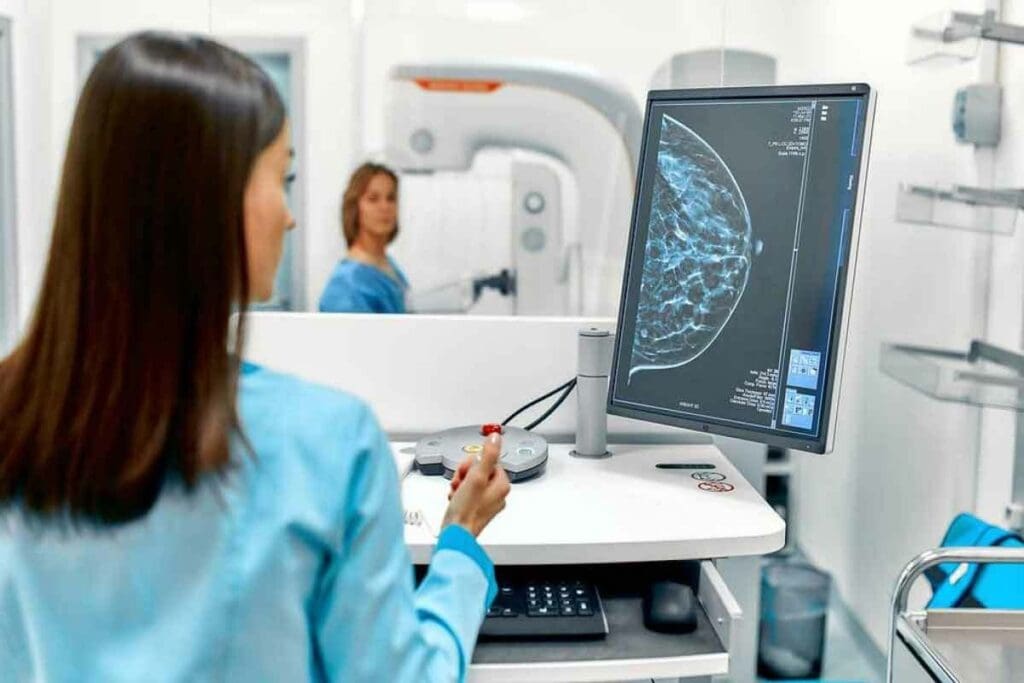
Waiting for CT scan results can be tough for patients. At Liv Hospital, we know how important quick and accurate diagnosis is. If you are wondering how long does CT results take, typically, results can be available within 12 to 48 hours depending on the urgency and complexity of the case. We work hard to get your accurate results back to you fast.Waiting for CT scan results can be tough for patients. At Liv Hospital, we know how important quick and accurate diagnosis is. If you are wondering how long does CT results take, typically, results can be available within 12 to 48 hours depending on the urgency and complexity of the case. We work hard to get your accurate results back to you fast.
Usually, CT scan results are ready in 24 to 48 hours. But, how long it takes can change. It depends on the scan type, how urgent it is, and how many patients we have.
We aim to give you rapid and reliable diagnostics with top-notch care. Our steps include taking images, having a radiologist review them, and making a report. We do all this fast but without losing accuracy.
Key Takeaways
- CT scan results are typically available within 24 to 48 hours.
- The type of scan and its urgency can affect the result timeframe.
- Liv Hospital prioritizes both speed and accuracy in diagnostics.
- Our process includes image acquisition, radiologist review, and report generation.
- We strive to deliver results as quickly as possible while maintaining high-quality care.
The Purpose and Process of CT Scanning

CT scanning is a cutting-edge medical imaging method. It uses X-rays and computer tech to show detailed images of inside organs and tissues. We use CT scans to find many health issues, like injuries, cancers, and heart diseases.
What Exactly is a CT Scan?
A CT scan, or Computed Tomography scan, is a non-invasive test. It helps doctors diagnose and treat many health problems. It makes detailed images of the body using X-rays and computer tech.
Common Medical Reasons for Ordering CT Scans
Doctors often order CT scans to check for cancer, see how bad injuries are, and understand diseases. They also use CT scans to plan treatments and check if they’re working.
Brief Overview of the Scanning Procedure
The CT scan process starts with lying on a table that moves into a big, doughnut-shaped machine. The machine moves around the body, taking X-ray pictures from different sides. Patients need to stay very quiet and hold their breath to get clear images.
| Preparation Step | Description |
| Removing Metal Objects | Patients are asked to remove any metal objects, such as jewelry or glasses, that could interfere with the scan. |
| Wearing a Hospital Gown | Patients may be required to wear a hospital gown to ensure no external factors affect the scan. |
| Using Contrast Material | In some cases, a contrast material (dye) is used to highlight certain areas of the body, making the scan more useful. |
Knowing how CT scanning works helps patients get ready for their scans. It shows how important these tools are in healthcare.
Standard Timeframes for Receiving CT Scan Results
Many patients ask how long it takes to get their CT scan results. The time varies based on the scan type and the healthcare facility’s rules. Knowing these factors helps set realistic expectations.
The 12-48 Hour General Guideline
CT scan results usually come in 12 to 48 hours. This is the standard for most tests. But remember, this is just a general rule.
Why Some Results Take Longer Than Others
Some scans need more detailed analysis, which can slow down the results. The radiology department’s workload and the availability of doctors also play a role. Emergency scans get priority.
Same-Day and Next-Day Reporting Options
Some places offer quick results for urgent scans, like same-day or next-day. Whether you get these fast services depends on the facility’s resources and tech.
| Scan Type | Typical Timeframe | Expedited Option |
| Routine CT Scan | 12-48 hours | Next-day available |
| Emergency CT Scan | Under 1 hour | Same-day |
Emergency vs. Non-Urgent CT Scan Result Delivery
CT scan results timing depends on the urgency of the case. We focus on urgent needs first, making sure those in critical situations get help quickly.
How Emergency Results Are Expedited
Emergency CT scan results can come in under an hour. Our radiology team is ready to handle urgent cases fast. This helps doctors make quick, important decisions.
Typical Waiting Periods for Routine Outpatient Scans
Routine scans usually take 24 to 48 hours. But, the wait can change based on the scan’s complexity and our team’s workload.
Priority Systems in Radiology Departments
We have a system to manage our work well. Emergency scans get first priority. Routine scans are done efficiently without sacrificing quality.
We separate urgent from non-urgent cases to provide timely care. This way, we manage our work well and keep patient care high.
The Complete Journey: From Scan Completion to Final Report
The CT scan process is detailed and important. It starts with scanning and ends with a report. Radiologists and healthcare teams work hard to make sure the diagnosis is right.
Image Acquisition and Processing
After the scan, the first step is to get the images. This involves using special software to make detailed pictures. Advanced algorithms make these images clear for the radiologist to review.
Radiologist Review and Interpretation
Then, a radiologist looks at the images. They check for any problems and compare them to past scans. This step is key to making a diagnosis.
“The radiologist’s role is not just to read images, but to correlate findings with clinical information to provide a complete diagnosis.”
Expert in Radiology
Report Generation and Verification Steps
After the radiologist’s review, a detailed report is made. It outlines the findings and what to do next. Before it’s final, it’s checked for accuracy. This step is important for patient care.
Understanding the CT scan process helps patients see the effort put into their diagnosis. We make sure every step is done with care and precision.
How Long Does CT Results Take: Key Influencing Factors
Many things affect how long it takes to get CT scan results. Knowing these helps us set better expectations and improve care for patients.
Scan Type and Anatomical Complexity
The type of CT scan and the area being scanned greatly influence how long results take. More complex scans, like those covering many areas or needing special protocols, take longer.
For example, a CT scan of the abdomen and pelvis with contrast is more complex than a simple head CT. This is because it involves looking at many images and finding small issues in different organs.
Need for Historical Comparison Studies
Often, radiologists must compare current CT scans with past ones to spot changes. This step is key for accurate diagnosis and planning treatment.
How fast results come out can depend on whether past studies are available and how long it takes to look at them. Places with good imaging storage systems can do this faster.
Radiologist Workload and Availability
The amount of work radiologists have and when they are available also affects result times. Busy hospitals with lots of scans can take longer to get results.
Some places use remote radiology services. This helps spread out the work and can make results come faster, even when it’s busy.
Facility Resources and Technology Level
The technology and resources at a healthcare facility also matter for CT scan results. New CT scanners and software can make scanning faster and images clearer.
Places with good image storage systems can also make results come faster. This is because they can easily find and share images.
| Factor | Impact on Result Time |
| Scan Complexity | Higher complexity = longer result time |
| Need for Comparison Studies | Availability of prior studies affects result time |
| Radiologist Workload | Higher workload = longer result time |
| Facility Resources | Advanced technology = faster result time |
Understanding these factors helps us see the challenges in getting CT scan results. It also shows how we can work to make the process better for patients.
CT Result Timelines Across Different Healthcare Settings
We look at how different healthcare places affect CT scan result times. Where a CT scan is done can change how fast results come back. This is important for both patients and doctors.
Hospital Inpatient Departments
In hospital inpatient areas, CT scan results are fast because patient care is urgent. These places work quickly to help patients get the right treatment fast.
Standalone Imaging Centers
Standalone imaging centers work differently than hospitals. They aim to give results in 12 to 48 hours. This is because they don’t always have the same urgent needs.
Emergency Department Protocols
Emergency departments work fast to get results quickly. They aim to deliver results in under an hour. This helps them treat critical patients right away.
Specialty Clinics and Academic Medical Centers
Specialty clinics and academic centers have different times for results. They deal with complex cases. This means radiologists need more time to review the scans.
| Healthcare Setting | Typical Turnaround Time |
| Hospital Inpatient Departments | Rapid, often within hours |
| Standalone Imaging Centers | Typically 12-48 hours |
| Emergency Departments | Under 1 hour |
| Specialty Clinics and Academic Medical Centers | Varies, often longer due to complexity |
The different times for CT scan results show how important it is to know where care is happening. Patients and doctors can plan better when they understand these differences.
Technological Advancements Affecting Result Turnaround
New technology in radiology has made getting CT scan results faster. This is thanks to better digital imaging, teleradiology, and AI in CT scans.
Digital Imaging Networks and PACS Systems
Digital Imaging Networks and PACS have changed how we handle medical images. They make it easy to access CT scans anywhere, helping doctors make quick diagnoses.
Teleradiology and Remote Reading Services
Teleradiology lets radiologists read CT scans from anywhere. This is great when there’s no doctor on site, making sure patients get help fast.
Artificial Intelligence Applications in CT Interpretation
AI is being used more in CT scans to make them more accurate and quick. It helps spot problems, sort cases, and speed up reports, making results come back faster.
| Technological Advancement | Impact on CT Scan Result Turnaround |
| Digital Imaging Networks and PACS | Rapid image storage and retrieval, facilitating timely diagnosis |
| Teleradiology | Remote reading capabilities, reducing result delivery time |
| AI Applications | Enhanced accuracy and efficiency in CT interpretation |
Healthcare uses these new technologies to get CT scan results quicker. This helps improve patient care and results.
How Patients Receive Their CT Scan Results
Patients have different ways they like to get their CT scan results. Healthcare providers are changing how they deliver these results. The way results are given can really affect how happy patients are and how well they understand their health.
Direct Physician Communication Methods
One way is when the doctor talks directly to the patient. This personal touch lets patients ask questions and get answers right away. We know this direct talk is key for good care.
Patient Portal Access and Electronic Delivery
Many doctors now use patient portals for electronic results. This method is convenient and lets patients look at their results whenever they want. But, it’s important to make sure patients know how to use and understand their results.
Follow-up Appointment Discussions
Results are often talked about during follow-up visits. These talks give a full picture of the diagnosis and treatment plans. They are important for answering patient questions and planning the next steps in care.
Legal Considerations in Result Communication
When sharing CT scan results, doctors must think about legal issues like privacy and accuracy. Keeping information private and clear is very important.
By knowing about different ways to share CT scan results, we can meet the needs of our patients better. This makes their care experience better overall.
Managing the Waiting Period Effectively
Learning how to handle the waiting time can ease some stress from CT scans. Many patients feel anxious while waiting for their scan results.
Coping Strategies for Result-Related Anxiety
Patients can reduce anxiety by staying updated on their scan and result process. Having a support network, like family or friends, can offer comfort. It’s wise to ask healthcare providers about when to expect results and any help for anxiety.
Appropriate Timing for Follow-up Inquiries
It’s important to know when to ask about CT scan results. Patients should wait until the usual time for results before calling. If it’s longer than 12-48 hours, a polite call to the doctor can help.
Questions to Ask When Results Are Delayed
If results are late, ask the doctor why and when they’ll arrive. Patients can also ask if there’s anything they can do to speed things up. Being proactive helps manage anxiety during the wait.
By staying informed and proactive, patients can handle the waiting period better. This reduces anxiety about CT scan results.
Liv Hospital’s Standards for CT Scan Result Delivery
Liv Hospital is dedicated to fast and accurate CT scan results. We follow academic protocols and focus on patient care. We know how critical quick diagnosis and treatment are, so we aim to provide top-notch results for our patients.
Academic Protocols and Quality Assurance Measures
At Liv Hospital, we stick to strict academic protocols for our CT scan results. Our radiology team follows the latest guidelines and best practices. We also keep improving our methods to ensure the highest quality.
Multidisciplinary Approach to Radiology
Our radiology team works with other healthcare experts for complete patient care. This teamwork helps us link imaging results with clinical data. This way, our patients get accurate diagnoses and effective treatment plans.
Patient-Centered Communication Practices
At Liv Hospital, we put patients first in communication. We make sure they get their CT scan results quickly and with care. Our team is committed to explaining results clearly and answering any questions or concerns.
By combining academic excellence, teamwork, and patient focus, Liv Hospital offers top-quality CT scan results. These results help us achieve the best outcomes for our patients.
International Benchmarks for Radiology Reporting Times
International benchmarks are key in setting standards for radiology reporting times. They help evaluate performance and find areas for improvement in healthcare settings.
Industry Standards and Best Practices
Industry standards and best practices help radiology departments deliver results on time. Groups like the Radiological Society of North America (RSNA) and the American College of Radiology (ACR) set guidelines. These guidelines help standardize reporting times, making healthcare more efficient.
Key industry standards include:
- Using digital imaging networks and PACS systems to make image and report delivery smoother.
- Offering teleradiology services to improve reporting, even when it’s off-hours.
- Using structured reporting templates to make reports clearer and more consistent.
Quality Metrics for Timely Result Delivery
Quality metrics are important for checking how well radiology departments do with reporting times. Metrics like turnaround time (TAT) for radiology reports show how efficient services are. By watching these metrics, healthcare providers can spot problems and fix them to better care for patients.
Common quality metrics include:
| Metric | Description |
| Turnaround Time (TAT) | The time from when images are taken to when reports are given. |
| Report Finalization Rate | The percentage of reports finished on time. |
Continuous Improvement Initiatives in Radiology
Continuous improvement is key to keeping radiology reporting times high. By checking their processes and making changes based on quality metrics, radiology departments can get better. Lean management and quality improvement programs help make workflows better and cut down on delays.
By following international benchmarks and industry standards, radiology departments can improve their reporting times. This leads to better patient care. Continuous improvement is essential to keep radiology services efficient and effective.
Conclusion
Getting CT scan results is a big moment for patients. Knowing what affects how long it takes can help set expectations. At Liv Hospital, we focus on quality care and quick results.
Our radiology team uses the latest tech and works together to get accurate, fast results. Result times can change based on the scan’s complexity and how busy the radiologist is. But we aim to meet the usual time frame.
We follow top standards and use new tech like digital imaging and teleradiology. This helps us cut down on delays and make our reporting faster. At Liv Hospital, you can count on thorough care and clear updates on your CT scan results.
FAQ
How long does it typically take to get CT scan results back?
It usually takes 12 to 48 hours to get CT scan results. But, this time can change based on the scan’s urgency and the radiology team’s workload.
What factors influence the time it takes to receive CT scan results?
Several things can affect how long it takes to get CT scan results. These include the scan’s type and complexity, the need for comparison studies, and the radiologist’s schedule. Also, the technology and resources at the facility play a role.
How do emergency CT scan results differ from non-urgent results in terms of delivery time?
Emergency CT scan results are fast, often under 1 hour. Non-urgent results take longer, usually 12 to 48 hours.
Can I get same-day or next-day CT scan results?
Yes, some places like Liv Hospital offer same-day or next-day results. This depends on the scan’s urgency and the radiology team’s schedule.
How do I receive my CT scan results?
You can get your CT scan results in several ways. They might be shared directly by your doctor, through a patient portal, or during a follow-up visit.
How can I manage the anxiety of waiting for CT scan results?
To deal with the wait, stay informed about the process. Having a support system helps too. Try stress-reducing activities. Knowing when to follow up and what to ask if results are late is also important.
What standards does Liv Hospital follow for CT scan result delivery?
Liv Hospital follows strict protocols and quality measures. They use a team approach and focus on patient communication. This ensures quick and accurate results.
Are there international benchmarks for radiology reporting times?
Yes, there are global standards for radiology reporting times. These include quality metrics and efforts to improve continuously.
How has technology impacted the turnaround time for CT scan results?
Technology has greatly improved CT scan result times. Digital networks, teleradiology, and AI have made results faster and more accurate.
How long does it take to get CT scan results for emergency cases?
Emergency CT scan results are usually ready in under 1 hour. They are a priority in radiology departments.
Can the setting where the CT scan is performed affect the result timeline?
Yes, where the CT scan is done can change the result time. Different settings like hospitals, imaging centers, and clinics have varying timelines.
Reference
- Kahn, C. E., Jr., Slim, J., & Langlotz, C. P. (2021). Radiology reporting times: Current benchmarks and influencing factors. Journal of the American College of Radiology, 18(12), 1671–1677. https://pubmed.ncbi.nlm.nih.gov/34488255/