

Kidney stone formation times differ a lot from person to person. Usually, it takes months for small stones to form. But, for those at higher risk, stones can form in just weeks.
Recent research from 2025 shows that a 5 mm kidney stone can take 559 days to form. This means stones can take anywhere from days to years to develop. This depends on several factors.
At Liv Hospital, we get how complex kidney stone formation is. We use the latest diagnostics and international medical standards. This helps you understand your risk and find ways to prevent stones.
Learn how long does it take for kidney stones to grow and form.
Key Takeaways
- Kidney stone formation timelines vary significantly among individuals.
- The formation of kidney stones depends on various factors, including diet and hydration.
- Small stones can form in a matter of weeks in people who are more likely to form stones.
- Understanding the timeline of kidney stone formation is key for prevention and treatment.
- Liv Hospital’s patient-centered approach helps you understand your personal kidney stone risk.
Understanding Kidney Stones
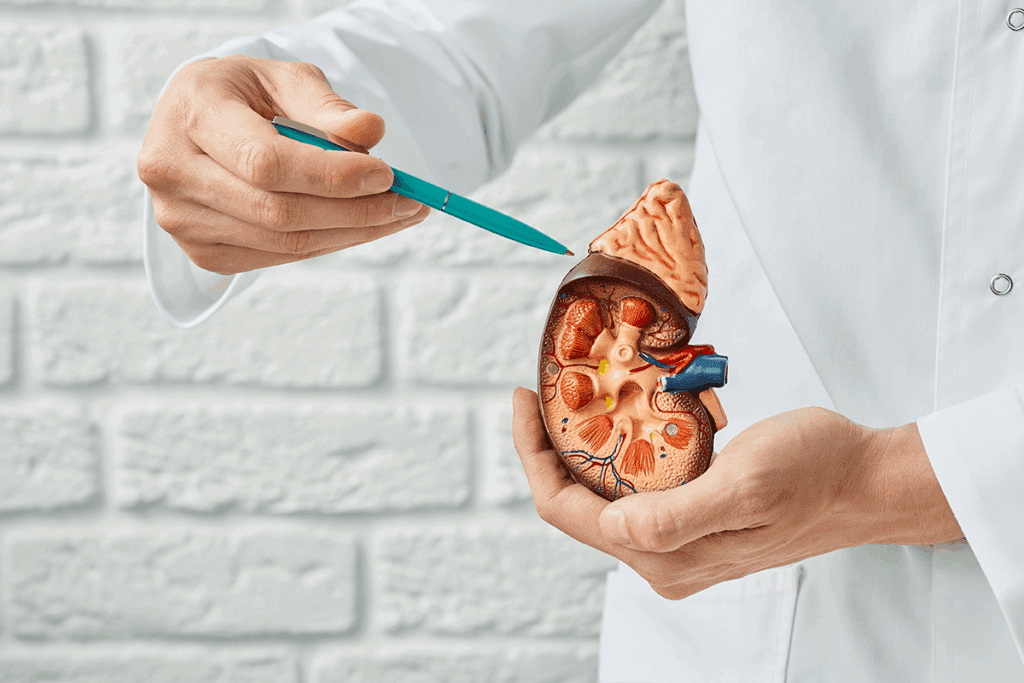
Kidney stones are hard deposits made of minerals and salts. They form inside the kidneys. These stones can cause severe pain and other complications. It’s important to know how they form.
What Are Kidney Stones?
Kidney stones are solid masses of crystals. They form in the urine when there’s an imbalance of water, salts, and other substances. Calcium stones are the most common, often as calcium oxalate stones.
Many factors influence their formation. Diet, hydration levels, and genetics play a role. Knowing these can help prevent stones.
Common Types of Kidney Stones
There are several types of kidney stones, each with different compositions:
- Calcium Stones: Usually in the form of calcium oxalate, these are the most common type.
- Uric Acid Stones: More common in people who lose too much fluid because of chronic diarrhea or malabsorption, those who eat a high-protein diet, and those with diabetes or obesity.
- Struvite Stones: Typically associated with urinary tract infections (UTIs).
- Cystine Stones: Form in people with a hereditary disorder that causes the kidneys to leak cystine into the urine.
Prevalence in the United States
More than 10% of people in the United States will experience a kidney stone in their lifetime. Kidney stone disease usually presents between ages 20 and 60. About 80% of stones are calcium-based, mostly calcium oxalate or calcium phosphate.
The high prevalence shows why understanding kidney stone formation is key. It helps in developing prevention and treatment strategies.
The Timeline of Kidney Stone Formation

Recent studies have shed light on how long it takes for kidney stones to form. They found key factors that affect this process. Knowing this timeline helps us prevent and treat kidney stones better.
Average Formation Periods
The time it takes for a kidney stone to form varies a lot. Studies show that size, type of stone, and patient health play big roles.
A study found that a 5 mm stone can form in about 559 days under the right conditions. This shows how different stone formation rates can be.
Factors Affecting Formation Speed
Many things can change how fast kidney stones form. These include:
- Hydration levels: Drinking enough water can slow down stone formation.
- Dietary habits: Some diets may raise the risk of stone formation.
- Metabolic rate: How fast you metabolize can affect stone formation speed.
Knowing these factors helps us find who’s at risk and how to prevent stones.
2025 Research Findings on Formation Rates
Research from 2025 has given us new insights on stone formation rates. It found that formation time varies a lot. This depends on things like how much solution is available.
| Stone Size (mm) | Formation Time (days) | Solution Yield |
| 3 | 210 | Low |
| 5 | 559 | Medium |
| 7 | 930 | High |
This data shows how complex kidney stone formation is. It highlights the need for tailored prevention and treatment plans.
How Long Does It Take for Kidney Stones to Grow
Kidney stones can grow at different rates. This depends on their type and the environment in the urinary tract. “The formation of kidney stones is a complex process,” says recent research. It’s influenced by many factors, like how saturated the urine is and the stone’s chemical makeup.
Initial Crystal Formation
The first step in making a kidney stone is creating initial crystals. This happens when there’s too much of certain substances in the urine. Drinking less water and having a low urine volume can speed up this process. This makes it more likely for crystals to form.
Growth Rates for Different Stone Types
Each type of kidney stone grows at its own pace. For example, calcium oxalate stones grow slower than uric acid stones. The stone’s chemical makeup and what’s in the urine affects how fast it grows.
Studies show that diet, how much you drink, and your body’s metabolism can also impact growth. Eating too much sodium, for instance, can raise calcium levels in the urine. This might make stones grow faster.
From Microscopic to Symptomatic Sizes
Kidney stones start as tiny crystals and can grow big enough to hurt. How long it takes for a stone to grow from tiny to big varies a lot. Some stones stay small and don’t cause problems for years, while others grow fast and cause a lot of pain.
“The rate at which kidney stones grow can be influenced by various factors, including urinary supersaturation and the presence of inhibitors of crystallization,” according to a study published in a leading urology journal.
Knowing what makes stones grow fast is key to preventing and treating them. By understanding these factors, people can lower their risk of getting stones.
The Science Behind Stone Formation
Kidney stone formation is a complex process. It involves the creation of crystals, their growth into stones, and their settling in the kidney or urinary tract. Knowing how this happens helps us understand how stones develop and grow.
Crystal Nucleation Process
The first step in making a kidney stone is the formation of crystals. This happens when urine has too much of certain substances like calcium and oxalate. Nucleation can be helped by dehydration, what we eat, and some health issues.
Aggregation Mechanisms
After crystals form, they can stick together to make bigger stones. This sticking together is affected by what’s in the urine. For example, citrate helps stop calcium oxalate crystals from sticking together, which can lower the chance of stone formation. Understanding these mechanisms helps us find ways to stop stones from growing.
Fixation Within the Kidney
The last step in making a kidney stone is when it gets stuck in the kidney or urinary tract. This happens when a stone gets caught in a narrow spot, like in the ureter. Getting stuck can cause blockage, pain, and serious problems if not treated.
By learning about the science of stone formation, we can see how complex kidney stones are. We also see why it’s key to prevent them.
Rapid Stone Formers vs. Slow Stone Formers
People can form kidney stones at different rates. Some get them quickly, while others might never have them. Knowing why this happens is key to stopping kidney stone disease.
Genetic Predispositions
Genetics play a big part in how fast kidney stones form. Studies show that those with a family history of stones are more likely to form them quickly. Genetic predispositions can change urine composition, making stones more likely.
Metabolic Differences
Metabolic differences also affect stone formation rates. For example, some people’s urine has more calcium or oxalate, common in stones. Metabolic syndrome and other conditions raise the risk of quick stone formation.
Case Studies of Varying Formation Rates
Many case studies show how different people form stones at different rates. A study in a top medical journal found that certain metabolic disorders lead to faster stone formation.
| Characteristics | Rapid Stone Formers | Slow Stone Formers |
| Genetic Predisposition | High | Low |
| Metabolic Factors | Abnormal | Normal |
| Average Time to Form Stones | Less than 2 years | More than 5 years |
Knowing if you’re a rapid or slow stone former helps in planning prevention. Rapid stone formers might need more intense prevention, like diet changes and meds.
Factors That Accelerate Kidney Stone Formation
Knowing what causes kidney stones to form quickly is key to preventing them. Many things can speed up how fast stones form. Knowing these can help you take steps to lower your risk.
Dehydration and Low Urine Volume
Dehydration is a big risk for kidney stones. Not drinking enough water makes urine more concentrated. This increases the chance of stones forming. Drinking lots of water helps keep urine healthy and prevents stones.
Dietary Contributors
What you eat affects your risk of kidney stones. Foods high in oxalate, like spinach and beets, can raise your risk. Also, eating too much sodium and animal protein can contribute to stones. We suggest eating less of these to lower your risk.
Medical Conditions That Speed Up Formation
Some health issues can make kidney stones form faster. People with gastrointestinal disorders or who have had stomach surgery are at higher risk. Conditions like hyperparathyroidism and renal tubular acidosis also increase the risk.
Medications That Increase Risk
Some medicines can raise your risk of kidney stones. For example, certain diuretics and calcium supplements can cause stones. Always talk to your doctor about any medicines to understand the risks.
Signs That a Kidney Stone Is Forming
Knowing the early signs of kidney stone formation is key. Kidney stones might not show symptoms until they block the urinary tract. But, there are signs that can hint at a stone forming.
Early Warning Symptoms
Some people may feel early signs as a stone starts to form. These include severe pain that spreads from the back to the lower abdomen or groin. You might also feel nausea and vomiting. Seeing hematuria, or blood in the urine, is another sign.
These symptoms can be different for everyone. But, if you notice any, seeing a doctor is important.
“The presence of blood in the urine, or hematuria, is a common symptom of kidney stones, occurring in up to 90% of cases.”
Laboratory Indicators
Lab tests can find signs of a forming stone before symptoms show. Urine tests might show microscopic hematuria or crystalluria. These signs mean you need more tests.
Imaging Evidence of Stone Formation
Imaging like ultrasound or CT scans can show if a stone is forming. These tests can spot small stones before they cause pain. Regular scans help track stone growth and plan treatment.
Talk to your doctor about which imaging is best for you. Each has its own benefits and drawbacks.
Detecting and Measuring Stone Growth
Medical technology has made it easier to spot and track kidney stone growth. This helps doctors diagnose and treat kidney stones better. It also lowers the chance of serious problems.
Modern Diagnostic Techniques
Today’s tools are key in finding kidney stones. Ultrasound and CT scans are top choices for this job. They give clear pictures of the stones’ size, where they are, and how many there are. This info helps doctors plan the best treatment.
- Ultrasound: It’s a safe and common test that uses sound waves to see inside the kidneys.
- CT Scans: They give detailed pictures of the kidneys, ureters, and bladder. This helps doctors find and measure stones accurately.
Other tests like X-rays and intravenous pyelography (IVP) might be used too. The right test depends on the patient’s health and the stone’s size and location.
Tracking Stone Development Over Time
Keeping an eye on kidney stones is important. Doctors use the same test to check how the stone has changed. This helps them decide if they need to do anything more.
- First, they check if there’s a stone and how big it is.
- Then, they watch how the stone changes in size and where it moves.
- They might change the treatment plan based on how fast the stone grows and how the patient feels.
When to Seek Medical Attention
It’s important for patients to know when to get help. Severe pain, nausea, vomiting, and trouble urinating mean you should see a doctor right away. People who have had kidney stones before should watch their symptoms closely and tell their doctor about any changes.
“Patients with a history of kidney stones should be aware of the signs and symptoms that require immediate medical attention, such as severe pain or difficulty urinating.”
Knowing how to find and measure kidney stone growth helps patients work with their doctors. This way, they can manage their condition well.
Preventing Rapid Kidney Stone Formation
Preventing kidney stones involves staying hydrated, making dietary changes, and sometimes using medications. These steps can greatly reduce the risk of getting kidney stones.
Hydration Strategies
Drinking enough water is key to preventing kidney stones. It dilutes the urine, making it less likely for minerals to form stones. Aim for 8-10 glasses of water a day, more if you’re active or live in a hot area.
Dietary Modifications
Changing your diet can also help prevent stones. Eating less of foods high in oxalate, like spinach and nuts, and cutting down on sodium is good. Also, eating less animal protein can help.
| Dietary Component | Recommended Action | Benefit |
| Oxalate | Reduce intake of oxalate-rich foods | Lowers risk of calcium oxalate stones |
| Sodium | Limit sodium intake | Reduces calcium in urine |
| Animal Protein | Moderate consumption | Decreases uric acid and calcium in urine |
Medications That Can Slow Stone Growth
Doctors might prescribe medications to prevent stones from coming back. Thiazide diuretics help lower calcium in urine. Potassium citrate can prevent certain types of stones.
Lifestyle Changes for Stone Prevention
Other lifestyle changes can also help prevent stones. Keeping a healthy weight, exercising, and managing stress are all good. These habits can lower your risk of getting stones.
Conclusion
Knowing how kidney stones form and what affects it is key to preventing and managing them. We’ve covered the main points to stress the need for awareness and prevention in dealing with kidney stone disease.
Kidney stone formation is complex, influenced by dehydration, diet, and health conditions. Knowing the signs and the science behind it helps people take steps to prevent stones and get medical help when needed.
Preventing kidney stones involves staying hydrated, changing your diet, and making lifestyle changes. These steps can help lower the risk of getting kidney stones and manage the condition well.
We believe in the power of education and awareness in preventing kidney stones. This way, people can take action to keep their kidneys healthy.
FAQ
How long does it take to form kidney stones?
The time it takes to form kidney stones varies. It depends on how much you drink, what you eat, and your metabolism.
What factors affect the speed of kidney stone formation?
Dehydration, diet, certain health conditions, and some medicines can increase your risk of kidney stones. They also affect how fast stones form.
How quickly can kidney stones form?
Some people get stones quickly, while others never do. The speed of stone formation varies a lot.
What are the signs that a kidney stone is forming?
Stones might not cause symptoms until they move or block the urinary tract. But, there are early signs and tests that can show a stone is forming.
How can kidney stone formation be prevented?
To prevent stones, stay hydrated, eat right, and consider medicines to lower your risk. It’s a mix of lifestyle changes and medical help.
How long does it take for a kidney stone to grow to a symptomatic size?
Growing a stone from start to size that causes symptoms is complex. It depends on how concentrated stone-forming substances are in your urine and if there are inhibitors.
Can lifestyle changes help prevent kidney stone disease?
Yes, changing your lifestyle is key to managing and preventing kidney stones. This includes drinking enough, eating right, and possibly taking medicines to slow stone growth.
How are kidney stones detected and measured?
New imaging techniques help find and measure stones better. This lets doctors track how stones grow over time.
What is the role of genetics in kidney stone formation?
Your genes can make you more likely to get kidney stones. Some people might form stones faster because of their genes.
How do different types of kidney stones grow at varying rates?
Different stones grow at different speeds. This depends on the concentration of substances in your urine and the presence of inhibitors.
References
National Center for Biotechnology Information. (2025). How Long Does It Take for Kidney Stones. Retrieved from https://pmc.ncbi.nlm.nih.gov/articles/PMC2839518/>