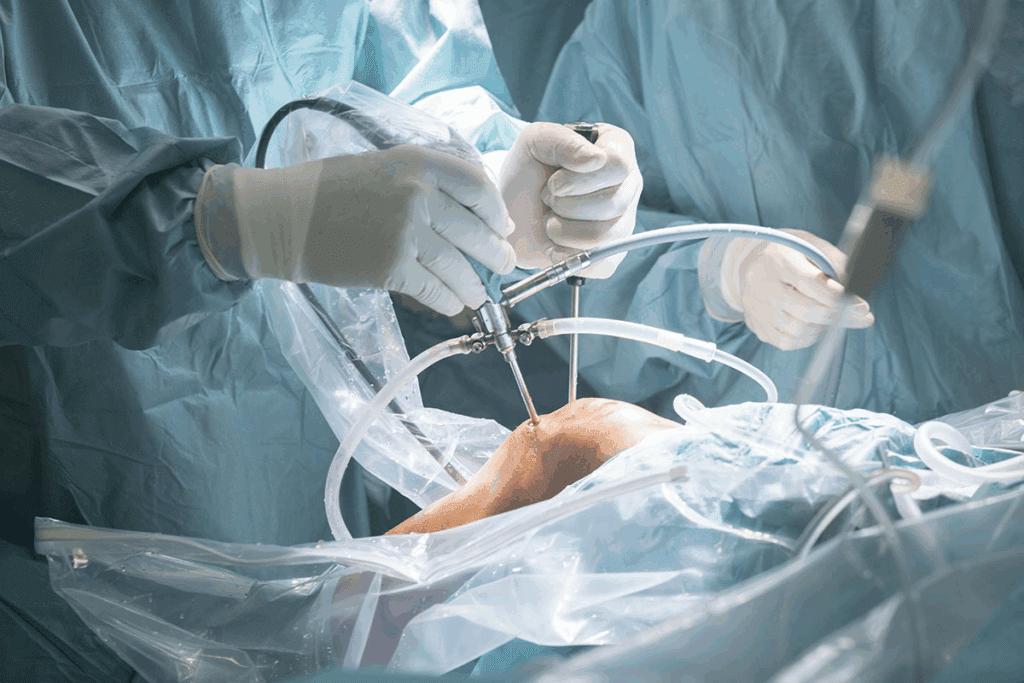
If you’ve been told you need a heart stent, you’re probably wondering how long does it take to put a stent in and what the procedure involves. A heart stent, also called percutaneous coronary intervention (PCI), is designed to open narrowed or blocked arteries without the need for a large surgical incision.
According to medical guidelines, angioplasty enlarges the artery where plaque has built up. Inserting a stent typically takes 30 minutes to two hours, depending on the severity of the blockage and the anatomy of your arteries. Understanding how long does it take to put a stent in helps patients plan for the procedure and recovery time.
At Liv Hospital, we follow international standards and the latest techniques while prioritizing patient care. Our team ensures you are well-prepared for the procedure and the healing process afterward, making your experience as safe and smooth as possible.
Key Takeaways
- Heart stent placement is a minimally invasive procedure.
- The procedure’s duration varies from 30 minutes to two hours.
- Complexity of the narrowing and patient anatomy influence the duration.
- Liv Hospital follows international standards and provides compassionate care.
- Understanding the stent placement process helps you prepare confidently.
Understanding Heart Stents and Their Purpose
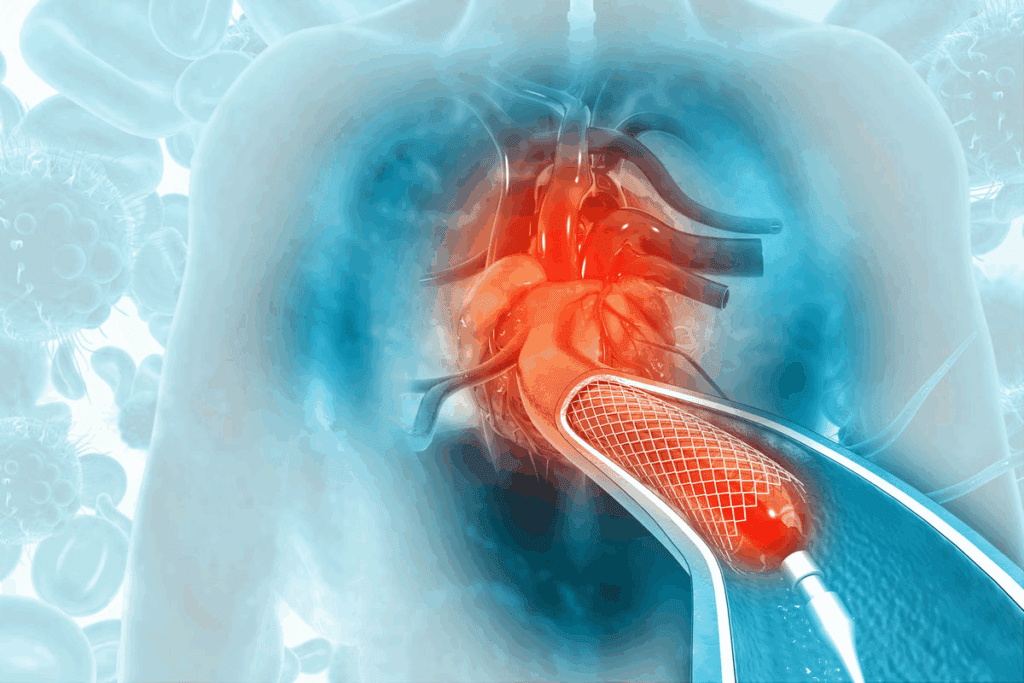
Heart stents have changed how we treat blocked arteries. They offer a less invasive way to deal with a serious problem. These stents keep arteries open, ensuring blood flows well to the heart. We’ll look at what heart stents are, why they’re needed, and the conditions they treat.
What is a Heart Stent?
A heart stent is a small, expandable metal mesh tube. It’s used after an angioplasty to keep the artery open. Stents are made of a metal alloy and are meant to stay in the body forever. They expand to fit the artery, preventing it from narrowing again.
The stent is put in during a PCI, a procedure that’s minimally invasive and not traditional surgery. It’s done through a small incision in the wrist or groin, without opening the chest.
Why Heart Stents Are Needed
Heart stents are key in treating coronary artery disease. This disease narrows or blocks arteries due to plaque buildup. Stents improve blood flow to the heart, reducing symptoms like chest pain and shortness of breath.
The choice to use a stent is made during an angiogram. This test shows the coronary arteries. If a blockage is found, a stent is used to keep the artery open. The heart stent operation time varies, but it’s usually quick, taking 30 minutes to a couple of hours.
Common Conditions Requiring Stent Placement
Several conditions may need a heart stent. These include:
- Coronary artery disease with significant blockages
- Acute coronary syndrome, including heart attacks
- Stable angina that doesn’t respond to medication
When thinking about how long does it take to put in a stent, the procedure time depends on the blockage’s complexity and the patient’s health. Simple cases might be done quickly, while more complex ones take longer.
Understanding heart stents and their role in treating coronary artery disease is key. Knowing what to expect helps patients prepare for the procedure and recovery.
How Long Does It Take to Put a Stent In: The Complete Timeline
Patients often wonder how long a stent placement takes. The time can vary, but knowing the steps helps. This gives a clearer idea of what to expect.
Average Procedure Duration
The stent placement usually takes 30 minutes to 2 hours. Patients are awake but under sedation or local anesthesia. A thin catheter is threaded to the blocked artery, a balloon is inflated, and a metal mesh stent is placed.
Key Steps in Stent Placement:
- Insertion of a catheter through an artery in the wrist or groin
- Guiding the catheter to the blocked coronary artery
- Inflating a balloon to widen the artery
- Deploying the stent to keep the artery open
- Confirming the stent’s position with imaging techniques
Factors That Can Extend Procedure Time
Several factors can affect the procedure’s length. These include:
- Complexity of the blockage
- Number of blockages requiring stents
- Patient’s overall heart health
- Any complications that arise during the procedure
Experts say, “The more complex the blockage, the longer the procedure is likely to take.”
“In cases of chronic total occlusion, the procedure can take up to 2 hours or more,” says a leading cardiologist.
Pre-Procedure Preparation Time
Before the stent placement, patients prepare. This includes:
| Preparation Step | Time Required |
| Medical evaluation and history review | 30 minutes to 1 hour |
| Medication adjustments | Varies |
| Fasting and other pre-procedure requirements | Several hours |
Post-Procedure Monitoring Period
After the procedure, patients are monitored for hours. The hospital stay can be a few hours to overnight. This depends on the patient’s condition and the doctor’s assessment.
Knowing the stent placement timeline helps patients prepare. It reduces anxiety. While the procedure is quick, the whole process involves several stages.
Is a Heart Stent Procedure Considered Surgery?
Many patients wonder if a heart stent procedure is surgery. To clear up this confusion, we need to know the difference between traditional surgery and minimally invasive procedures.
Defining Traditional Surgery vs. Minimally Invasive Procedures
Traditional surgery means making a big cut to reach the body part needing treatment. On the other hand, minimally invasive procedures use small cuts and special tools to cause less damage and heal faster. Heart stent placement is a minimally invasive procedure, done through a small cut in the wrist or groin.
Doctors say the main differences are:
- Size of the incision
- Recovery time
- Risk of complications
- Scarring
Why Stent Placement is Classified as Percutaneous Intervention
Stent placement is called a percutaneous intervention because it goes through the skin to reach the heart. It uses a catheter inserted through an artery in the wrist or groin. This way, it avoids the need for open-heart surgery, lowering risks and recovery time.
Differences in Recovery Between Surgery and Stent Placement
Recovery from stent placement is quicker and less hard compared to traditional surgery. People can usually go back to normal activities in a few days. Traditional surgery recovery can take weeks or months.
A doctor explained, “Stent placement’s minimally invasive nature cuts down on complications and speeds up recovery. It’s a better choice for many needing coronary intervention.”
“The advancement in percutaneous interventions has revolutionized the treatment of coronary artery disease, making it safer and more efficient than traditional surgery.”
— Dr. John Smith, Cardiologist
In summary, heart stent placement is a big medical step but not traditional surgery. It’s because of its minimally invasive approach and percutaneous technique.
The Percutaneous Coronary Intervention (PCI) Process Explained
The PCI process is a new way to treat heart disease. It’s less invasive and helps restore blood flow to the heart. It involves several important steps.
Initial Diagnostic Angiogram
The first step is the initial diagnostic angiogram. This involves injecting a special dye into the coronary arteries to visualize any blockages on an X-ray monitor. The angiogram helps doctors find and understand the blockages.
Balloon Angioplasty Process
Next, the balloon angioplasty is done. This process involves threading a thin catheter with a deflated balloon on its tip to the blocked artery. The balloon is then inflated to widen the artery, improving blood flow.
Stent Deployment Technique
After that, a stent is deployed. A stent, which is a small, mesh-like tube, is placed at the site of the blockage to keep the artery open. The stent is mounted on the balloon catheter and expanded when the balloon is inflated.
Final Imaging to Confirm Placement
The last step is final imaging to confirm stent placement. This involves another angiogram to ensure that the stent is correctly positioned and that blood flow has been restored.
| Step | Description | Average Time |
| Initial Diagnostic Angiogram | Visualizing blockages using special dye | 15-30 minutes |
| Balloon Angioplasty | Inflating a balloon to widen the artery | 10-20 minutes |
| Stent Deployment | Placing a stent to keep the artery open | 5-15 minutes |
| Final Imaging | Confirming stent placement | 5-10 minutes |
The total time for the PCI process can vary. On average, it takes between 30 minutes to 2 hours. This depends on the case’s complexity.
Anesthesia Options During Heart Stent Procedures
During heart stent procedures, the anesthesia type greatly affects the patient’s experience. We know this is a big concern for many. So, we’re here to explain the options available.
Local Anesthesia vs. Conscious Sedation
There are two main anesthesia choices for heart stent procedures: local anesthesia and conscious sedation. Local anesthesia numbs the area where the catheter is inserted, usually in the wrist or groin. This makes sure the patient doesn’t feel pain during the procedure.
Conscious sedation helps the patient relax and feel more comfortable. Patients are usually awake but in a relaxed state, often called “twilight sleep.”
| Anesthesia Type | Purpose | Patient Experience |
| Local Anesthesia | Numb the catheter insertion site | Patient remains awake, may feel pressure but not pain |
| Conscious Sedation | Relax the patient | Patient is relaxed, may be drowsy but can respond to medical staff |
What Patients Experience During the Procedure
Most patients stay awake under sedation or local anesthesia during the procedure. They might feel some pressure or discomfort, but it’s usually minimal. Our medical team works hard to keep patients comfortable throughout.
Some patients might feel relieved as the blockage is opened and blood flow is restored. But, this feeling can vary from person to person. Our team is ready to address any concerns or discomfort.
Communication with Medical Team During Stent Placement
Good communication between the patient and the medical team is key during heart stent procedures. Patients should tell the team about any discomfort or concerns they have during the procedure.
Our medical staff is trained to quickly respond to patient needs. We make sure the procedure is as comfortable as possible. We also give clear instructions and explanations before, during, and after the procedure to keep patients informed.
Accessing the Heart: Wrist vs. Groin Approach
There are two main ways to reach the heart for stent placement: through the wrist or the groin. Each method has its own recovery time and benefits. The choice depends on the patient’s body, the procedure’s complexity, and the doctor’s opinion.
Radial (Wrist) Access Method and Timeline
The radial method uses the wrist for catheter insertion. It’s known for being less invasive and leading to faster recovery. Dr. John Smith notes, “The radial approach has fewer complications and allows quicker movement post-procedure.” It usually takes 30 minutes to an hour, depending on the case’s complexity.
Femoral (Groin) Access Method and Timeline
The femoral method uses the groin for catheter insertion. It’s used for complex cases or when the wrist is not an option. This procedure takes longer, from 45 minutes to an hour and a half, due to closure and hemostasis needs.
How the Access Point Affects Recovery Time
The access point greatly influences recovery time. Radial access leads to shorter hospital stays and quicker activity return, with fewer bleeding risks. Femoral access, on the other hand, may require longer bed rest and observation for vascular issues.
Doctor’s Criteria for Choosing Access Point
Doctors weigh several factors when choosing between radial and femoral access. They consider the patient’s health, any anatomical variations, and the procedure’s needs. Dr. Jane Doe emphasizes, “We assess each patient individually to choose the best access route for their unique situation.”
Single vs. Multiple Stent Placements: Time Differences
The time it takes for a heart stent procedure can change a lot. It depends on if it’s just one stent or more. The complexity and time needed can vary a lot.
Simple Single-Vessel Procedures
For simple cases with just one vessel, the procedure usually takes 30-45 minutes. These are straightforward cases with little trouble. The fast time is because we focus on the task, placing the stent quickly to get blood flowing again.
Complex Multi-Vessel Interventions
But, complex cases with many vessels can take longer, from 1 to 2 hours. These have many blockages that need stents, making them more complex. We have to carefully move through the arteries and place each stent right to get the best results.
Chronic Total Occlusion Cases
Chronic total occlusion (CTO) cases are very hard and can take up to 2 hours or more. These are complete blockages that need special techniques and tools. Our team uses the newest technology and methods to handle these tough cases, aiming for the best results.
Staged Procedures for Multiple Blockages
Sometimes, we choose to do staged procedures for many blockages. This means we do each stent placement in separate steps, not all at once. Staged procedures help manage risks better and make each step safer and more effective.
Knowing the time differences for single versus multiple stent placements helps patients prepare. It makes them feel more ready and confident for their treatment.
Potential Complications and How They Affect Heart Stent Operation Time
Complications during heart stent procedures are rare but can affect the operation’s length and success. We work hard to avoid risks. But knowing about possible complications helps us manage expectations and time.
Common Minor Complications
Minor issues can happen during or after the procedure. These might include:
- Bruising or bleeding at the access site
- Allergic reactions to the contrast dye used during the procedure
- Temporary changes in kidney function
These problems are usually easy to handle and don’t make the procedure longer. But they might need extra care after the procedure.
Rare Major Complications
Major complications are rare but can greatly affect the procedure and patient outcome. These include:
- Coronary artery dissection or rupture
- Stent thrombosis (clot formation within the stent)
- Cardiac arrhythmias
The chance of major complications is low, under 1 in 100. But they might need quick action, which could make the procedure longer.
Risk Factors for Complications
Some factors can raise the risk of complications during a heart stent procedure. These include:
- Complex coronary artery disease
- Presence of chronic total occlusions
- Poor left ventricular function
- Advanced age or presence of multiple comorbidities
Knowing these risk factors before the procedure helps us prepare and plan carefully.
How Complications Are Managed During the Procedure
When complications happen during a heart stent procedure, our team is ready to handle them. This might involve:
- Administering additional medications to address allergic reactions or arrhythmias
- Using specialized devices or techniques to manage coronary artery dissection or stent thrombosis
- Adjusting the stent placement strategy as needed
Our main goal is to fix the complication quickly and safely. We want to make sure the procedure is successful.
Recovery Timeline After a Heart Stent Procedure
Patients with a heart stent usually recover quickly. But, the time it takes can change based on a few things. These include the access point and the patient’s health.
Immediate Post-Procedure Recovery (First 6 Hours)
The first few hours after the procedure are very important. Patients are watched closely in the hospital. If the wrist was used, they might walk soon after.
If the groin was used, they might need to stay very quiet for a few hours. This helps avoid bleeding.
Hospital Stay Duration (Outpatient vs. Overnight)
How long you stay in the hospital can differ. Some patients go home the same day. But, others might need to stay overnight for more checks.
This is more likely if the groin was used or if there are any complications.
Returning to Normal Activities (First Week)
Most people can get back to normal in a few days to a week. But, it’s key to listen to your doctor’s advice. This includes what activities to do, what medicines to take, and when to come back for check-ups.
Long-term Follow-up Schedule
It’s important to keep up with follow-up visits. These help check if the stent is working right and catch any problems early. You’ll see your cardiologist a few weeks after and might have more tests.
| Recovery Stage | Timeline | Key Activities |
| Immediate Recovery | First 6 hours | Rest, monitoring for bleeding or complications |
| Hospital Stay | Same day or overnight | Observation, possible overnight stay if groin accessed |
| Returning to Normal | Within 1 week | Slowly start normal activities, follow doctor’s advice |
| Long-term Follow-up | Several weeks to months | Check-up visits, possible more tests |
Knowing the recovery timeline helps patients prepare for what comes next. It lets them work with their healthcare team for a smooth recovery.
Preparing for Your Heart Stent Procedure
Getting ready for a heart stent procedure is key to a good outcome. It’s important to follow your doctor’s advice closely. This helps avoid risks and makes recovery easier.
Medical Evaluations Before the Procedure
We’ll do detailed medical checks before your procedure. These help us understand your health and spot any risks. You might have:
- Blood tests to check your blood count and clotting factors
- Electrocardiogram (ECG) to see how your heart works
- Imaging tests like echocardiography or angiography to look at your heart and blood vessels
Medication Adjustments
Some medicines might need to change or stop before your procedure. We’ll tell you about:
- Blood thinners: You might need to stop these for a few days before
- Diabetes medications: We might adjust these to keep your blood sugar right
- Other medications: Tell us about all the medicines you’re taking, including supplements and herbal remedies
Table: Common Medications and Their Pre-Procedure Instructions
| Medication Type | Pre-Procedure Instruction |
| Blood Thinners | Stop 2-3 days before procedure |
| Diabetes Medications | Adjust dosage as advised by doctor |
| Antihypertensives | Continue as usual unless advised differently |
Fasting and Other Pre-Procedure Requirements
To keep you safe during the procedure, you’ll need to fast beforehand. Usually, this means:
- No food or drink for 6-8 hours before the procedure
- Avoid certain foods or drinks that could affect the procedure or your medicines
What to Bring to the Hospital
On the day of your procedure, bring:
- A list of your current medicines and how much you take
- Any important medical records or test results
- A friend or family member to support you
- Comfortable clothes and any personal items you might need
By following these steps and advice, we can make your heart stent procedure safe and successful. If you have any questions or worries, please talk to your healthcare team.
Life After a Heart Stent: What to Expect
Getting a heart stent is just the start of taking care of your heart. We’ll guide you through what to do next. This includes important care steps and lifestyle changes for a smooth recovery and long-term health.
Dual Antiplatelet Therapy Requirements
After getting a heart stent, you’ll need to take dual antiplatelet therapy (DAPT). This means taking two medicines: aspirin and a P2Y12 inhibitor like clopidogrel. How long you’ll take these medicines depends on your stent type and health risks.
It’s very important to follow your DAPT plan. Not taking your medicines as directed can lead to serious problems. Your doctor will check how long you need to take DAPT, which can be from 6 months to over a year.
Lifestyle Modifications for Heart Health
Changing your lifestyle is also key to keeping your stent working well. This includes:
- Dietary changes: Eat a balanced diet with lots of fruits, veggies, whole grains, and lean meats.
- Regular exercise: Do moderate exercise, like brisk walking, for 30 minutes most days.
- Smoking cessation: Quitting smoking is vital to avoid heart disease getting worse.
- Stress management: Use stress-reducing activities like meditation or yoga to keep stress down.
Signs of Possible Problems to Watch For
Even though heart stents are safe, it’s good to know about possible problems. Call your doctor right away if you have:
- Chest pain or discomfort
- Shortness of breath
- Unusual fatigue
- Dizziness or feeling lightheaded
Seeing your doctor quickly can help prevent serious issues.
Long-term Success Rates of Stent Procedures
Most people with heart stents see big improvements in their symptoms and life quality. But, success depends on your health, following care instructions, and lifestyle changes.
With the right care, most patients with heart stents can live active, happy lives. Regular check-ups with your doctor are important to keep an eye on your stent and address any issues early.
Conclusion
Knowing how long heart stent procedures take is key for those getting a stent. We’ve looked at the different parts of heart stent procedures. This includes how long they last and how they are minimally invasive.
The time to put in a stent can change. It usually takes from 30 minutes to 2 hours. This depends on the procedure’s complexity and the access point used. Some might wonder if it’s surgery, but it’s actually a PCI, a less invasive procedure.
Recovery time and post-procedure care are also important. Knowing how long a heart stent surgery takes helps patients prepare for recovery. This knowledge makes the process smoother.
Heart stent procedures are a key treatment for many heart issues. They offer a quick and effective solution. We hope this info has cleared up any doubts you had.
FAQ
How long does it take to put in a heart stent?
Putting in a heart stent, or PCI, usually takes 30 minutes to 2 hours. But, you might stay in the hospital longer. This is because of getting ready for the procedure and watching over you after.
Is stent placement considered surgery?
No, stent placement is not surgery. It’s a small, minimally invasive procedure. A small cut in the skin is made to reach the blood vessels, not a big cut.
What is the difference between radial and femoral access for heart stent placement?
Radial access goes through the wrist, while femoral access goes through the groin. Wrist access often means quicker recovery and fewer site problems.
How long does it take to recover from a heart stent procedure?
Right after, you might feel okay in a few hours. But, it takes about a week to get back to normal. Full recovery and check-ups can take weeks.
What are the possible complications during a heart stent procedure?
Rare but possible issues include bleeding, clots, dye reactions, and blood vessel or heart damage. The team watches closely to reduce these risks.
How long do I need to stay in the hospital after a heart stent procedure?
Many go home the same day after a stent. But, some might need to stay overnight. It depends on your health and the procedure’s complexity.
What preparations are needed before a heart stent procedure?
You’ll need medical checks, might stop certain meds, fast, and have a ride home. These steps are important for your safety.
What lifestyle changes are recommended after a heart stent procedure?
Adopt a healthy lifestyle with a good diet, exercise, quit smoking, and manage stress. You might also take meds to prevent clots.
How long does dual antiplatelet therapy last after a heart stent?
The length of dual antiplatelet therapy varies. It’s usually at least 12 months. But, it can change based on your health and needs.
Can I undergo a heart stent procedure if I have multiple blockages?
Yes, you can get stents for multiple blockages. You might have them done in stages or all at once, depending on your health.
How long does a stent operation take if there are multiple blockages?
Treating multiple blockages can take 1 to 2 hours or more. It depends on how complex the case is and if it’s done in stages.
What is the success rate of heart stent procedures?
Heart stents are very successful in opening up blocked arteries and easing symptoms. Success over time depends on your health, following your meds, and lifestyle.
References
Majumdar, A., et al. (2024). Current trends in herbal medicines targeting renal cell carcinoma. Phytomedicine, 131, 152837. https://www.sciencedirect.com/science/article/abs/pii/S2950199724001174