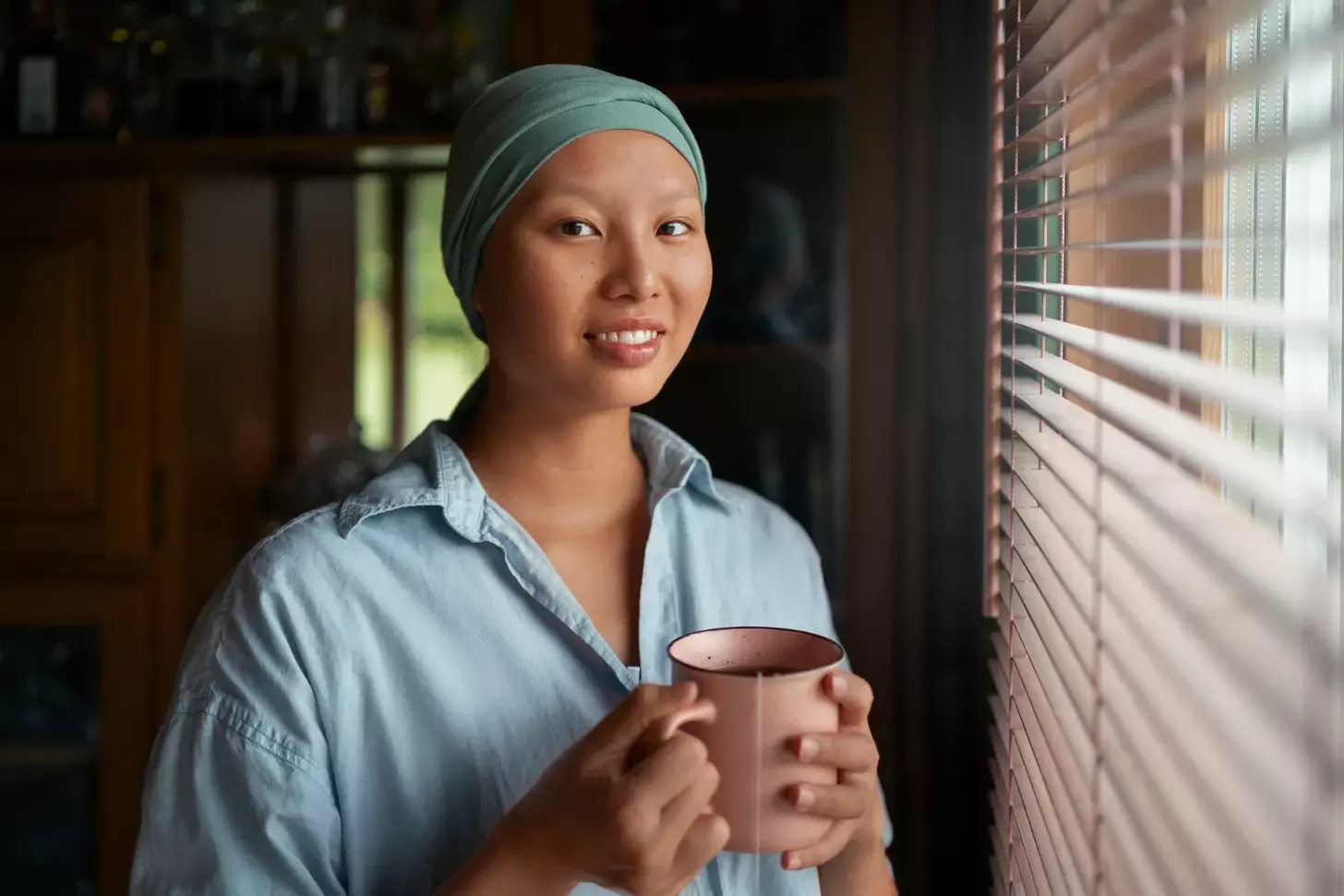
Finishing chemotherapy is a big step in fighting cancer. But, it’s just the start of getting better. At Liv Hospital, we know you might wonder what comes next. Usually, people start feeling like themselves again in six to twelve months after chemo ends.
How long it takes to get better can change based on a few things. These include how long you were in treatment and your health. We help you understand what happens next, from the end of treatment to the rest of your journey with cancer.
Key Takeaways
- Recovery from chemotherapy typically takes six to twelve months.
- The duration of treatment and overall health impact the recovery timeline.
- Patients can expect to regain normalcy gradually after the last treatment.
- Comprehensive care and support are key during recovery.
- Liv Hospital offers patient-focused care and high medical standards for cancer recovery.
Understanding the Chemotherapy Recovery Process
The recovery from chemotherapy is different for everyone. It’s not just when treatment ends. It’s a journey of getting back to normal, which includes physical, emotional, and sometimes mental healing.
What Defines “Recovery” After Chemotherapy
Recovery after chemotherapy means more than just beating cancer. It’s about getting back to your usual life and feeling good again. It’s a complete process that helps you regain strength, deal with emotional issues, and even rebuild your mind.
We say you’ve recovered when you can do your daily tasks, handle any side effects, and feel independent again. How long this takes varies. It depends on your health, the type of chemotherapy, and how well you respond to it.
Factors That Influence Recovery Time
Many things can affect how long it takes to recover from chemotherapy. These include:
- The type and length of chemotherapy
- Your overall health and any other health issues
- How well you respond to treatment
- Any side effects that last
Studies show that about two months of recovery are needed for every month of treatment. This helps set realistic goals for getting better.
| Factor | Influence on Recovery Time |
|---|---|
| Type and Duration of Chemotherapy | Longer or more intense treatments need more time to recover. |
| Patient’s Overall Health | Those in better health usually recover faster. |
| Response to Treatment | Good results from treatment can speed up recovery. |
Knowing these factors helps doctors and patients plan better care after treatment. This makes the recovery smoother and more successful.
How Long Does It Take to Get Over Chemo: Typical Timelines
Knowing how long it takes to recover from chemotherapy is key for patients. Every person’s recovery is different, but there are general guidelines. These can give insight into what to expect during the recovery period.
The 6-12 Month General Recovery Window
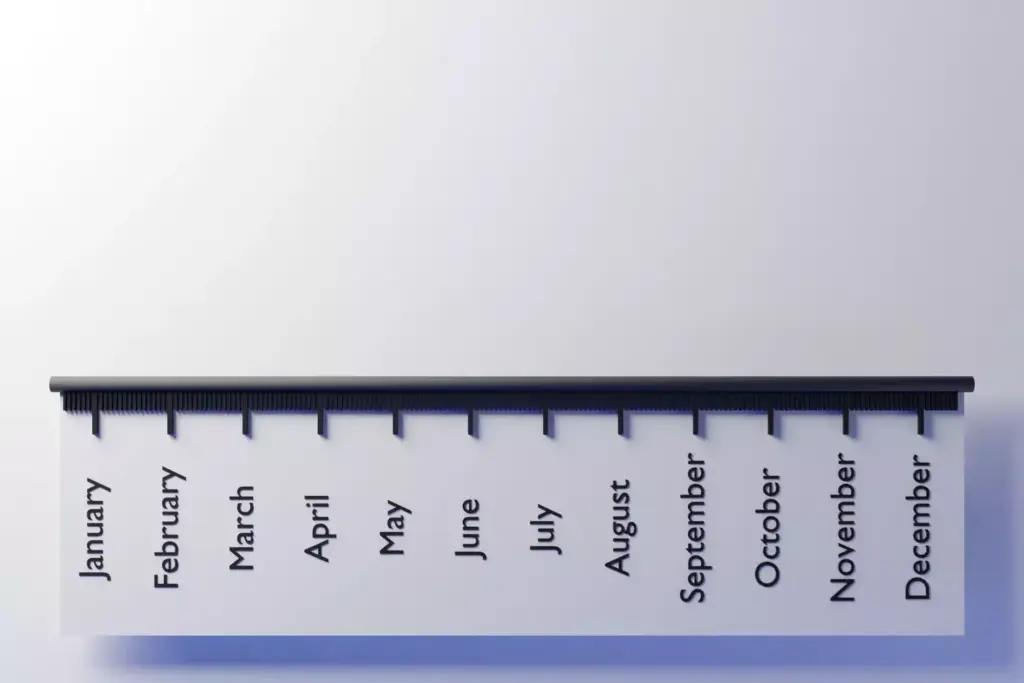
Most patients start to feel better six to twelve months after chemo. This time lets the body heal from treatment. Patients may see their health improve and side effects lessen over time.
The “Two Month Rule” of Recovery
There’s a simple rule: for every month of chemo, it takes about two months to recover. This helps estimate recovery time based on chemo duration. For instance, three months of chemo might mean six months to get back to normal.
Individual Variation in Recovery Time
Recovery times vary a lot among people. Things like the type of chemo, health, age, and other conditions affect recovery speed. Some get better fast, while others need more time.
Recovery is not the same for everyone. Our healthcare team gives personalized care and support. We address any concerns or complications that come up.
Immediate Post-Treatment Phase: The First Few Weeks
The last day of chemotherapy is a big milestone. But it’s just the start of your recovery journey. You might face physical and emotional challenges after treatment. Knowing what to expect can help you get through this tough time.
What to Expect on Your Last Day of Chemotherapy
On your last day, you might feel tired, nauseous, and experience hair loss. Having a support system is key. This could be family, friends, or a healthcare professional.
Managing Your Last Day:
- Plan for rest and recovery
- Have a caregiver available for support
- Follow your healthcare team’s guidance on post-treatment care
The First 30 Days After Treatment Ends
The first 30 days are vital for recovery. Your body starts to heal, and some side effects may lessen. But, you might feel tired, have brain fog, or feel emotionally changed.
Key Considerations:
- Monitor your health closely for any signs of complications
- Gradually resume normal activities as advised by your healthcare team
- Maintain a healthy diet and stay hydrated
Managing Lingering Side Effects
Dealing with side effects after chemotherapy is important. This might involve medical treatments, lifestyle changes, and alternative therapies.
| Side Effect | Management Strategies |
|---|---|
| Fatigue | Rest, gentle exercise, nutritional support |
| Cognitive Fog | Cognitive training, memory aids, stress management |
| Emotional Changes | Counseling, support groups, mindfulness practices |
Physical Recovery After Chemotherapy
Recovering from chemotherapy takes time, patience, and a detailed plan. We must tackle the physical hurdles that come with it. This ensures a full recovery and a return to health and wellness.
Managing Persistent Fatigue
Chemotherapy often leaves patients feeling extremely tired. This tiredness can last for months. It’s key to manage this fatigue well to regain strength and improve life quality. To do this, pace yourself, do gentle exercises, and get enough rest.
“Fatigue is a big challenge after chemotherapy and can take months to get better,” says experts. It’s important to work with doctors to find the best ways to handle it.
Hair, Skin, and Nail Regeneration
Chemotherapy can cause hair loss, dry skin, and nail issues. But, these problems usually go away over time. Hair usually grows back within a few months, but it might be finer or different. Skin and nail health can also improve with the right care, like moisturizing and protecting from the sun.
Digestive System Recovery
Chemotherapy can mess with digestion, causing nausea, bowel changes, and taste issues. Slowly adding a balanced diet, staying hydrated, and avoiding certain foods can help. Eating small meals often and getting advice from a dietitian is also helpful.
Immune System Rebuilding
Chemotherapy weakens the immune system, making infections harder to fight. To rebuild immunity, practice good hygiene, avoid infections, and follow health advice. Regular check-ups are key to tracking immune recovery and overall health.
Every person’s recovery from chemotherapy is different. By focusing on these recovery areas and working with healthcare teams, patients can improve their strength and wellness.
Cognitive and Emotional Recovery
Recovering from chemotherapy is more than just getting better physically. It also means getting your mind and emotions back on track. Patients face many challenges that affect their daily lives and overall health.
Addressing “Chemo Brain” and Cognitive Fog
“Chemo brain” or cognitive fog is a common issue after chemotherapy. It makes it hard to focus, remember things, and process information. This can be really frustrating and make everyday tasks harder.
Strategies to manage “chemo brain” include:
- Cognitive training: Doing activities that challenge your brain, like puzzles or learning something new.
- Organizational tools: Using calendars, reminders, and lists to stay organized.
- Physical exercise: Regular exercise can help improve your brain function.
Emotional and Psychological Healing
Emotional and psychological healing is key to recovery. Patients may feel many emotions, from anxiety and depression to relief and gratitude. It’s important to address these emotional needs.
Support mechanisms for emotional healing include:
- Counseling or therapy: Getting professional help to deal with emotional challenges.
- Support groups: Connecting with others who have gone through similar experiences.
- Family and friends: Building a strong support network of loved ones.
Returning to Normal Social Activities
Getting back to normal social activities is a big step in recovery. This can mean going back to work, doing hobbies, or attending social events. It’s important to listen to your body and pace yourself.
| Activity | Tips for Resuming | Benefits |
|---|---|---|
| Returning to Work | Start with part-time hours, discuss accommodations with your employer. | Regaining a sense of purpose, financial stability. |
| Engaging in Hobbies | Begin with activities that bring joy and are not overly strenuous. | Improves mental health, provides relaxation. |
| Social Events | Start small, such as meeting a friend for coffee. | Rebuilds social connections, enhances emotional well-being. |
Support Resources for Emotional Recovery
Finding the right support is essential for emotional recovery. This can include professional counseling, support groups, and online resources. We encourage patients to explore these options to find what works best for them.
Additional resources include:
- Online forums and communities: Connecting with others who have experienced chemotherapy.
- Mindfulness and relaxation techniques: Practices such as meditation and deep breathing.
- Educational materials: Books, articles, and websites providing information on recovery and wellness.
Long-Term Side Effects and Their Management
The journey doesn’t end after the last chemotherapy session. Patients must navigate long-term side effects. While many side effects of chemotherapy diminish over time, some patients may experience persistent or late-appearing effects.
Understanding these long-term side effects is key for effective management. This improves quality of life. We will explore common long-term side effects and discuss strategies for managing them.
Peripheral Neuropathy
Peripheral neuropathy is a common long-term side effect of certain chemotherapy drugs. It involves damage to the peripheral nerves. This causes symptoms such as numbness, tingling, and pain in the hands and feet.
Managing Peripheral Neuropathy: Treatment options include medications to alleviate pain and discomfort. Physical therapy can improve mobility. Lifestyle changes can also reduce symptom severity.
Cardiac and Lung Effects
Chemotherapy can have significant effects on the heart and lungs. This can lead to long-term complications. Cardiac effects may include decreased heart function. Lung effects can involve fibrosis or inflammation.
Monitoring and Management: Regular follow-up with a healthcare provider is essential. Patients may need to undergo tests such as echocardiograms or pulmonary function tests to assess their condition.
Fertility and Hormonal Changes
Chemotherapy can impact fertility and hormonal balances, affecting both men and women. The extent of these effects depends on the type and dose of chemotherapy. It also depends on the patient’s age and overall health.
Options for Managing Fertility Changes: Patients concerned about fertility may consider options such as sperm or egg freezing before undergoing chemotherapy. Hormonal changes can often be managed with hormone replacement therapy or other medications.
Risk of Secondary Cancers
One of the most significant long-term risks associated with chemotherapy is the development of secondary cancers. Certain chemotherapy drugs can increase this risk. Ongoing monitoring is critical.
| Secondary Cancer Risk Factors | Description | Management Strategies |
|---|---|---|
| Type of Chemotherapy | Some chemotherapy drugs have a higher risk of causing secondary cancers. | Regular follow-up and monitoring |
| Dose and Duration | Higher doses and longer treatment durations can increase the risk. | Personalized treatment planning |
| Patient’s Age and Health | Older patients or those with pre-existing health conditions may be at higher risk. | Comprehensive health assessments |
By understanding the long-term side effects of chemotherapy, patients can better manage them. Working closely with their healthcare team improves overall quality of life.
Post-Chemotherapy Medical Follow-Up
After chemotherapy, regular check-ups are key in cancer care. These visits help patients stay healthy and manage long-term effects. They are a critical part of recovery.
Typical Follow-Up Schedule
The schedule for follow-up care varies. It depends on the cancer type, stage, and treatments. Generally, patients see their oncologist often in the first year.
- Frequent visits to their oncologist in the first year, often every few months
- Regular imaging tests (e.g., CT scans, MRI) to monitor for cancer recurrence
- Blood tests to check for tumor markers or other indicators of health
- Physical examinations to assess overall health and detect any possible issues early
Monitoring for Cancer Recurrence
Monitoring for cancer return is a main goal. This includes:
- Regular imaging tests to detect any signs of cancer returning
- Tumor marker tests to monitor for specific proteins or genetic changes associated with the original cancer
- Physical exams and patient-reported symptoms to identify any possible issues
Early detection of recurrence can significantly impact treatment options and outcomes.
Managing Late-Appearing Side Effects
Some side effects may show up months or years later. These can include:
- Peripheral neuropathy, or nerve damage, causing numbness or pain
- Cardiac issues, such as heart failure or arrhythmias
- Cognitive changes, often referred to as “chemo brain”
Managing these side effects is important for quality of life. Patients should report any new or worsening symptoms to their healthcare team promptly.
Communication with Your Healthcare Team
Good communication with your healthcare team is essential. Patients should:
- Keep a record of their symptoms, treatments, and any concerns
- Ask questions about their follow-up schedule and what to expect
- Report any changes in their health or new symptoms
By staying proactive and communicative, patients can manage the post-chemotherapy phase well. They can address challenges and focus on their long-term health and well-being.
Next Treatment Options After Chemotherapy
After chemotherapy, patients face a new step in their cancer treatment. The next treatment depends on the cancer type, stage, and the patient’s health.
Surgery Following Chemotherapy
Surgery is often used after chemotherapy. It aims to remove any remaining cancer cells or tumors. The goal is to eliminate the cancer and prevent it from coming back. Surgery can also relieve symptoms and improve quality of life.
Radiation Therapy as Follow-Up
Radiation therapy kills cancer cells with high-energy rays. It may be used after chemotherapy to target remaining cancer cells. Radiation therapy can be external or internal, depending on the cancer type and location.
Targeted Therapy and Immunotherapy Options
Targeted therapy and immunotherapy are advanced treatments after chemotherapy. Targeted therapy uses drugs that target cancer cells, sparing healthy cells. Immunotherapy boosts the body’s immune system to fight cancer better.
Maintenance Therapies
Maintenance therapies keep cancer in remission and prevent recurrence. These therapies include medications, hormonal therapy, or treatments tailored to the patient’s needs.
Understanding the next treatment options after chemotherapy is key for patients. By talking to their healthcare team, patients can make informed decisions. This helps them navigate their cancer treatment journey and achieve the best outcomes.
Rebuilding Physical Strength and Wellness
After finishing chemotherapy, it’s key to focus on getting stronger. This involves safe exercises, good nutrition, enough sleep, and sometimes, extra therapies.
Safe Exercise After Chemotherapy
Starting with gentle activities like walking or yoga is a good first step. As you get stronger, you can do more. Always talk to your doctor before starting any new exercise.
Benefits of Exercise Post-Chemotherapy:
- Improves physical strength and endurance
- Enhances overall well-being
- Reduces the risk of cancer recurrence
- Helps manage treatment-related side effects
Nutrition for Recovery
Eating right is very important for healing. Focus on foods rich in nutrients like fruits, veggies, whole grains, lean proteins, and healthy fats. Drinking plenty of water is also key.
| Nutrient | Food Sources | Benefits |
|---|---|---|
| Protein | Lean meats, fish, eggs, beans | Repairs tissues, builds strength |
| Fiber | Fruits, vegetables, whole grains | Supports digestive health |
| Omega-3 Fatty Acids | Fatty fish, nuts, seeds | Reduces inflammation |
Sleep and Rest Strategies
Getting enough sleep and rest is vital. Try to sleep at the same time every night and make your bedroom comfy. Avoid caffeine and screens before bed.
For more tips on cancer-related tiredness, check out other resources. They offer helpful advice on dealing with this common side effect.
Complementary Therapies for Recovery
Therapies like meditation, acupuncture, and massage can help too. They help reduce stress and make you feel better. Always talk to your doctor about these options.
Returning to Work and Daily Activities
As you near the end of your chemotherapy treatment, returning to work and daily activities is a big milestone. This transition is both exciting and challenging. The time it takes to go back to work varies a lot. It depends on your job, health, and the type of chemotherapy.
Timeline for Resuming Work
Deciding when to go back to work depends on your health and talking to your doctor. Some people want to go back to work soon after treatment. Others need more time to get better. It’s important to listen to your body and not rush back too quickly.
| Factors Influencing Return to Work | Description |
|---|---|
| Physical Health | Your overall physical condition and any lingering side effects from chemotherapy. |
| Nature of Job | Whether your job is physically demanding or mainly desk-based. |
| Support System | The level of support you have from family, friends, and your employer. |
Accommodations and Workplace Rights
Knowing your workplace rights and possible accommodations is key when going back to work after chemotherapy. Many places have laws that protect employees with health issues. These laws require employers to make reasonable changes.
Key Rights and Accommodations:
- Flexible working hours to accommodate fatigue or medical appointments.
- Modifications to your workspace to reduce physical strain.
- Temporary reassignment of tasks to less demanding duties.
Pacing Yourself During Recovery
Pacing yourself is very important during recovery. It’s easy to get too excited about going back to normal activities. But, overdoing it can cause setbacks. We suggest slowly increasing your activities and listening to your body.
Setting Realistic Expectations
Setting realistic expectations is key for a smooth transition back to work and daily activities. Understand that you might not immediately be as energetic or productive as before. Being open with your employer and colleagues about your needs and limits can help create a supportive environment.
By understanding what affects your return to work, knowing your rights, pacing yourself, and setting realistic expectations, you can confidently move forward in your recovery journey.
Conclusion: Embracing Life After Chemotherapy
As we wrap up this guide on recovering from chemotherapy, patients and their loved ones now know more about the journey ahead. Life after chemotherapy means facing challenges and celebrating progress. It leads to a new, better way of living.
We urge patients to keep learning about their recovery. They should seek help when they need it and work on getting stronger and healthier. This way, they can handle their recovery better and enjoy life more after chemotherapy.
Understanding recovery fully, from dealing with side effects to getting physically strong, helps patients take charge of their health. As they move forward, they can look forward to a new normal. This new normal will be shaped by their experiences and strengthened by their resilience.
How long does it typically take to recover from chemotherapy?
Patients usually start feeling better six to twelve months after treatment ends. But, recovery time can change based on treatment length and health.
What is the “two month rule” of recovery from chemotherapy?
There’s a rule saying patients need about two months to recover for every month of chemo. This helps set realistic recovery expectations.
What can I expect on my last day of chemotherapy?
Your last chemo day is a big milestone. But, you might face lingering side effects, both physical and mental.
How do I manage lingering side effects after chemotherapy?
Managing side effects means tackling fatigue, hair and skin changes, and rebuilding your immune system. We offer tips to help you overcome these challenges.
What is “chemo brain” and how can I address it?
“Chemo brain” is a common issue after chemo. To deal with it, try cognitive training, memory aids, and staying mentally active.
What are the possible long-term side effects of chemotherapy?
Long-term side effects can include nerve damage, heart and lung issues, fertility changes, and a higher risk of new cancers.
What is the typical follow-up schedule after chemotherapy?
After chemo, you’ll have regular check-ups. These are to watch for cancer return, manage side effects, and keep in touch with your healthcare team.
What are the next treatment options after chemotherapy?
Next steps depend on your cancer type and stage. Options might include surgery, radiation, targeted therapy, immunotherapy, or maintenance treatments.
How can I rebuild my physical strength and wellness after chemotherapy?
To regain strength, start safe exercises, eat well, get enough sleep, and try complementary therapies.
When can I return to work and daily activities after chemotherapy?
Going back to work varies by person. Consider your rights, pace yourself, and set realistic goals for a smooth return.
How long does it take to get over chemo fatigue?
Chemo fatigue can last a while. It usually gets better with rest, exercise, and good nutrition.
Can I experience a recurrence of cancer after chemotherapy?
Regular check-ups are key to catch cancer return early. We talk about the importance of these visits and managing recurrence.


 Departments
 Related Videos
 Our Doctors
 News
News