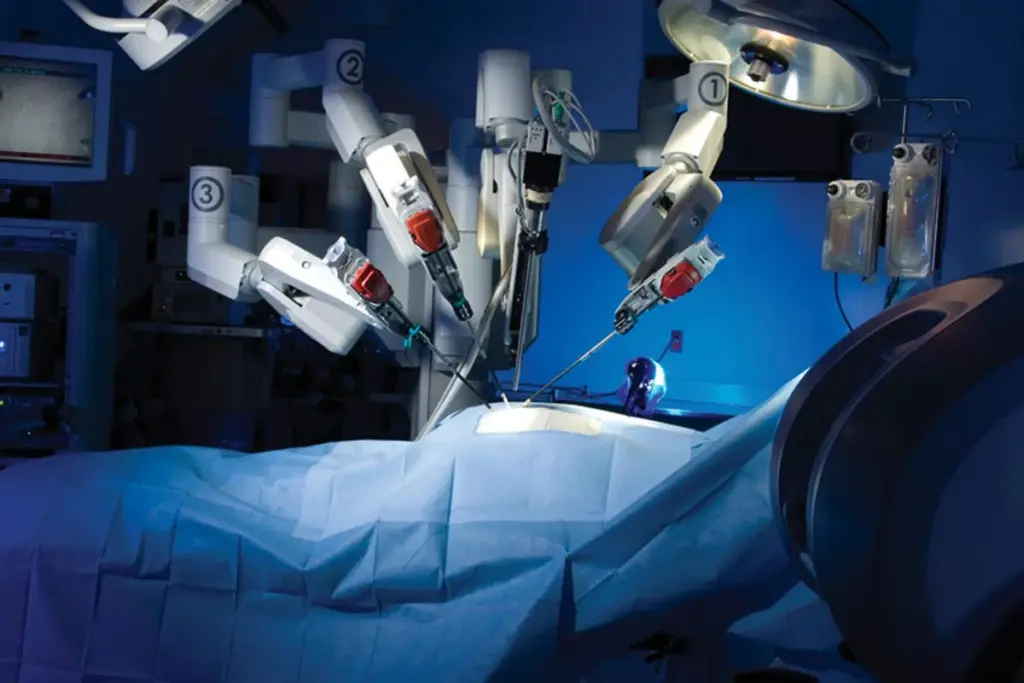
Robotic surgery has changed the medical world, with over 1.2 million procedures done globally in 2022. More people are choosing this less invasive method.
As a patient, getting ready for robotic surgery procedures is key for a good experience. This article will help you understand what to do and what to expect. It aims to make your treatment as smooth as possible.
Key Takeaways
- Understanding the benefits and risks of robotic surgery
- Pre-operative preparations to ensure a smooth procedure
- What to expect during the recovery process
- Tips for a successful outcome
- Importance of following your doctor’s instructions
Understanding Robotic Surgery: An Overview
Robotic surgery is a big step forward in medical tech. It gives patients the chance for less invasive surgeries. This new way of surgery has changed the game, bringing many benefits over old methods.
What is Robotic Surgery?
Robotic surgery, or robot-assisted surgery, lets surgeons do complex tasks with better precision and control. The system has a console for the surgeon and robotic arms for the surgery.
Benefits of Robotic Surgery Over Traditional Methods
Robotic surgery has smaller incisions, which means less blood loss and lower infection risk. Patients usually feel less pain after and recover faster than with open surgery. It also gives greater precision and improved dexterity for surgeons.
Common Types of Robotic Surgery Procedures
Robotic surgery is used in many fields like urology, gynecology, and cardiothoracic surgery. Procedures include robotic prostatectomy, hysterectomy, and mitral valve repair. Robotic systems can handle a variety of surgeries, making them less invasive.
Knowing about robotic surgery helps patients see its benefits. It helps them make better choices for their surgery.
The Evolution and Safety of Robotic Surgery Technology
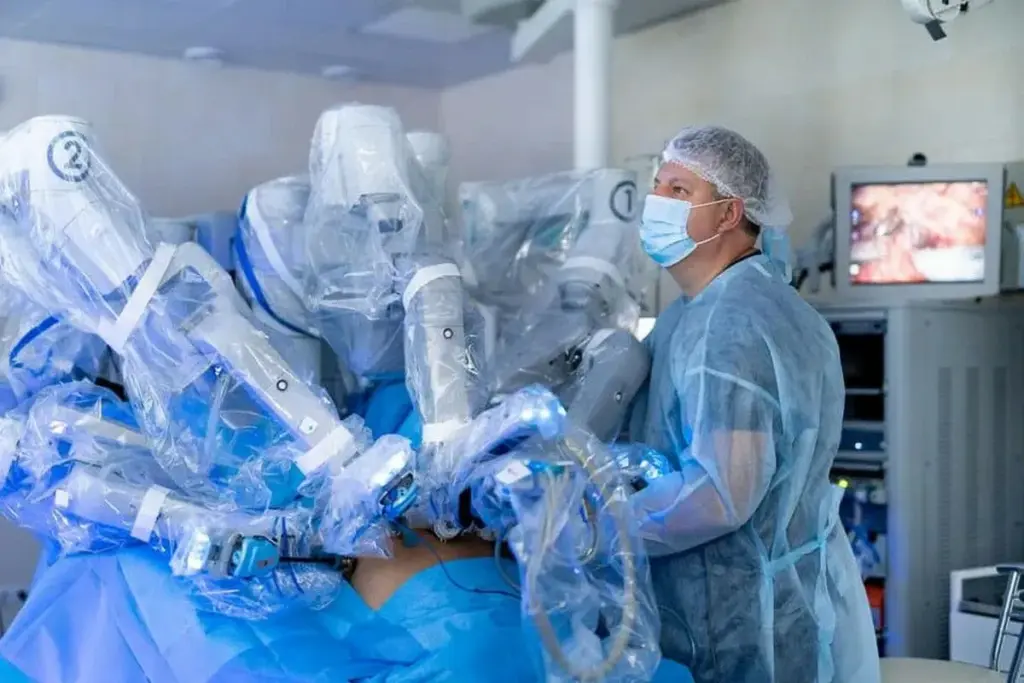
Robotic surgery technology has made big strides over the years. It has changed how we do surgery today. This change has made surgeries more precise and better for patients.
History and Development of Surgical Robots
The idea of robotic surgery started in the 1990s. The first system, RoboDoc, was for orthopedic surgeries. Later, the da Vinci Surgical System came along. It set a new standard in robotic surgery.
Current Robotic Systems Used in Modern Surgery
Now, many robotic systems are used in surgeries. They help with urological, gynecological, and cardiothoracic surgeries. These systems make surgeries more precise and easier to do.
Safety Record and Success Rates
Robotic surgery is very safe, with few complications. Its success rates are often better than traditional surgery. As the tech gets better, we’ll see even better results for patients.
Common Robotic Surgery Procedures
Robotic surgery is changing healthcare by making surgeries more precise and less invasive. This technology lets surgeons do complex procedures with better accuracy and less harm.
Robotic Hernia Repair
Robotic hernia repair is a new way to fix hernias with less harm. It uses a robotic system to help the surgeon. This method makes placing mesh more precise and lowers the chance of problems.
A study in the Journal of Surgical Research shows it causes less pain and faster recovery than old methods.
Robotic Lung Surgery
Robotic lung surgery helps with lung issues like cancer. The robotic system gives a high-definition 3D view of the area. This helps surgeons do detailed work with more precision.
“Robotic technology in lung surgery has greatly improved results by lessening body trauma,” says a thoracic surgeon.
Gynecological Robotic Procedures
Gynecological robotic surgeries treat issues like fibroids and endometriosis. The robotic system helps with precise cutting and stitching. This reduces the chance of problems.
A study showed robotic surgeries in gynecology lead to shorter stays and less blood loss.
Urological and Prostate Robotic Surgeries
Urological and prostate surgeries are becoming more common because they’re less invasive. Robotic prostatectomy, for example, improves nerve care and lowers incontinence risk. The table below compares robotic and traditional prostate surgeries.
|
Procedure |
Robotic Surgery |
Traditional Surgery |
|---|---|---|
|
Hospital Stay |
1-2 days |
2-4 days |
|
Blood Loss |
Minimal |
Significant |
|
Recovery Time |
2-4 weeks |
6-8 weeks |
As robotic technology gets better, more procedures will be available. This means patients will have more options for less invasive surgeries.
How Long Does Robotic Hernia Surgery Take?
The time it takes for robotic hernia surgery depends on several things. These include the type of hernia and the patient’s health. Robotic surgery is advanced and offers many benefits over older methods.
Average Duration for Different Types of Hernia Repairs
The time for robotic hernia surgery varies by hernia type. For example, fixing an inguinal hernia usually takes 1 to 2 hours. Ventral hernia repairs can take 2 to 3 hours. The surgeon’s skill and the robotic system used also play a role.
Factors That May Affect Surgery Duration
Several things can change how long robotic hernia surgery lasts. These include:
- The complexity of the hernia
- The patient’s overall health and any previous surgeries
- The surgeon’s experience with robotic systems
- The specific technique or robotic system used
Knowing these factors helps patients prepare and understand what to expect.
Comparison to Traditional Hernia Surgery Times
Robotic hernia surgery is often faster than traditional methods. While open surgery might be quicker, robotic surgery has its own advantages. It’s less invasive, leading to quicker recovery times, even if the surgery is longer.
In summary, robotic hernia surgery times can vary. But understanding what affects these times helps patients prepare better. The benefits of robotic surgery, like faster recovery and less pain, make it a good choice for many.
Pre-Surgery Consultation and Evaluation
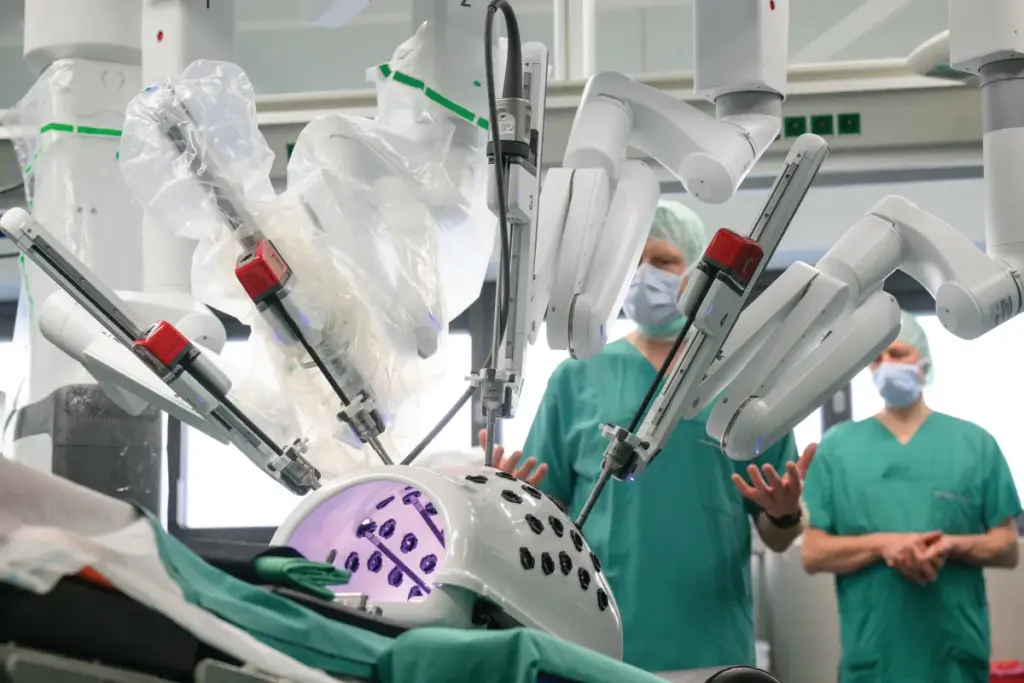
The journey to robotic surgery starts with a detailed pre-surgery consultation and evaluation. This important step makes sure you and your surgeon are ready for the surgery. It helps reduce risks and improve results.
Initial Consultation with Your Surgeon
Your surgeon will check if robotic surgery is right for you during the first meeting. You’ll talk about your health history, your condition, and the surgery details. It’s key to share your health and any worries you have.
Required Medical Tests and Evaluations
Your surgeon will ask for several medical tests to check your health and condition. These might include blood tests, imaging studies, and more. The test results will help your surgeon plan the surgery just for you.
Discussing Your Medical History and Medications
Talking about your medical history and current medications is vital during your consultation. Some medications might need to be changed or stopped before surgery. Your surgeon will guide you on managing your meds before the surgery.
Questions to Ask Your Surgeon Before Robotic Surgery
Writing down questions for your surgeon can make sure you know everything. Ask about their robotic surgery experience, what recovery is like, and possible risks. Knowing all this will make you feel more ready and confident for your surgery.
Physical Preparation in the Weeks Before Surgery
In the weeks before your robotic surgery, making healthy choices can help your body heal better. It’s important to prepare physically for a smooth recovery.
Dietary Guidelines and Nutritional Considerations
Eating a balanced diet full of nutrients is key before surgery. Eat lots of fruits, vegetables, whole grains, and lean proteins. This will give your body what it needs to recover.
Nutritional Tips:
- Drink plenty of water to stay hydrated.
- Avoid too much sugar and processed foods.
- Get advice from a nutritionist for your specific needs.
Exercise Recommendations to Improve Recovery Outcomes
Doing gentle exercises can boost your health and strength. Walking, yoga, or light stretching are good options. But, avoid hard exercises that could hurt your body.
Smoking and Alcohol Cessation
Smoking and drinking too much alcohol can harm your recovery. Try to stop smoking and drink less in the weeks before surgery.
Preparing Your Home for Post-Surgery Recovery
Make your home comfortable and safe for recovery. Here are some tips:
|
Preparation |
Description |
|---|---|
|
Clear Pathways |
Remove tripping hazards and clear pathways to facilitate easy movement. |
|
Comfortable Resting |
Ensure you have a comfortable place to rest with necessary amenities within reach. |
|
Essential Supplies |
Stock up on essentials like water, non-perishable food, and any prescribed medications. |
Medication Management Before Robotic Surgery
Proper medication management is key before robotic surgery. It ensures a safe and successful procedure. It’s important to know how your current medications might affect your surgery and recovery.
Medications to Avoid Before Surgery
Certain medications can raise the risk of bleeding or interact with anesthesia. Blood thinners like warfarin and antiplatelet drugs like aspirin should be stopped a few days before. It’s vital to tell your surgeon about all medications, including supplements and herbal remedies.
Managing Chronic Medications
If you have chronic conditions, managing your medications before surgery is essential. For diabetes, your doctor might adjust your medication schedule. For hypertension, your medication regimen might need tweaking to ensure stable blood pressure during surgery. Always consult with your healthcare provider about managing your chronic medications before robotic surgery.
When to Start Fasting Before the Procedure
Fasting before surgery is a common practice to prevent complications related to anesthesia. You’ll be asked to stop eating and drinking a certain number of hours before your surgery. Your healthcare team will give you specific instructions based on your surgery schedule and individual needs.
Pre-surgery Shower and Skin Preparation
Pre-surgery skin preparation is key to reduce the risk of infection. You might be told to shower with a special antiseptic soap the night before or morning of your surgery. It’s important to keep your skin clean and free of lotions or oils for the success of your robotic surgery.
What to Expect on the Day of Robotic Surgery
Knowing what to expect on the day of your robotic surgery can make you feel less anxious. It helps you prepare better.
Arrival and Check-in Procedures
When you arrive, go to the registration area. Have your ID and insurance ready. Then, you’ll change into a hospital gown in the pre-operative area. Make sure to follow the hospital’s instructions about when to arrive and what to prepare.
Pre-operative Preparation
In the pre-operative area, your team will get you ready for surgery. They’ll check your identity, review your medical history, and give you any needed medications. They will also explain the surgery and answer any questions you have.
Anesthesia Administration
An anesthesiologist will give you anesthesia before surgery. This makes sure you’re comfortable and won’t feel pain during the procedure. The type of anesthesia depends on your surgery and health.
The Operating Room Environment
The operating room has the latest technology, including the robotic surgical system. The team is well-trained to use this equipment. The room is designed to reduce infection risk and improve efficiency. The robotic system’s high-definition visualization and precision instruments allow for complex procedures with minimal invasion.
By knowing these steps, you can better prepare for your robotic surgery. This reduces anxiety and makes the experience smoother.
Understanding Robotic Surgery Incisions and Technique
Robotic surgery is known for its precision and small incisions. It uses several small cuts for the robotic arms. This makes the surgery less invasive.
Size and Placement of Robotic Surgery Incisions
The size and where the incisions are made are very important. They are usually 0.5 to 1 cm long. This helps in making less scarring and faster healing.
How the Robotic System Works During Surgery
The robotic system turns the surgeon’s hand movements into precise actions. This advanced technology lets for detailed procedures with less invasion.
The Surgeon’s Role During Robotic Procedures
The surgeon controls the robotic system from a console. They see the site in high-definition 3D. This setup helps in doing complex tasks with enhanced precision and control.
Advantages of Smaller Incisions for Recovery
Smaller incisions mean less tissue trauma. This leads to less pain, less blood loss, and faster recovery. Patients often have shorter hospital stays and can get back to their daily activities sooner.
Immediate Post-Surgery Recovery
The immediate post-surgery recovery is a key time that needs careful attention. After robotic surgery, like hernia repair, patients go to the recovery room. There, they are watched closely by healthcare professionals.
Recovery Room Experience
In the recovery room, patients are checked for any immediate reactions to the surgery or anesthesia. The medical team looks at vital signs, manages pain, and watches for complications. Effective pain management is key to ensure comfort and a smooth recovery.
Pain Management Strategies
Pain management plans are made for each patient. This might include patient-controlled analgesia (PCA) pumps, oral pain meds, or other methods. The aim is to reduce pain without harmful side effects.
Initial Mobility After Surgery
Moving early is encouraged to prevent blood clots and aid healing. Patients are often told to get out of bed and move around soon after surgery. They do this under the guidance of their healthcare team.
Hospital Stay Duration
The hospital stay after robotic surgery varies. It depends on the procedure, the patient’s health, and their recovery. For some hernia repairs, patients might go home the same or next day. The healthcare team will guide on what to expect and when it’s safe to go home.
Knowing about the immediate post-surgery recovery can ease worries. It prepares patients for what comes after robotic surgery. By following their healthcare team’s advice, patients can get through this critical time and recover well.
What to Expect After Robotic Lung Surgery
The journey to recovery after robotic lung surgery involves several key considerations. As patients navigate this process, understanding the specifics of their recovery can significantly impact their overall experience.
Specific Recovery Considerations for Lung Procedures
Recovery from robotic lung surgery requires careful attention to several factors. This includes pain management, wound care, and monitoring for any signs of complications. Patients should be aware of the possible discomfort and the ways to manage it.
Breathing Exercises and Respiratory Therapy
Breathing exercises and respiratory therapy are key in the recovery process. They help improve lung function and reduce the risk of respiratory complications. Patients are often encouraged to perform specific exercises as directed by their healthcare provider.
Activity Restrictions After Thoracic Robotic Surgery
After robotic lung surgery, patients are advised on activity restrictions to ensure proper healing. This may include avoiding heavy lifting, bending, or strenuous activities for a specified period. Adhering to these guidelines is important for minimizing the risk of complications.
Long-term Outcomes and Follow-up Care
Long-term outcomes after robotic lung surgery can vary. They depend on several factors, including the patient’s overall health and the specific procedure performed. Follow-up care is essential for monitoring recovery and addressing any concerns or complications that may arise.
Robotic Hernia Repair Recovery
Recovering from robotic hernia repair surgery involves several steps. These include immediate care after surgery, follow-up visits, and slowly getting back to normal. Knowing what to expect at each stage helps patients prepare and recover smoothly.
First 24-48 Hours After Surgery
The first few hours after surgery are critical. Pain management is a main focus, with medication to ease discomfort. Some swelling and bruising at the surgery site is common but usually goes away in a few days.
Resting and avoiding hard activities are key for the first 24-48 hours. Having someone to help with daily tasks is also helpful.
First Week of Recovery
In the first week, you can start doing more but should avoid heavy lifting and hard exercises. Follow-up appointments are set to check on healing and remove any stitches or staples.
It’s important to eat well to help your body heal. A diet full of proteins, vitamins, and minerals supports recovery.
Returning to Normal Activities
Most people can get back to their usual activities in 2-4 weeks. But, always listen to your surgeon about when it’s safe to start driving, exercising, or lifting heavy things.
Long-term Recovery Expectations and Results
The long-term results of robotic hernia repair are very good. There’s a lower chance of the hernia coming back. Patients often see an improvement in their quality of life, with less pain and minimal scarring compared to open surgery.
By understanding the recovery process and following your surgeon’s advice, you can get the most out of robotic hernia repair surgery. This leads to a successful recovery.
Conclusion: Making an Informed Decision About Robotic Surgery
Robotic surgery is a big step forward in medical tech. It offers many advantages over old-school surgery methods. Knowing about its growth, safety, and uses helps you choose the right treatment.
Robotic surgery cuts down on recovery time and scarring. It also makes complex surgeries more precise. If you’re looking into robotic hernia repair or lung surgery, talk to your doctor about what’s best for you.
When deciding on robotic surgery, think about your health, the type of surgery you need, and your surgeon’s skills. Weighing these points helps you pick the best treatment for you.
Being well-informed about robotic surgery lets you be more involved in your health care. This way, you get the best treatment for your needs.
FAQ
What is robotic surgery and how does it differ from traditional surgery?
Robotic surgery is a modern way to perform surgery. It uses a robotic system to help the surgeon. This method has smaller cuts, less blood loss, and might hurt less.
What are the benefits of robotic hernia surgery recovery?
Robotic hernia surgery recovery is faster. It means less pain, shorter hospital stays, and quicker return to daily activities. This is compared to older hernia repair methods.
How long does it take to recover from robotic hernia surgery?
Recovery from robotic hernia surgery takes a few weeks. Most people can get back to normal in 1-3 weeks. But, it can take up to 6 weeks for a full recovery.
What to expect after robotic lung surgery?
After robotic lung surgery, you might feel pain, discomfort, and tiredness. You’ll also need to do breathing exercises and respiratory therapy to help you recover.
How do robotic surgery incisions compare to traditional surgical incisions?
Robotic surgery incisions are smaller and less invasive. This means less damage to tissue and possibly less scarring compared to traditional surgery.
What are the common types of robotic surgery procedures?
Robotic surgery is used for many procedures. These include hernia repair, lung surgery, gynecological procedures, and surgeries for the urological and prostate areas.
How long does robotic hernia surgery take?
Robotic hernia surgery time varies. It depends on the procedure’s complexity and the patient’s needs. But, it usually takes 1-3 hours.
What are the advantages of robotic surgery over traditional methods?
Robotic surgery has many benefits. It offers smaller cuts, less blood loss, less pain, and quicker recovery times. These are advantages over traditional surgery methods.
Reference
National Center for Biotechnology Information. Evidence-Based Medical Insight. Retrieved from https://pmc.ncbi.nlm.nih.gov/articles/PMC6991252/[1