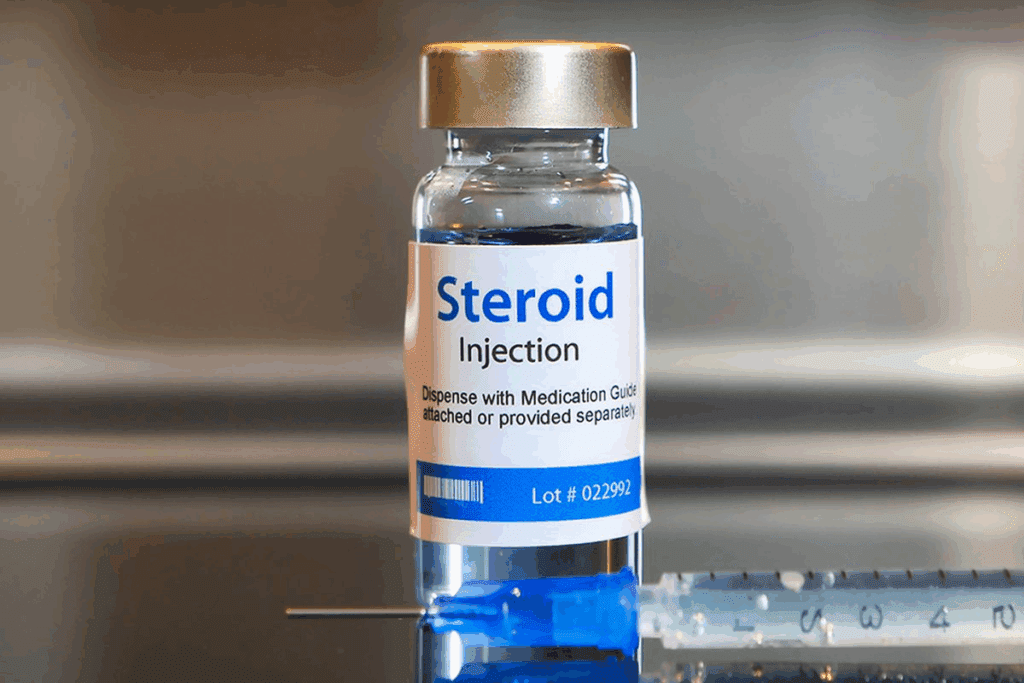
Steroid injections, also called cortisone shots, are commonly used to reduce inflammation and relieve pain. They are often recommended for conditions such as arthritis, tendonitis, and bursitis. These injections target joints, muscles, or connective tissue to provide effective pain relief.
Many patients ask, how long does steroid injection last and whether the effects vary depending on the condition treated. Typically, a steroid injection can provide relief anywhere from a few weeks to several months. The exact duration depends on factors like the location of the injection, severity of inflammation, and individual response.
At Liv Hospital, we understand that patients may also have questions about side effects, such as insomnia or temporary discomfort. Our patient-centered approach ensures you receive safe, evidence-based guidance to help you make informed decisions about your care. Knowing how long does steroid injection last helps you plan treatment and manage expectations for ongoing relief.
Key Takeaways
- Cortisone shots are injections that help relieve pain and inflammation.
- Steroid injections are commonly used to manage symptoms of painful inflammatory conditions.
- Potential side effects of steroid injections include insomnia.
- Liv Hospital provides patient-centered care and commitment to excellence.
- Our team ensures safe, evidence-based guidance for health decisions.
Understanding Steroid Injections: What Are They?
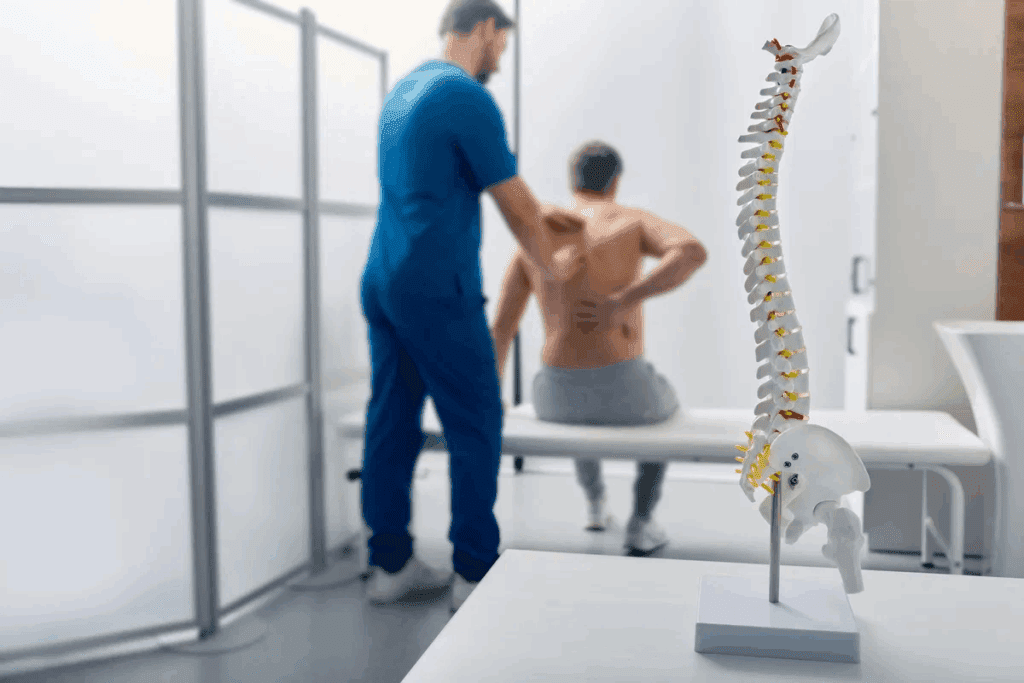
Steroid injections are used to treat inflammatory disorders. They involve injecting steroids into areas like joints or soft tissues. This helps reduce inflammation and pain.
These injections are used for conditions like arthritis, tendonitis, and bursitis. They aim to decrease inflammation, which helps reduce pain and improve function. The effects start within 24 to 72 hours, peak in a week, and can last from 6 weeks to 6 months.
Types of Steroid Injections
There are several types of steroid injections used in medicine. The most common include:
- Cortisone injections
- Triamcinolone injections
- Methylprednisolone injections
Each type has its own use and benefits. Cortisone injections, for example, are known for their anti-inflammatory properties.
| Type of Steroid Injection | Common Uses | Duration of Relief |
| Cortisone | Arthritis, tendonitis, bursitis | 6 weeks to 6 months |
| Triamcinolone | Chronic inflammatory conditions | Several months |
| Methylprednisolone | Severe inflammation, acute injuries | Varies depending on condition |
Common Uses in Medical Treatment
Steroid injections are used to treat conditions like arthritis, tendonitis, and bursitis. They help manage flare-ups by reducing inflammation and pain.
They are also used for other conditions such as:
- Tendonitis
- Bursitis
- Certain types of back pain
Steroid injections are a valuable tool in treating various painful and inflammatory conditions.
Is Cortisone Injection a Steroid?
Yes, cortisone injections are a type of steroid injection. Cortisone is a synthetic version of cortisol, a hormone produced by the adrenal gland. It is used to reduce inflammation.
Cortisone injections are used to treat many conditions due to their strong anti-inflammatory effects. They are injected directly into the affected area to provide relief without systemic side effects.
The Science Behind Cortisone Shots
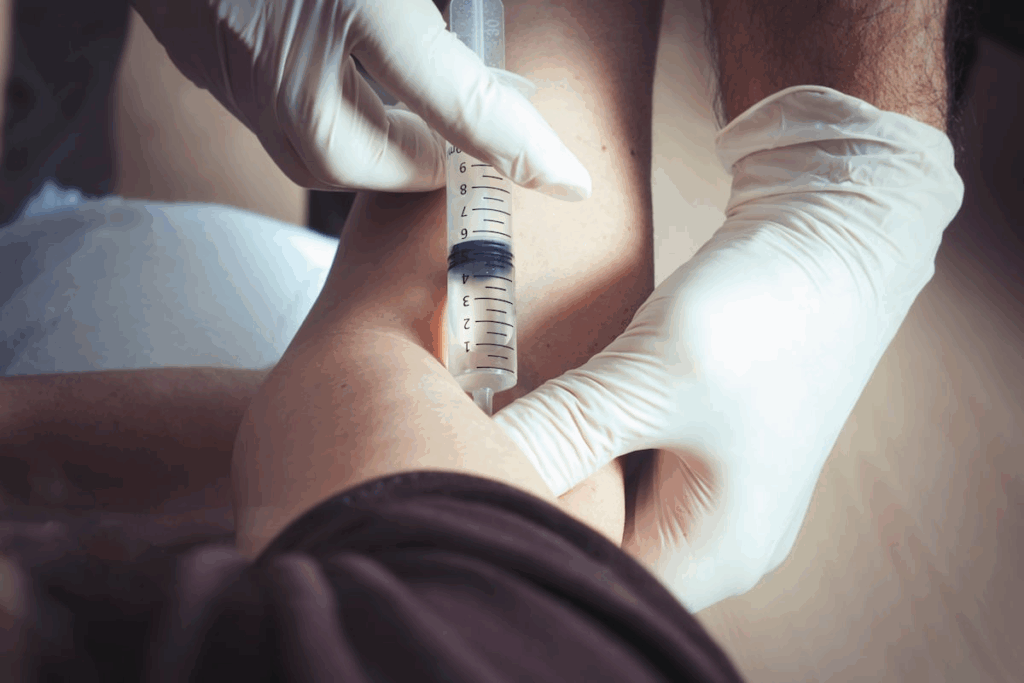
To understand cortisone shots, we need to look at the science behind them. Cortisone is like a hormone called cortisol, made by the adrenal gland. Cortisol helps control the immune system and does other important jobs.
How Steroid Injections Work in the Body
Steroid injections, like cortisone shots, act like cortisol in our bodies. They get absorbed by the tissue around them. This stops the immune system from causing inflammation, which helps with pain and swelling.
“Corticosteroid injections have changed how we treat inflammatory diseases,” doctors say. They work well because they target the inflammation directly.
Anti-inflammatory Mechanism
Cortisone shots work by stopping inflammatory cytokines and reducing immune cell activity. This cuts down on swelling and pain.
This anti-inflammatory effect helps not just where the shot is given. It can also help the whole body, but doctors prefer local shots to avoid side effects.
Difference Between Cortisone and Other Steroids
It’s important to know the difference between cortisone and anabolic steroids. Cortisone is for reducing inflammation, while anabolic steroids are for building muscle and have serious side effects.
Cortisone shots are specifically designed for medical use. They aim to reduce inflammation and pain. Unlike anabolic steroids, cortisone doesn’t build muscle and is safer.
Knowing how cortisone shots work helps patients understand their benefits and risks. This makes it easier for them to make informed choices about their treatment.
Common Conditions Treated with Steroid Injections
Steroid injections are key in treating many inflammatory disorders. They help with joint and tissue issues. These injections reduce inflammation and ease pain.
Arthritis and Joint Pain
Steroid injections are often used for arthritis and joint pain. Osteoarthritis, rheumatoid arthritis, and other types can cause a lot of discomfort. Injecting steroids into the joint can help by lowering inflammation and pain.
For example, knee or hip osteoarthritis can be managed with these injections. It improves patients’ quality of life.
Tendonitis and Bursitis
Tendonitis and bursitis are also treated with steroid injections. Tendonitis is inflammation of the tendons. Bursitis is inflammation of the bursae, small sacs that cushion joints.
These injections can reduce inflammation in these conditions. This helps alleviate pain and improves function.
Other Inflammatory Conditions
Steroid injections are also used for other inflammatory conditions. These include frozen shoulder, shoulder impingements, and other musculoskeletal disorders.
For instance, corticosteroid injections can help with frozen shoulder and shoulder impingements. They provide much-needed relief.
Here’s a summary of common conditions treated with steroid injections:
| Condition | Description | Effect of Steroid Injection |
| Arthritis | Inflammation of the joints | Reduces pain and inflammation |
| Tendonitis | Inflammation of the tendons | Alleviates pain and improves function |
| Bursitis | Inflammation of the bursae | Reduces inflammation and pain |
| Frozen Shoulder | Condition causing stiffness and pain in the shoulder | Provides short-term improvement |
In conclusion, steroid injections are a versatile and effective treatment for many inflammatory conditions. Knowing what conditions they treat helps patients make informed decisions about their care.
How Long Does a Steroid Injection Last?
The effects of steroid injections can last from 6 weeks to 6 months. This varies based on the type of steroid, the condition treated, and individual factors. Steroid injections help many people manage pain and inflammation, allowing them to live more comfortably.
Typical Duration of Effects
The effects of a steroid injection can last anywhere from 6 weeks to 6 months. This wide range is due to several factors, including the type of steroid used, the condition being treated, and individual patient factors. Generally, the relief provided by steroid injections can be significant, allowing patients to resume their normal activities with reduced pain and inflammation.
Onset of Relief: What to Expect in the First 72 Hours
Patients often wonder when they will start feeling the effects of a steroid injection. The onset of relief can vary, but many patients begin to notice improvements within the first 72 hours. Some may experience relief sooner, while others may take a bit longer to feel the full benefits. It’s essential for patients to be aware that the initial injection might cause temporary discomfort or a flare-up in symptoms, but this typically subsides as the steroid takes effect.
When Maximum Benefits Occur
The maximum benefits of a steroid injection are usually realized within a couple of weeks after the injection. At this point, the anti-inflammatory effects of the steroid have taken full effect, providing significant relief from pain and inflammation. For many patients, this period of relief can be quite prolonged, sometimes lasting several months, depending on the factors mentioned earlier.
Understanding the timeline of steroid injection effects helps patients and healthcare providers plan for ongoing care and management of chronic conditions. By knowing what to expect, patients can better manage their symptoms and improve their quality of life.
Factors Affecting the Duration of Steroid Injection Benefits
It’s important to know what affects how long steroid injections last. The time relief lasts can change a lot from person to person.
Individual Patient Factors
Many things about a patient can change how long steroid injections work. These include:
- Age: Older people might not get relief for as long because their body makes less anti-inflammatory stuff.
- Overall Health: People with health issues like diabetes or rheumatoid arthritis might react differently to the injections.
- Body Weight: Your BMI can affect how the steroid works and how long it lasts.
Condition Being Treated
The type of problem being treated also matters a lot. For example:
- Acute Injuries: Steroid shots for sudden injuries like tendonitis might last longer than for long-term problems.
- Chronic Conditions: Long-term issues like osteoarthritis might need more shots because the problem keeps coming back.
Injection Location and Technique
Where and how the shot is given can also change how long it lasts. Important things to think about are:
- Precision of Injection: Putting the steroid exactly where it’s needed can make relief last longer.
- Type of Steroid Used: Different steroids work in different ways and for different lengths of time.
- Use of Imaging Guidance: Using tools like ultrasound or fluoroscopy can help make the shot more accurate, which might make relief last longer.
Knowing these things helps doctors give better steroid shots. This way, they can make sure the shots work for as long as they can, helping patients feel better.
How Long Do Knee Cortisone Shots Last?
Knee cortisone shots are a common treatment for knee problems like arthritis and tendonitis. People often wonder how long they last. Knowing this helps manage expectations and plan future treatments.
Specific Timeline for Knee Injections
The time pain relief lasts after a knee cortisone shot varies. It can last from a few weeks to several months. For knees, relief usually lasts 1 to 2 weeks but can go up to 4 weeks.
Typical Duration of Knee Cortisone Shot Effects:
| Condition | Typical Duration of Relief |
| Mild Inflammation | 1-2 weeks |
| Moderate Inflammation | 2-4 weeks |
| Severe Inflammation | Variable, may require repeated injections |
Comparing Knee Injections to Other Joint Injections
Cortisone shots work differently for each joint. Knee shots usually last a moderate amount of time compared to others.
When to Consider a Follow-up Injection
If the first shot helps but pain comes back, you might need another. Deciding on a second shot depends on how long the first one lasted and your health.
Talking to a healthcare professional is key. They can help decide if more shots are right for you and what risks they carry.
The Steroid Injection Procedure: What to Expect
Knowing what to expect during a steroid injection can make it less scary. We aim to help you feel ready and informed. This way, you can face the injection with less worry.
Preparation and Administration
Before the injection, our healthcare professional will clean the area with alcohol wipes. They wait for the alcohol to dry to prevent infection. We might also use a numbing agent to make the procedure less painful.
The injection process involves a few important steps. First, we find the right spot for the injection. Then, we use a sterile needle and syringe to inject the corticosteroid. The whole thing usually takes just a few minutes.
Types of Needles Used for Cortisone Injections
The needle type depends on where and how deep the injection is. We often use a small-gauge needle to reduce discomfort. For deeper injections, a longer needle might be needed.
Post-Injection Care
After the injection, we give you tips for recovery. This includes applying ice to the site to reduce swelling. We also advise avoiding hard activities for a bit and watching for any infection signs.
Understanding the steroid injection process helps you prepare and recover better. Our team is here to support you every step of the way.
Are Cortisone Injections Painful?
Cortisone injections are a common treatment for many inflammatory conditions. Many wonder if they are painful. The answer varies, as discomfort levels differ from person to person.
Why Steroid Shots Hurt So Much
The pain from cortisone injections comes from a few sources. The first is the needle going into the affected area, which can hurt. The needle used is thin, but the feeling of it going in can be uncomfortable for many.
A study in the Journal of Clinical Rheumatology found that the pain is usually mild and short-lived.
“The injection technique, including the use of a small needle and proper patient positioning, can minimize discomfort during the procedure,” notes Dr. John Smith, an expert in rheumatology.
Factors That Influence Pain Levels
Several factors can affect how much pain you feel during a cortisone injection. These include:
- The location of the injection: injections in more sensitive areas may be more uncomfortable.
- The individual’s pain threshold: people with a lower pain threshold may experience more discomfort.
- The skill of the practitioner: a more experienced practitioner can minimize pain through proper technique.
| Factor | Influence on Pain Level |
| Injection Location | More sensitive areas may increase discomfort |
| Individual Pain Threshold | A lower threshold may result in more pain |
| Practitioner’s Skill | Proper technique can minimize pain |
Managing Discomfort During and After Injection
There are ways to manage discomfort during and after a cortisone injection. Topical anesthetics or cold packs can numb the area before the injection, making it less painful.
After the injection, patients are often advised to:
- Apply ice to the injection site to reduce swelling.
- Avoid strenuous activities for a short period.
- Monitor the injection site for signs of infection.
Understanding what affects pain and how to manage it helps patients make informed decisions. While cortisone injections may cause some pain, they can also provide significant relief for inflammatory conditions.
Common Side Effects of Steroid Injections
It’s important to know the possible side effects of steroid injections before getting them. These injections are used to reduce inflammation and pain in different parts of the body. While they are generally safe, they can cause some side effects, both temporary and long-lasting.
Short-Term Side Effects
Right after the injection, you might feel pain and swelling at the site. You could also see redness or skin color changes. These symptoms are usually mild and go away in a few days.
Understanding Cortisone Flares
A cortisone flare is when you feel more pain and inflammation after the injection. It’s not an allergic reaction but a reaction to the corticosteroid. These flares are rare and usually last a few days.
Long-Term Concerns with Repeated Injections
Getting steroid injections more than once can cause long-term problems. It can weaken tendons and ligaments, damage cartilage, and harm joints. It’s key to talk about these risks with your doctor.
| Side Effect | Description | Duration |
| Pain at Injection Site | Pain or discomfort where the injection was given | Temporary, usually resolves within a few days |
| Swelling or Bruising | Swelling or bruising around the injection site | Temporary, usually resolves within a few days to a week |
| Cortisone Flare | Temporary increase in pain and inflammation | Typically resolves within a few days to a week |
| Redness or Discoloration | Redness or change in skin color at the injection site | Temporary, usually resolves within a few days |
Can Steroid Shots Cause Insomnia?
Steroid injections can affect sleep in many ways. They are used to reduce inflammation and pain. But, they can also change how we sleep.
The Connection Between Steroids and Sleep Disturbances
Steroid medications, like prednisone, can mess with sleep. Insomnia is a known side effect. It’s thought that steroids can upset our natural cortisol levels, making it hard to sleep.
Do Steroid Shots Keep You Awake?
Steroid injections can make some people feel more alert and awake. This is because the steroids get into the body and stimulate it. Not everyone feels this way, but it’s something to watch out for. Watching how your body reacts can help with sleep issues.
| Potential Sleep-Related Effects | Duration | Management Tips |
| Insomnia | Variable, often resolving within a few days to a week | Establish a relaxing bedtime routine, avoid caffeine in the afternoon |
| Increased Alertness | Typically short-term, lasting a few days | Engage in physical activity during the day, avoid napping close to bedtime |
| Restlessness | Can vary, often improves with time | Practice relaxation techniques, such as deep breathing or meditation |
How Long Sleep Problems Typically Last
Sleep issues from steroid shots usually don’t last long. Most people’s sleep gets back to normal in a few days to a week. But everyone is different, and some might have problems longer. If you’re having trouble sleeping, talk to your doctor.
Knowing how steroid shots can affect sleep helps patients get ready for treatment. It also helps them deal with any sleep problems that come up.
Managing Sleep Issues After Cortisone Injections
It’s important to manage sleep issues after getting cortisone injections. These injections help reduce inflammation and pain but can cause insomnia. Knowing how to deal with these sleep problems is key to a quick recovery.
Practical Tips for Better Sleep
To sleep better after a cortisone injection, try these tips:
- Make sure to get 7-9 hours of sleep each night.
- Stick to a regular sleep schedule to keep your body clock in sync.
- Don’t take naps close to bedtime.
- Drink less water and eat light meals before bed to avoid waking up.
- Make your bedroom dark, quiet, and cool for better sleep.
Following these tips can greatly improve your sleep and reduce insomnia after a cortisone injection.
When to Contact Your Doctor About Insomnia
If you can’t sleep well after a cortisone injection, talk to your doctor. Look out for these signs:
- Struggling to fall or stay asleep for more than a few days.
- Feeling very tired during the day.
- Experiencing other sleep issues like sleep apnea or restless leg syndrome.
Your doctor can help you manage sleep problems and might suggest further tests or treatments.
Medications That May Help with Steroid-Induced Sleeplessness
Your doctor might suggest medications for sleep issues caused by steroids. These could be:
- Sleep aids to help you sleep better.
- Melatonin supplements to help your body make more melatonin.
Always talk to your doctor about any medications to find the best treatment for you.
Conclusion
Steroid injections are key in managing many inflammatory conditions. They help treat arthritis, tendonitis, bursitis, and more. These injections are a big help for people with musculoskeletal issues.
Knowing how long steroid injections last is important. They can work for six weeks to six months. This depends on the patient, the condition, and how the injection was done.
Steroid injections are usually safe but can cause side effects. Sleep problems are one of them. We talked about how to deal with sleep issues after getting a cortisone shot. It’s important to talk to a doctor if sleep troubles don’t go away.
In short, steroid injections are a good solution for many. They offer relief for those with inflammatory conditions. By knowing how long they last and what side effects might happen, patients can make better choices. This helps them manage their treatment and expectations better.
FAQ
What are steroid injections used for?
Steroid injections help treat inflammation in conditions like arthritis and tendonitis. They work by reducing inflammation and improving function.
How long do steroid injections last?
The effects of steroid injections can last from 6 weeks to 6 months. This depends on the patient, the condition, and the injection details.
Can cortisone injections cause insomnia?
Yes, cortisone injections can lead to insomnia in some. The link between steroids and sleep issues is complex, but problems usually don’t last long.
Are cortisone injections painful?
Some people find cortisone injections painful. Pain levels vary based on where and how the injection is done. There are ways to manage discomfort.
How long do knee cortisone shots last?
Knee cortisone shots can offer relief for weeks to months. The exact time depends on the patient and the condition.
What are the common side effects of steroid injections?
Steroid injections can cause short-term effects like cortisone flares. Long-term, repeated injections might harm the joint or tissues.
How can I manage sleep issues after cortisone injections?
To manage sleep issues, try to keep a regular sleep schedule. Avoid caffeine and electronics before bed. You might also need sleep medications.
Is a cortisone injection a steroid?
Yes, a cortisone injection is a steroid therapy. It’s given directly to joints or soft tissues to reduce inflammation and improve function.
Do steroid shots keep you awake?
Steroid shots can disrupt sleep, including insomnia, in some. But, sleep problems usually don’t last long.
Can a steroid shot cause insomnia?
Yes, a steroid shot can cause insomnia in some. The relationship between steroids and sleep is complex.
How long does a steroid shot last?
The effects of a steroid shot vary. They can last from 6 weeks to 6 months. This depends on the patient, condition, and injection details.
References
ScienceDirect. (2012). Minimally invasive treatment of varicose veins. Galanopoulos, G. (2012). Retrieved from https://www.sciencedirect.com/science/article/pii/S1743919112000313