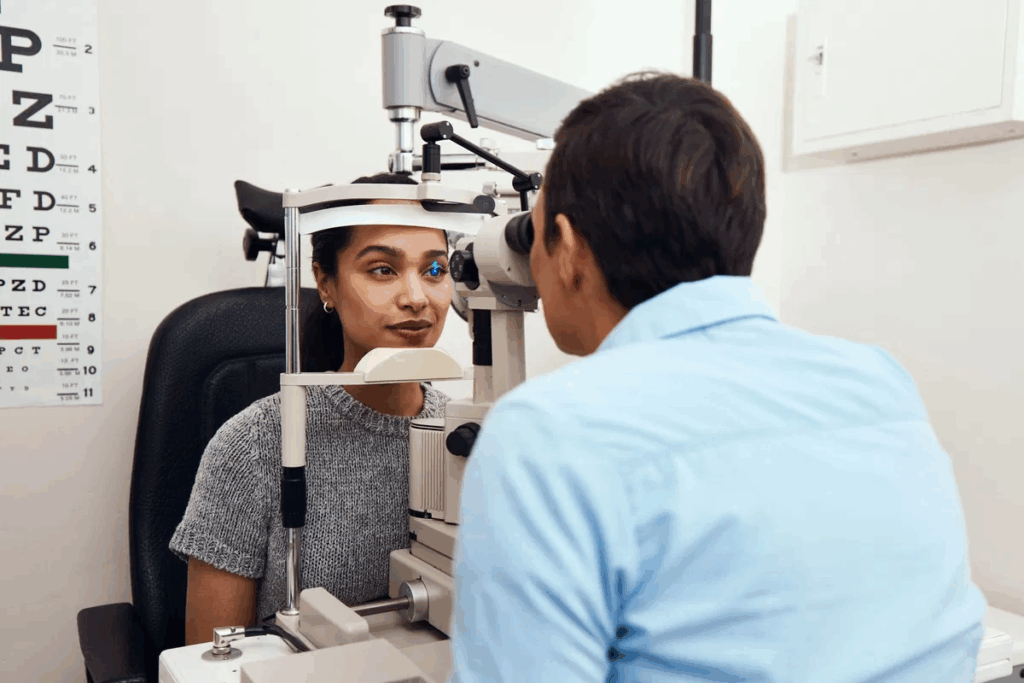
Uveitis is a serious eye condition that can harm your sight. It causes chronic eye inflammation. This condition affects the uvea, the middle layer of the eye, which is key for clear vision. If not treated right, it can seriously damage your vision. Asking ‘how long does uveitis last?’ Get the alarming truth about its duration and whether this serious condition can lead to blindness.
Getting diagnosed with uveitis can be scary, thinking about how it might affect your eyes. How long uveitis lasts can vary a lot. Some people get better in weeks, but others might deal with it for years. This can lead to serious problems like blindness.
It’s important to know about uveitis, its risks, and the need for quick treatment. This knowledge is vital for both patients and doctors.
Key Takeaways
- Uveitis is a serious inflammatory eye condition that can lead to vision loss if not treated promptly.
- The duration of uveitis varies; some cases are acute, while others are chronic.
- Chronic uveitis can lead to significant visual impairment or blindness.
- Proper management and treatment are key to avoid complications.
- Understanding the risks and possible outcomes of uveitis is essential for good care.
Understanding Uveitis: The Inflammatory Eye Condition

Uveitis is a serious eye condition that causes inflammation in the uvea. This middle layer of the eye is key for vision. When it gets inflamed, it can cause many symptoms and serious problems.
What Is Uveitis and How Does It Affect the Eye?
Uveitis is when the uvea, which includes the iris, ciliary body, and choroid, gets inflamed. This can happen due to infections, autoimmune diseases, or eye injuries. It can make one or both eyes blurry, painful, and light-sensitive.
The inflammation from uveitis can spread to other parts of the eye. This includes the fluid inside the eye and the retina. Getting medical help quickly is very important because of this.
The Anatomy of the Uvea and Its Role in Vision
The uvea is essential for the eye’s health. It supplies blood and nutrients to important parts. The iris controls light, the ciliary body helps the lens and cornea, and the choroid gives oxygen and nutrients to the retina.
Knowing how the uvea works is key to understanding uveitis. When it’s inflamed, it can mess up these functions. This can lead to vision problems and serious issues if not treated.
Types of Uveitis and Their Characteristics

Uveitis is a term for many inflammatory eye conditions. Each type has its own set of challenges and symptoms. We will look at these different types, their unique features, and how they affect the eye.
Anterior Uveitis (Iritis): The Most Common Form
Anterior uveitis, or iritis, is the most common type, making up 80% of cases. It affects the front part of the uvea, causing inflammation in the iris. Symptoms include eye pain, light sensitivity, and blurred vision.
Intermediate Uveitis (Pars Planitis)
Intermediate uveitis, also known as pars planitis, affects the middle part of the uvea. It can cause floaters, blurred vision, and eye pain. This type is less common but can significantly affect vision.
Posterior Uveitis (Choroiditis and Retinitis)
Posterior uveitis affects the back of the uvea, including the choroid and retina. It can lead to serious vision problems if not treated. Symptoms include blurred vision and floaters.
Panuveitis: When Inflammation Affects the Entire Uvea
Panuveitis is a severe form of uveitis that affects all parts of the uvea. It has symptoms like pain, light sensitivity, blurred vision, and floaters. Managing panuveitis requires a detailed approach to reduce inflammation and prevent complications.
The length of time uveitis lasts varies by type and severity. Knowing these differences is key to effective treatment.
How Long Does Uveitis Last? Duration by Type
Knowing how long uveitis lasts is key to managing it well. Uveitis, an inflammatory eye condition, can last differently based on its type and severity.
Acute vs. Chronic Uveitis: Understanding the Timeline
Uveitis can be acute or chronic, each with its own timeline. Acute uveitis starts suddenly and can last weeks to months. On the other hand, chronic uveitis lasts longer, needing ongoing care.
Doctors say, “Knowing if it’s acute or chronic is key for the right treatment and understanding how long it might last.”
This helps set realistic recovery goals and plan for long-term care.
Anterior Uveitis: Typical Duration and Recovery
Anterior uveitis, the most common, usually lasts 4 to 6 weeks. With the right treatment, many fully recover in this time. But, some cases can last years and come back.
Posterior and Intermediate Uveitis: Extended Timeline
Posterior and intermediate uveitis last longer than anterior uveitis. Posterior uveitis can go on for months or years, based on the cause and treatment.
Type of Uveitis | Typical Duration | Potential for Chronicity |
Anterior Uveitis | 4 to 6 weeks | Yes, can become chronic |
Posterior Uveitis | Several months to years | High |
Intermediate Uveitis | Months to years | High |
Factors That Influence the Duration of Uveitis
Many things can affect how long uveitis lasts. These include the cause, treatment success, and any other health issues. Knowing these factors helps predict uveitis duration and outcome.
By understanding uveitis types and what affects its duration, doctors can create better treatment plans. This improves patient results.
Recognizing Uveitis Symptoms and Their Duration
Uveitis symptoms can vary a lot. It’s key to know the common signs to get medical help fast. The symptoms can hit one or both eyes and can come on fast or slow, based on the inflammation’s location and how bad it is.
Common Symptoms of Uveitis
The symptoms of uveitis can differ a lot. Common signs include blurred vision, eye pain, redness, light sensitivity, and seeing floaters. Some people might see less clearly or even lose vision. The severity and mix of these symptoms can change based on the type of uveitis and the person affected.
How Long Does Blurred Vision Last With Uveitis?
Blurred vision is a main symptom of uveitis, and how long it lasts can vary a lot. In acute cases, it might last from days to weeks. But in chronic uveitis, it can go on for months or even years without treatment. The length of blurred vision depends on the cause of uveitis and how well the treatment works.
When Symptoms Indicate a Chronic Condition
If uveitis symptoms keep coming back or last a long time, it might mean it’s chronic. Chronic uveitis needs ongoing care to keep inflammation under control and avoid problems. Regular monitoring and follow-up care are key for those with chronic uveitis to keep their eyes healthy and prevent vision loss.
It’s important for both patients and doctors to understand uveitis symptoms and their meanings. By knowing the signs and what they mean, people can get the right medical care. This helps keep their vision and eye health safe.
Causes and Risk Factors for Prolonged Uveitis
Knowing what causes prolonged uveitis is key to managing it well. Uveitis can come from autoimmune diseases, infections, or eye injuries. Often, it’s because the immune system gets too active and attacks the eye.
Autoimmune Disorders Associated With Chronic Uveitis
Autoimmune diseases are a big reason for chronic uveitis. Conditions like rheumatoid arthritis, lupus, and ankylosing spondylitis raise the risk. When this happens, the immune system attacks the eye, causing inflammation and possibly long-lasting uveitis.
It’s important to know that autoimmune disorders are a big risk factor. Understanding this helps us manage uveitis better.
Infections That Can Trigger Persistent Uveitis
Infections are another major cause of uveitis. Viral, bacterial, or fungal infections can lead to uveitis. If not treated, the inflammation can last a long time. For example, toxoplasmosis and histoplasmosis can cause uveitis.
It’s vital to find and treat the infection to stop prolonged uveitis.
Genetic Factors and Family History
Genetics also play a part in uveitis. People with a family history of uveitis or autoimmune diseases are more likely to get it. While we can’t change our genes, knowing our risk can help us catch and manage uveitis early.
By understanding these causes and risk factors, we can manage uveitis better. This might help reduce the risk of complications.
Diagnosis and Treatment: Impact on Uveitis Duration
Early diagnosis and treatment can greatly affect how long uveitis lasts. By acting quickly, we can stop complications and help patients recover better.
Diagnostic Procedures for Uveitis
To find out if someone has uveitis, we do a detailed eye check. This includes checking how well they can see and looking at the front and back of the eye. We also look at their medical history and overall health.
Our methods might include:
- Slit-lamp examination to assess the anterior chamber
- Ophthalmoscopy to examine the posterior segment
- Imaging tests such as optical coherence tomography (OCT)
- Visual field tests to assess any peripheral vision loss
Treatment Options and Their Effectiveness
How we treat uveitis depends on the cause, how bad it is, and where it is. Our goal is to reduce inflammation, ease symptoms, and prevent problems.
Some common treatments are:
- Corticosteroid eye drops or injections to reduce inflammation
- Systemic corticosteroids or immunosuppressive drugs for more severe cases
- Antibiotic or antiviral medications if the uveitis is caused by an infection
How Treatment Timing Affects Recovery Period
When we start treatment early, it can make a big difference. It helps avoid serious problems like cataracts and glaucoma.
We stress the need for quick action if symptoms don’t get better or get worse. Early treatment boosts the chances of a good outcome and reduces the risk of lasting eye damage.
Can Uveitis Lead to Blindness? Understanding the Risks
Uveitis is a serious eye condition that can lead to blindness if not treated. We will look at how uveitis can cause vision loss, the dangers it poses, and the chances of going blind.
The Connection Between Uveitis and Vision Loss
Uveitis can harm your vision by causing inflammation in the eye. This inflammation can damage important parts like the retina and optic nerve. The severity and how long it lasts are key to how much vision is lost. If not treated, uveitis can lead to more serious vision problems.
As Dr. [Last Name] says, “Early treatment is key to avoiding vision loss from uveitis.” Regular check-ups and care are vital to manage the condition well.
Complications That Threaten Vision
Uveitis can lead to several vision-threatening complications, including:
- Cystoid macular edema (CME), which causes fluid buildup in the macula, leading to vision distortion.
- Retinal detachment, where the retina separates from the underlying tissue, potentially causing severe vision loss.
- Glaucoma, a condition characterized by increased intraocular pressure that can damage the optic nerve.
- Cataract formation, where the lens becomes cloudy, impairing vision.
These complications show why it’s so important to manage uveitis carefully to avoid vision problems.
Statistics on Uveitis-Related Blindness
About 70 percent of people with uveitis lose some vision, with vision problems lasting 21 months on average. These numbers highlight the big impact of uveitis on vision and the need for good management.
“Uveitis is a leading cause of visual impairment in the working-age population, stressing the need for quick and effective treatment to avoid long-term vision loss.”
Knowing these risks and statistics helps us manage uveitis better and prevent blindness in those affected.
Living With Chronic Uveitis: Management Strategies
Managing chronic uveitis needs a mix of medicine, lifestyle changes, and regular doctor visits. We know it’s tough, but the right steps can help control symptoms and keep life quality high.
Long-Term Medication Management
Managing meds for a long time is key in treating chronic uveitis. Corticosteroids help lower inflammation, but long-term use can cause side effects. We help find the lowest dose and look at other treatments like immunomodulatory therapies to lessen risks.
It’s vital for patients to stick to their meds and tell their doctor about any side effects. Regular check-ups let us tweak the treatment to keep the condition under control.
Lifestyle Adjustments for Uveitis Patients
Making lifestyle changes is important for managing chronic uveitis. Dietary changes like eating foods high in omega-3 fatty acids can help. Stress management, like meditation or yoga, also helps with the mental side of chronic illness.
Patients should also protect their eyes from irritation. Wear sunglasses with UV protection and avoid smoking to prevent worsening symptoms.
Regular Monitoring and Follow-Up Care
Regular check-ups and follow-up care are essential for managing chronic uveitis. Eye exams help us track the disease and adjust treatment as needed. We teach patients to spot signs of flare-ups or complications, so they can get help quickly.
By working together and staying proactive, we can help patients with chronic uveitis get the best results and keep their vision.
Conclusion: Navigating the Uveitis Journey
Understanding uveitis is key to managing it. This eye condition comes in different forms, like anterior, intermediate, posterior, and panuveitis. Each type has its own traits and how long it lasts.
Knowing what uveitis looks like is important for patients. Most people with anterior uveitis get better quickly with treatment. But, it might come back. Intermediate, posterior, and panuveitis need longer treatment to stay in remission.
Patients can handle their uveitis better by knowing its causes, symptoms, and treatments. Regular check-ups and care are vital to avoid problems. With the right steps, people with uveitis can keep their vision and quality of life good.
FAQ
What is uveitis and how does it affect the eye?
Uveitis is a serious eye condition that affects the middle layer of the eye. It can cause blurred vision, eye pain, and light sensitivity. This can seriously harm your vision if not treated right.
How long does uveitis last?
Uveitis can last from a few weeks to years. It depends on the type. Acute uveitis might last a few months, while chronic uveitis can go on for years.
Can uveitis lead to blindness?
Yes, uveitis can cause blindness if not treated. It can lead to cataracts, glaucoma, and damage to the retina. These problems can severely harm your vision.
What are the common symptoms of uveitis?
Symptoms include blurred vision, eye pain, redness, and light sensitivity. Floaters are also common. The severity and how long these symptoms last vary.
How long does blurred vision last with uveitis?
Blurred vision from uveitis can last weeks to months. In some cases, it can last longer if the inflammation isn’t controlled well.
What causes chronic uveitis?
Chronic uveitis can be caused by autoimmune disorders, infections, and genetics. Knowing the cause is key to managing it effectively.
How is uveitis diagnosed?
Doctors diagnose uveitis with a detailed eye exam. They check your vision, use a slit-lamp, and might do imaging tests like OCT.
What are the treatment options for uveitis?
Treatments include corticosteroids, immunosuppressants, and biologic agents. The right treatment depends on the type and cause of uveitis.
How can uveitis be managed long-term?
Long-term management involves medication, lifestyle changes, and regular check-ups. This helps prevent complications and improves your quality of life.
What are the statistics on uveitis-related blindness?
Uveitis is a major cause of blindness worldwide. It’s responsible for a lot of visual impairment and blindness. Early and effective treatment can prevent vision loss.
Can uveitis cause vision loss?
Yes, uveitis can lead to vision loss if not treated. Complications like cataracts and glaucoma can threaten your vision. In severe cases, it can cause blindness.
What is the connection between uveitis and vision loss?
Uveitis causes inflammation that can harm your vision. If not treated, this inflammation can lead to complications that threaten your sight.
How does treatment timing affect the recovery period?
Early treatment is key to managing uveitis. Quick action can reduce inflammation and prevent complications. Delayed treatment can lead to a longer recovery and higher risk of vision loss.
References
https://my.clevelandclinic.org/health/diseases/14414-uveitis