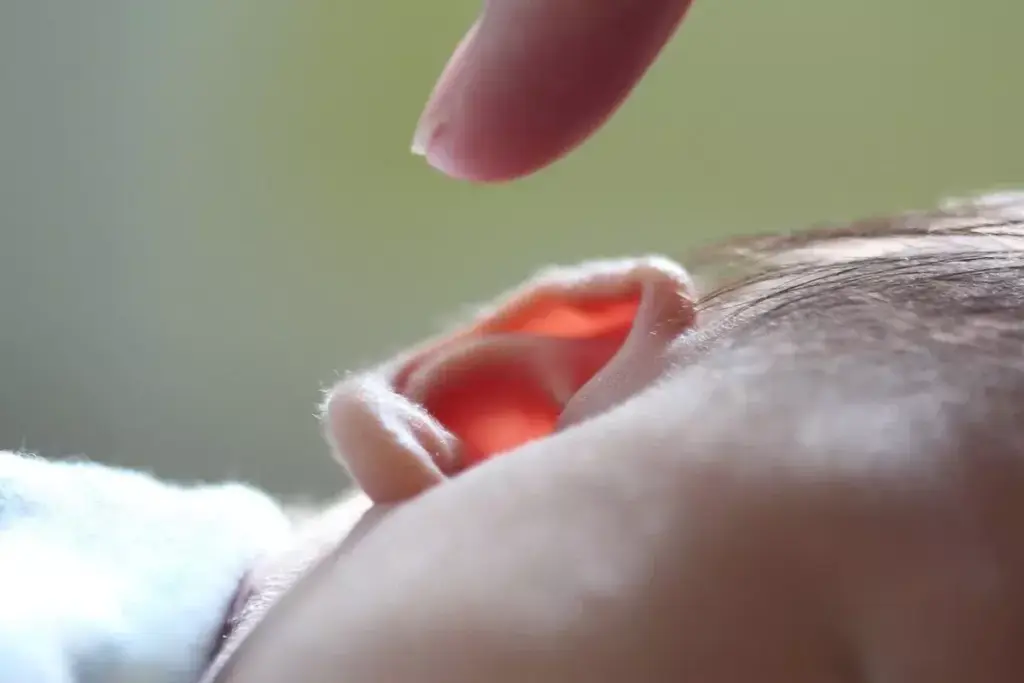
Water in the ear canal is a common problem, affecting millions, mainly after swimming or showering. It can cause discomfort and worry, with signs like muffled sounds and feeling like your ears are clogged.
Understanding the causes and finding relief is key to avoid infections. At Liv Hospital, we prioritize your comfort and health. We guide you on safely removing water from your ear.
If you need a quick relief guide or want to know the best ear care after water exposure, we’re here. Our method ensures you get accurate and reliable advice for clogged ears after swimming and other issues.
Key Takeaways
- Water in the ear is a common issue after swimming or showering.
- Untreated water in the ear can lead to infections.
- Proper ear care is essential for relief and prevention.
- Liv Hospital offers patient-centered guidance for ear relief.
- Understanding the causes is key to effective management.
Understanding Water in the Ear: How Long Does Water Stay in Your Ear?
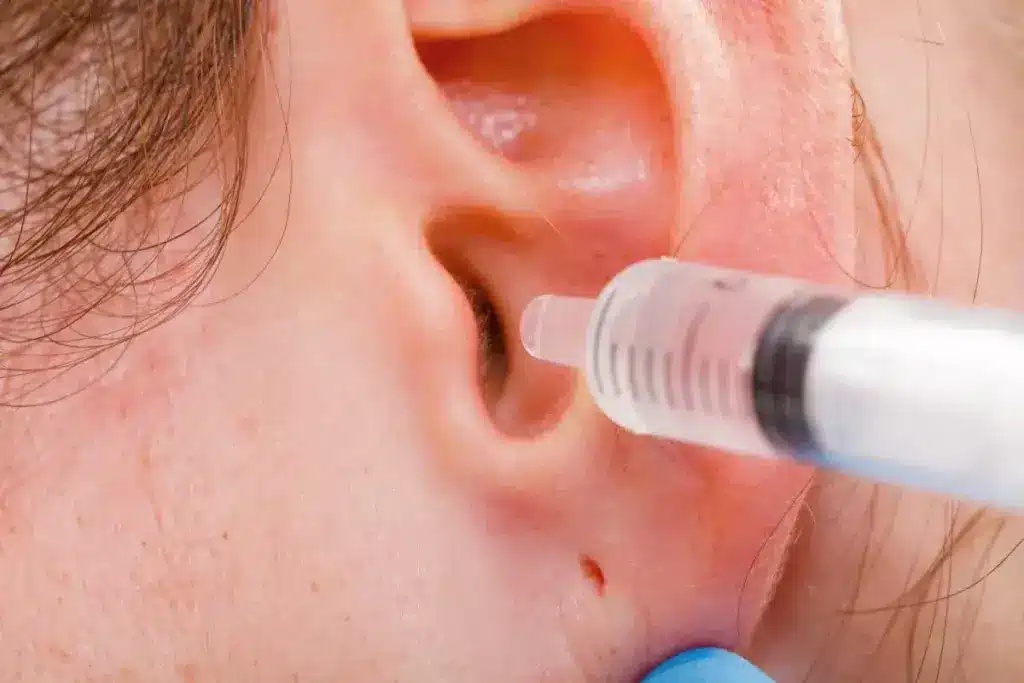
Water in the ear can feel uncomfortable, often after swimming or showering. It can make your ear feel blocked. Knowing how long water stays in your ear and what affects this time is key to finding the right solution.
Common Causes of Water Trapped in the Ear
Water can get trapped in the ear for many reasons. Swimming and showering are top causes. Excessive earwax also plays a part, as it can block the ear canal and stop water from draining.
Other reasons include:
- Narrow ear canals
- Ear infections
- Using earplugs or earmuffs that can push water further into the ear
The Ear’s Natural Defenses Against Moisture
The ear has natural defenses like wax and a thin film. Earwax helps keep water out. But, when water does get in, the ear usually drains it out.
Normal Duration and Symptoms
Water can stay in the ear for hours to days, depending on the ear and wax. Symptoms include feeling full, hearing loss, or discomfort. Usually, these go away once the water drains out.
| Duration | Symptoms | Action |
| Several Hours | Mild discomfort, feeling of fullness | Wait, try gravity-based techniques |
| 1-2 Days | Hearing loss, discomfort persists | Try drying methods, consider ear drops |
| Beyond 2 Days | Pain, discharge, or fever | Seek medical attention |
Potential Complications if Left Untreated
Long-term water in the ear can cause otitis externa, or swimmer’s ear. This is an inflammation or infection of the outer ear canal. It can also lead to fungal infections or worsen existing conditions.
Knowing why water stays in the ear and for how long is vital. It helps prevent complications and quickly relieves discomfort.
7 Effective Methods to Remove Water from Your Ear
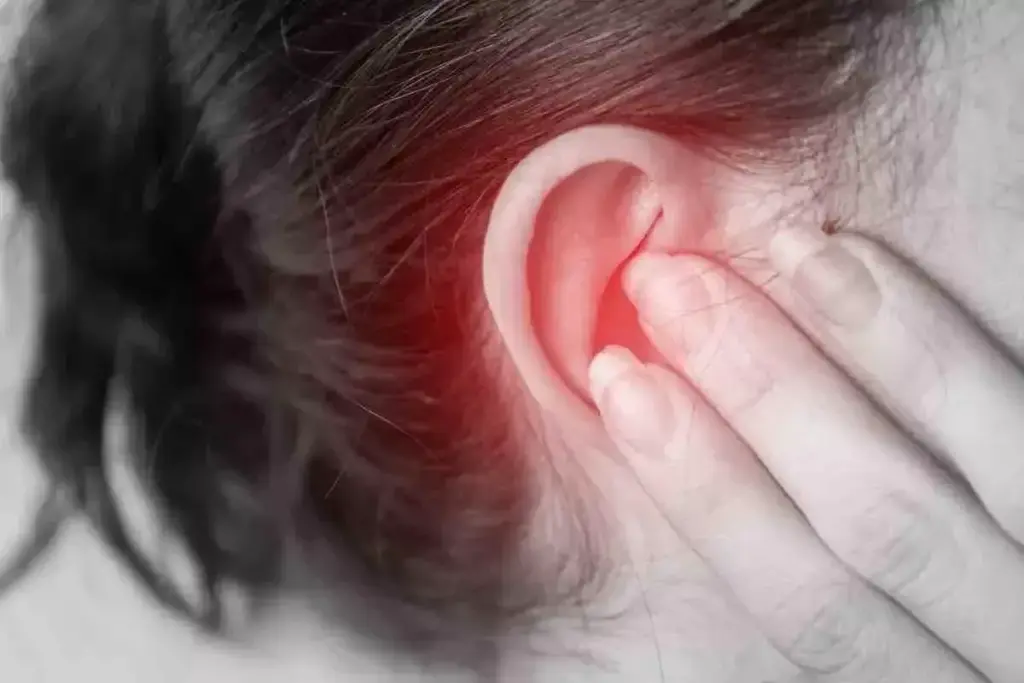
Water in your ear can be a real nuisance. But, there are many simple ways to get rid of it. We’ll look at these methods to help you find relief.
Gravity-Based Techniques
Using gravity is one of the easiest ways to remove water. Tilting your head to the side helps the water flow out. You can also gently pull your earlobe to straighten the canal and help the water drain.
Creating a Vacuum Effect
Creating a vacuum is another good method. By cupping your palm over your ear and then quickly removing it, you can create suction. This suction helps pull out the trapped water.
Using Heat and Drying Methods
Heat can also be helpful. A hair dryer on a low setting can dry the ear canal. Or, you can use drying drops from pharmacies to help evaporate the water.
Solution-Based Remedies
There are also solutions you can try. Ear drops with hydrogen peroxide or alcohol can dry out the canal. But, use these drops carefully and follow the instructions.
Trying these methods can help remove water from your ear. It’s also important to know when to seek medical help if the problem doesn’t go away.
Prevention and When to Seek Medical Help
Keeping water out of your ears is key to avoiding discomfort and infections. Simple steps can greatly lower the chance of ear problems.
Preventive Measures for Swimmers and Shower-Takers
Swimmers and shower-goers should use earplugs or a swim cap to block water. Doctors also recommend coating a cotton ball with petroleum jelly and placing it in your outer ear for protection.
- Use earplugs designed for swimming to prevent water entry.
- Wear a swim cap to cover your ears while swimming.
- Dry your ears thoroughly after showering or swimming.
- Avoid using cotton swabs (Q-tips) that can push earwax deeper.
Warning Signs That Require Medical Attention
Seek medical help if you have persistent pain, itching, discharge, or a feeling of fullness in your ear. These signs could mean an ear infection or another serious issue.
Acting quickly can stop small problems from getting worse. Knowing the warning signs and taking steps to prevent issues can keep your ears healthy. This way, you can swim and shower without worry.
Conclusion
Good ear health is more than just getting water out of your ear. It’s about a whole approach to prevention and knowing why water stays. Simple ear care tips can greatly lower the chance of pain and serious problems.
To keep moisture out, use earplugs when swimming or showering. Dry your ears gently after. Sometimes, feeling water in your ear means there’s a bigger issue like earwax blockage or tube problems. Taking care of your ears early can stop these problems.
Knowing why water stays in your ear and how to get it out is key to ear health. Regular care and watching out for activities that cause water buildup are important. This way, your ears stay healthy.
FAQ
How long does water stay in your ear?
Water typically drains out naturally within a few minutes or hours after it enters the ear canal. If it becomes trapped behind earwax or in a narrow section of the canal, it can linger for a day or two until it is manually cleared or evaporates.
Why does it sound like I have water in my ear?
The sloshing or muffled sound occurs because water creates a physical barrier that prevents the eardrum from vibrating properly. Even a small drop can create a temporary vacuum-like seal in the ear canal, which distorts sound and makes your own voice sound hollow or echoey.
Can water get past your eardrum?
No, water cannot pass through a healthy eardrum as it is a solid, watertight membrane separating the outer and middle ear. Water can only get behind the eardrum if there is a hole, perforation, or if you have surgically implanted ear tubes.
How can I remove water from my ear?
You can remove water by tilting your head to the side and gently pulling on your earlobe to straighten the canal, or by lying on your side for a few minutes. Another safe method is using a hairdryer on the lowest, coolest setting held at arm’s length to gently evaporate the moisture.
What are the warning signs that I need to seek medical attention for water in my ear?
You should seek medical help if you experience sharp pain, intense itching, or notice fluid and pus draining from the ear. Fever and a significant loss of hearing that lasts more than two days are also clear signs that an infection may have developed.
How can I prevent water from getting trapped in my ear while swimming or showering?
Wearing silicone earplugs or a tight-fitting swim cap is the most effective way to prevent water from entering the canal during swimming. For showering, you can place a cotton ball coated in a small amount of petroleum jelly in the outer ear to act as a temporary moisture barrier.
Can water stuck in the ear cause infections?
Yes, trapped water creates a warm, damp environment that encourages the growth of bacteria and fungi, leading to swimmer’s ear. If the moisture is not cleared, it can irritate the skin of the ear canal and cause painful inflammation or an infection.
How long can water be stuck in your ear before it becomes a problem?
Generally, water becomes a concern if it remains trapped for more than two or three days, as this increases the risk of infection. If you cannot get the water out within 48 hours, it is best to see a professional to prevent the onset of painful outer ear inflammation.
References:
National Center for Biotechnology Information. Evidence-Based Medical Insight. Retrieved from https://pmc.ncbi.nlm.nih.gov/articles/PMC3604273/