
Undergoing chemotherapy can be a daunting experience, and understanding the duration and what to expect from each session is crucial for managing anxiety and ensuring a smooth treatment process.
At institutions like Liv Hospital, where patient-centered care and innovative solutions are prioritized, you can rely on expert guidance and support throughout your chemotherapy experience
Chemotherapy sessions can vary significantly in duration, typically lasting anywhere from one to six hours, depending on the type of treatment and the specific drugs being administered.
Key Takeaways
- Chemotherapy duration varies based on treatment type and drugs used.
- Sessions can last from one to six hours.
- Innovative solutions like immunotherapy and targeted therapies are being used in cancer care.
- Patient-centered care is prioritized at institutions like Liv Hospital.
- Understanding what to expect from each session can help manage anxiety.
Understanding Chemotherapy and Its Purpose
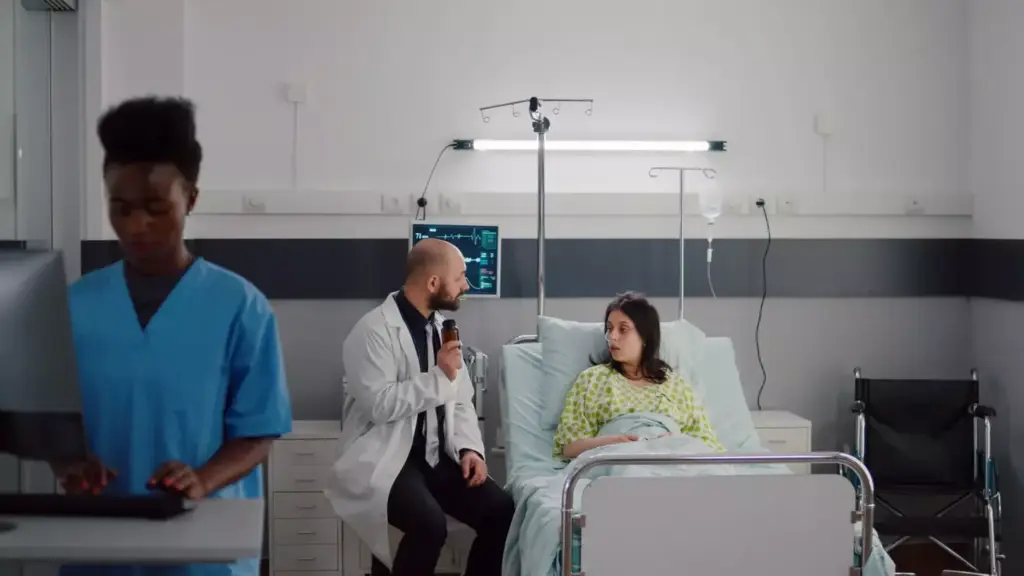
Chemotherapy is a systemic treatment that uses drugs to target cancer cells throughout the body. It’s a crucial component of cancer treatment, aimed at killing cancer cells or stopping them from growing and dividing. We understand that a cancer diagnosis can be overwhelming, and it’s natural to have questions about the treatment process.
What Is Chemotherapy?
Chemotherapy, often referred to as “chemo,” is a type of cancer treatment that uses one or more anti-cancer drugs as part of a standardized chemotherapy regimen. It’s used to treat various types of cancer, including ovarian, breast, and lung cancer. Chemotherapy can be administered through different methods, including intravenous (IV) infusion, oral medication, or injection.
As noted by the American Cancer Society, “Chemotherapy is the use of drugs to destroy cancer cells.”
“Chemotherapy is used to treat cancer, and it works by keeping cancer cells from growing and dividing.”
This quote highlights the fundamental purpose of chemotherapy in cancer treatment.
Common Types of Cancer Treated with Chemotherapy
Chemotherapy is used to treat a wide range of cancers. Some of the most common types include:
- Ovarian cancer
- Non-small cell lung cancer
- Breast cancer
- Leukemia
- Lymphoma
| Type of Cancer | Common Chemotherapy Drugs |
|---|---|
| Ovarian Cancer | Carboplatin, Paclitaxel |
| Non-Small Cell Lung Cancer | Cisplatin, Docetaxel |
| Breast Cancer | Doxorubicin, Cyclophosphamide |
How Chemotherapy Works in the Body
Chemotherapy works by targeting rapidly dividing cells, such as cancer cells, and disrupting their ability to grow and multiply. The goal is to destroy cancer cells while minimizing damage to healthy cells. However, chemotherapy can also affect healthy cells that divide quickly, such as hair follicles, bone marrow, and the lining of the mouth and intestines, leading to potential side effects.
By understanding how chemotherapy works and what to expect, patients can better prepare themselves for the treatment process. We will continue to explore the details of chemotherapy treatment in the following sections.
How Long Is Chemotherapy: Treatment Cycles and Duration

Understanding how long chemotherapy lasts is crucial for patients preparing for treatment. We recognize that the length of chemotherapy treatment can vary significantly from one patient to another. On average, a complete course of chemotherapy can last anywhere from a few months to a year or more.
Average Length of a Complete Chemotherapy Course
The average duration of chemotherapy is influenced by the type and stage of cancer. For instance, early-stage cancers might require shorter treatment periods, typically lasting around 3 to 6 months. In contrast, more advanced cancers or those that have spread may require longer treatment durations, sometimes extending up to a year or more.
Factors That Determine Treatment Duration
Several factors determine how long chemotherapy treatment will last. These include:
- The type and stage of cancer
- The patient’s overall health and how well they respond to treatment
- The specific chemotherapy regimen prescribed
- The presence of any other health conditions
Understanding these factors helps patients and their healthcare providers plan the most effective treatment strategy.
Understanding Chemotherapy Cycles
Chemotherapy is typically administered in cycles, which involve a treatment period followed by a rest period. This cycle allows the body to recover from the effects of chemotherapy. The length of each cycle and the number of cycles vary depending on the chemotherapy regimen and the patient’s response to treatment.
By understanding chemotherapy cycles and the factors that influence treatment duration, patients can better prepare themselves for the journey ahead.
Duration of Individual Chemotherapy Sessions
Understanding the duration of individual chemotherapy sessions is crucial for patients to plan their treatment journey effectively. Chemotherapy sessions can vary significantly in length, and being informed about what to expect can help patients prepare better.
Typical Session Timeframes
Chemotherapy sessions can last anywhere from one to six hours, depending on the type of treatment and the drugs administered. The average session typically ranges from two to four hours, but this can vary based on individual patient needs and the specific chemotherapy protocol.
Factors Affecting Session Length
Several factors can influence the length of a chemotherapy session. These include:
- The type of chemotherapy drugs being used
- The method of administration (intravenous, oral, or injection)
- The patient’s overall health and response to treatment
- The specific chemotherapy protocol designed by the oncologist
Different Administration Methods and Their Durations
The method of chemotherapy administration can significantly impact the session duration. Here’s a breakdown of common administration methods and their typical durations:
| Administration Method | Typical Duration |
|---|---|
| Intravenous (IV) Chemotherapy | 1-6 hours |
| Oral Chemotherapy | Usually taken at home, minimal clinical time |
| Injection Chemotherapy | Typically 15-60 minutes |
It’s essential for patients to discuss their specific treatment plan with their healthcare provider to understand the expected duration of their chemotherapy sessions.
Preparing for Your First Chemotherapy Session
Preparing for your initial chemotherapy treatment involves several key steps to ensure a smooth experience. As you begin this significant journey, understanding what to expect can help alleviate anxiety and make the process more manageable.
Medical Evaluations and Tests
Before starting chemotherapy, you will undergo a series of medical evaluations and tests. These assessments are crucial to ensure that you are healthy enough for the treatment and to identify any potential issues early on. Some of the tests you may undergo include:
- Blood tests to check your blood cell count and overall health.
- Imaging tests such as X-rays, CT scans, or MRI scans to assess the extent of the cancer.
- Heart function tests to ensure that your heart is strong enough for chemotherapy.
These tests provide your healthcare team with valuable information to tailor the treatment to your specific needs.
What to Bring to Your First Session
On the day of your first chemotherapy session, it’s essential to be prepared with the necessary items. Here are some things you should bring:
- Insurance cards and identification to ensure that your treatment is processed correctly.
- A list of your medications to inform your healthcare team about any drugs you are currently taking.
- A companion who can provide emotional support and help you remember important information.
- Comfortable clothing to make your treatment as comfortable as possible.
Being prepared with these items can help make your first session less stressful.
Mental and Emotional Preparation
Chemotherapy can be a challenging experience, both physically and emotionally. It’s crucial to prepare yourself mentally and emotionally for the journey ahead. Here are some tips:
- Stay informed about your treatment and what to expect.
- Seek support from family, friends, or support groups.
- Practice relaxation techniques such as deep breathing, meditation, or yoga.
By taking these steps, you can better cope with the challenges of chemotherapy and maintain a positive outlook.
What Happens During Your First Day of Chemotherapy
The first day of chemotherapy marks the beginning of your treatment, and we’re here to guide you through what to expect. As you prepare for this significant step, it’s natural to feel a mix of emotions. Our team is committed to making this process as smooth and comfortable as possible.
Initial Evaluation and Orientation
Upon arrival, you’ll undergo an initial evaluation to assess your current health status. This may include reviewing your medical history, checking vital signs, and discussing any concerns or questions you may have. Our healthcare team will also provide an orientation to the chemotherapy unit, explaining the layout, introducing you to the staff, and outlining the treatment process.
Education About the Treatment Process
Education is a crucial part of your first day. We will explain the specifics of your chemotherapy regimen, including the drugs being used, their potential side effects, and how to manage them. You’ll also receive guidance on self-care during treatment, including advice on nutrition, hydration, and rest.
The Actual Administration Process
The administration of chemotherapy is a carefully managed process. Depending on your treatment plan, chemotherapy can be administered through various methods, such as intravenous (IV) infusion, oral medication, or injections. Our team will ensure that the chosen method is carried out safely and comfortably.
Monitoring During Treatment
Throughout your treatment, you’ll be closely monitored for any immediate reactions or side effects. This includes regular checks of your vital signs and overall condition. Our team is trained to respond quickly and effectively to any concerns that may arise, ensuring your safety and comfort throughout the process.
By understanding what to expect on your first day of chemotherapy, you can feel more prepared and confident as you begin your treatment journey. We’re here to support you every step of the way.
Common Side Effects During Chemotherapy Sessions
Understanding the common side effects of chemotherapy is crucial for patients undergoing treatment. Chemotherapy is a systemic treatment that can affect various aspects of a patient’s health, leading to a range of side effects. We work closely with our patients to manage these side effects effectively, ensuring they receive comprehensive care throughout their treatment journey.
Immediate Reactions During Treatment
Some patients may experience immediate reactions during chemotherapy sessions. These can include allergic reactions, such as rashes or itching, and other acute responses. Our medical team is trained to monitor patients closely during treatment, ready to address any immediate reactions that may occur.
Managing Nausea and Discomfort
Nausea is a common side effect of chemotherapy, but it can be managed effectively with the right medications and strategies. We educate our patients on how to manage nausea and discomfort, both during and after treatment, to improve their overall comfort and well-being.
Anti-nausea medications are often prescribed to prevent or minimize nausea. Additionally, dietary adjustments and relaxation techniques can help alleviate discomfort. Our team works with patients to develop a personalized plan for managing nausea and other side effects.
Fatigue and Energy Levels
Fatigue is another prevalent side effect of chemotherapy, affecting patients’ energy levels and overall quality of life. We advise patients on strategies to manage fatigue, including pacing their activities, maintaining a balanced diet, and engaging in gentle exercise when possible.
It’s essential for patients to listen to their bodies and rest when needed. By managing fatigue effectively, patients can maintain their strength and continue with their daily activities as much as possible.
Specific Side Effects from Drugs Like Neulasta
Certain chemotherapy drugs, such as Neulasta (pegfilgrastim), can have specific side effects. Neulasta is used to stimulate the production of white blood cells, reducing the risk of infection. Common side effects of Neulasta include bone pain, fatigue, and nausea.
We inform our patients about the potential side effects of specific drugs they are receiving, ensuring they are prepared and know how to manage these effects. By understanding the side effects associated with their treatment, patients can better navigate their chemotherapy journey.
What to Expect After Your First Chemotherapy Treatment
Understanding what happens after your first chemotherapy treatment can help alleviate anxiety and prepare you for the journey ahead. As you begin this significant step in your cancer treatment, being informed about the post-treatment period is crucial for managing your health effectively.
The First 24-48 Hours Post-Treatment
The first 24-48 hours after your initial chemotherapy session are critical. During this time, your body starts to react to the treatment, and you may begin to experience some side effects. Fatigue is one of the most common immediate reactions, as your body works to adjust to the chemotherapy drugs. It’s essential to rest and allow your body to recover during this period.
You may also encounter other side effects such as nausea, vomiting, or changes in appetite. These symptoms can vary in intensity and are influenced by the type of chemotherapy you’re receiving. Staying hydrated and maintaining a balanced diet can help mitigate some of these effects.
Managing Side Effects at Home
Managing side effects at home requires a combination of self-care strategies and, in some cases, medication. To manage nausea, you can try eating small, frequent meals and avoiding strong-smelling foods. For fatigue, pacing your activities and taking regular breaks can help conserve energy.
- Stay hydrated by drinking plenty of fluids.
- Eat a balanced diet rich in nutrients.
- Rest when needed, as fatigue is a common side effect.
- Use anti-nausea medication as prescribed by your healthcare provider.
It’s also beneficial to keep a journal of your side effects to discuss with your healthcare team during follow-up appointments.
When to Contact Your Healthcare Provider
While many side effects can be managed at home, there are instances when you should contact your healthcare provider. If you experience severe symptoms such as high fever, uncontrolled vomiting, or signs of infection, it’s crucial to seek medical attention promptly.
Your healthcare team will provide guidance on what to expect and when to seek help. Don’t hesitate to reach out if you’re unsure about any symptoms you’re experiencing. Being proactive about your health can make a significant difference in your treatment journey.
Different Types of Chemotherapy and Their Specific Timeframes
Understanding the different types of chemotherapy is crucial for patients to know what to expect during their treatment journey. Chemotherapy is a versatile treatment that can be administered in various ways, each with its own duration and schedule. We will work closely with patients to determine the most appropriate type and duration of chemotherapy based on their individual needs and medical condition.
Intravenous (IV) Chemotherapy Duration
Intravenous chemotherapy involves delivering drugs directly into a vein through a needle or catheter. The duration of IV chemotherapy sessions can vary significantly, typically ranging from a few minutes to several hours. Some IV treatments are given in cycles, with periods of rest in between to allow the body to recover.
- Short infusions might last between 15 to 30 minutes.
- Longer infusions can take several hours, sometimes requiring patients to stay overnight in the hospital.
Oral Chemotherapy Schedules
Oral chemotherapy involves taking medication in pill or liquid form. The schedule for oral chemotherapy can vary, but it is typically taken daily or weekly, depending on the specific drugs and treatment plan. Patients need to adhere strictly to the prescribed schedule to ensure the effectiveness of the treatment.
It’s crucial for patients to understand the importance of maintaining the prescribed dosage and schedule.
Injection Chemotherapy Timing
Injection chemotherapy, where drugs are administered via a shot, is less common but still an effective method. The timing for injection chemotherapy can vary, with some injections given weekly or monthly. The frequency depends on the type of cancer and the specific chemotherapy drugs used.
Continuous Infusion Chemotherapy
Continuous infusion chemotherapy involves delivering drugs over a prolonged period, often 24 hours a day, for several days or weeks. This method is typically used for certain types of cancer and requires a portable pump to administer the medication continuously.
We understand that navigating the different types of chemotherapy and their timeframes can be challenging. Our healthcare team is dedicated to providing comprehensive support and guidance throughout the treatment process, ensuring that patients are well-informed and comfortable with their treatment plan.
Comprehensive Care Approach During Chemotherapy
Comprehensive care is a cornerstone of our chemotherapy treatment approach, ensuring that patients receive holistic support. We understand that a comprehensive care plan is essential for managing the complexities of chemotherapy treatment.
Integrated Treatment Teams
Our integrated treatment teams are composed of oncologists, nurses, supportive care specialists, and other healthcare professionals who work together to provide seamless care. This multidisciplinary approach ensures that all aspects of a patient’s health are considered during treatment.
- Oncologists and hematologists who specialize in cancer treatment
- Nurses who provide direct care and support
- Supportive care specialists who help manage side effects
- Nutritionists who offer guidance on maintaining optimal nutrition
Supportive Care Services
Supportive care is a critical component of our comprehensive care approach. We offer various services to help manage the side effects of chemotherapy and improve patients’ quality of life.
Supportive care services include:
- Symptom management
- Pain management
- Emotional and psychological support
- Nutritional counseling
“The comprehensive care approach has been a game-changer for me. The team has been incredibly supportive throughout my chemotherapy journey.” – Patient testimonial
Nutrition and Physical Activity Guidance
Proper nutrition and physical activity play a vital role in managing the side effects of chemotherapy and maintaining overall health. Our team provides personalized guidance on nutrition and physical activity to help patients make informed decisions.
Some key recommendations include:
- Eating a balanced diet rich in fruits, vegetables, and whole grains
- Staying hydrated by drinking plenty of water
- Engaging in gentle physical activities like walking or yoga
- Avoiding foods that can exacerbate side effects
By providing comprehensive care, we empower our patients to take an active role in their treatment and recovery. Our goal is to ensure that every patient receives the support they need to navigate their chemotherapy journey successfully.
Conclusion: Navigating Your Chemotherapy Journey
Undergoing chemotherapy can be a challenging experience, but with the right support and care, patients can navigate their journey with confidence. At Liv Hospital, we’re committed to providing world-class healthcare with complete support for our international patients.
Navigating chemotherapy requires understanding what to expect during treatment and how to manage side effects effectively. By being informed and prepared, patients can better cope with the treatment process.
Managing chemo side effects is a crucial aspect of the chemotherapy journey. Our healthcare team works closely with patients to minimize discomfort and ensure the best possible outcomes.
We understand the importance of a comprehensive care approach during chemotherapy. Our integrated treatment teams, supportive care services, and guidance on nutrition and physical activity all contribute to a patient’s ability to navigate their chemotherapy journey successfully.
How long is a typical chemotherapy session?
The duration of individual chemotherapy sessions can vary significantly, typically ranging from one to six hours, depending on the type of chemotherapy drugs being used, the method of administration, and the patient’s individual needs.
What should I expect during my first chemotherapy treatment?
During your first chemotherapy treatment, you can expect an initial evaluation and orientation to understand the treatment process, education about the chemotherapy drugs being used, and the actual administration process. Our healthcare team will also monitor you during treatment to ensure your safety and comfort.
How long does chemotherapy treatment typically last?
The length of chemotherapy treatment can vary significantly from one patient to another, typically lasting anywhere from a few months to a year or more, depending on the type and stage of cancer, the patient’s overall health, and how well they respond to the treatment.
What are the common side effects of chemotherapy, and how can they be managed?
Common side effects of chemotherapy include nausea, fatigue, and hair loss. Our healthcare team will work with you to manage these side effects, using medications and other strategies to minimize discomfort. We also educate you on how to manage side effects at home, ensuring you receive comprehensive care throughout your treatment journey.
What is the difference between intravenous (IV) chemotherapy and oral chemotherapy?
Intravenous (IV) chemotherapy is administered directly into a vein, typically taking anywhere from 30 minutes to several hours, depending on the specific drugs and treatment plan. Oral chemotherapy, on the other hand, is taken in pill or liquid form, and its duration depends on the specific schedule and treatment plan.
How often will I need to undergo chemotherapy sessions?
The frequency of chemotherapy sessions depends on the type and stage of cancer, the patient’s overall health, and the specific treatment plan. Chemotherapy cycles typically involve a treatment period followed by a rest period to allow the body to recover.
What kind of support can I expect during my chemotherapy journey?
At Liv Hospital, we provide comprehensive care to our patients during chemotherapy, including integrated treatment teams, supportive care services, and guidance on nutrition and physical activity to help manage side effects and maintain overall health.
When should I contact my healthcare provider after chemotherapy?
You should contact your healthcare provider if you experience any severe or concerning side effects, such as severe nausea, vomiting, or fever, or if you have any questions or concerns about your treatment or recovery.