
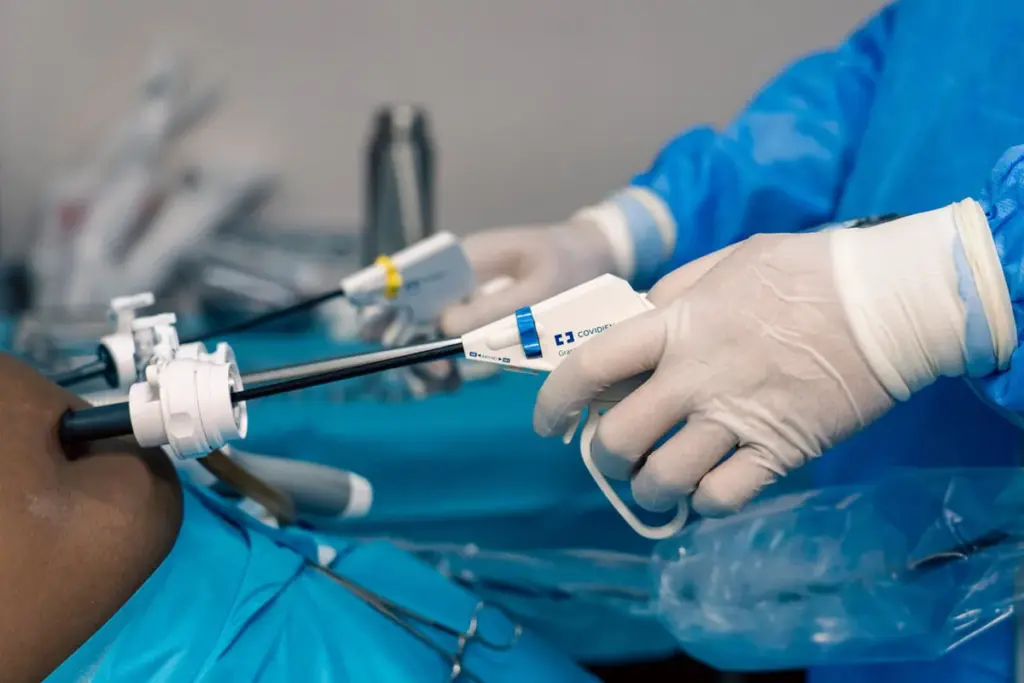
Choosing to have gastric bypass surgery is a big step. It’s important to know what to expect during recovery. Many people wonder how long they’ll stay in the hospital after surgery. Learn how long is gastric bypass surgery and hospital stays. Get best amazing and incredible proven facts for a successful recovery.
Usually, you’ll stay in the hospital for 2-3 days after a gastric bypass procedure. This time is important. Doctors watch for any problems and help with pain.
Surgery can seem scary, but knowing what happens next can help. Our team is here to give you the best care and support as you recover.
Key Takeaways
- The average hospital stay after gastric bypass surgery is 2-3 days.
- Hospital stay allows for monitoring and managing post-operative pain.
- Understanding the recovery process helps in reducing anxiety.
- Comprehensive care and support are provided throughout the recovery journey.
- Patients are monitored for any immediate complications post-surgery.
Understanding Gastric Bypass Surgery
Gastric bypass surgery, also known as bariatric surgery, is a procedure that helps people lose weight. It reduces the size of the stomach. This surgery is for those who have struggled with obesity and related health issues.
What Is Gastric Bypass Surgery?
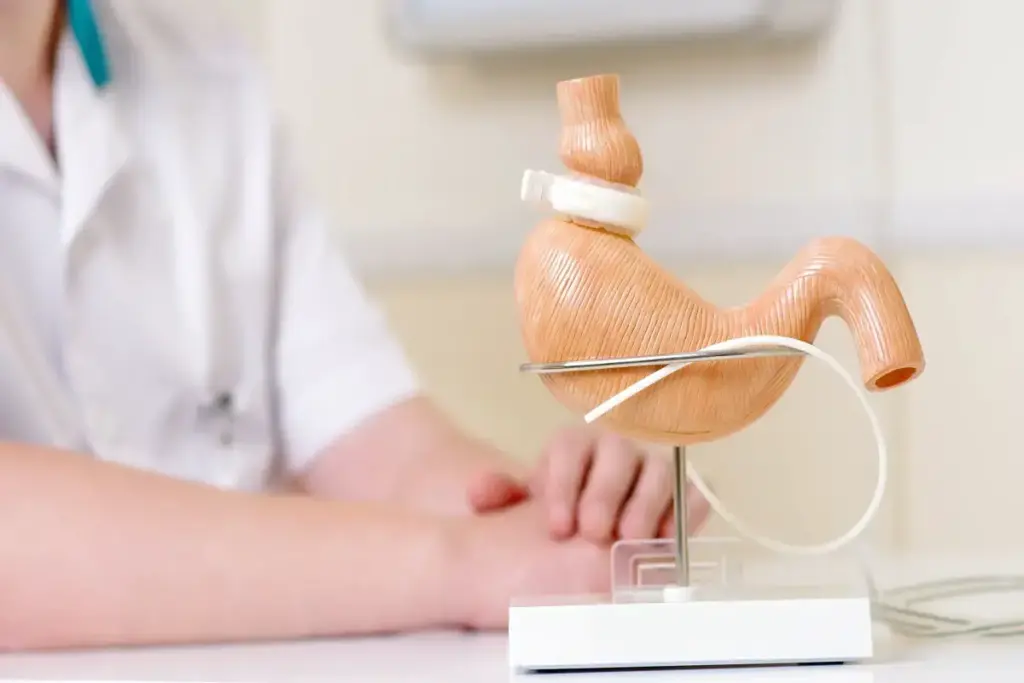
Gastric bypass surgery creates a small pouch from the stomach and connects it to the small intestine. This limits food intake and reduces nutrient absorption. It helps in significant weight loss. The procedure aims to help individuals achieve a healthier weight, improving overall well-being and reducing the risk of obesity-related diseases.
Who Qualifies for This Procedure?
To qualify for gastric bypass surgery, individuals must have a Body Mass Index (BMI) of 40 or higher. Or, a BMI of 35 with obesity-related health conditions like diabetes or hypertension. A thorough evaluation by a healthcare team is necessary to determine eligibility. They consider overall health, previous weight loss attempts, and commitment to post-surgery lifestyle changes.
Different Types of Gastric Bypass Procedures
There are several types of gastric bypass surgeries, including Roux-en-Y gastric bypass, mini-gastric bypass, and biliopancreatic diversion with duodenal switch. Each procedure has its unique characteristics and benefits. The choice of procedure depends on various factors, including the patient’s health status, weight loss goals, and the surgeon’s recommendation.
Understanding these aspects of gastric bypass surgery is essential for making an informed decision about undergoing this life-changing procedure.
How Long Is Gastric Bypass Surgery?
The time it takes for gastric bypass surgery can change a lot. Knowing what affects it helps patients get ready and understand what’s coming.
Average Duration of the Procedure
Gastric bypass surgery usually lasts 2 to 4 hours. This can change based on how complex the surgery is and the techniques used.
Factors That May Extend Surgery Time
Several things can make surgery last longer. These include:
- The patient’s overall health and any pre-existing medical conditions.
- The complexity of the gastric bypass procedure.
- The surgeon’s experience and the surgical team’s efficiency.
- Any unexpected complications that may arise during the surgery.
Laparoscopic vs. Open Surgery Duration
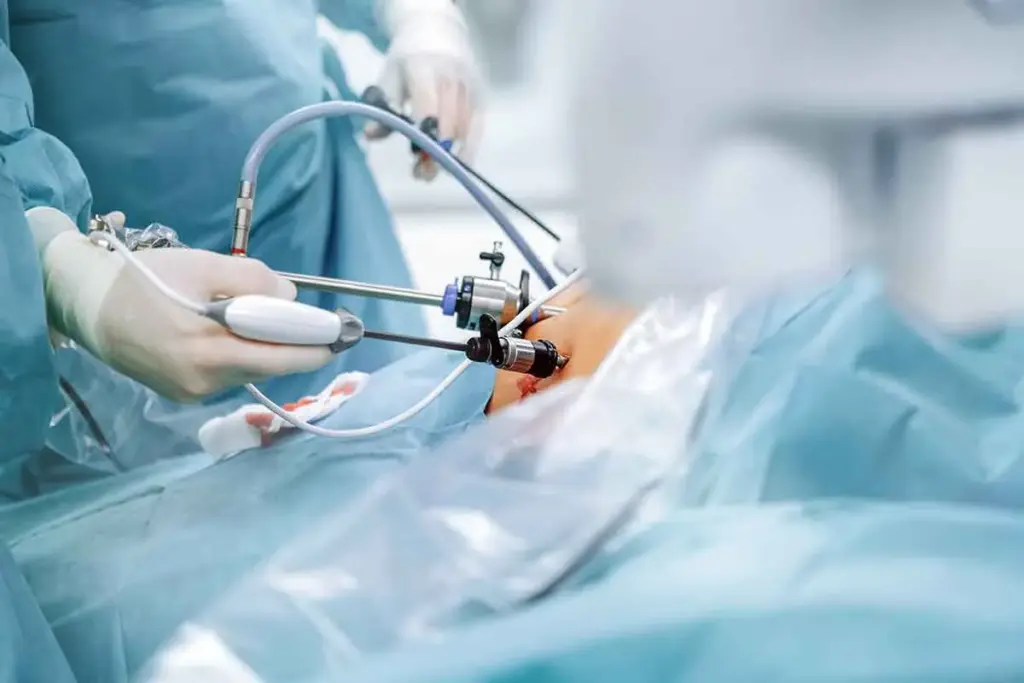
The surgery type also affects how long it lasts. Laparoscopic surgery is less invasive and often shorter than open surgery. But, the exact time can vary with each case.
|
Surgery Type |
Average Duration |
Factors Influencing Duration |
|---|---|---|
|
Laparoscopic Gastric Bypass |
2-3 hours |
Surgeon’s experience, patient’s health |
|
Open Gastric Bypass |
3-4 hours |
Complexity of the case, patient’s condition |
It’s key for patients to talk to their surgeon about their specific situation. This way, they can get a better idea of how long the surgery will take.
Preparing for Your Hospital Stay
Getting ready for your hospital stay is key to a smooth recovery after gastric bypass surgery. As your surgery date approaches, there are steps you can take. These will help make your hospital stay comfortable and stress-free.
What to Pack for Your Hospital Stay
Selecting the appropriate items to pack not only enhances your comfort during the hospital stay but also contributes to a more positive recovery experience. Here are some must-haves:
- Comfortable clothing: Wear loose, comfy clothes that won’t press on your belly.
- Personal care items: Pack your own toiletries, like toothbrush, toothpaste, and hygiene items.
- Slippers or comfortable shoes: You’ll need these for walking around the hospital.
- Phone and charger: Keep your phone charged to stay in touch with loved ones.
- Books or entertainment: Bring something to enjoy during downtime.
Important Documents and Information to Bring
It’s vital to bring the right documents and information for a smooth admission. These include:
- Insurance cards and identification: Have all your insurance info and a valid ID ready.
- Medical records: Bring any medical records, test results, and medication lists.
- Contact information: Give the hospital your emergency contact details.
- Pre-operative instructions: Follow any instructions from your surgical team.
Mental Preparation for Surgery and Recovery
Mental preparation is as important as physical prep for gastric bypass surgery. Here are some mental prep tips:
- Understand the procedure: Learn about the surgery, its benefits, and risks.
- Set realistic expectations: Recovery takes time and patience.
- Build a support network: Surround yourself with supportive family and friends.
- Practice relaxation techniques: Use deep breathing, meditation, or yoga to reduce stress.
By following these steps, you’ll be well-prepared for your hospital stay. This will help you have a successful gastric bypass surgery experience.
Pre-Surgery Hospital Admission Process
Getting ready for gastric bypass surgery can feel overwhelming. We want to make sure you know what to expect. This way, you can feel more at ease with your journey.
When You’ll Need to Arrive at the Hospital
Patients usually arrive at the hospital a few hours before surgery. This lets us get everything ready for you. Plan to arrive 2-3 hours early for check-in, changing, and final preparations.
It’s important to listen to your healthcare team about when to arrive. Your needs and the hospital’s rules might be different.
Pre-Operative Testing and Preparation
When you arrive, you’ll do some tests and preparations. These include:
- Blood tests to check your health
- Electrocardiogram (ECG) for your heart
- Imaging studies if needed
- Review of your medical history and medications
Our team will help you through each step. We want you to feel comfortable and informed.
Meeting With Your Surgical Team
You’ll meet your surgical team before surgery. This includes the surgeon, anesthesiologist, and nurses. It’s a key part of the process because we can:
- Go over your surgery plan and answer questions
- Talk about anesthesia and pain management
- Address any concerns or fears
One of our patients said,
“The pre-surgery process was much less intimidating than I expected. The staff were incredibly supportive and made sure I understood everything.”
We aim to make your hospital admission as smooth and stress-free as possible. Knowing what to expect helps you prepare for a successful surgery and recovery.
Typical Hospital Stay Duration After Gastric Bypass
Knowing how long you’ll stay in the hospital after gastric bypass surgery can ease worries. The time you spend there depends on the surgery type and your health.
Standard Length of Stay for Uncomplicated Procedures
Patients with no surgery complications usually stay 2 to 3 days. This time is for recovery and to be checked by doctors.
Comparison: Laparoscopic vs. Open Surgery Recovery
Laparoscopic surgery is less invasive, leading to shorter hospital stays. Patients might stay 1 to 2 days after laparoscopic gastric bypass. Open surgery patients often stay 3 to 5 days or more, depending on their recovery.
Statistical Averages Across U.S. Hospitals
U.S. hospitals report an average stay of 2.5 days for gastric bypass patients. But, this can change based on the hospital, the surgical team, and the patient’s health.
|
Surgery Type |
Average Hospital Stay |
Recovery Time |
|---|---|---|
|
Laparoscopic Gastric Bypass |
1-2 days |
2-4 weeks |
|
Open Gastric Bypass |
3-5 days |
4-6 weeks |
It’s key to talk to your healthcare provider about your specific case. They can give a better idea of your hospital stay and recovery time.
The First 24 Hours After Surgery
After gastric bypass surgery, the first day is key for a good recovery. It involves watching over patients closely, managing pain, and starting to move around.
Recovery Room and Intensive Monitoring
Patients go to the recovery room after surgery. Here, they get close care to handle any immediate problems and keep their vital signs stable. The team watches over them, ready to tackle any issues.
Pain Management Protocols
Managing pain is a top priority in the first 24 hours. Patients get pain meds like PCA to ease their discomfort. The aim is to keep pain low, helping them start their recovery smoothly.
- Pain checks are done often to adjust meds as needed.
- Patients are urged to tell their doctors about their pain.
- Using different methods to manage pain helps reduce opioid use.
Initial Mobility Expectations
Moving early is important to avoid problems like blood clots and to aid healing. Patients are usually asked to get up and walk a bit within the first 24 hours. This early movement is vital for a smooth recovery.
As we help patients through the first 24 hours, we focus on their medical care and well-being.
Day-by-Day Recovery Timeline in the Hospital
After gastric bypass surgery, the recovery journey in the hospital is carefully guided. Knowing this timeline helps manage expectations and reduces anxiety.
Post-Anesthesia Care on Day 1
The first day focuses on recovering from anesthesia. Patients are watched closely in the post-anesthesia care unit (PACU) for any immediate issues.
Day 1 includes:
- Monitoring of vital signs
- Pain management
- Initial assessment of mobility
Beginning Mobility and Liquid Diet on Day 2
On the second day, patients start to move more and try a liquid diet. This is a big step towards getting better.
Day 2 involves:
- Increasing mobility with healthcare help
- Starting a clear liquid diet
- Watching for any post-surgical issues
Preparing for Discharge on Day 3 and Beyond
By the third day, most patients are doing well and ready to go home. The healthcare team checks if the patient can handle pain, liquids, and basic movements.
Key steps for discharge include:
|
Milestone |
Description |
Importance |
|---|---|---|
|
Pain Management |
Ability to manage pain with oral medication |
High |
|
Dietary Tolerance |
Tolerance to clear liquids without nausea or vomiting |
High |
|
Mobility |
Ability to walk and perform basic self-care |
High |
Factors That May Extend Your Hospital Stay
Knowing what can make your hospital stay longer after gastric bypass surgery is key. While many people recover well, some issues can make it harder. It’s important to be ready for these challenges.
Pre-Existing Medical Conditions
Having health problems before surgery can affect how long you stay in the hospital. Issues like diabetes, heart disease, and breathing problems can make recovery harder. Patients with these conditions might need more care and watchful eyes, which can mean a longer stay.
Surgical Complications
Even though rare, surgery problems can happen. Issues like bleeding, infection, or surgery-related problems need extra treatment. Quickly finding and fixing these problems is key for a good recovery.
Recovery Challenges
Recovery can also face obstacles. Problems like pain, moving around, or adjusting to new foods can slow things down. Dealing with these issues well is important for a smooth recovery and avoiding a longer hospital stay.
Knowing about these factors helps patients get ready for their hospital and recovery time. It’s vital to listen to doctors to lower risks and get the best results.
Medical Monitoring During Your Hospital Stay
Medical monitoring is key during your stay after gastric bypass surgery. It helps us quickly handle any problems. Our team works hard to give you the best care for a safe recovery.
Vital Signs and Pain Assessment
We keep a close eye on your vital signs like heart rate and blood pressure. We also watch your oxygen levels. Managing your pain is important for a comfortable recovery. Our team uses pain scales to understand and adjust your care.
- Regular checks on vital signs
- Continuous pain assessment
- Adjustments to pain management as needed
Wound Care and Drainage Management
Good wound care is essential to avoid infection and help healing. Our team watches the surgical area for any signs of trouble. We also manage surgical drains to prevent infection.
Laboratory Tests and Imaging
We do lab tests and imaging as needed to check your recovery. This includes blood tests for infection and imaging like X-rays for the surgical site.
- Blood tests for infection or other complications
- Imaging studies to assess the surgical site
- Other diagnostic tests as needed
By monitoring your condition closely, we can give you the right care. This helps support your recovery and quickly address any issues.
Nutrition and Hydration in the Hospital
After gastric bypass surgery, patients get careful nutrition and hydration in the hospital. We know that good nutrition is key for healing and recovery. Our team works hard to support patients in this important time.
IV Fluids and Hydration
At first, patients get IV fluids to stay hydrated. IV hydration is very important in the first 24 hours. It helps replace lost fluids and keeps electrolytes balanced. Our medical team watches patients’ hydration levels closely and adjusts IV fluids as needed.
Transitioning to Clear Liquids
As patients get better, they start with clear liquids. This step is key for getting their digestive system ready for the diet after surgery. Clear liquids are easy to digest and help prevent dehydration. Patients are encouraged to drink water, clear broths, or electrolyte-rich drinks.
Dietary Progression Before Discharge
Before leaving the hospital, patients move to a more solid diet. They start with pureed foods and then soft, solid foods. Dietary progression is tailored to each patient’s comfort. Our nutritionists teach patients about the gastric bypass surgery diet and how to manage their nutrition at home.
We want patients to be medically stable and well-nourished before they go home. By discharge, patients know what they need to eat and how to stay hydrated. They are ready to continue their recovery at home.
“Proper nutrition after gastric bypass surgery is not just about eating less, it’s about eating right. Patients need to focus on nutrient-dense foods to support their overall health and weight loss goals.”— Expert in Bariatric Nutrition
We give patients detailed nutritional guidelines and resources to help them recover. This includes tips on meal planning, portion control, and managing dietary challenges after surgery.
- Eating small, frequent meals
- Choosing protein-rich foods
- Avoiding sugary and high-fat foods
- Staying hydrated by drinking plenty of water
By following these tips, patients can get the most from their nutrition. This helps them on their weight loss journey and improves their health.
Physical Activity and Emotional Well-being
Recovering from gastric bypass surgery is not just about physical healing. It also involves emotional well-being. Understanding how physical activity and emotional health are connected is key during this time.
Early Ambulation Benefits
Walking soon after surgery is a big part of recovery. Early walking helps prevent blood clots, improves blood flow, and speeds up healing. We advise patients to start walking as soon as they can, with help from doctors and nurses.
A study in the Journal of Gastrointestinal Surgery found that early walking lowers the chance of complications after gastric bypass surgery.
“Early mobilization is a key factor in preventing pulmonary and thromboembolic complications.”
Recommended Exercises While Hospitalized
While in the hospital, patients should do simple exercises to keep blood flowing and prevent stiffness. Leg lifts, ankle rotations, and deep breathing exercises are recommended. These activities help with physical recovery and can also reduce stress and anxiety.
|
Exercise |
Description |
Benefits |
|---|---|---|
|
Leg Lifts |
Lift your legs one at a time while lying in bed |
Improves circulation, reduces stiffness |
|
Ankle Rotations |
Rotate your ankles in both clockwise and counter-clockwise directions |
Enhances blood flow, prevents clot formation |
|
Deep Breathing Exercises |
Take slow, deep breaths in through your nose and out through your mouth |
Reduces stress, improves oxygenation |
Managing Emotional Responses During Recovery
It’s just as important to manage emotional responses as it is to focus on physical healing. Patients may feel anxious, frustrated, relieved, or hopeful. We encourage talking openly with healthcare providers and loved ones about these feelings.
To take care of emotional well-being, patients can try:
- Meditation and relaxation techniques
- Support from family and friends
- Professional counseling services
By focusing on both physical activity and emotional well-being, patients can better navigate their recovery. We are dedicated to supporting our patients every step of the way, ensuring they get the care they need.
Discharge Criteria: When You’re Ready to Go Home
After gastric bypass surgery, patients must meet certain criteria to go home safely. We know recovery is key, and these criteria are a big step towards success.
Medical Stability Requirements
First, you need to be medically stable. This means your heart rate, blood pressure, and oxygen levels are normal. We check if you’re ready for home without needing constant care.
|
Vital Sign |
Normal Range |
|---|---|
|
Heart Rate |
60-100 bpm |
|
Blood Pressure |
90-120/60-80 mmHg |
|
Oxygen Saturation |
95-100% |
Pain Management Control
Managing pain is key for your comfort and healing. We check if you can handle pain with oral meds. You should be able to take these meds without bad side effects.
Dietary Tolerance Milestones
Being able to eat liquids or soft foods is also important. You should be able to eat these without nausea or discomfort. This shows your body is adjusting well after surgery.
Self-Care Capability Assessment
We also check if you can do basic self-care tasks. This includes moving safely, using the bathroom, and managing your meds. We make sure you have support at home for the first few days.
Meeting these criteria means you’re ready to recover safely at home. Our team will help you with instructions, support, and follow-up care. This makes your transition home easier.
Insurance Coverage and Hospital Stay Costs
When preparing for gastric bypass surgery, understanding insurance and hospital costs is key. Knowing these financial details helps patients make better choices about their care.
Typical Coverage for Gastric Bypass Hospitalization
Most insurance plans cover gastric bypass surgery, but coverage varies. Policies differ, and patient situations also play a role. Insurance usually covers the surgery and hospital stay. Yet, some plans might need pre-approval or have special rules.
Understanding Out-of-Pocket Expenses
Even with insurance, patients face out-of-pocket costs. These include deductibles, copays, and coinsurance. They also cover pre-op tests, post-op care, and follow-up procedures.
- Deductibles: The amount patients must pay before insurance kicks in
- Copays: Fixed fees for services like doctor visits or prescriptions
- Coinsurance: A percentage of the total cost patients pay
To lower these costs, patients should review their insurance policy carefully. They should also ask about any unclear parts.
Dealing With Extended Stay Costs
Some patients might need a longer hospital stay due to complications. This can lead to extra costs, which insurance might not cover. It’s vital to talk to your healthcare team about your insurance and what you’ll owe for an extended stay.
To avoid these extra costs, work with your healthcare team. Plan for managing complications and try to avoid long hospital stays.
Potential Complications Requiring Extended Hospitalization
Some patients may face complications after gastric bypass surgery that need more time in the hospital. Gastric bypass surgery is usually safe, but like any big surgery, there are risks. Knowing these risks is key for both patients and doctors to get the best results.
Anastomotic Leaks and Bleeding
Anastomotic leaks are a serious issue after gastric bypass surgery. This happens when there’s a leak at the connection between the stomach pouch and the intestine. Anastomotic leaks can cause severe infection and need quick medical help. Bleeding can also happen during or after surgery, which might need blood transfusions or more surgery.
- Signs of anastomotic leak include fever, abdominal pain, and tachycardia.
- Bleeding complications can show as hematemesis (vomiting blood) or melena (black, tarry stools).
Infection and Wound Healing Issues
Infections can happen at the surgical site or inside the body. Good wound care and watching for infections are key. Things like diabetes, smoking, and not getting enough nutrients can make it harder for wounds to heal.
Respiratory and Cardiovascular Complications
Respiratory problems, like pneumonia or breathing failure, can happen, mainly in those with breathing issues before surgery. Heart attacks or strokes are also possible risks. Keeping an eye on vital signs and moving patients early can help avoid these issues.
Nutritional and Metabolic Concerns
Nutritional problems can happen if diet isn’t managed right after surgery. Patients might lack vitamins and minerals like vitamin B12, iron, and calcium. Changes in metabolism might also need changes in diet and possibly supplements.
Knowing about these complications shows why choosing the right patients, preparing well before surgery, and caring for them closely after is so important. By understanding these risks, doctors can work to reduce them and help patients have the best outcomes from gastric bypass surgery.
Conclusion
Choosing to have gastric bypass surgery is a big decision. It needs careful thought and planning for recovery. Understanding how long you’ll stay in the hospital and the recovery process is key.
The time you spend in the hospital after surgery can vary. It depends on the surgery type and your health. We’ve talked about the different surgeries, how long you might stay, and what affects recovery.
Knowing what to expect during recovery helps patients prepare. We’ve shown how important medical checks, diet, and exercise are during your stay. These things help ensure a smooth recovery.
As you go through gastric bypass surgery and your hospital stay, talk to your healthcare team. They can answer your questions and help with any concerns. With the right care and support, you can have a successful recovery and better health.
FAQ
How long does gastric bypass surgery typically take?
Gastric bypass surgery usually lasts about 1-2 hours. This time can change based on the surgery’s complexity and the surgeon’s skill.
What is the typical hospital stay duration after gastric bypass surgery?
After gastric bypass surgery, you’ll likely stay in the hospital for 1-3 days. This is for laparoscopic procedures. Open surgery might keep you there for 2-5 days.
What factors may extend my hospital stay after gastric bypass surgery?
Your hospital stay might be longer if you have health issues before surgery. Surgery complications or slow recovery can also add days.
How long does it take to recover from gastric bypass surgery?
Recovery from gastric bypass surgery varies. But, most people can get back to normal in 4-6 weeks.
What kind of pain management can I expect after gastric bypass surgery?
We use a mix of medicines and other methods to manage pain. This helps you feel better and recover faster.
How will my nutrition and hydration be managed during my hospital stay?
You’ll get IV fluids and hydration first. Then, you’ll start with clear liquids and a liquid diet before going home.
What are the discharge criteria after gastric bypass surgery?
You’ll be ready to go home when you can manage your pain, eat liquids well, and take care of yourself.
Will my insurance cover the costs of gastric bypass surgery and hospital stay?
Most insurance plans cover gastric bypass surgery. But, what’s covered can depend on your plan and provider.
What are the possible complications that may require extended hospitalization?
Complications like leaks, bleeding, infections, and breathing or heart problems might need you to stay longer.
How can I prepare for my hospital stay and recovery after gastric bypass surgery?
Pack comfy clothes and bring important papers. Also, get ready mentally for the surgery and recovery.
What is the average length of stay for gastric bypass surgery in U.S. hospitals?
In U.S. hospitals, the average stay for gastric bypass surgery is 2-3 days.
How long is the gastric bypass procedure duration?
The gastric bypass procedure usually takes 1-2 hours.
What is the time taken for gastric bypass surgery?
Gastric bypass surgery usually takes 1-2 hours.



 Departments
 Related Videos
 Our Doctors
 News
News