How long is IR residency? Our ultimate guide explains the training pathways, program length, and what the fellowship involves.
Choosing an interventional radiology residency is a key career step. It shapes future clinical skills and patient care. At LivHospital, we offer trusted, high-quality, and patient-centered training. Knowing the length and structure of IR residency programs is key for those aiming to be IR specialists.
The length of an interventional radiology residency varies. The most common program is six years. This includes one year of internship and five years of radiology and IR training. Our top IR residency programs focus on deep clinical exposure, research, and building procedural skills in all IR areas.
Key Takeaways
- IR residency programs vary in length and structure depending on the pathway chosen.
- The most common integrated IR residency is six years.
- Comprehensive training in diagnostic radiology and interventional radiology is provided.
- IR residency programs prepare residents for the demands of this complex field.
- Leading IR programs emphasize clinical exposure, research, and skill-building.
Understanding Interventional Radiology as a Specialty
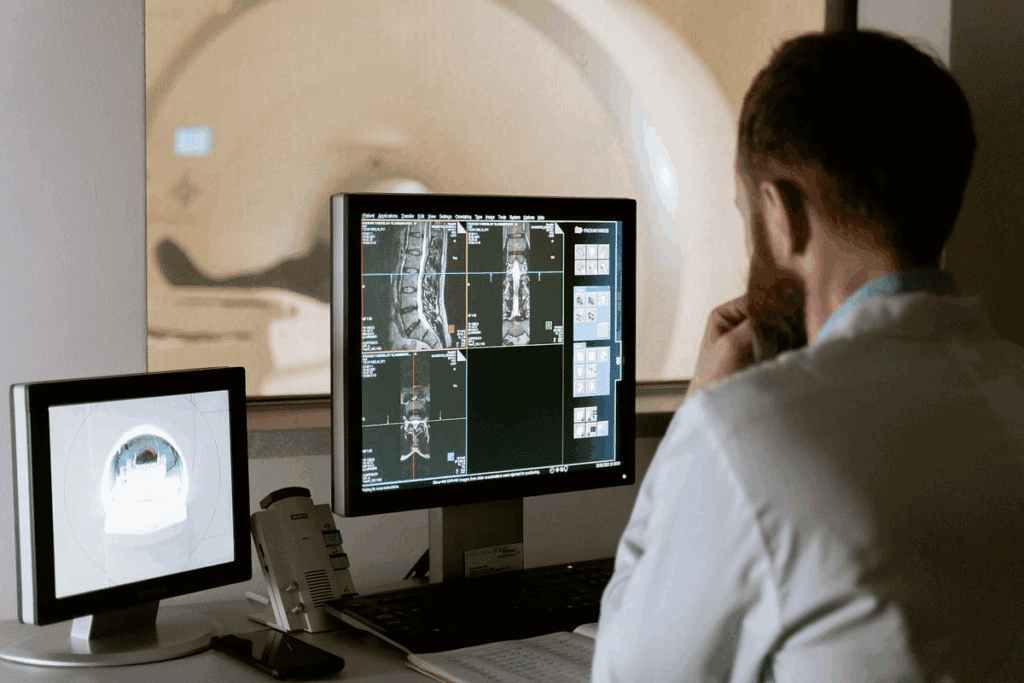
Interventional radiology is a fast-growing field that’s changing medicine. It uses special procedures that are less invasive. These methods help diagnose and treat many diseases.
This field is getting more attention because it can help patients recover faster. It also reduces scarring and offers new ways to avoid surgery.
Definition and Scope of Interventional Radiology
Interventional radiology uses imaging, like ultrasound and X-rays,, ys to guide procedures. These can be for diagnosis or treatment. It covers many areas, including vascular and oncologic interventions.
This field is key in healthcare today. It offers patients less invasive options. This can lead to quicker recovery and fewer complications.
IR is always improving, with new techniques and technologies. Places like Liv Hospital are leading the way. They show IR’s big impact on healthcare worldwide.
Evolution of IR as a Distinct Medical Specialty
IR has grown from diagnostic radiology to a vital part of medicine. Teaching hospitals like St George’s Hospital are toy to this growth. They train the next IR doctors.
IR is evolving, with a focus on better training programs. These programs give residents the skills and knowledge needed. They prepare them for the fast-paced world of IR.
The Growing Demand for Interventional Radiologists
The need for IR doctors is increasing. This is because more people need less invasive treatments. IR is becoming more important for managing chronic diseases.
As the population ages, IR’s role will grow. This makes IR residency programs more important than ever. They are key to training the next generation of IR doctors.
Understanding IR helps us see the value of IR residency programs. These programs are vital for training the next IR doctors. They will lead innovation and excellence in patient care.
Overview of Interventional Radiology Training Pathways
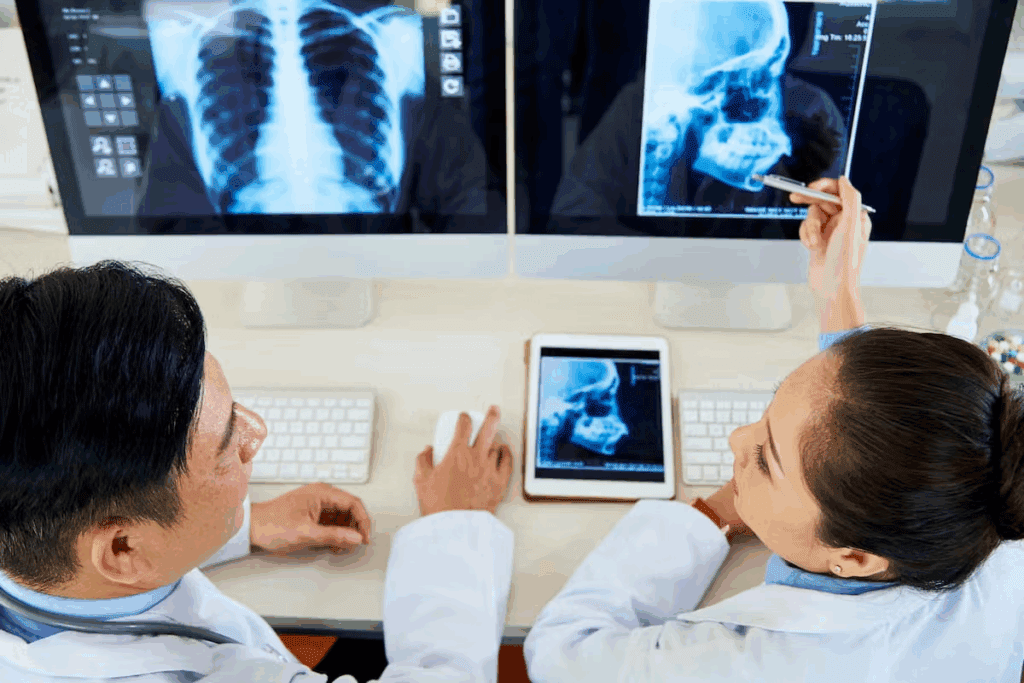
IR residency programs offer different paths to fit various career goals. The length of IR residency varies based on the chosen path. This allows aspiring interventional radiologists to pick the best route for their experience and goals.
People come from different medical backgrounds. Our training pathways are designed to meet these differences. Whether you’re starting from medical school or have a diagnostic radiology residency, there’s a program for you.
Integrated IR Residency
The Integrated IR Residency combines diagnostic radiology and IR training in six years. It’s perfect for those sure about their career choice early. It gives a solid foundation in both areas.
A leading expert says, “The integrated IR residency program offers a seamless transition into the world of interventional radiology. It equips residents with the skills needed to excel in this complex field.”
“The future of IR lies in its ability to integrate cutting-edge technology with clinical expertise.”
Independent IR Residency
The Independent IR Residency is for those with a diagnostic radiology residency. It focuses on IR training, lasting one to two years. It’s great for those who want to improve their IR skills without repeating diagnostic radiology training.
Institutions like Hackensack Meridian Health offer various medical training programs, including radiology. They provide a strong environment for learning and professional growth.
Early Specialization in Interventional Radiology (ESIR)
ESIR allows for early specialization in IR during a diagnostic radiology residency. It gives residents a lot of exposure to IR procedures and principles. This prepares them for a career in IR.
| Training Pathway | Duration | Description |
| Integrated IR Residency | 6 years | Combines diagnostic radiology and IR training |
| Independent IR Residency | 1-2 years | Focused IR training for those with a diagnostic radiology background |
| ESIR | Varies | Early specialization in IR during diagnostic radiology residency |
In conclusion, the choice of an IR training pathway depends on individual career goals and previous medical training. Understanding the different options helps aspiring interventional radiologists make informed decisions about their education and training.
How Long Is IR Residency? Breaking Down the Timeline
IR residency length changes based on the pathway you choose. This is a key thing for those thinking about this specialty to know. The training time affects your career path and getting ready for board exams.
Integrated IR/Medical Expert: 6-Year Duration
The most common IR residency is six years. It combines training in diagnostic radiology and IR. This six-year integrated program gives a wide view of radiology and IR skills. It’s made to make training smoother, so you can start working sooner.
Independent IR Residency: 1-2 Year Duration
If you’ve done diagnostic radiology training, IR residency is shorter. It’s one to two years long. It focuses on advanced IR skills, building on what you already know. The exact time depends on your past training and the program’s needs.
Comparison of Training Timelines with Other Radiology Specialties
Looking at IR residency with other radiology fields gives insight. Diagnostic radiology training is four years, and some fellowships are one to two years. The six-year IR/Medical Expert. Knowing these differences helps plan your career and pick the right path.
Choosing a residency path depends on many things, like your past training and goals. Understanding the different IR residency lengths helps future interventional radiologists make the best choice for their training.
The Structure of Integrated IR Residency Programs
Integrated IR residency programs offer a balanced education. They cover basic clinical skills and advanced IR procedures. This prepares residents for a career in IR, combining diagnostic radiology and interventional radiology.
Internship Year (PGY-1): Clinical Foundation
The first year, or PGY-1, focuses on clinical skills. Residents learn through rotations in internal medicine, surgery, and emergency medicine. This training is key to success in IR.
Early Diagnostic Radiology Training (PGY 2-3)
In PGY 2-3, residents dive into diagnostic radiology. They learn about imaging like X-ray, CT, MRI, and ultrasound. This is when they start to interpret images and develop procedural skills.
Advanced IR Training Years (PGY 4-6)
PGY 4-6 focuses on advanced IR training. Residents perform a variety of IR procedures. They work with experienced radiologists, improving their skills and handling complex cases.
Throughout the program, residents learn a lot. They get both theoretical knowledge and practical skills. This makes them ready for a career in IR as versatile team members.
| Year | Training Focus | Key Skills Developed |
| PGY-1 | Clinical Foundation | Clinical skills, patient care |
| PGY 2-3 | Diagnostic Radiology | Imaging interpretation, procedural basics |
| PGY 4-6 | Advanced IR Training | IR procedures, vascular and non-vascular interventions |
Core Curriculum and Rotations in IR Training
IR residency focuses on giving residents a broad clinical experience. This ensures they are well-rounded. The IR training curriculum is designed to give residents the knowledge and skills needed to succeed in their careers.
Diagnostic Radiology Fundamentals
Diagnostic radiology is at the heart of IR training. Residents learn to read different imaging types like X-rays, CT scans, MRI, and ultrasound. Knowing these tools well is key to spotting patient issues and planning the right treatments.
We stress the need for a solid base in diagnostic radiology. It’s vital for doing IR procedures well. Residents see many cases, which boosts their skill in diagnosing.
Procedural Skills Development
Learning procedural skills is a big part of IR residency. Residents get trained in various IR methods, like vascular and non-vascular interventions. They practice these under the watchful eyes of skilled interventional radiologists.
Our IR programs aim to give residents lots of hands-on practice. They learn everything from planning procedures to caring for patients after them. This includes getting patients ready and handling any issues that might come up.
Clinical Management Training
Clinical management training is key for IR residents. It teaches them how to handle patient care from start to finish. This includes dealing with any problems that might arise.
We also teach the value of teamwork and clear communication in patient care. Residents learn to work well with other healthcare teams to give patients the best care possible.
| Curriculum Component | Description | Skills Acquired |
| Diagnostic Radiology Fundamentals | Interpretation of imaging modalities | Diagnostic accuracy, patient assessment |
| Procedural Skills Development | Training in IR techniques and procedures | Technical proficiency, procedural competence |
| Clinical Management Training | Patient care and management | Patient management, complication handling |
IR residency programs offer a full education that readies residents for their careers. Hackensack Meridian Health focuses on giving radiologic technologists a solid foundation. This shows how critical thorough training is in this field.
Procedural Training in Interventional Radiology Residency
Procedural training is key in IR residency programs. It teaches residents the skills needed for a career in IR. Top IR programs focus on building procedural skills, making sure residents can handle many interventional techniques.
Vascular Interventions
Vascular interventions are a big part of IR training. Residents learn to do angioplasty and stenting, embolization, and thrombolysis. These need precise skills and a good grasp of vascular anatomy.
“Being good at vascular interventions is vital for IR doctors,” says a top interventional radiologist. “It needs technical skill, clinical thinking, and handling complications well.”
Non-Vascular Interventions
IR residents also learn non-vascular procedures like percutaneous biopsy and drainage, and ablation. These are key for diagnosing and treating diseases, including cancer.
Places like St George’s Hospital give thorough training in non-vascular interventions. Residents get hands-on experience and see many different cases.
Oncologic Interventions
Oncologic interventions are a big part of IR work. They include chemoembolization and radioembolization for liver cancer,and other cancers. IR residents learn these techniques, getting ready to work with cancer teams.
- Chemoembolization for liver cancer
- Radioembolization for liver malignancies
- Ablation techniques for various cancers
Neurointervention Exposure
Neurointervention deals with brain and nervous system procedures. Many IR programs offer some training in this area, like cerebral angiography and aneurysm coiling.
This training is valuable. It helps residents understand neurovascular diseases and treatments better, preparing them for complex cases.
Academic and Research Requirements During IR Training
Research and academic work are key parts of Interventional Radiology training. Future interventional radiologists must contribute to the field through various activities.
Research Projects and Publications
IR residents are urged to join research projects. These projects can lead to publications in top medical journals. They improve understanding of IR procedures and encourage innovation.
Publication in peer-reviewed journals shows a resident’s academic productivity.
- Conducting original research under the guidance of experienced faculty
- Collaborating with other departments to foster interdisciplinary research
- Preparing manuscripts for submission to high-impact journals
Conference Presentations
Presenting research at conferences is essential for growth in IR residency. Residents are encouraged to submit abstracts to national and international conferences. Presenting research boosts communication skills and gets feedback from the medical community.
- Preparing abstracts and presentations for major radiology conferences
- Participating in case presentations and discussions
- Engaging with experts and peers in the field of interventional radiology
Quality Improvement Initiatives
IR residency programs also focus on quality improvement (QI) initiatives. Residents work on projects to improve patient care and outcomes. These efforts help residents learn about quality improvement and apply it in practice.
- Identifying areas for improvement in IR procedures and patient care
- Designing and implementing QI projects
- Analyzing data to assess the impact of QI initiatives
By taking part in these activities, IR residents improve their knowledge and skills. They also help advance the field. Top interventional radiology programs make sure their graduates are ready for modern IR practice.
Board Certification Process for Interventional Radiologists
Interventional radiology residents must go through a detailed board certification process. This is key to showing they are experts in their field. It ensures they can give top-notch care to patients.
Diagnostic Radiology Core Examination
The first step is passing the Diagnostic Radiology Core Examination. This test checks if a resident knows the basics of diagnostic radiology. It covers topics like imaging methods, radiation safety, and radiologic pathology. Residents need to show they understand these basics well to move forward in IR training.
Interventional Radiology/Diagnostic Radiology Certificate
After the diagnostic radiology core exam, IR residents aim for the Interventional Radiology/Diagnostic Radiology Certificate. This is earned after finishing the IR residency and showing skill in both areas. The certificate proves a resident’s advanced training and skill in complex IR procedures.
Maintenance of Certification Requirements
Getting certified is not just a one-time thing. IR specialists must keep their certification by meeting ongoing requirements. The American Board of Radiology sets these rules. These include keeping up with education, professional growth, and ethics. MOC helps IR specialists stay current and provide the best care.
Program Evaluation Criteria
IR residency programs are checked against certain standards. The Accreditation Council for Graduate Medical Education (ACGME) sets these. Programs that do well in these areas are ready to prepare residents for IR challenges and certification.
Life as an IR Resident: Challenges and Rewards
Starting a career in Interventional Radiology (IR) is a journey with ups and downs. It’s filled with challenges but also great rewards. Understanding the different parts of IR residency is key.
Work-Life Balance Considerations
IR residents face a big challenge in balancing work and life. The residency’s demands can sometimes take over personal time. It’s important to find ways to keep a healthy balance.
St George’s Hospital shares that keeping well-being in mind is essential. It helps residents deal with the tough parts of IR training.
Call Responsibilities
Call duties are a big part of IR residency. Residents must be ready to handle emergencies and provide critical care under pressure.
This part of the training tests their technical skills and ability to stay calm in stressful situations.
Learning Curve and Skill Development
The learning curve in IR residency is steep. Residents need to learn a lot of procedural skills.
They must know how to do vascular interventions and oncologic treatments. The amount of knowledge and technical skill needed is huge.
The following table summarizes key aspects of IR residency:
| Aspect | Description | Importance |
| Work-Life Balance | Managing personal and professional responsibilities | High |
| Call Responsibilities | Handling emergencies and critical care | High |
| Skill Development | Mastering procedural skills and knowledge | Very High |
In conclusion, being an IR resident comes with big challenges but also great rewards. The journey is tough, but it lets residents grow their skills and helps patients a lot.
Conclusion: Career Outcomes After IR Residency interventional radiology residency is a key step for those in this field. It gives them the skills and knowledge needed for success. IR residency programs, including IR/DR, are vital in shaping the next generation of radiologists.
After finishing their training, IR residents have many career paths to choose from. They can work in clinical practice, research, or academia. Top programs like Hackensack Meridian Health prepare residents for the challenges of this field.
As healthcare evolves, interventional radiology will remain essential. Knowing the career outcomes after IR residency helps future residents make better choices about their training and career paths.
FAQ
How long is an interventional radiology residency?
The time for interventional radiology (IR) residency varies. It’s been six years since the integrated IR/Medical Expert. For independent IR, it’s one to two years.
What are the different types of IR residency programs?
There are three main types of IR residency programs. These are integrated IR residency, independent IR residency, and Early Specialization in Interventional Radiology (ESIR).
What is the structure of an integrated IR residency program?
Integrated IR residency programs start with a strong clinical practice foundation. Then, they move to diagnostic radiology and IR training. The program includes an internship year and training in both areas.
What kind of procedural training is provided in IR residency?
IR residency programs offer training in many procedures. This includes vascular, non-vascular, oncologic, and neurointerventions.
Are research and academic activities a part of IR residency?
Yes, IR residency programs value academic and research activities. Residents are encouraged to do research, publish, and present at conferences.
How do IR residents obtain board certification?
To become certified, IR residents pass the diagnostic radiology core exam. They also get the IR/Medical Expert. They must meet ongoing professional development requirements to keep their certification.
What are the challenges and rewards of being an IR resident?
IR residency can be tough due to long hours and a lot to learn. But it offers the chance to develop advanced skills and help patients.
What are the career outcomes after completing an IR residency?
IR residency prepares residents for many careers. This includes clinical work, research, and academia. Knowing the career options helps residents make informed choices.
What is the difference between integrated IR residency and independent IR residency?
Integrated IR residency combines training in diagnostic radiology and IR in six years. Independent IR residency is shorter, lasting one to two years, and builds on prior training.
How does IR residency compare to other radiology specialties?
Comparing IR residency to other radiology specialties shows its unique aspects. This helps understand the IR training structure better.
References:
- Bold, B., et al. (2023). Academic future of the interventional radiology subspecialty. Journal of Radiology, PMC, 10. Retrieved October 22, 2025, from https://pmc.ncbi.nlm.nih.gov/articles/PMC10060495/