
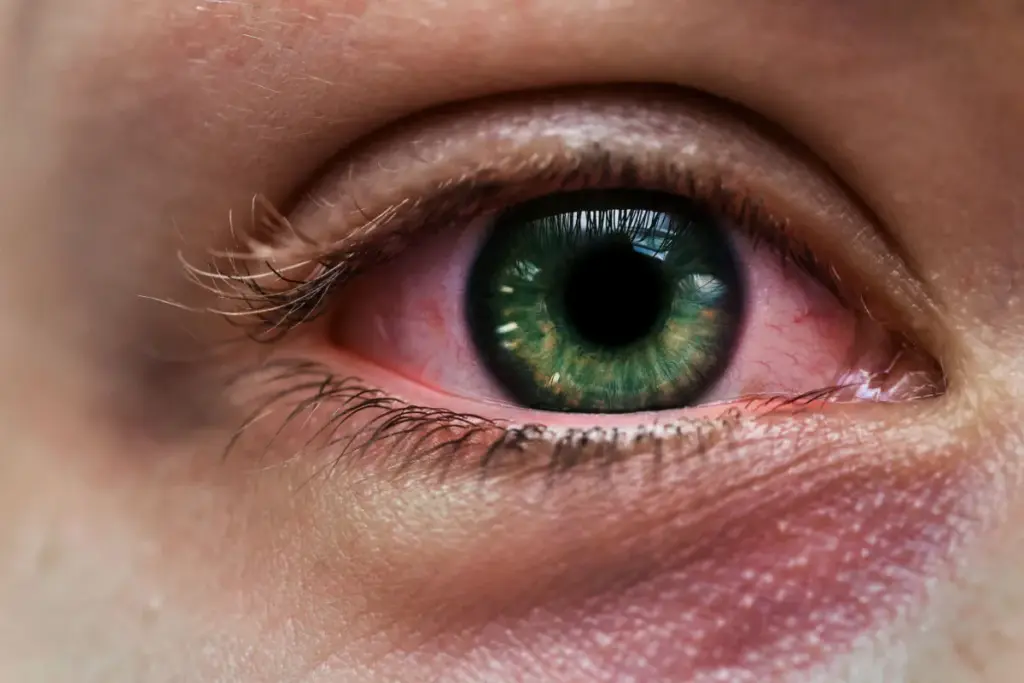
Pink eye, also known as conjunctivitis, is a common eye infection. It affects both kids and adults. The time it stays contagious depends on its cause.
At Liv Hospital, we know how important it is to know when you’re no longer contagious. This helps keep your family and work safe while you get better. Pink eye can come from bacteria, viruses, or allergies. Each one has its own contagious time frame.
Knowing why you have pink eye and how long it’s contagious is key. It helps you manage it better and stop it from spreading.
Key Takeaways
- Pink eye is a highly contagious eye infection.
- The contagious period varies based on the cause of the infection.
- Bacterial, viral, and allergic conjunctivitis have different contagious timelines.
- Effective diagnosis is critical for managing pink eye and preventing its spread.
- Liv Hospital offers expert diagnosis and treatment plans for pink eye.
Understanding Pink Eye (Conjunctivitis) and Its Types
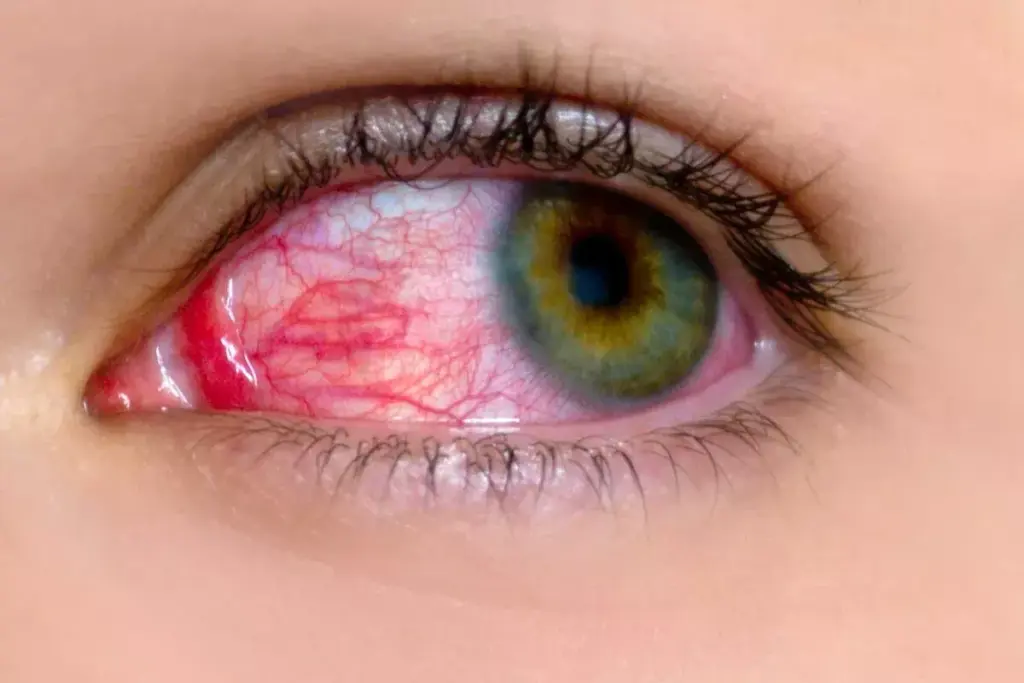
Conjunctivitis, or pink eye, is an eye issue where the conjunctiva gets inflamed. This thin, clear layer covers the eye’s white part and the eyelids. It can happen due to infections, allergies, or irritants.
What Is Pink Eye and What Causes It?
Pink eye often comes from viruses or bacteria. Viral conjunctivitis is the most common type. , it spreads easily and is linked to the common cold. Bacterial conjunctivitis is caused by germs like Staphylococcus aureus or Streptococcus pneumoniae. Allergic conjunctivitis happens when you react to things like pollen or pet dander.
The main reasons for pink eye are:
- Infectious agents (viruses and bacteria)
- Allergens (pollen, dust, etc.)
- Irritants (chemicals, smoke, etc.)
Different Types of Pink Eye
Knowing the different types of pink eye helps find the right treatment. The main types are:
- Viral Conjunctivitis: Very contagious and linked to colds or other viruses.
- Bacterial Conjunctivitis: Caused by germs, treated with antibiotics.
- Allergic Conjunctivitis: Due to allergies, managed with anti-allergic meds.
Each pink eye type has its own signs and needs a specific treatment. Doctors can suggest the best treatment based on the cause.
How Long Is Conjunctivitis Contagious Based on Type

The contagious time for pink eye changes based on its type. Knowing how long bacterial and viral conjunctivitis stay contagious is key to stopping its spread.
Bacterial Pink Eye: Contagious Period After Antibiotics
Bacterial conjunctivitis gets treated with eye drops or ointment. Starting treatment makes it much less contagious. People with bacterial pink eye usually stop spreading it within 24 to 48 hours after starting treatment. It’s important to finish all antibiotics to clear the infection.
Here are key points to remember about bacterial pink eye contagion:
- Contagious period ends 24-48 hours after starting antibiotics
- Complete the full course of antibiotic treatment
- Practice good hygiene to prevent spread
Viral Pink Eye: Contagious Timeline With Treatment
Viral conjunctivitis is caused by a virus and doesn’t respond to antibiotics. The contagious period for viral pink eye can last as long as the symptoms persist, typically ranging from 7 to 14 days. Unlike bacterial conjunctivitis, viral pink eye stays contagious even after symptoms show up. There’s no specific treatment to shorten this period.
Key considerations for viral pink eye include:
- Viral pink eye is contagious for as long as symptoms last
- The contagious period typically ranges from 7 to 14 days
- Good hygiene practices are key to prevent spread
Is Pink Eye Contagious Before Symptoms Appear?
Many wonder if pink eye is contagious before symptoms show. For both bacterial and viral conjunctivitis, the answer is generally no; they are not contagious until symptoms appear. But, some people might spread it even before symptoms fully show up, mainly with viral conjunctivitis.
To lower the risk of spreading it:
- Avoid close contact with others
- Practice frequent hand washing
- Avoid sharing personal items
Preventing Transmission and Post-Treatment Care
Preventing pink eye spread is key. Good hygiene and care after treatment are vital. Knowing how it spreads helps prevent it.
How Pink Eye Spreads on Surfaces and Between People
Pink eye spreads through indirect contact. Bacteria or viruses move from one person to another on surfaces or through shared items. Good hygiene practices are key to stopping it.
To prevent its spread, we suggest:
- Wash your hands often, after touching your eyes or face.
- Don’t share personal items like towels, eye makeup, or makeup brushes.
- Clean and disinfect surfaces that might be contaminated.
Eye Makeup Safety After Pink Eye
Using eye makeup after pink eye needs caution. Discard any eye makeup from the infection period to avoid reinfection or spreading it to others.
Before using eye makeup again, make sure:
- You’ve finished your treatment and are no longer contagious.
- You replace your eye makeup and makeup brushes to avoid re-contamination.
By following these steps, you can greatly lower the risk of spreading pink eye. This ensures a safe return to using eye makeup.
Conclusion
It’s important to know how long pink eye is contagious after treatment. This helps prevent it from spreading. We’ve talked about the different types of pink eye and how long they stay contagious after treatment starts.
The contagiousness of pink eye depends on its type. Bacterial pink eye stops being contagious in 24 to 48 hours after starting antibiotics. On the other hand, viral pink eye can stay contagious for up to two weeks, even with treatment.
To manage pink eye’s contagiousness, it’s key to know its type and follow the right treatment and hygiene steps. This way, we can lower the risk of it spreading and prevent outbreaks.
In short, knowing how long pink eye is contagious after treatment is vital. It helps us take steps to stop it from spreading. By understanding how contagious pink eye is, we can protect ourselves and others from getting infected.
FAQ
How long is pink eye contagious after starting treatment?
The contagious period depends on the pink eye type. For bacterial conjunctivitis, you’re no longer contagious 24 hours after antibiotics start. Viral conjunctivitis can keep you contagious for up to two weeks, until symptoms go away.
Can you wear eye makeup with pink eye?
No, wearing eye makeup with pink eye is not a good idea. It can make the condition worse and spread the infection. Wait until your symptoms are gone before using eye makeup again.
Is pink eye contagious before symptoms appear?
Yes, both bacterial and viral conjunctivitis can spread before symptoms show. Good hygiene is key to prevent spreading it to others.
How long after pink eye drops are you contagious?
For bacterial pink eye, you’re no longer contagious 24 hours after starting antibiotic drops. But, it’s important to finish the whole treatment as your doctor says.
Can you kiss someone with pink eye?
No, kissing someone with pink eye is not a good idea. The infection can spread through direct contact. Stay away from others until the infected person is no longer contagious.
How often do adults get pink eye?
Pink eye can happen at any age, including adults. It’s caused by infections, allergies, or irritants. Good hygiene and avoiding close contact with sick people can help prevent it.
Does pink eye live on surfaces?
Yes, pink eye viruses and bacteria can live on surfaces. Cleaning and disinfecting surfaces, where an infected person has been, can stop the spread.
When can I wear eye makeup after pink eye?
Wait until your symptoms are gone and your treatment is finished before wearing eye makeup again. This helps avoid reinfection or spreading it to others.
References
Centers for Disease Control and Prevention. Evidence-Based Medical Insight. Retrieved from https://www.cdc.gov/conjunctivitis/about/transmission.html