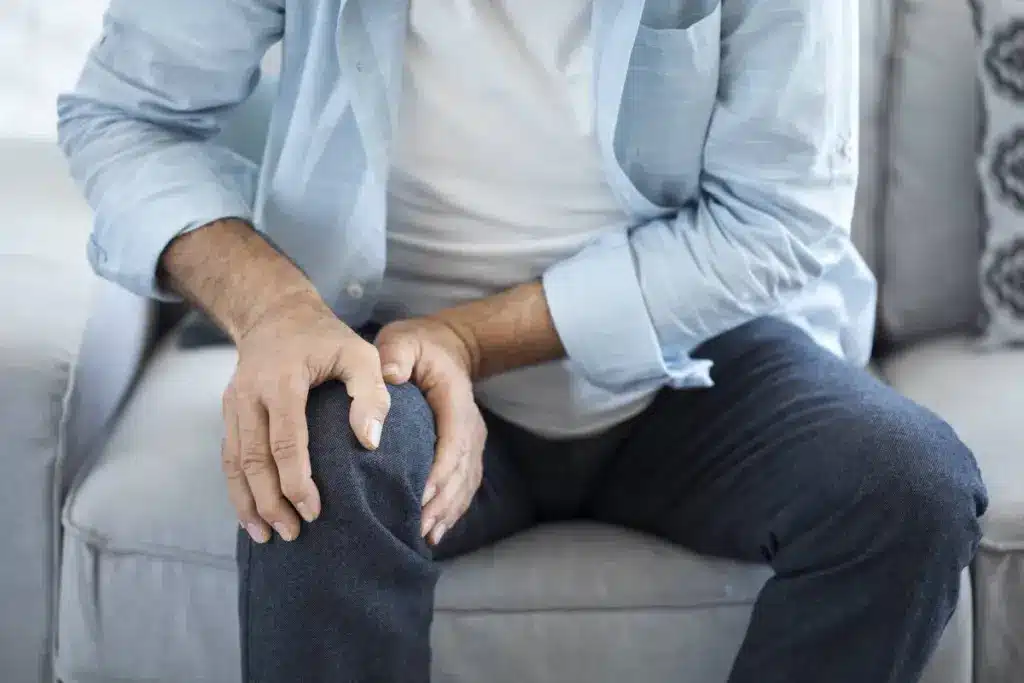
Orthopedic therapy is key for people with musculoskeletal injuries or conditions. Millions of Americans undergo orthopedic therapy each year. The goal is to help them move better, feel less pain, and live better lives.
The time needed for orthopedic therapy changes a lot. It depends on how serious and what kind of condition a person has. Physical therapists create special plans for each patient. They help them move and function better.
Understanding the duration of orthopedic therapy prepares patients for their treatment. It also helps them get the best results from their treatment.
Key Takeaways
- Orthopedic therapy duration varies based on condition severity and type.
- Personalized treatment plans are developed to optimize patient outcomes.
- Physical therapists play a critical role in the rehabilitation process.
- Understanding therapy duration helps patients prepare for rehabilitation.
- Optimal outcomes are achieved through tailored treatment approaches.
Understanding Orthopedic Therapy
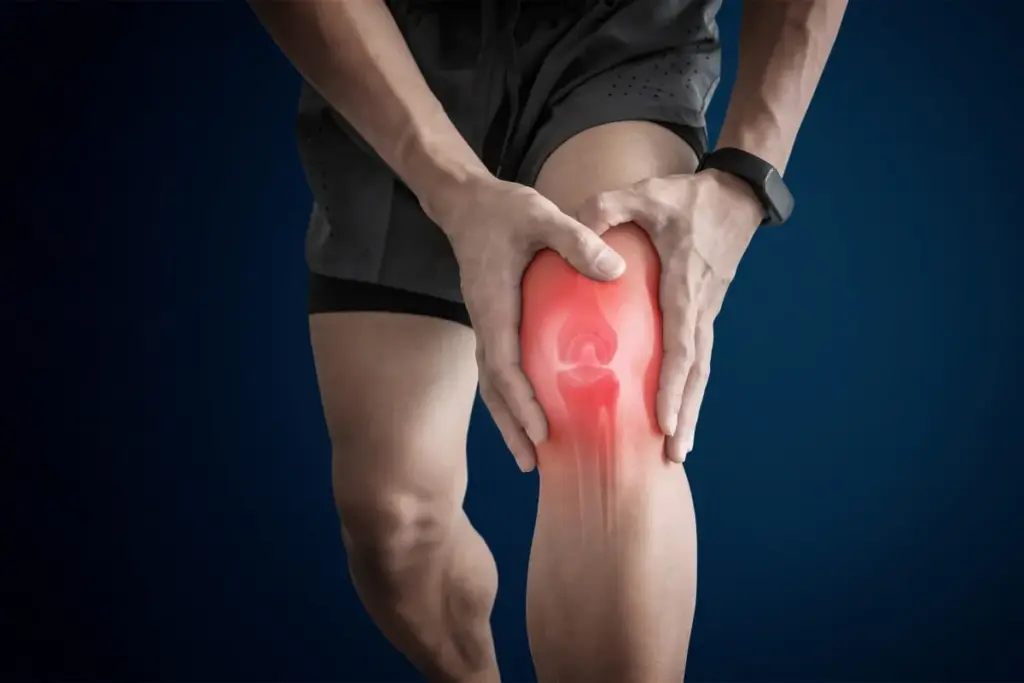
Orthopedic therapy is key in helping people recover from musculoskeletal injuries or conditions. It aims to restore function, reduce pain, and improve life quality. This therapy is a big part of rehabilitation.
The Role and Purpose of Orthopedic Therapy
Orthopedic therapy helps patients recover from injuries and manage chronic conditions. It tries to avoid surgery when possible. Physical therapists play a big role in this, examining, diagnosing, and treating patients.
Their main goal is to improve mobility, manage pain, and prevent future problems. This helps patients function better and stay fit.
Common Conditions Requiring Orthopedic Intervention
Orthopedic therapy treats many conditions, both acute injuries and chronic ones.
Acute Injuries
Acute injuries, like fractures, sprains, and strains, happen suddenly. Orthopedic therapy for these injuries aims to reduce pain and help heal. For example, a physical therapist might help a patient with a fractured ankle regain strength and mobility through exercises.
Chronic Conditions
Chronic conditions, such as arthritis, tendinitis, and degenerative joint diseases, need ongoing care. Orthopedic therapy for these conditions aims to reduce pain and improve joint function. It helps patients do daily activities better.
While focusing on orthopedic therapy, it’s important to note the role of related fields like occupational therapy. For instance, knowing “how long does it take to become an occupational therapist” can help understand the educational path and training needed. This is important for patient care and rehabilitation goals.
How Long is the Typical Orthopedic Therapy Process?

Understanding orthopedic therapy’s length requires insight into its phases. The therapy’s duration varies based on the condition, patient health, and treatment response.
Average Duration Expectations
The therapy’s average length is from weeks to months. Factors like injury severity, patient compliance, and pre-existing conditions affect this.
Phases of Orthopedic Rehabilitation
Orthopedic rehab has several phases, each with its goals and treatments.
Initial Assessment Phase
In the initial phase, a detailed evaluation is done. It identifies the condition, sets goals, and creates a treatment plan. This phase is key to therapy’s direction.
Active Treatment Phase
The active phase starts the treatment plan. It includes manual therapy, exercises, and modalities to aid healing and function. Session frequency and duration change based on progress.
Maintenance and Prevention Phase
The maintenance phase keeps up the gains from active treatment and prevents future injuries. It involves home exercises and lifestyle changes.
Knowing these phases helps patients understand their therapy journey. The length of occupational therapy school or becoming an occupational therapist also impacts therapy duration. It affects the availability of skilled therapists.
Factors Affecting Orthopedic Therapy Duration
The time needed for orthopedic therapy can change a lot. Physical therapists help patients with injuries, disabilities, or health issues. They aim to avoid surgery and drugs, improve movement, and manage pain.
Severity and Type of Injury
The type and severity of an injury greatly affect therapy time. For example, simple fractures might need less therapy than complex ones. The injury’s nature, whether acute or chronic, also matters.
Patient Age and Overall Health
Age and health are big factors. Older people or those with health issues might need longer therapy. Younger, healthier patients often recover faster.
Compliance with Treatment Protocols
Following treatment plans is key. Patients who stick to their therapist’s advice, like home exercises, usually need less therapy. Not following advice can slow down recovery.
Pre-existing Conditions
Conditions like diabetes or heart disease can slow healing. Managing these conditions is important for faster recovery.
Knowing these factors helps doctors plan better. They can make treatment plans that fit each patient’s needs. This makes care more effective.
Duration of Orthopedic Therapy for Specific Conditions
Knowing how long orthopedic therapy takes for different conditions is key for recovery. Orthopedic therapy treats many musculoskeletal issues, each with its own recovery time.
Post-Surgical Rehabilitation Timelines
Rehab after surgery is a big part of orthopedic therapy. The time needed for rehab changes with the surgery type.
Joint Replacement Recovery
Rehab for joint replacement, like hip or knee, takes 6 to 12 weeks. Patients do physical therapy to get strength and mobility back. Following the rehab plan is key for the best recovery.
Spinal Surgery Rehabilitation
Rehab for spinal surgery can take 3 to 6 months. The exact time depends on the surgery’s complexity and the patient’s health. Patients should avoid heavy lifting and bending early on.
Sports Injury Recovery Periods
Sports injuries are common and need a lot of orthopedic therapy. The recovery time varies with the injury type and severity.
ACL and Meniscus Injuries
ACL injuries and meniscus tears are common in sports. Rehab for these injuries usually lasts 6 to 9 months. Physical therapy is essential for knee function and stability.
Rotator Cuff Rehabilitation
Rotator cuff injuries need 3 to 6 months of rehab. Therapy aims to improve shoulder mobility and strength. Doing exercises at home is encouraged to help physical therapy.
Fracture and Trauma Recovery Timeframes
Recovery times for fractures and trauma vary. The therapy duration depends on the fracture’s severity and the treatment plan. For example, a simple fracture might need 6 to 8 weeks of therapy, while complex ones might take longer.
For those interested in occupational therapy, knowing about recovery is helpful. To become an occupational therapist, you need a master’s degree, which takes 2-3 years after a bachelor’s. So, becoming an occupational therapist takes about 6 years, including undergraduate studies.
The Relationship Between Orthopedic and Occupational Therapy
It’s key to understand how orthopedic and occupational therapy work together for better patient care. Both are vital in helping patients get back their strength, mobility, and independence.
When Both Therapies Are Recommended
People with complex injuries or conditions might need both therapies. For example, someone after orthopedic surgery might need orthopedic therapy to get their strength back. At the same time, occupational therapy helps them do everyday tasks like getting dressed or cooking.
Both therapies are often suggested for those with:
- Severe injuries needing surgery
- Chronic conditions like arthritis
- Neurological issues affecting motor skills
Coordination of Care and Treatment Duration
Working together, orthopedic and occupational therapy can greatly affect how long treatment lasts and how well patients do. For instance, a patient getting orthopedic therapy for a knee replacement might also get occupational therapy. This helps them learn to use stairs or do daily tasks without hurting their new joint.
Good teamwork can lead to:
- Shorter recovery times
- Better functional results
- Happier patients
Experts in both fields make a single plan for treatment. This ensures patients get all the care they need. This teamwork is very important for those studying education in occupational therapy. It prepares them to work well with other healthcare teams.
How Long Does It Take to Become an Occupational Therapist?
Becoming an occupational therapist takes several years. You need to go through academic and clinical preparation. In the United States, you must finish a specific educational path. This includes both undergraduate and graduate studies.
Educational Pathway Overview
The path starts with a bachelor’s degree. Then, you need a master’s or doctoral degree in occupational therapy. Here’s what you need to know about the educational requirements:
Bachelor’s Degree Requirements (3-4 years)
First, you get a bachelor’s degree in a related field. This could be health science, psychology, or biology. You don’t need a specific major for a master’s program. But, courses in anatomy, physiology, and psychology are helpful.
Master’s Program Duration (2-3 years)
After your bachelor’s, you apply to a Master’s of Occupational Therapy (MOT) or Master of Science in Occupational Therapy (MSOT) program. This takes 2-3 years. You’ll learn in class and do clinical fieldwork.
Doctoral Options and Timeline (3-4 years)
You can also get a Doctor of Occupational Therapy (OTD) or Ph.D. in Occupational Therapy. This takes 3-4 years after your master’s. These programs focus on research and can lead to advanced practice or teaching careers.
If you’re interested in Florida, look into OT schools in Florida. Make sure they’re accredited by the Accreditation Council for Occupational Therapy Education (ACOTE).
In short, becoming an occupational therapist takes a big investment in education. It usually takes 6-7 years after high school. Knowing the educational path and time needed helps plan your career.
Occupational Therapy School Requirements and Duration
To become an occupational therapist, you must follow a specific educational path. The requirements for occupational therapy school are set to ensure graduates can provide top-notch care.
Prerequisite Coursework
Most Doctor of Physical Therapy (DPT) programs need applicants to have a bachelor’s degree first. Some programs have a 3+3 format. This means three years of preprofessional courses followed by three years of DPT studies. You’ll need to take biology, physics, and psychology as part of these courses.
|
Course |
Typical Duration |
Description |
|---|---|---|
|
Biology |
1 year |
Foundation in biological sciences |
|
Physics |
1 year |
Understanding of physical principles |
|
Psychology |
1 year |
Introduction to psychological principles |
Clinical Fieldwork Hours
Clinical fieldwork is key in occupational therapy education. It gives students real-world experience under licensed therapists’ supervision. You’ll need to complete a certain number of hours.
Certification and Licensing Process
After you graduate, you must pass the National Board for Certification in Occupational Therapy (NBCOT) exam. This is the first step to becoming certified. Licensing rules differ by state, but getting certified is often required.
Specialized Training Options
Some occupational therapists choose to get specialized training. This could be in pediatrics or gerontology. These programs can last longer and may offer extra certifications or credentials.
The Patient Experience During Orthopedic Therapy
Knowing what to expect during orthopedic therapy is key. It’s a custom-made process, with plans made just for you. These plans aim to improve your movement, ease pain, and help you regain function.
Initial Evaluation and Goal Setting
Your journey starts with an evaluation by a physical therapist. They check your condition, find the main issues, and create a plan. This plan is to help you move better, feel less pain, and prevent disability.
The therapist will work with you to set goals. They make sure the treatment fits your needs and what you hope to achieve.
Frequency and Duration of Sessions
How often and long you’ll be in therapy varies. You might go a few times a week, with each session lasting 30 to 60 minutes. The length of your therapy depends on your injury, how well you follow the plan, and any other health issues.
Home Exercise Programs
Doing exercises at home is a big part of therapy. These exercises help you keep improving outside of sessions. By doing these exercises, you can get better faster and stronger.
Progress Monitoring and Treatment Adjustments
Your therapist will keep an eye on your progress and adjust the plan as needed. This might mean changing exercises, trying new methods, or adjusting how often you come in. The goal is to help you reach your recovery goals, with support every step of the way.
Understanding these parts of orthopedic therapy helps you navigate your recovery better. Working with your healthcare team, you can reach the best possible outcomes.
Insurance Coverage and Its Impact on Therapy Duration
How long orthopedic therapy lasts can change based on insurance. Knowing what your insurance covers is key to getting through therapy smoothly.
Typical Coverage Limitations
Insurance plans usually have limits on therapy sessions. For example, some might only cover 20 physical therapy visits a year. It’s vital for patients to check their insurance to know these limits.
Strategies for Maximizing Benefits
To get the most from your insurance, do the following:
- Book therapy sessions regularly, without big breaks
- Choose providers in your network
- Keep an eye on how many sessions you’ve had and when your coverage ends
Options When Coverage Ends Before Recovery
If your insurance runs out before you’re fully recovered, you have a few choices:
|
Option |
Description |
Potential Cost |
|---|---|---|
|
Out-of-pocket payments |
Keep going to therapy by paying yourself |
High |
|
Sliding scale fees |
Some places offer lower rates based on how much you make |
Variable |
|
Community resources |
Use community centers or non-profits for help |
Low to none |
Understanding your insurance and planning ahead can really help with orthopedic therapy. Work with your healthcare team to overcome these hurdles.
Measuring Success in Orthopedic Therapy
Orthopedic therapy success is measured in many ways. It looks at how well patients can move, function, and live active lives. Physical therapists help patients improve their quality of life by keeping or improving their movement and function.
Functional Outcome Measures
Functional outcome measures check how well patients do daily activities and movements. They look at strength, flexibility, and how far patients can move. For example, therapists might test how well patients walk, climb stairs, or do specific tasks.
Pain Reduction Metrics
Pain reduction is key in orthopedic therapy. Therapists use pain scales and questionnaires to see how much pain patients feel. Reducing pain helps patients move better and live better lives.
Return to Activity Milestones
Return to activity milestones help patients reach their goals, like playing sports again. Therapists create plans with exercises and activities that fit each patient’s needs.
|
Outcome Measure |
Description |
Example |
|---|---|---|
|
Functional Assessment |
Evaluates patient’s ability to perform daily tasks |
Timed Up and Go Test |
|
Pain Scales |
Quantifies pain levels |
Visual Analog Scale (VAS) |
|
Activity Milestones |
Tracks progress towards specific activity goals |
Return to running program |
Conclusion
Orthopedic therapy is key for healing many musculoskeletal issues and injuries. How long therapy lasts can change a lot. This depends on the injury’s severity, the patient’s age, and their overall health.
Physical therapists are very important in helping patients get better. They make treatment plans just for each patient. They also watch how the patient is doing and change the therapy if needed.
Knowing what affects how long therapy lasts helps patients set realistic goals. This knowledge is important for getting the best results. By understanding orthopedic therapy well, patients can do better in their recovery. Talking well with physical therapists and following their plans is very important for success.
FAQ
How long is orthopedic therapy?
Orthopedic therapy time varies. It depends on the injury, how severe it is, and the patient’s health. It can last from weeks to months.
What is the typical duration of occupational therapy school?
Occupational therapy school takes about 6 years. First, you need a bachelor’s degree, then a master’s. It’s 2-3 years after the bachelor’s.
How long does it take to become an occupational therapist?
Becoming an occupational therapist takes 6-7 years. You need a bachelor’s degree first, then a master’s in occupational therapy.
What are the educational requirements for occupational therapists?
Occupational therapists need a master’s degree in occupational therapy. They also need to complete coursework and gain fieldwork hours. Some may get a doctoral degree or specialized training.
How long is the occupational therapy master’s program?
The master’s program in occupational therapy lasts 2-3 years.
What is the duration of orthopedic therapy for post-surgical rehabilitation?
Post-surgical rehab time varies. It depends on the surgery type. Therapy usually lasts weeks to months.
How long does it take to recover from sports injuries?
Recovery from sports injuries varies. Mild injuries might need a few weeks of therapy. Severe injuries can take months.
What factors affect the duration of orthopedic therapy?
Several factors influence orthopedic therapy duration. These include injury severity, patient age, health, treatment compliance, and any pre-existing conditions.
How is success measured in orthopedic therapy?
Success in orthopedic therapy is measured in several ways. It includes functional outcomes, pain reduction, and milestones for returning to activities.
How does insurance coverage impact orthopedic therapy duration?
Insurance can affect therapy duration. Coverage limits may restrict sessions. It’s important to know how to maximize benefits and plan for when coverage ends.
Are there specialized training options for occupational therapists?
Yes, occupational therapists can get specialized training. They can focus on areas like pediatrics, gerontology, or hand therapy.
What is the role of occupational therapy in orthopedic care?
Occupational therapy is key in orthopedic care. It helps patients learn skills for daily activities and gain independence.
References
National Center for Biotechnology Information. Evidence-Based Medical Insight. Retrieved from https://pmc.ncbi.nlm.nih.gov/articles/PMC11628414/[6