How long are you immunocompromised after autologous stem cell transplant?
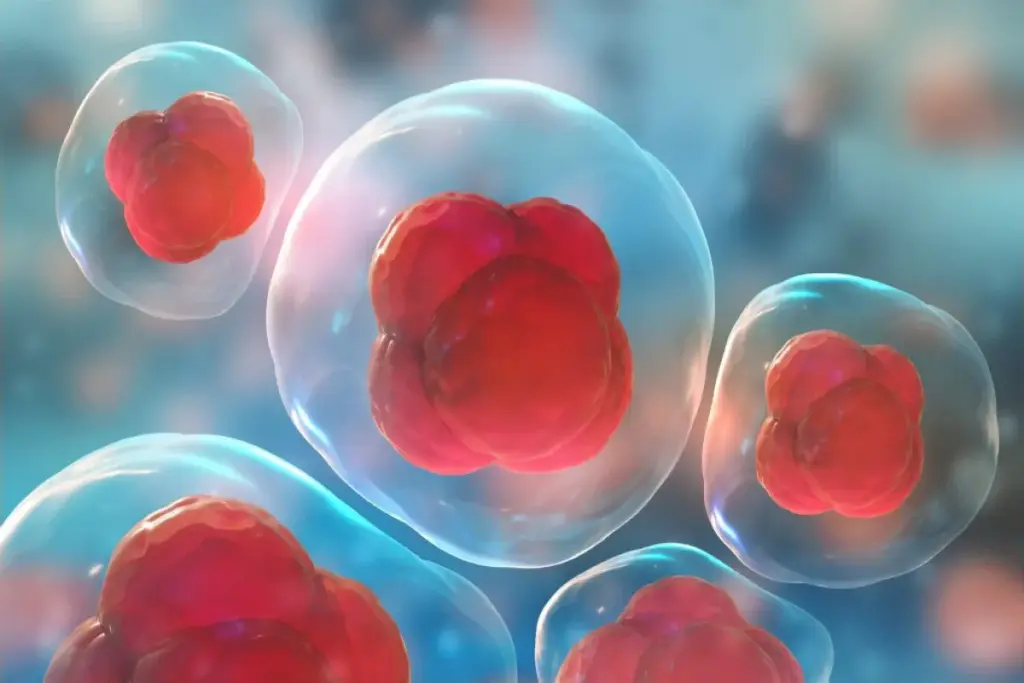
Getting an autologous stem cell transplant (ASCT) is a big step in fighting cancer and diseases. But, it makes patients immunocompromised for a long time.
Studies reveal that the five-year survival rate after ASCT for lymphoma is between 43.5% and 70%. Infections are a big risk early on. It takes about 2–3 weeks for neutrophils and platelets to recover.
Recovering from ASCT takes time, months to years. It’s not just about getting better physically. It’s also about getting your immune system back to normal.
Key Takeaways
- ASCT leaves patients immunocompromised for a considerable period.
- Initial recovery of neutrophils and platelets occurs within 2–3 weeks.
- Complete immune recovery takes months to years.
- Infection is a major cause of morbidity and mortality after ASCT.
- Five-year overall survival after ASCT for lymphoma ranges from 43.5% to 70%.
Understanding Autologous Stem Cell Transplantation
Autologous stem cell transplantation (ASCT) is a complex medical procedure. It involves taking, storing, and putting back a patient’s own stem cells. This method is mainly used to treat different types of cancers, like lymphomas and multiple myeloma.
What is an Autologous Stem Cell Transplant?
An autologous stem cell transplant is a bone marrow transplant using the patient’s own stem cells. These cells are collected, stored, and then put back after a treatment to kill off diseased cells. This way, the patient can get high-dose chemotherapy or radiation therapy. Then, their own stem cells repopulate the bone marrow.
Using the patient’s own stem cells means there’s no risk of graft-versus-host disease (GVHD). GVHD is a big problem with transplants from someone else.
How ASCT Differs from Other Transplant Types
ASCT is different from other transplant types in a few important ways. The main difference is the source of the stem cells. Autologous transplants use the patient’s own cells, while allogenic transplants use donor cells. This affects the risk and recovery time for patients.
- Reduced Risk of GVHD: Using the patient’s own stem cells means no risk of GVHD, a serious complication.
- Different Conditioning Regimens: The treatment plan for ASCT is made just for the patient and their disease.
- Faster Engraftment: Autologous stem cells usually lead to quicker recovery of blood counts than donor cells.
Common Conditions Treated with ASCT
ASCT is often used to treat several conditions, including:
- Multiple Myeloma: A blood cancer with too many bad plasma cells in the bone marrow.
- Lymphomas: Cancers of the lymphatic system, like Hodgkin and non-Hodgkin lymphoma.
- Certain Autoimmune Diseases: In some cases, ASCT is used to treat severe autoimmune diseases by starting over with the immune system.
Most patients get less severely immunocompromised within 3–6 months after the transplant. But, the exact time can vary. It depends on the disease being treated and the patient’s health.
The Immune System Reset: What Happens During ASCT
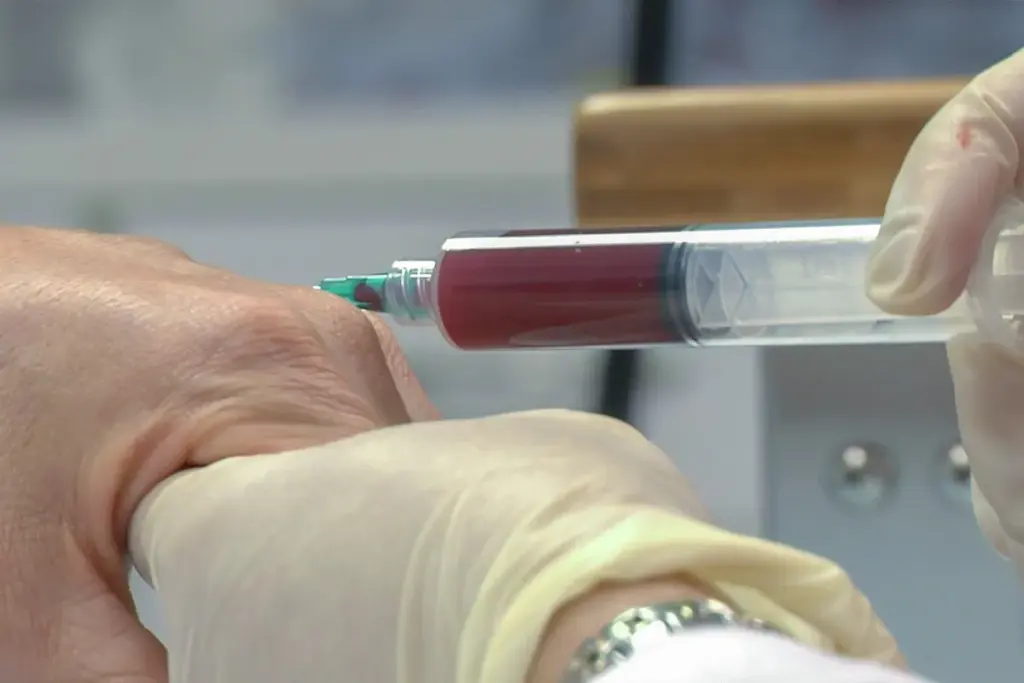
The immune system’s response during ASCT is key to the transplant process. During an autologous stem cell transplant, the patient’s immune system is greatly affected. This leads to a period of immunosuppression.
Pre-Transplant Conditioning
Pre-transplant conditioning is a vital step in the ASCT process. This phase includes chemotherapy and/or radiation therapy to kill diseased cells. The conditioning regimen can significantly impact the immune system, often leading to a period of severe immunosuppression. The goal is to make room for the reinfused stem cells to engraft and produce healthy blood cells.
We use high-dose chemotherapy and sometimes radiation to get rid of cancer cells or diseased cells in the body. This treatment targets diseased cells but also harms the bone marrow’s ability to make blood cells. This leads to a temporary but significant immune suppression.
The Collection and Reinfusion Process
After conditioning, the next step is collecting stem cells, which are then reinfused into the patient. This process is critical for the recovery of the patient’s immune system. The collected stem cells are frozen and stored until the day of reinfusion, when they are thawed and infused back into the patient.
The reinfusion of stem cells marks the beginning of the recovery phase. The stem cells then start to engraft in the bone marrow, beginning the process of producing new blood cells, including immune cells.
Initial Impact on Immune Function
Initially, the immune function is severely compromised due to the conditioning regimen. The immediate post-transplant period is critical, with a high risk of infections and other complications due to the lack of adequate immune response. The patient’s immune system is at a high risk of infections, and preventive measures are critical during this phase.
Cellular and humoral immunity take much longer to recover fully. The recovery of the immune system is a gradual process that can take several months to a few years. Understanding this timeline is essential for managing patient expectations and care.
|
Phase |
Immune System Status |
Key Considerations |
|---|---|---|
|
Pre-Transplant Conditioning |
Severe immunosuppression |
Infection prevention, supportive care |
|
Stem Cell Reinfusion |
Compromised immune function |
Monitoring for engraftment, infection risk |
|
Initial Recovery |
Gradual immune recovery |
Continued infection risk, immune support |
Early Recovery Phase (First 30 Days)
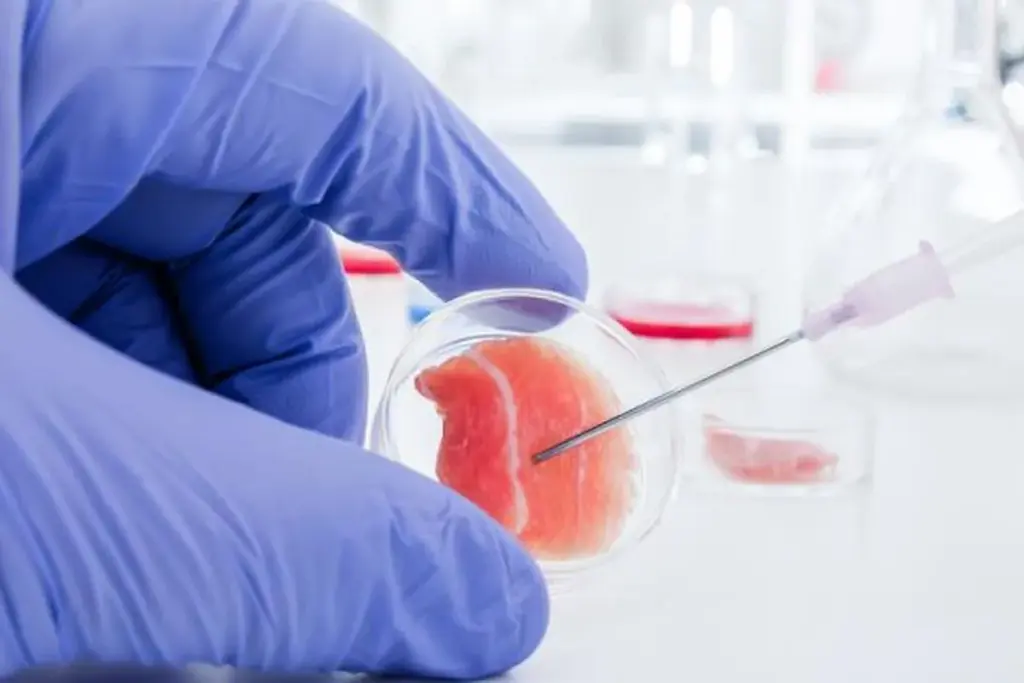
The early recovery after an autologous stem cell transplant is very important. Patients need to be watched closely for signs of recovery and any problems.
Neutrophil and Platelet Engraftment Timeline
Neutrophil engraftment is a big step in getting better. It usually happens in 2-3 weeks after the transplant. Neutrophil and platelet engraftment show how well the body is doing after the transplant.
Platelet engraftment might take a bit longer. It can vary from person to person.
Hospital Discharge Criteria
To leave the hospital, patients need to show they’re recovering well and don’t have serious problems. They also need to be able to take care of themselves at home. “Stable engraftment and control of complications are key factors in determining when a patient can be safely discharged,” shows how careful this decision is.
Immediate Post-Transplant Precautions
Right after the transplant, it’s important to avoid infections and other problems. This includes:
- Infection prevention strategies
- Environmental restrictions
- Careful monitoring of health status
Infection Prevention Strategies
Stopping infections is a big focus early on. This means always washing hands and staying away from sick people. Patients also get advice on using antibiotics and other ways to stay safe.
Environmental Restrictions
It’s also key to avoid crowded places and areas with bad air. Places like construction sites or areas with poor air quality are best avoided. This helps keep patients safe from germs.
Knowing about engraftment, discharge rules, and post-transplant care helps patients. It lets them play a big part in their recovery and avoid problems.
How Long Till After Emegona Tumor: The Intermediate Recovery Phase (1-6 Months)
Patients start to feel better as they enter the 1-6 month recovery phase after a stem cell transplant. This is a key time for their immune system to start working again. But, they are more likely to get sick, mainly from viruses.
Gradual Immune Cell Reconstitution
Patients start to feel their immune system getting stronger. But, how fast this happens can vary a lot. Things like age, health, and past treatments can affect how quickly they recover.
Key aspects of immune reconstitution during this period include:
- Gradual increase in neutrophil and platelet counts
- Improvement in lymphocyte function
- Reactivation of certain viruses, such as CMV, is a risk
Common Infections During This Period
Even with some immune recovery, patients are at risk for infections. Common ones include:
- Viral infections, like respiratory viruses and herpesviruses
- Fungal infections, more common in those with long-lasting low white blood cell counts
- Bacterial infections, but less common with the right prevention
It’s important for patients to follow their doctor’s advice on preventing infections. They should also tell their doctor right away if they have any symptoms.
Activity and Lifestyle Restrictions
To stay safe, patients need to follow some rules. These include:
- Avoiding crowded places and close contact with sick people
- Keeping clean, like washing hands often
- Staying away from raw meat, eggs, and unpasteurized milk
Returning to Work Considerations
When to go back to work depends on many things. This includes how well the patient is doing, what their job is like, and where they work. It’s best to talk to a doctor before making plans to return to work.
Social Interaction Guidelines
It’s good to stay connected with friends and family for mental health. But, it’s important to be careful to avoid getting sick. This means staying away from people who are sick and wearing masks in crowded places or during flu season.
By understanding this recovery phase and following the right steps, patients can get through it safely and effectively.
Long-Term Immune Recovery (6-24 Months)
After an autologous stem cell transplant, the road to full immune recovery is long. It can take between 6 to 24 months. During this time, the immune system slowly gets back to normal. This is key for fighting infections and staying healthy.
B-Cell and T-Cell Recovery Timeline
B-cells and T-cells are vital for our immune system. B-cells make antibodies, and T-cells help fight off infections. It takes time for these cells to come back after a transplant.
B-cells start to recover around 6-9 months after the transplant. But it takes longer for them to fully function. T-cells recover even slower, sometimes taking years to get back to normal.
Antibody Response Development
Antibody production is a big part of getting the immune system back. After ASCT, making antibodies can be hard because B-cells take time to recover. As B-cells mature, they start making antibodies again.
It’s important for patients to get vaccinated after ASCT. Vaccines help B-cells make antibodies and protect against infections. We’ll talk more about vaccines later.
Factors Affecting Complete Immune Reconstitution
Many things can affect how fast and fully the immune system recovers after ASCT. Knowing these factors helps manage expectations and guide care after the transplant.
Age-Related Considerations
Age plays a big role in immune recovery. Older patients might recover slower than younger ones. This is because the immune system naturally weakens with age.
Impact of Prior Treatments
What treatments a patient has had before can also affect recovery. Patients who have had a lot of chemotherapy or radiation might take longer to recover.
To show how different factors can affect recovery, here’s a table:
|
Factor |
Impact on Immune Recovery |
|---|---|
|
Age |
Older patients may experience slower recovery |
|
Prior Chemotherapy |
Multiple lines may prolong recovery |
|
Radiation Therapy |
Can impact lymphoid tissues, affecting recovery |
The recovery process after an autologous stem cell transplant is complex. It’s influenced by many factors. Healthcare providers can offer better care and support by understanding these factors.
Infection Risk Timeline After ASCT
Knowing when you’re at risk for infections after ASCT is key. The time after transplant is full of ups and downs in your immune system. This means you need to stay alert and follow your doctor’s advice closely.
High-Risk Period (First 100 Days)
The first 100 days after ASCT are the most dangerous for infections. You’re very open to many germs, including viruses and opportunistic infections. Viral reactivations, like CMV and herpes, are big worries because your immune system is weak.
- Follow strict infection control rules.
- Take antiviral and antibacterial meds as prescribed.
- Watch for any signs of infection closely.
Intermediate Risk Period (3-6 Months)
After the first 100 days, the risk of getting sick starts to go down. But it’s not gone yet. For the next 3-6 months, you’re less likely to get sick, but you’re not safe yet.
Immune recovery starts here, but it’s slow. You’re not out of the woods for opportunistic infections yet. Keep watching out for them.
Long-Term Infection Susceptibility
After six months, most people see a big drop in infection risk. But some might stay at risk for certain germs. Your health, any GVHD, and how well your immune system comes back play big roles.
Viral Reactivations
Even later, viruses like varicella-zoster and CMV can be a problem. Keep taking your antiviral meds as your doctor tells you to.
Opportunistic Infections
Some infections, like Pneumocystis jirovecii pneumonia, can be a worry for a long time. If you’re on immunosuppressants, you might need to keep taking meds to prevent these.
Knowing when you’re at risk helps doctors give you the best care. They can plan how to keep you safe and healthy after ASCT.
Vaccination Schedule After Stem Cell Transplant
Rebuilding immunity after ASCT needs a well-planned vaccination schedule. After an autologous stem cell transplant, patients face a high risk of infections. This is because their immune systems are weak. To lower this risk, guidelines suggest starting the vaccination series again after ASCT.
When to Restart Vaccination Series
The right time to start vaccinations again depends on the vaccine type and the patient’s immune health. Inactivated vaccines can start as early as 3-6 months after the transplant. We suggest sticking to a specific timeline to get the best immune response.
Recommended Vaccine Timeline
The vaccine schedule after ASCT usually includes:
- Inactivated vaccines (e.g., pneumococcal, influenza) starting at 3-6 months post-transplant.
- Conjugated vaccines (e.g., pneumococcal conjugate) given at 3, 6, and 12 months after transplant.
- Booster shots for tetanus, diphtheria, and pertussis at 6-12 months post-transplant.
Special Considerations for Live Vaccines
Live vaccines are usually delayed until 6-12 months or more after transplant. This depends on the patient’s immune status. We must be careful with live vaccines because they can cause problems in people with weak immune systems. Deciding to use live vaccines should be based on the patient’s health and immune function.
Knowing the vaccination schedule after ASCT is key to protecting patients from diseases. By following the recommended timeline and considering special cases, we can help ensure a safe and effective recovery.
Monitoring Immune Function Post-Transplant
After an autologous stem cell transplant (ASCT), the body’s immune system is weak. It’s important to watch how the immune system recovers. This helps ensure a smooth recovery and avoids complications.
Blood Tests and Follow-Up Schedule
Regular blood tests are key to tracking immune recovery after ASCT. These tests check on immune cells like neutrophils, B-cells, and T-cells. We meet regularly to do these tests and see how the patient is doing.
Signs of Improving Immune Function
As the immune system gets better, patients may notice some changes. They might get sick less often, have more energy, and feel generally better.
- Reduced frequency of infections
- Improved energy levels
- Better overall well-being
When to Contact Your Healthcare Team
It’s important for patients to know when to reach out to their healthcare team. We tell patients to call us if they notice any signs of infection or have other concerns.
Warning Signs of Infection
- Fever above 38°C (100.4°F)
- Chills
- Cough or difficulty breathing
- Redness or swelling at the site of a catheter or wound
Concerning Symptoms to Report
- Unusual fatigue
- Dizziness or fainting
- Severe pain
- Any unusual bleeding or bruising
|
Aspect |
Description |
Timeline |
|---|---|---|
|
Blood Tests |
Regular tests to monitor immune cell recovery |
First 6-12 months post-transplant |
|
Signs of Improving Immune Function |
Reduced infections, improved energy, better well-being |
Variable, typically within 6-24 months |
|
Warning Signs of Infection |
Fever, chills, cough, redness or swelling |
Anytime post-transplant |
Factors Affecting Recovery Duration
Knowing what affects recovery time is key for good care after a transplant. How long a patient stays vulnerable after a stem cell transplant can change a lot. This depends on many things.
Age and Overall Health
Age and health are big factors in how long it takes to recover. Older people often take longer because their bodies aren’t as strong. Those who are healthier before the transplant usually get better faster.
Prior Treatment History
What treatments a patient has had before can also affect recovery. Those who have had a lot of treatments, like chemotherapy, might take longer to get better. This is because old treatments can make it harder for the bone marrow to make new blood cells.
Disease Type and Status
The disease a patient has and its stage also play a part. Patients with more serious or advanced diseases might need stronger treatments. This can make it harder to recover. Whether the disease is in remission or active can also change how long recovery takes.
Post-Transplant Complications
Complications after the transplant can also affect recovery time. Two big ones are graft failure and secondary malignancies.
Graft Failure
Graft failure means the stem cells don’t work right. This can lead to long-lasting problems with blood cells and more infections. It needs careful watching and might need extra help.
Secondary Malignancies
Secondary malignancies are rare but serious side effects. They can happen because of the strong treatments used in stem cell transplants. Patients with these cancers might need more treatment, which can make recovery longer.
In summary, how long it takes to recover after a stem cell transplant depends on many things. Knowing these helps doctors give better care and set the right expectations for patients.
Conclusion
Understanding the immune recovery process after an autologous stem cell transplant is key. It helps manage expectations and lowers the risk of complications. The time it takes to fully recover varies, depending on age, past treatments, and disease status.
Knowing the different stages of immune recovery and the possible side effects is important. Patients can better handle their post-transplant journey this way. Following a recommended vaccination schedule and listening to your healthcare team is vital to avoid infections.
We’ve covered the essential parts of immune recovery after ASCT, from the start to long-term recovery. Being informed and proactive helps patients improve their recovery and outcomes after an autologous stem cell transplant.
FAQ
How long does it take to recover from an autologous stem cell transplant?
Recovery time varies, but usually, blood counts return in 2-3 weeks. Yet, it can take months to years for the immune system to fully recover.
What are the common side effects of an autologous stem cell transplant?
Side effects include infections, fatigue, and a weakened immune system. Patients also face risks of viral reactivations and opportunistic infections.
When can I restart vaccinations after an autologous stem cell transplant?
You can start inactivated vaccines 3-6 months after the transplant. Live vaccines are delayed until 6-12 months or more, based on your immune status.
How long am I at risk for infections after an autologous stem cell transplant?
The first 100 days are the highest risk period. But, the risk of infections doesn’t end there. Stay vigilant even after the first few months.
What factors affect the duration of immune recovery after an autologous stem cell transplant?
Age, health, past treatments, disease type, and complications can influence recovery time.
How is immune function monitored after an autologous stem cell transplant?
Blood tests track immune cell recovery. Patients learn about signs of improving immunity and when to reach out to their healthcare team.
Can I return to work and normal activities after an autologous stem cell transplant?
You’ll be advised on activity limits during the first 6 months. Guidance on returning to work and social activities is also given.
Does bone marrow regrow after a stem cell transplant?
Yes, bone marrow regrows and starts producing new blood cells after a successful transplant.
What is the risk of graft failure or secondary malignancies after an autologous stem cell transplant?
Graft failure and secondary malignancies are rare but possible complications. Close monitoring by your healthcare team is key.
How long does stem cell therapy last?
Stem cell therapy’s effects can last a long time. But, recovery time and complication risks vary among individuals.
References
- PMC: https://pmc.ncbi.nlm.nih.gov/articles/PMC4511149/
- PMC: https://pmc.ncbi.nlm.nih.gov/articles/PMC9302266/
- Blood (ASH Publications): https://ashpublications.org/blood/article/92/5/1471/247373/Immune-Reconstitution-and-Immunotherapy-After
- Cancer.gov: https://www.cancer.gov/about-cancer/treatment/types/stem-cell-transplant/stem-cell-transplant-fact-sheet