

Last Updated on September 18, 2025 by Ugurkan Demir
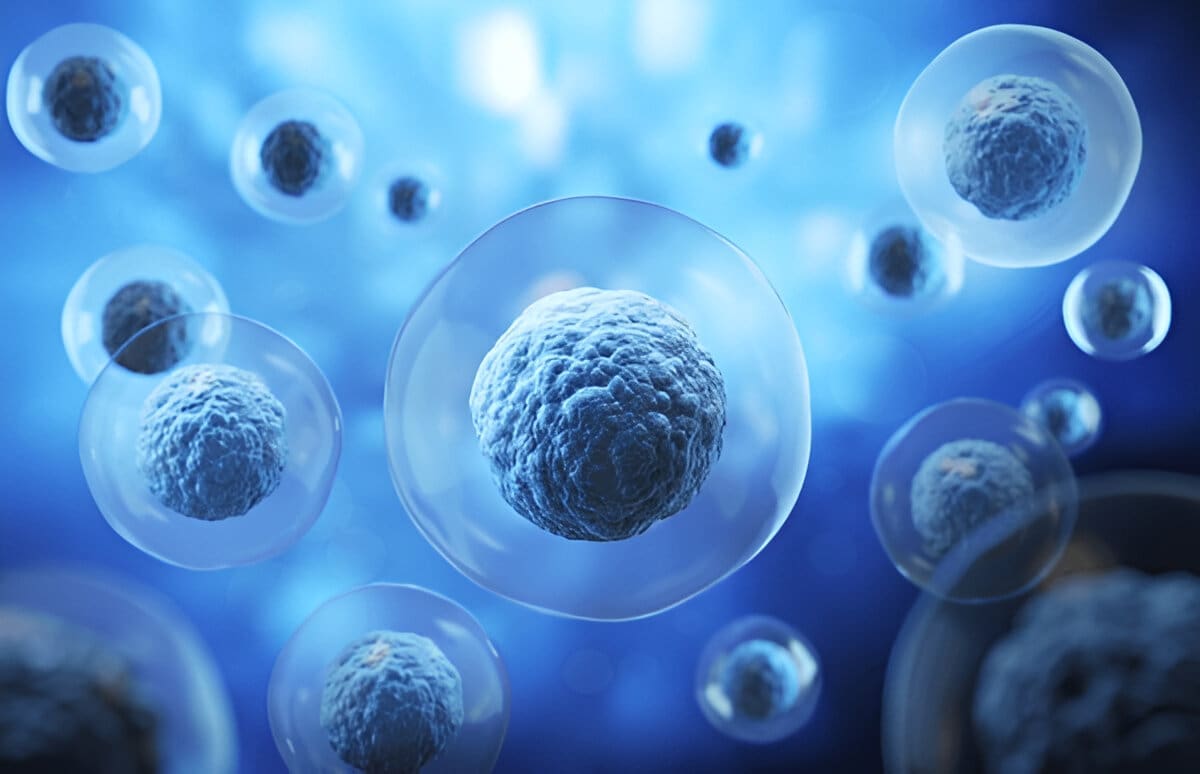
Fasting has been gaining attention for its potential to boost overall health and longevity. Recent studies have shown that fasting can have a positive impact on stem cells, which are crucial for cellular regeneration and repair. By understanding the relationship between fasting and stem cells, we can unlock new ways to enhance our body’s natural healing processes.
Fasting has been shown to delay the onset of age-related diseases and lengthen lifespan. Moreover, it can boost the regenerative abilities of intestinal stem cells, which is vital for maintaining a healthy gut. As research continues to uncover the benefits of fasting on stem cells, individuals are looking for ways to incorporate fasting into their lifestyle to promote cellular health and are often asking how long to fast for cell repair.
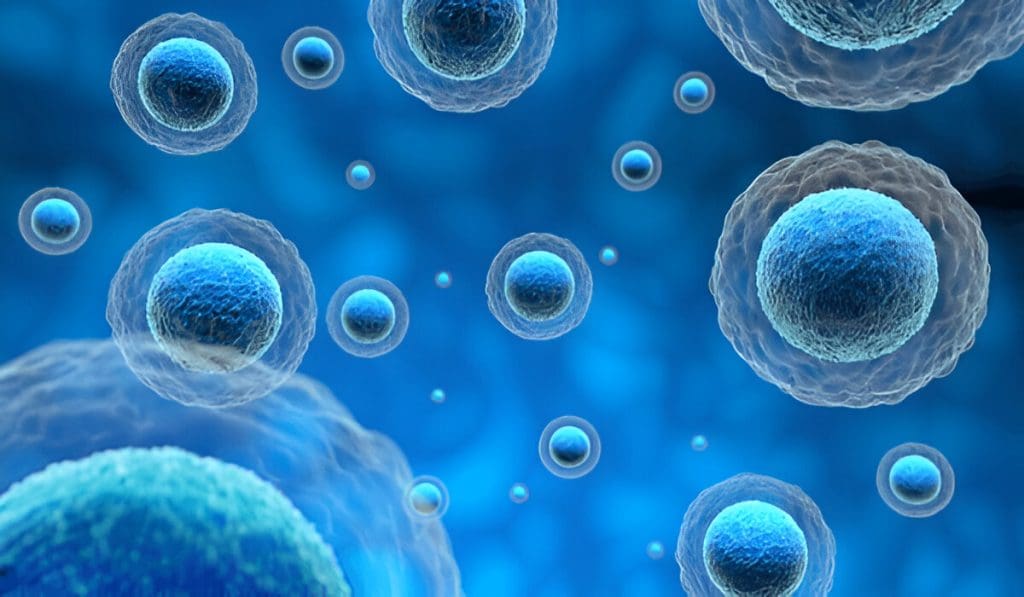
When we fast, our bodies undergo significant changes at the cellular level, influencing regeneration and overall well-being. This process is not just about abstaining from food; it’s about triggering various physiological responses that can lead to enhanced health.
During fasting, the body’s cells undergo autophagy, a natural process in which cells recycle damaged or dysfunctional components. This self-cleaning mechanism is essential for maintaining cellular health and promoting regeneration. Autophagy is a vital process that helps in removing damaged organelles and proteins, thereby rejuvenating cells.
Fasting also influences various metabolic pathways, leading to improved cellular function. For instance, a 24-hour fast can stimulate the production of certain proteins that are involved in cellular repair and regeneration. This period of fasting can be particularly beneficial for activating cellular processes that might not be as active during regular eating patterns.
Autophagy plays a crucial role in maintaining cellular homeostasis. By recycling damaged cellular components, autophagy helps in preventing diseases and promoting overall health. Research has shown that autophagy is linked to various health benefits, including reduced inflammation and improved cellular function.
| Process | Description | Benefits |
| Autophagy | Recycling of damaged cellular components | Improved cellular health, reduced inflammation |
| Cellular Regeneration | Renewal of cells through various cellular processes | Enhanced overall well-being, improved tissue health |
| Metabolic Adjustment | Adjustment of metabolic pathways during fasting | Better energy utilization, improved metabolic health |
In conclusion, fasting induces significant changes in the body, particularly in terms of cellular regeneration and health. Understanding these processes can help in harnessing the benefits of fasting for overall well-being.
Understanding stem cells is essential for grasping how our bodies repair and regenerate tissues. Stem cells are specialized cells that have the unique ability to differentiate into various cell types, playing a crucial role in maintaining tissue health and repairing damaged tissues.
Stem cells are characterized by their ability to self-renew and differentiate into specialized cells. There are several types of stem cells, including embryonic stem cells, adult stem cells, and induced pluripotent stem cells. Each type has distinct properties and functions, contributing to various physiological processes.
Embryonic stem cells are pluripotent, meaning they can give rise to every cell type in the body. Adult stem cells, on the other hand, are generally multipotent, meaning they can differentiate into a limited range of cell types. Induced pluripotent stem cells are generated in the lab by reprogramming adult cells to have pluripotent capabilities.
Stem cells play a vital role in healing and regeneration by replacing damaged or dying cells. They contribute to tissue homeostasis and repair through various mechanisms, including differentiation into specialized cells and secretion of factors that promote tissue regeneration.
The process of stem cell differentiation is tightly regulated by a complex interplay of signals and pathways. Understanding these mechanisms can provide insights into how fasting might influence stem cell activity and overall cellular health.
Research has shown that stem cells are crucial for maintaining tissue integrity and promoting regeneration in response to injury or disease. Enhancing stem cell function through lifestyle interventions like fasting could potentially improve overall health outcomes.
Fasting has been shown to have a profound impact on stem cell production, potentially leading to enhanced regeneration and repair. This connection is supported by emerging research that highlights the role of fasting in activating stem cells, which are vital for cellular regeneration and overall health.
Stem cells are unique cells that have the ability to differentiate into various cell types, contributing to tissue repair and regeneration. The activation of stem cells through fasting has been linked to improved cellular health and potentially to the treatment of various diseases.
Studies have demonstrated that fasting can induce stem cell activation, promoting regeneration and repair. For instance, research on mice has shown that a 72-hour fast can significantly increase stem cell production, enhancing the body’s ability to regenerate damaged tissues.
Fasting-induced stem cell activation involves complex metabolic pathways that are not yet fully understood. However, it is known that fasting triggers a cascade of cellular responses that ultimately lead to the activation of stem cells.
The metabolic pathways involved in stem cell regeneration during fasting include the activation of mTOR (mechanistic target of rapamycin) and the production of polyamines. mTOR is a critical regulator of cellular growth and metabolism, and its activation during fasting has been linked to enhanced stem cell function.
Additionally, the production of polyamines during fasting has been shown to play a role in stem cell regeneration. Polyamines are organic compounds that are involved in various cellular processes, including cell growth and proliferation.
Understanding the metabolic pathways involved in stem cell regeneration during fasting can provide valuable insights into the development of therapeutic strategies aimed at enhancing cellular health and promoting regeneration.
The world of fasting is diverse, with multiple approaches that can be tailored to suit individual lifestyles and health objectives. Understanding these different protocols is crucial for maximizing the benefits of fasting, whether you’re looking to improve metabolic health, increase longevity, or enhance cellular regeneration.
Intermittent fasting has gained popularity for its flexibility and effectiveness. Methods like the 16:8 diet, where you fast for 16 hours and eat within an 8-hour window, or the 5:2 diet, where you eat normally for 5 days and restrict calories to 500-600 on the other 2 days of the week, have been shown to improve insulin sensitivity and promote weight loss. These methods are great for beginners because they allow for some flexibility in dietary choices.
Extended fasting, which involves fasting for longer periods such as 3 days or more, has been associated with deeper physiological changes, including the potential activation of stem cells. Research suggests that extended fasts can stimulate autophagy, a natural process in which the body breaks down and recycles damaged cells and proteins. However, extended fasting should be approached with caution and ideally under medical supervision, especially for individuals with certain health conditions.
Time-restricted eating is another form of fasting that involves limiting your eating to a certain window of time each day. This can range from 8 to 12 hours and is often aligned with the body’s natural circadian rhythms. Time-restricted eating has been shown to improve metabolic health, reduce inflammation, and enhance overall well-being. It’s a more accessible form of fasting for many, as it doesn’t require complete caloric restriction for extended periods.
In conclusion, the choice of fasting protocol depends on individual goals, health status, and lifestyle. By understanding the different types of fasting protocols available, individuals can make informed decisions about which method might be most beneficial for them.
To harness the benefits of fasting for cellular health, it’s essential to understand how different fasting durations impact autophagy and stem cell production. Fasting has been shown to have various effects on cellular regeneration, depending on the length of the fast.
Fasting for 16-24 hours is a commonly cited duration for activating autophagy, a natural process in which cells recycle damaged or dysfunctional components. During this period, the body’s cells undergo a range of adaptations to conserve energy and promote cellular cleaning.
Autophagy activation is a critical aspect of cellular renewal, and research suggests that even relatively short fasting periods can stimulate this process. A 16-hour fast, for example, can be achieved by skipping dinner and not eating until breakfast the next day.
Extended fasts of 24-72 hours have been shown to have a more profound impact on stem cell production and regeneration. During this period, the body’s stem cells are activated to promote tissue repair and rejuvenation.
Research has demonstrated that extended fasting can increase the production of certain stem cell populations, which can contribute to improved tissue health and potentially even enhanced longevity.
Prolonged fasting protocols, involving fasting for 3 or more days, may offer additional benefits for cellular health, although they also carry greater risks. These extended fasting periods can lead to more significant changes in cellular metabolism and potentially even greater stem cell activation.
However, prolonged fasting should be approached with caution and under medical supervision, especially for individuals with certain health conditions or nutritional deficiencies.
Fasting has been shown to have numerous benefits that extend far beyond stem cell activation. While the impact on stem cells is significant, fasting influences various bodily systems, leading to overall improved health.
Fasting has been linked to several metabolic improvements, including enhanced insulin sensitivity and glucose metabolism. This can lead to a reduced risk of developing type 2 diabetes and metabolic syndrome. Improved metabolic health is one of the key benefits of incorporating fasting into one’s lifestyle.
A study published in the Journal of Clinical Endocrinology and Metabolism found that intermittent fasting improved insulin sensitivity in obese individuals. The table below summarizes some of the metabolic benefits observed in various studies.
| Metabolic Parameter | Effect of Fasting | Study Findings |
| Insulin Sensitivity | Improved | Enhanced glucose uptake in peripheral tissues |
| Glucose Metabolism | Regulated | Reduced glucose levels in fasting state |
| Lipid Profiles | Improved | Reduced triglycerides and LDL cholesterol |
Fasting has anti-inflammatory effects, which can lead to a reduction in chronic inflammation. This is significant because chronic inflammation is associated with various diseases, including cardiovascular disease and cancer. Reducing inflammation through fasting can contribute to overall health and well-being.
A 5-day fast has been shown to reduce inflammation by promoting the regeneration of immune cells. This process can help in reducing the risk of chronic diseases.
Fasting has been associated with cognitive benefits, including improved memory and neuroplasticity. The production of brain-derived neurotrophic factor (BDNF) is enhanced during fasting, which can lead to improved cognitive function.
In conclusion, the benefits of fasting extend far beyond stem cell activation, influencing metabolic health, inflammation levels, and cognitive function. Incorporating fasting into one’s lifestyle can lead to significant overall health improvements.
Understanding the potential risks associated with fasting is vital for a safe and effective fasting experience. While fasting can offer numerous health benefits, it’s not without its drawbacks, particularly for certain individuals.
Certain groups of people should avoid fasting or approach it with caution under medical supervision. These include:
It’s crucial for individuals with health concerns to consult with a healthcare provider before starting any fasting regimen.
Fasting can lead to several side effects, some of which can be managed with proper planning and precautions. Common side effects include:
Adjusting to a fasting regimen gradually can help minimize these side effects.
For certain individuals, particularly those with health conditions or planning extended fasts, medical supervision is not just recommended but necessary. A healthcare provider can monitor health markers, adjust medications as needed, and provide guidance on safely breaking a fast.
Medical supervision is strongly advised for prolonged fasts, such as a 7-day fast for cell repair to mitigate potential risks and ensure safety throughout the fasting period.
Implementing fasting safely is key to reaping its benefits for cellular regeneration and overall well-being. To start a fasting practice that supports optimal cellular health, it’s essential to consider several factors, including nutritional needs, health status, and lifestyle habits.
Before beginning any fasting regimen, it’s crucial to assess your health status. Certain individuals, such as those with diabetes, pregnant or breastfeeding women, and people with a history of eating disorders, should consult with a healthcare professional. It’s also important to start with shorter fasting periods and gradually increase the duration as your body adapts.
Nutrition plays a vital role in the success of a fasting regimen. Eating a balanced diet rich in fruits, vegetables, whole grains, and lean proteins before and after fasting can help minimize potential side effects and support overall health.
Fasting is just one aspect of a healthy lifestyle. Combining it with other positive habits can enhance its benefits. Regular exercise, adequate sleep, and stress management techniques such as meditation or yoga can complement fasting and support overall well-being.
By implementing fasting safely and combining it with other healthy lifestyle factors, individuals can potentially enhance their cellular health and overall quality of life.
Fasting has been shown to have a positive impact on stem cell activation and overall cellular health. By understanding the different types of fasting protocols and their effects on the body, individuals can harness the benefits of fasting to improve their health.
The connection between fasting and stem cell production is supported by research evidence, highlighting the potential for fasting to contribute to cellular regeneration and repair. As discussed, various fasting methods, including intermittent fasting and extended fasting, can stimulate autophagy and promote stem cell activation.
By incorporating fasting into a healthy lifestyle, individuals can experience a range of benefits, from improved metabolic function to enhanced cognitive performance. As with any significant change to diet or lifestyle, it’s essential to consider individual health needs and consult with a healthcare professional before starting a fasting regimen.
In summary, the benefits of fasting for stem cell activation and cellular health make it a valuable practice to explore for those seeking to improve their overall well-being.
Yes, it’s essential to ensure adequate nutrition before and after fasting, and to stay hydrated during fasting periods to support overall health and minimize potential side effects.
Yes, fasting has been shown to have broader benefits for cellular health, including improved metabolic function, reduced inflammation, and enhanced cognitive function.
While longer fasts may be more effective for some individuals, shorter fasts (24-72 hours) can also stimulate stem cell production, and the optimal duration may vary depending on individual factors.
Yes, combining fasting with other healthy lifestyle factors, such as a balanced diet, regular exercise, and stress management, may enhance stem cell activation and overall cellular health.
The timeframe for observing the benefits of fasting on stem cells varies, but some studies suggest that changes can occur within a few days to a few weeks.
Yes, fasting can be challenging, and certain individuals, such as those with a history of eating disorders or certain medical conditions, should consult with a healthcare professional before starting a fasting regimen.
Various fasting protocols, including intermittent fasting, extended fasting, and time-restricted eating, have been shown to be effective for stem cell activation.
Yes, studies have shown that fasting can stimulate the production of stem cells, which play a crucial role in healing and regeneration.
The frequency of fasting for cellular regeneration varies, but most research recommends fasting 1-3 times per month, with some protocols suggesting more frequent shorter fasts.
Research suggests that fasting for 24-72 hours can stimulate stem cell production, with some studies indicating that longer fasts (3+ days) may be even more effective.
