Nearly 1 in 10 people will get a kidney stone at some point. It’s a big health issue worldwide. The pain from kidney stone symptoms can be very hard to handle, making people wonder about passing a stone.
How long to pass a kidney stone depends on the care you get. Discover what the ER provides to speed up the process safely.
Dealing with kidney stone pain is tough. We aim to help you through this tough time with care and knowledge. We’ll cover what to expect when passing a kidney stone and the kidney stone treatment options.
Key Takeaways
- Understanding the process of passing a kidney stone can help manage the condition more effectively.
- Recognizing the symptoms of kidney stones is critical for timely medical help.
- There are many treatment options to ease kidney stone pain and help pass the stone.
- Getting medical advice is key to dealing with kidney stone challenges.
- Our team is dedicated to giving you caring and expert care every step of the way.
What is a Kidney Stone?
A kidney stone is a solid piece that forms in the kidney. It happens when there’s an imbalance in the urine’s makeup. This imbalance causes minerals to crystallize, forming stones of different sizes and types.
Definition and Types of Kidney Stones
Kidney stones, also known as renal calculi, are hard deposits made of minerals and salts. There are several types of kidney stones, each with different causes:
- Calcium Stones: The most common type, often caused by excess calcium in the urine.
- Uric Acid Stones: Formed when urine is too acidic, often in people who lose too much fluid or have a diet high in animal protein.
- Struvite Stones: Typically occur in people with urinary tract infections (UTIs) and can grow large enough to fill the renal pelvis.
- Cystine Stones: Rare and usually associated with a genetic disorder that causes the kidneys to release too much cystine into the urine.
Causes of Kidney Stone Formation
Kidney stones form when there’s a change in the normal balance of water, salts, and minerals in the urine. The most common cause is not drinking enough water, leading to concentrated urine that can crystallize into stones. Other factors include:
- Diet: Consuming foods high in salt, sugar, and animal protein can increase the risk.
- Family History: Having a family history of kidney stones increases an individual’s risk.
- Medical Conditions: Certain conditions, such as hyperparathyroidism or urinary tract infections, can increase the risk of developing kidney stones.
Understanding these factors can help in preventing the formation of kidney stones and managing their symptoms effectively.
Symptoms of Kidney Stones
It’s important to know the signs of kidney stones to get help quickly. These stones can cause pain that ranges from mild to very severe.
Common Signs You Might Have a Kidney Stone
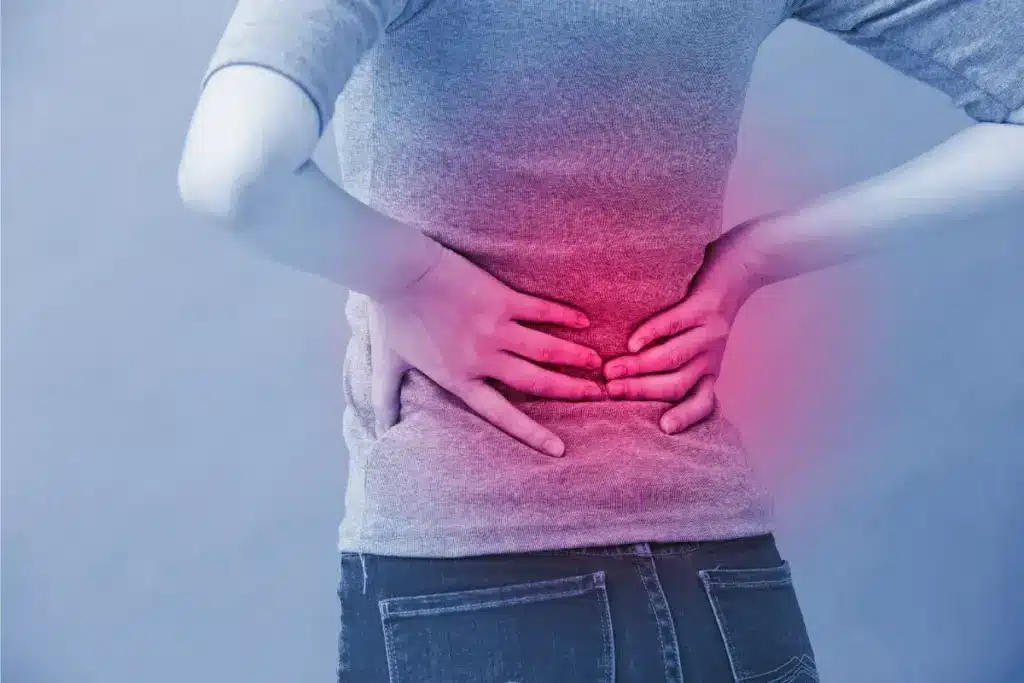
Look out for sudden, sharp pain in your back or side. You might also feel nauseous, vomit, and see blood in your urine. This pain is often described as one of the worst you can feel. It can spread to your lower abdomen or groin.
- Severe pain in the back, side, or lower abdomen
- Nausea and vomiting
- Blood in the urine, making it appear pink, red, or brown
- Fever and chills if an infection is present
- Difficulty urinating or a persistent urge to urinate
When to Seek Medical Attention
If you notice any of these signs, get medical help right away:
- Severe pain that doesn’t subside
- Vomiting or fever accompanying the pain
- Blood in the urine
- Signs of infection, such as fever and chills
|
Symptom |
Description |
Action |
|---|---|---|
|
Severe Pain |
Pain in the back or side that radiates to the lower abdomen or groin |
Seek immediate medical attention if the pain is unbearable |
|
Nausea and Vomiting |
Feeling queasy or vomiting, often accompanying severe pain |
Monitor and seek medical help if it persists |
|
Blood in Urine |
Urine appears pink, red, or brown due to blood presence |
Seek medical attention as it could indicate a stone or infection |
How Long Does It Take to Pass a Kidney Stone?
The time it takes to pass a kidney stone varies a lot. Knowing what affects this can help people deal with their condition better.
Average Duration for Smaller vs. Larger Stones
Smaller stones (less than 5 mm) usually pass quickly, in a few days to a week. But, bigger stones can take weeks or even months to pass. The size of the stone is key because bigger ones can get stuck and cause a lot of pain.
Factors Influencing Passage Time
Many things can change how long it takes to pass a kidney stone. These include:
- Hydration Level: Drinking lots of water helps move the stone out faster. It’s important to stay hydrated to prevent stone formation.
- Overall Health: People in good health, without urinary tract problems, tend to pass stones faster.
- Stone Composition: The type of stone affects how it passes. Some stones are easier to dissolve or break down, making passage easier.
- Medical Treatment: Sometimes, medical help can aid in passing the stone. For example, drugs that relax the ureter muscles can help bigger stones move more easily.
What to Expect During Passage
Passing a kidney stone can be different for everyone. It’s good to know what might happen. We’ll cover common symptoms and possible problems to help you get ready.
Physical Symptoms and Discomfort
Passing a kidney stone often brings sharp pain. This pain usually starts in the back or side and moves to the lower abdomen or groin. It’s called renal colic and can be very intense, coming in waves. Many people also feel nauseous and vomit, making things even harder.
Other symptoms include:
- Frequent or painful urination
- Blood in the urine
- Fever and chills, in cases of infection
- A persistent urge to urinate
The pain and other symptoms can vary. Smaller stones might cause less pain and pass more easily. But bigger stones can be much more painful and might lead to serious issues.
Potential Complications During Passage
There are serious complications to watch out for when passing a kidney stone. One big risk is infection. This can happen if bacteria are in the urinary tract. Signs of infection include fever, chills, and needing to urinate a lot.
Another problem is blockage of the urinary tract. This can happen if the stone gets stuck in the ureter or urethra. It can cause a lot of pain, infection, and even permanent damage if not treated right away.
“Understanding the possible complications during kidney stone passage is key. It helps manage the situation and get medical help when needed.”
Keep an eye on your symptoms and get help if you have severe pain, signs of infection, or trouble passing the stone. Knowing what to expect can help you deal with this tough time.
Pain Management Options in the ER
The ER is key for those with kidney stone pain. A visit is needed for severe pain. In the ER, pain management is a main focus. Our team is ready to help with effective relief.
Medications Commonly Administered
In the ER, meds are key for pain relief. Common meds include:
- NSAIDs (Nonsteroidal Anti-Inflammatory Drugs) like ibuprofen, which reduce inflammation and ease pain.
- Opioids, for more severe pain, but used with caution due to dependency risks.
These meds help many patients. But, the right choice depends on the patient’s history, pain level, and more.
Other Pain Relief Techniques
There are other ways to manage pain in the ER. These include:
- Hydration: Encouraging patients to drink water or get IV fluids to help pass the stone.
- Monitoring: Watching the patient closely to make sure the stone is passing and there are no issues.
These methods work with meds for a full pain management plan.
Diagnostic Procedures for Kidney Stones
To find out if you have kidney stones, doctors use special tests. These tests include imaging and urinalysis. They help doctors see if you have stones, how big they are, and where they are. This information helps them decide how to treat you.
Imaging Tests Used to Locate Stones
Imaging tests are key in finding kidney stones. The main tests used are:
- Computed Tomography (CT) scans: CT scans can spot even tiny stones. They show the stone’s size, where it is, and if there are any problems.
- Ultrasound: Ultrasound uses sound waves to make pictures of your kidneys. It’s good for finding big stones and checking for blockages.
- X-rays: X-rays help track stones that show up on them. But, not all stones can be seen with X-rays.
The type of imaging test you get depends on your symptoms, medical history, and where the doctor thinks the stone is.
|
Imaging Test |
Sensitivity |
Advantages |
|---|---|---|
|
CT Scan |
High |
Detailed images, detects small stones |
|
Ultrasound |
Moderate to High |
Non-invasive, no radiation |
|
X-ray |
Low to Moderate |
Quick, widely available |
Urinalysis and its Importance
Urinalysis is also very important in checking for kidney stones. It looks at a urine sample to see:
- Hematuria: Blood in the urine, which often means you have a stone.
- Infection: It can find signs of a urinary tract infection, which can be linked to stones.
- pH levels: The urine’s pH can tell doctors about the stone type and how to prevent more.
By using imaging tests and urinalysis together, doctors get a full picture of your situation. This helps them plan the best treatment for you.
Treatment Options for Kidney Stones
Treatment for kidney stones varies from simple home care to complex medical procedures. The right treatment depends on the stone’s size, location, and how severe the symptoms are.
When Home Care Isn’t Enough
For small stones, home care might work, with hydration and pain relief. But, if the stone is big or symptoms are severe, you need medical help. A urologist, says to seek medical help if symptoms are bad or if you have signs of infection.
Some signs you need more than home care include:
- Persistent and severe pain
- Vomiting or trouble keeping fluids down
- Fever or chills
- Blood in the urine
Minimally Invasive Procedures
For big stones or those causing blockage, minimally invasive procedures are best. Lithotripsy is a common method. It uses shock waves to break the stone into smaller pieces that can pass easily.
Other options include:
- Ureteroscopy: A small scope finds the stone, and it’s either removed or broken into smaller pieces.
- PCNL (Percutaneous Nephrolithotomy): A more invasive method for big stones, making a small incision in the back to remove the stone directly.
These procedures are done under anesthesia to reduce pain. The choice depends on the stone’s size, location, and the patient’s health.
Medical technology keeps improving, making treatments for kidney stones better and less invasive. We work with our patients to find the best treatment for their needs.
Tips for Preventing Kidney Stones
To prevent kidney stones, you need to make changes in your diet and drink plenty of water. Choosing the right foods and drinks can lower your risk of getting kidney stones.
Dietary Changes to Consider
Your diet is key in preventing kidney stones. Reducing sodium intake is important because high sodium can lead to more calcium in your urine. This can cause stones to form.
Also, watch your intake of foods high in oxalate, like spinach and beets. These foods can increase the risk of certain types of stones.
Be careful with your animal protein intake too. Eating too much animal protein can raise the risk of stones by increasing uric acid and calcium in your urine. Increasing citrate intake, found in foods like lemons and oranges, can help prevent stones.
Staying Hydrated: How Much Water You Need
Drinking enough water is vital in preventing kidney stones. Water helps dilute your urine, making it less likely for stones to form. Aim to drink at least 8-10 glasses of water per day. Your needs may vary based on how active you are, where you live, and other factors.
As an expert says, “Drinking enough water is one of the simplest and most effective ways to prevent kidney stones.”
“The goal is to produce at least 2 liters of urine per day to reduce the risk of stone formation.”
Watching the color of your urine can also help you know if you’re drinking enough water. It should be pale yellow.
Conclusion: Managing Kidney Stones Effectively
Managing kidney stones well means understanding them, getting the right medical care, and changing your lifestyle to avoid them. We’ve looked at all parts of kidney stones, from symptoms and diagnosis to treatment and prevention.
Key Takeaways for Kidney Stone Management
Passing a kidney stone is painful and hard. How long it takes depends on the stone’s size and where it is, plus your own health. Knowing these things and getting medical help when needed is key to handling kidney stones.
Importance of Ongoing Care
After having kidney stones, regular check-ups are vital. They help spot problems early and lower the chance of serious issues. Working with your doctor, you can make a plan to manage kidney stones and stop them from coming back.
By focusing on managing kidney stones and getting ongoing care, you can lower the risk of them coming back. This helps keep you healthy overall.
FAQ
Does kidney stone pain come and go?
Yes, kidney stone pain can be on and off. It happens as the stone moves through your urinary tract. The pain can be very bad and might feel like it’s in your lower abdomen, groin, or back.
How long does a kidney stone take to pass?
Passing a kidney stone can take different times. Small stones (less than 5 mm) might pass in a few days to a week. But bigger stones can take weeks or even months to move out.
Can kidney stones cause fever?
Yes, kidney stones can cause fever if they get infected or if you have a urinary tract infection. If you have fever, chills, or really bad pain, you should see a doctor right away.
How do they check for kidney stones?
Doctors use tests like CT scans, X-rays, or ultrasounds to find kidney stones. They also check your urine for blood or infection.
When to go to the ER for kidney stones?
Go to the ER if you have really bad pain, are vomiting, have fever, or can’t pee. These are signs you need urgent help.
Can urgent care diagnose kidney stones?
Urgent care can start checking for kidney stones. But if things get complicated or they’re not sure, you might need to see a specialist or go to the ER.
How bad is kidney stone pain?
Kidney stone pain is very severe. It’s often called one of the worst pains you can feel. The pain can be sharp, crampy, or stabbing and might make you feel sick to your stomach.
Can kidney stones make you throw up?
Yes, kidney stones can make you feel sick and throw up. This is more likely if the pain is really bad or if you have an infection.
Is it dangerous to have kidney stones?
Kidney stones can be very painful but are usually not life-threatening if treated right. But, if not treated, they can cause infections, damage your kidneys, or make more stones form.
How can I prevent kidney stones?
To avoid kidney stones, drink lots of water, eat less sodium and animal protein, and manage any health issues you have.
References
National Center for Biotechnology Information. Evidence-Based Medical Insight. Retrieved from https://pubmed.ncbi.nlm.nih.gov/10458343/