
People who have had bariatric surgery must take vitamins and minerals for life. This is to keep them healthy and avoid serious nutritional problems. Explaining the necessity and duration of how long to take vitamins after bariatric surgery (Lifelong).
After bariatric surgery, the body can’t absorb nutrients as well. So, patients need supplements to get what they need. The American Society for Metabolic and Bariatric Surgery (ASMBS) says it’s important to keep taking supplements and get checked regularly.
The journey after surgery is just the start. It’s a commitment to stay healthy with the right food and supplements.
Key Takeaways
- Lifelong vitamin and mineral supplementation is necessary after bariatric surgery.
- Bariatric surgery alters the body’s ability to absorb nutrients.
- Consistent supplementation and regular monitoring are vital for long-term health.
- The American Society for Metabolic and Bariatric Surgery (ASMBS) provides guidelines for post-operative care.
- Proper nutrition and supplementation are key to successful recovery.
Understanding Nutritional Challenges After Bariatric Surgery

Patients after bariatric surgery face challenges in getting enough nutrients. This is because their digestive system changes. The surgery makes the stomach smaller and might skip parts of the small intestine where nutrients are absorbed.
Anatomical Changes That Affect Nutrient Absorption
The surgery makes the stomach smaller, limiting food intake. Some procedures also skip parts of the small intestine. This can make it harder for the body to absorb vitamins and minerals.
Common Nutritional Deficiencies Following Weight Loss Surgery
Patients after surgery may face several nutritional issues. These include:
- Vitamin B12 deficiency due to reduced stomach capacity and decreased intrinsic factor production
- Iron deficiency resulting from reduced stomach acid and bypassing of the duodenum
- Calcium and Vitamin D deficiencies, potentially leading to osteoporosis
- Protein malnutrition if adequate protein intake is not maintained
These issues can harm health if not treated with supplements and diet changes.
Why Supplementation Becomes Essential
Supplementation is key after bariatric surgery. It helps fill the nutritional gap caused by surgery, ensuring patients get vital nutrients. It’s important to work with healthcare providers to find the right supplements.
In summary, knowing about nutritional challenges after bariatric surgery is essential. Understanding the changes, common deficiencies, and the importance of supplements helps patients meet their nutritional needs after surgery.
The Timeline of Vitamin Supplementation After Bariatric Procedures
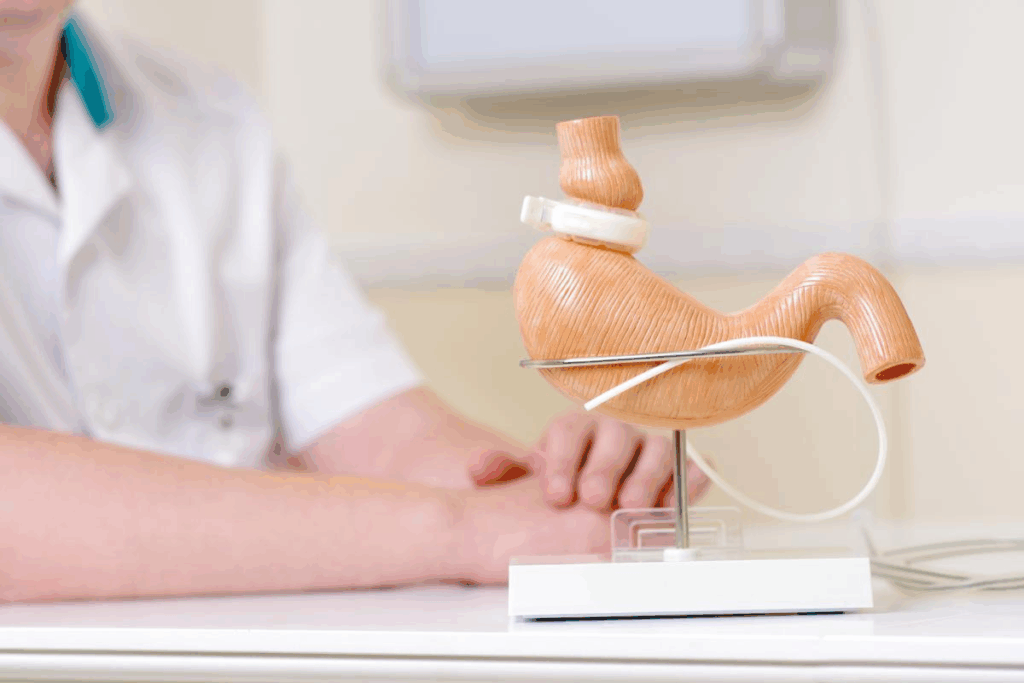
Knowing when to take vitamins after bariatric surgery is key. The path to good nutrition after surgery is divided into stages. Each stage has its own vitamin and mineral needs.
Immediate Post-Surgery Period (First Month)
Right after surgery, patients eat only liquids, then move to blended foods. It’s important to start taking multivitamins before surgery and again after. Calcium Citrate starts one week after surgery. For the first three to six months, use chewable or liquid vitamins.
Medical Expert, a bariatric surgeon, says, “The first few weeks after surgery are very important. Supplements help avoid nutrient deficiencies.”
“The key to successful nutritional management post-bariatric surgery lies in the patient’s ability to adhere to the supplementation regimen.” – Medical Expert
Early Recovery Phase (1-3 Months)
In the early recovery, patients keep eating blended foods. Supplements are very important for their nutrition. Liquid and chewable supplements are best because of digestive issues.
Supplement Type | Recommended Form | Duration |
Multivitamin | Chewable/Liquid | First 3-6 months |
Calcium Citrate | Tablet/Chewable | Starting 1 week post-op |
Stabilization Phase (3-6 Months)
When patients get to the stabilization phase, their diet gets more solid. They can switch to different forms of supplements if needed. Keep taking multivitamins and calcium, maybe switching to pills if okay.
Long-Term Maintenance (6+ Months)
In the long-term, patients must keep taking vitamins forever. The goal is to keep nutritional levels high. See a doctor every year or two to check on nutrition and adjust supplements if needed.
Following this timeline helps patients get the best nutrition after bariatric surgery. This improves their life quality a lot.
How Long to Take Vitamins After Bariatric Surgery: The Lifelong Commitment
Choosing bariatric surgery means you’ll need to take vitamins for life. This change is permanent, affecting how your body gets nutrients.
After surgery, your body can’t absorb nutrients as well. Procedures like gastric sleeve and bypass change your digestive system. This makes it hard for your body to get vitamins and minerals from food.
Why Supplementation Is Permanent
The changes from bariatric surgery are permanent. So, taking vitamins for life is not optional but necessary.
Medical Expert, a bariatric surgeon, says, “Patients must take vitamins for life to avoid nutritional problems.” This is key to staying healthy after surgery.
“The key to successful long-term outcomes after bariatric surgery lies in the patient’s ability to adhere to the recommended supplementation regimen.” – Medical Expert
Consequences of Discontinuing Supplements
Stopping vitamins can cause serious health issues. These include anemia, osteoporosis, and neurological problems.
Condition | Cause | Symptoms |
Anemia | Iron, Vitamin B12 deficiency | Fatigue, weakness, pale skin |
Osteoporosis | Calcium, Vitamin D deficiency | Bone pain, fractures |
Neurological Problems | Vitamin B12 deficiency | Numbness, tingling, cognitive issues |
Success Stories and Long-Term Compliance
A patient who had gastric sleeve surgery five years ago says, “Taking my vitamins has boosted my energy and health.”
These stories show the value of taking vitamins for life. They highlight the benefits of commitment and care.
Essential Vitamins and Minerals Required After Different Bariatric Procedures
The type of bariatric surgery a patient gets changes their nutritional needs after surgery. Each surgery affects how well the body absorbs nutrients differently. This means each patient needs different supplements.
Gastric Sleeve Requirements
Gastric sleeve surgery makes the stomach very small. It doesn’t change how nutrients are absorbed. But, it can make eating less and change how you eat. Patients need:
- Multivitamins for good nutrition
- Vitamin B12 to avoid deficiency
- Calcium and vitamin D for strong bones
- Iron to stop anemia, mainly in women who menstruate
Gastric Bypass Needs
Gastric bypass surgery makes a small pouch from the stomach and connects it to the small intestine. This can cause less nutrient absorption. So, patients need:
- Multivitamins and minerals to make up for less absorption
- Vitamin B12 injections because oral intake is low
- Iron and folate to prevent anemia
- Calcium and vitamin D for bone health
Duodenal Switch Considerations
The duodenal switch removes a lot of the stomach and changes the small intestine’s path. This leads to a lot of malabsorption. Patients need:
- High doses of fat-soluble vitamins (A, D, E, and K)
- Vitamin B12 injections
- Calcium and vitamin D supplements
- Regular checks on nutritional levels because of high risk of deficiency
Adjustable Gastric Banding Supplementation
Adjustable gastric banding puts a band around the stomach to make a small pouch. It doesn’t affect nutrient absorption much. But, patients should:
- Take multivitamins for good nutrition
- Get vitamin B12 to avoid deficiency
- Watch iron levels, mainly in menstruating women
Each bariatric surgery has different nutritional needs. The table below shows the main supplements needed for each surgery:
Bariatric Procedure | Key Supplements Required |
Gastric Sleeve | Multivitamins, Vitamin B12, Calcium, Vitamin D, Iron |
Gastric Bypass | Multivitamins, Vitamin B12 injections, Iron, Calcium, Vitamin D |
Duodenal Switch | Fat-soluble vitamins (A, D, E, K), Vitamin B12 injections, Calcium, Vitamin D |
Adjustable Gastric Banding | Multivitamins, Vitamin B12, Iron |
Protein Requirements and Supplementation Post-Surgery
Protein is key for recovery and weight control after bariatric surgery. It helps keep muscle mass, supports health, and aids in healing.
Daily Protein Intake Recommendations
Patients should aim for 60 to 80 grams of protein a day after surgery. This helps with healing and keeps muscle mass during weight loss.
To meet this goal, we recommend:
- Eating protein-rich foods like lean meats, fish, eggs, and dairy.
- Using protein supplements if you can’t get enough from food.
Best Sources of Protein for Bariatric Patients
Finding the right protein sources is important for bariatric patients. Here are some top choices:
- Lean Meats: Chicken, turkey, and lean beef are great options.
- Fish and Seafood: Fish like salmon and tuna are rich in protein and omega-3s.
- Eggs and Dairy: Eggs, Greek yogurt, and cottage cheese are high in protein and versatile.
- Protein Supplements: Protein powders are a good backup when food isn’t enough.
Signs of Protein Deficiency to Watch For
Knowing the signs of protein deficiency is important. Look out for:
- Fatigue and weakness.
- Swelling in the legs and feet.
- Slow healing of wounds.
- Loss of muscle mass.
If you notice these symptoms, talk to your doctor to adjust your protein intake.
Healthcare experts say, “Protein is not just for recovery. It’s for keeping healthy and losing weight successfully in the long run.”
Supplement Formulations: What Works Best When
The type of vitamin supplement you take after bariatric surgery is very important. It affects your nutritional health a lot. As you recover, the right supplements help you absorb nutrients well.
Liquid and Chewable Options for Early Stages
Right after surgery, doctors often suggest liquid or chewable supplements. “Chewable vitamins are recommended for at least the first 3 months after surgery as they are better tolerated and absorbed,” says a leading bariatric nutritionist. These are easier on your stomach, which is healing.
Liquid supplements are also good because they’re easy to absorb. They help meet your nutritional needs without hurting your stomach. Start with these for the first three to six months.
When to Transition to Pills and Tablets
When your stomach gets better, you can start taking pills or tablets. This usually happens in 3-6 months. Watch how your body reacts and change supplements if needed.
Always talk to your doctor before switching to pills or tablets. Everyone’s body is different.
Bariatric-Specific vs. Standard Supplements
Bariatric-specific supplements are made for people who have had bariatric surgery. They have more vitamins and minerals that you need. Standard supplements might not have enough.
So, it’s best to use bariatric-specific supplements. They help you get the nutrients you need.
Absorption Rates of Different Formulations
How well you absorb supplements depends on their type. Liquid and chewable ones work better in the early stages.
When you start taking pills and tablets, keep an eye on your nutrition. Regular lab tests can spot any missing nutrients early.
“The right supplements are just part of staying healthy after bariatric surgery,” says a bariatric specialist. “Checking in regularly and adjusting your supplements is key to success.”
Monitoring Nutritional Status Throughout Your Bariatric Journey
After bariatric surgery, you’re not just losing weight. You also need to watch your nutrition closely. Regular check-ups and nutritional tests are key to staying healthy.
Essential Lab Tests and Their Frequency
Lab tests are important for checking nutritional levels and health after surgery. These tests include:
- Complete Blood Count (CBC)
- Vitamin B12 levels
- Folate levels
- Iron studies
- Vitamin D levels
- Parathyroid hormone (PTH) levels
These tests are done at 3, 6, and 12 months after surgery. Then, they’re done every year. Here’s a table showing when these tests are usually done:
Test | 3 Months | 6 Months | 12 Months | Annually |
CBC | ✔ | ✔ | ✔ | ✔ |
Vitamin B12 | ✔ | ✔ | ✔ | ✔ |
Vitamin D | ✔ | ✔ | ✔ |
Working With Your Healthcare Team
Working with your healthcare team is vital for nutritional monitoring. Your team may include a bariatric surgeon, a dietitian, and other specialists. Regular meetings help in:
- Checking nutritional levels
- Changing supplements as needed
- Dealing with any issues
“The key to successful long-term outcomes after bariatric surgery lies in the patient’s ability to work closely with their healthcare team to monitor and adjust their nutritional plan as needed.” Medical Expert, Bariatric Surgeon
Adjusting Supplementation Based on Test Results
Lab results help decide if you need more vitamins or minerals. For example, if you’re low on Vitamin B12, you might need more B12 supplements. It’s important to follow your healthcare team’s advice to avoid deficiencies and stay healthy.
By keeping an eye on your nutrition and working with your healthcare team, you can get the best results from bariatric surgery. This helps you stay healthy and feel your best.
Common Challenges With Vitamin Compliance After WLS
The journey after weight loss surgery is not just about physical recovery. It also involves managing lifelong vitamin supplementation. Vitamin compliance is key for health and success after surgery. Yet, patients often face several challenges.
Supplement Fatigue and How to Overcome It
Supplement fatigue is a big challenge. It happens when taking many supplements daily becomes monotonous. To beat this, patients can simplify their regimen with their healthcare provider’s help.
Combining supplements into a single multivitamin or changing to a liquid or chewable form can help. Setting reminders or taking supplements with meals can also keep things consistent. Reviewing and adjusting the supplement plan with a healthcare provider is important too.
Dealing With Taste Aversions and Sensitivities
Taste aversions and sensitivities can also be a problem. For example, some find liquid supplements unpalatable. Exploring different brands or formulations that taste better can help.
Taking supplements with food or after meals can reduce unpleasant tastes and side effects. If a supplement causes discomfort, talking to a healthcare provider or registered dietitian can find alternatives.
Cost Management Strategies for Long-Term Supplementation
The cost of lifelong vitamin supplementation is a big worry for many. Discussing the supplement regimen with a healthcare provider can help avoid unnecessary costs. Buying in bulk, choosing generic versions, and looking for discounts can also save money.
Patients should also talk to a registered dietitian/nutritionist about supplement challenges. These experts can offer personalized advice. They help manage costs and side effects while ensuring necessary nutrients are received.
Special Considerations for Different Life Stages
Life after bariatric surgery brings unique nutritional challenges. Our nutritional needs evolve with age, health changes, or pregnancy plans. We’ll look at special considerations for different life stages and how to manage supplements.
Pregnancy After Bariatric Surgery
Pregnancy after bariatric surgery needs careful nutrition planning. Key nutrients include folic acid, iron, calcium, and vitamin B12. It’s important to work with your healthcare provider to keep nutritional levels right.
Important pregnancy considerations include:
- Regular monitoring of nutrient levels
- Adjusting supplement dosages as recommended by your healthcare provider
- Maintaining a balanced diet rich in essential nutrients
Aging and Changing Nutritional Needs
Our nutritional needs change with age. Aging bariatric patients may need to adjust supplements for age-related deficiencies. Focus on vitamin D, calcium, and protein for bone and muscle health.
Strategies for aging include:
- Regular health check-ups to monitor nutritional status
- Adjusting supplement formulations to meet changing needs
- Incorporating a variety of nutrient-dense foods into the diet
Managing Supplements With Other Medical Conditions
Managing supplements can be complex for bariatric patients with other medical conditions. It’s essential to consider how health conditions affect nutritional needs. For example, kidney disease may require nutrient limits.
Key considerations for managing supplements with other medical conditions include:
- Consulting with your healthcare provider to tailor your supplement regimen
- Monitoring for possible interactions between supplements and medications
- Adjusting supplement dosages based on changing health status
Understanding and addressing these special considerations helps support the long-term health of bariatric surgery patients.
Conclusion: Embracing Supplementation as Part of Your New Life
As we wrap up our talk on vitamin supplements after bariatric surgery, it’s clear they’re key for a healthy recovery. Taking vitamins and minerals for life is vital to stay healthy after surgery. It helps avoid nutritional gaps and ensures nutrients are absorbed well.
By sticking to a supplement plan, patients can enjoy the good results of their surgery without facing many problems. We urge patients to see supplements as a big part of their new life. They should work with their healthcare team to keep an eye on their nutrition and change supplements if needed.
Seeing supplements as a lifelong choice helps people stay healthy and enjoy the lasting benefits of bariatric surgery. This way, patients can look forward to a healthier, more vibrant life. They’ll have the support of a detailed supplement plan made just for them.
FAQ
How long do I need to take vitamins after bariatric surgery?
You’ll need to take vitamins and supplements for life after bariatric surgery. This ensures you get all the nutrients you need.
What vitamins and minerals are essential after bariatric surgery?
After bariatric surgery, you’ll need multivitamins, calcium, vitamin D, iron, and vitamin B12. The exact needs depend on your surgery type.
How much protein should I consume after bariatric surgery?
Aim for 60-80 grams of protein daily after surgery. Your exact needs might vary based on your procedure and health.
What are the signs of protein deficiency after bariatric surgery?
Protein deficiency signs include fatigue, hair loss, swelling, and slow wound healing. These are just a few symptoms.
What type of supplements are recommended after bariatric surgery?
Start with liquid and chewable supplements early on. Later, you can switch to pills and tablets.
How often should I have lab tests to monitor my nutritional status?
Get lab tests every 3-6 months. This helps track your nutrition and adjust supplements as needed.
Can I stop taking supplements if I’m feeling fine?
No, don’t stop supplements even if you feel good. Deficiencies can sneak up on you without symptoms.
How do I manage supplement fatigue and taste aversions?
To beat supplement fatigue and taste issues, try different types and flavors. Taking them with food can also help.
Are there special considerations for pregnancy after bariatric surgery?
Yes, pregnancy after surgery needs extra nutritional care. Your healthcare team will monitor your nutrient levels closely.
How do I adjust my supplementation as I age?
As you get older, your nutritional needs might change. Adjust your supplements with your healthcare team’s guidance.
Can I take standard multivitamins after bariatric surgery?
No, you should use bariatric-specific supplements. They’re made to meet the unique needs of bariatric patients.
What are the consequences of discontinuing supplements after bariatric surgery?
Stopping supplements can lead to serious health issues. These include anemia, osteoporosis, and neurological problems.
References
National Center for Biotechnology Information. Evidence-Based Medical Guidance. Retrieved from https://www.ncbi.nlm.nih.gov/pmc/articles/PMC3327981/