Last Updated on November 17, 2025 by Ugurkan Demir
Having a blood clot in the leg can be scary and painful. Many people wonder, “how long will a blood clot last?” Knowing this is key to understanding recovery and getting proper treatment.
At Liv Hospital, we know that the duration of a blood clot in the leg can vary from person to person. With the right treatment, most clots can heal in about three months. Doctors generally say it takes 3 to 6 months for a blood clot to fully dissolve.
Effective treatment and personalized patient care are essential for proper healing. Our advanced treatments and focus on patient health allow us to provide care tailored to each individual with a blood clot.
Key Takeaways
- Blood clots in the leg typically last between 3 to 6 months with proper treatment.
- Effective treatment and patient care significantly influence the recovery process.
- Liv Hospital offers leading-edge protocols for individualized patient care.
- Understanding the duration and healing process is key for recovery.
- Proper treatment can help resolve blood clots within a few months.
Understanding Blood Clots in the Leg
Blood clots in the leg are serious and can be dangerous. They are formed by blood cells and proteins. Knowing how they form and the risks is key to managing them.
What Is a Blood Clot?
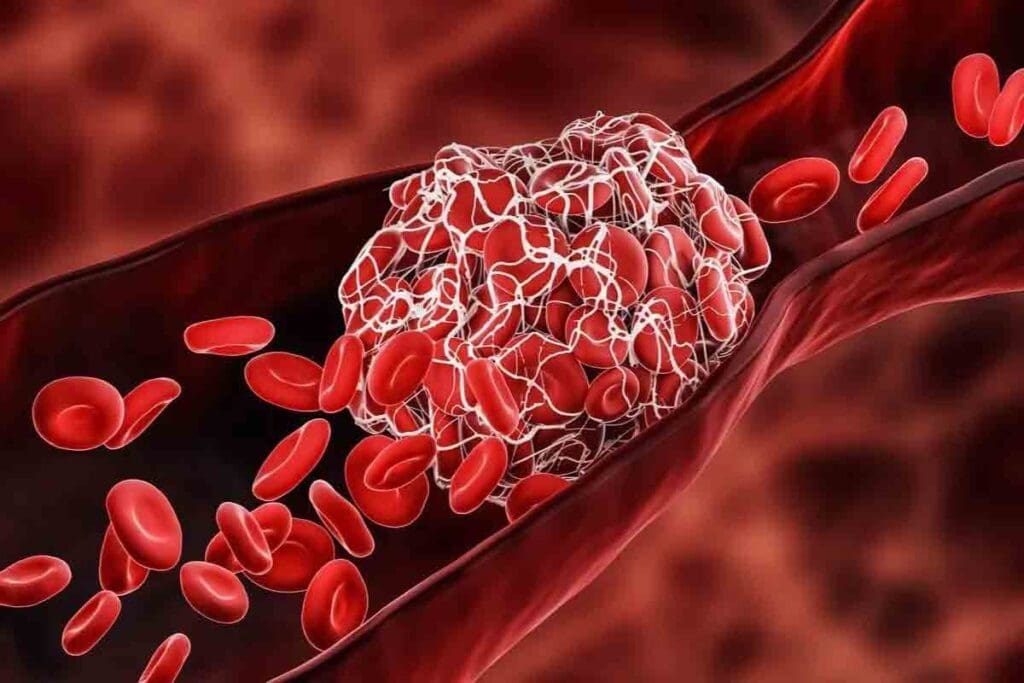
A blood clot is a gel-like mass in the blood. It stops bleeding when you’re injured. But, a clot in the deep veins of the leg is called deep vein thrombosis (DVT) and is very dangerous.
Types of Blood Clots in the Leg
There are two main types of blood clots in the leg. Thrombosis is when a clot forms in a vein. An embolism is when a clot breaks loose and travels, causing a blockage.
- Deep Vein Thrombosis (DVT): Clot formation in the deep veins, typically in the legs.
- Pulmonary Embolism (PE): A clot that breaks loose and travels to the lungs, potentially causing a life-threatening condition.
Common Causes and Risk Factors
Blood clots in the leg can be caused by many things. These include being immobile for a long time, injuries, and genetic conditions. Knowing these risk factors helps prevent and detect blood clots early.
Some key risk factors are:
- Prolonged immobility, such as during long flights or bed rest.
- Injury or trauma to the leg.
- Family history of blood clots.
- Certain genetic conditions that affect blood clotting.
- Age, as the risk increases with older age.
Understanding these causes and risk factors helps prevent blood clots. It also means seeking medical help if symptoms appear.
The Typical Timeline: How Long Will a Blood Clot Last
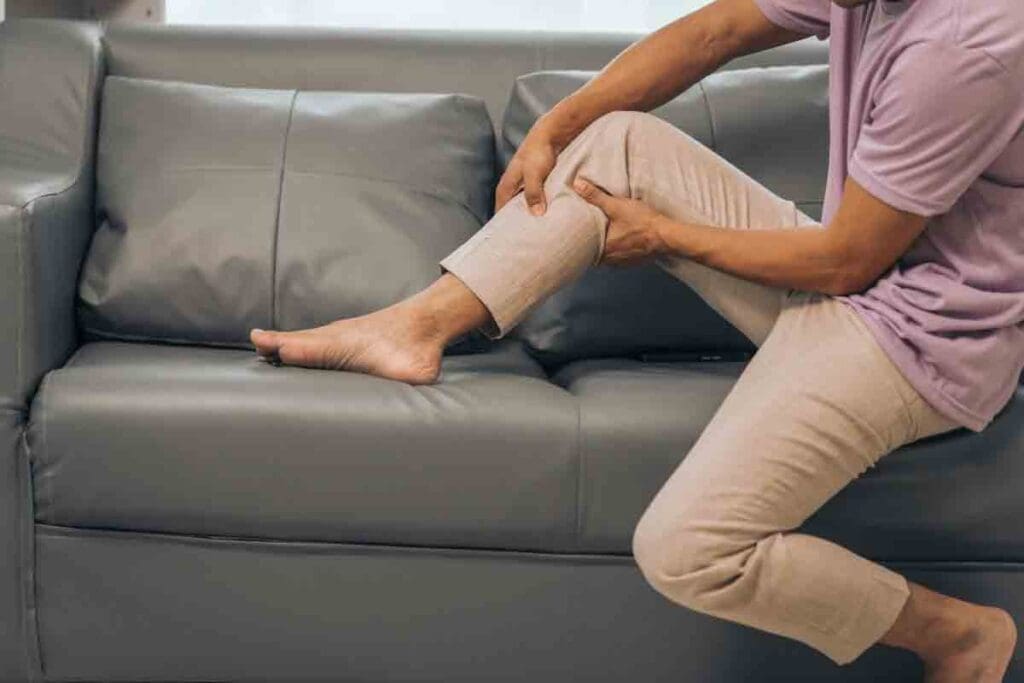
People with deep vein thrombosis often wonder how long a blood clot will stay in their leg. Knowing this is key to managing the condition well.
Average Duration With Proper Treatment
Most blood clots in the leg get better with treatment in about three months. Research shows that treatment starts to work in days to weeks. Full recovery can take several months. Does a blood clot go away on its own? While some do, medical help makes a big difference.
Factors Affecting Blood Clot Duration
Many things can change how long a blood clot lasts. These include the clot’s size and where it is, how well treatment works, and the patient’s health. For example, bigger clots or those in important areas may take longer to clear up.
| Factor | Impact on Clot Duration |
| Clot Size | Larger clots take longer to dissolve |
| Treatment Effectiveness | Proper anticoagulation therapy can reduce clot duration |
| Patient’s Health | Underlying conditions can prolong clot resolution |
It’s important for patients to stick to their treatment plans and make lifestyle changes to help heal. This can help shorten the time a blood clot lasts and lower the chance of problems.
The Healing Process of Blood Clots
It’s important to know how blood clots heal. The body has a natural way to deal with them. This includes several steps from forming to dissolving the clot.
Initial Clot Formation
A blood clot in the leg often happens due to injury or other clotting factors. The clot is made of platelets, fibrin, and other blood parts. This initial step is key to stop too much bleeding.
Natural Dissolution Process
The body has a natural way to break down blood clots called fibrinolysis. Enzymes are released to dissolve the clot. The time it takes can vary based on the clot’s size and where it is.
Stages of Blood Clot Healing
The healing of a blood clot goes through several stages:
| Stage | Description | Timeline |
| Initial Clot Formation | Clot forms to stop bleeding | Immediate |
| Clot Stabilization | Clot is reinforced with fibrin | 0-48 hours |
| Fibrinolysis | Enzymes break down the clot | Days to weeks |
| Clot Resolution | Clot is gradually dissolved | Weeks to months |
Knowing these stages helps track the healing. The time it takes for a clot to heal can differ. It depends on treatment, health, and any underlying conditions.
Treatment Options and Their Effect on Healing Time
Knowing the different treatments for blood clots is key. The treatment you choose can affect how long it takes for a clot to heal.
Anticoagulation Therapy
Anticoagulation therapy uses medicines to stop the clot from growing. These medicines help the body break down the clot naturally. They are called “blood thinners,” but they don’t actually thin the blood. Instead, they stop new clots and prevent existing ones from getting bigger.
“Anticoagulation therapy is a cornerstone in the management of deep vein thrombosis,” say doctors. This treatment often includes medicines like warfarin, rivaroxaban, or apixaban.
Thrombolytic Medications
Thrombolytic medicines are for severe cases or high-risk situations. They dissolve the clot directly. Because of the risk of bleeding, these drugs are given in a hospital.
Compression Therapy
Compression therapy uses stockings to reduce swelling and improve blood flow. It’s often used with other treatments to help healing and prevent complications.
Surgical Interventions
Surgery might be needed in some cases. Procedures like thrombectomy (clot removal) or vena cava filter placement may be used for severe clots.
The right treatment depends on many factors. These include the clot’s size and location, the patient’s health, and the risk of complications. A healthcare provider will choose the best treatment for each person.
How Long for a Blood Clot to Go Away With Different Treatments
The time it takes for a blood clot to dissolve changes with each treatment. Different methods affect healing in different ways. Knowing these differences helps manage expectations and make better choices.
Timeline With Anticoagulants
Anticoagulants help prevent blood clots from growing while the body breaks them down. A study in the Journal of Thrombosis and Haemostasis shows they reduce clot growth and recurrence risk. Treatment with anticoagulants usually lasts 3 to 6 months, depending on the individual’s risk factors and the clot’s cause.
Here’s how anticoagulants help dissolve clots in stages:
- Initial treatment phase: 1-3 months
- Clot stabilization phase: 3-6 months
- Follow-up phase: 6-12 months
Recovery With Thrombolytics
Thrombolytic therapy is for severe cases to dissolve clots directly. It’s for those with big clots or high risk of complications. As the American Heart Association notes,
“Thrombolytic therapy can rapidly restore blood flow, but it carries a higher risk of bleeding complications.”
Source: American Heart Association
Thrombolytics can dissolve clots in 24 to 48 hours. But, they need close watch due to bleeding risks.
Non-Medication Approaches
Non-medication methods, like compression therapy and lifestyle changes, are key in managing blood clots. Compression stockings help with swelling and circulation. A healthy lifestyle, with regular exercise and a balanced diet, also aids in healing.
| Approach | Description | Timeline |
| Compression Therapy | Use of compression stockings to improve circulation | Ongoing, typically 2-5 years |
| Lifestyle Modifications | Diet and exercise changes to support healing | Ongoing, with noticeable improvements in 3-6 months |
Combination Therapy Outcomes
Combination therapy uses multiple treatments together. For example, anticoagulants with compression therapy can improve clot resolution and lower complication risks.
A study showed patients on combination therapy had better clot resolution and fewer recurrences than single treatments. Combination therapy often leads to a more complete approach to managing blood clots.
How Long Can a Blood Clot Stay in Your Leg if Untreated
Untreated blood clots in the leg can be very dangerous. They can even be life-threatening. A blood clot in the deep veins of the leg is called Deep Vein Thrombosis (DVT). If not treated, DVT can cause serious problems.
Risks of Delayed Treatment
Waiting too long to treat a blood clot in the leg can be risky. The clot might stay longer and could break loose. If it does, it could go to the lungs and cause a pulmonary embolism. This is very dangerous.
The risks of not treating blood clots are many:
- Pulmonary embolism, a potentially fatal condition
- Post-thrombotic syndrome, leading to chronic leg pain and swelling
- Recurrent DVT, increasing the risk of long-term damage
Potential Complications
Untreated blood clots can cause serious problems. A pulmonary embolism happens when a clot breaks loose and goes to the lungs. It can be deadly if not treated right away. Also, untreated DVT can lead to long-term health issues.
The complications include:
- Pulmonary embolism
- Post-thrombotic syndrome
- Chronic pain and swelling
- Skin discoloration and ulcers
When Untreated Clots Become Dangerous
Clots become dangerous when they cause a pulmonary embolism or lead to chronic conditions. It’s very important to get medical help if symptoms don’t get better or get worse.
Signs that an untreated clot is becoming dangerous include:
- Shortness of breath or chest pain, indicating a possible pulmonary embolism
- Increasing leg pain or swelling
- Warmth or redness in the affected leg
In summary, not treating a blood clot in the leg can lead to serious and even deadly problems. Knowing the risks and the signs of danger can help people get medical help quickly. This can prevent long-term damage.
Will a Blood Clot in the Leg Go Away on Its Own?
Some blood clots can dissolve by themselves, but others need quick medical help. How well the body can dissolve a clot depends a lot on it.
Natural Dissolution Capabilities
The body has a way to break down blood clots, called fibrinolysis. It turns the clot into smaller pieces that can be removed. But, how well this works depends on the clot’s size, where it is, and the person’s health.
Factors influencing natural dissolution include:
- The size of the clot: Larger clots are less likely to dissolve naturally.
- The location of the clot: Clots in certain areas may be more prone to natural dissolution.
- Underlying health conditions: Conditions such as cancer or clotting disorders can affect the body’s ability to dissolve clots.
When Medical Intervention Is Necessary
Not all blood clots can or should dissolve by themselves. Medical help is needed if the clot could cause serious problems, like pulmonary embolism or post-thrombotic syndrome.
Signs that medical intervention is necessary include:
- Severe pain or swelling in the affected limb.
- Warmth or redness in the affected area.
- Shortness of breath or chest pain, which could indicate a pulmonary embolism.
Risks of Relying on Self-Resolution
Counting only on the body’s ability to dissolve clots without doctor’s help is risky. Blood clots that are not treated right can cause serious and even deadly problems.
Potential risks include:
- Pulmonary embolism: A condition where the clot breaks loose and travels to the lungs.
- Post-thrombotic syndrome: Chronic pain, swelling, and skin discoloration in the affected limb.
- Recurrent DVT: The likelihood of developing another blood clot increases if the initial clot is not properly treated.
In conclusion, while some blood clots may dissolve naturally, it’s important to see a doctor. This ensures the right treatment and avoids serious complications.
How Long Does Deep Vein Thrombosis Last?
Knowing how long deep vein thrombosis (DVT) lasts is key for managing it well. DVT is a serious issue where a blood clot forms in a deep vein, usually in the legs. The time DVT lasts can change a lot, based on treatment and the patient’s health.
Acute DVT Resolution Timeline
Acute DVT can get better in a few months with the right treatment. Anticoagulation therapy is the main treatment, stopping the clot from getting bigger and lowering the risk of problems. The time it takes for DVT to resolve can be divided into stages:
- Initial treatment phase (0-3 months): The risk of clot growth is highest here.
- Clot stabilization phase (3-6 months): The clot starts to stabilize, and the risk of issues goes down.
- Clot resolution phase (6-12 months): The clot slowly gets better, and symptoms start to fade.
Chronic DVT Management
Sometimes, DVT can turn into a long-term condition that needs ongoing care. Chronic DVT management aims to stop new clots and lower the chance of post-thrombotic syndrome (PTS). This might include:
| Management Strategy | Description |
| Anticoagulation therapy | Using anticoagulant medicines to stop new clots. |
| Compression therapy | Wearing compression stockings to lessen swelling and boost blood flow. |
| Lifestyle modifications | Making diet, exercise, and lifestyle changes to lower clot risk. |
Will DVT Go Away Completely?
Whether DVT will completely go away depends on treatment success and underlying health issues. While acute DVT can clear up with treatment, chronic DVT might need ongoing care to avoid complications. It’s vital for patients to team up with their healthcare provider to create a tailored treatment plan.
Monitoring Recovery: How to Tell if a Blood Clot Is Healing
Watching a blood clot heal means looking for physical signs and using tests. As healing starts, you’ll see signs that the clot is getting better.
Physical Signs of Improvement
One key way to see if you’re getting better is by noticing physical changes. These can be:
- Less swelling in the leg
- Less pain or discomfort
- Being able to move more easily
- Less warmth or redness in the area
Remember, these signs can differ for everyone. Keeping a journal of your symptoms can help track changes. This info is useful for your healthcare team.
Diagnostic Tests for Monitoring
Tests are important for checking how a blood clot is healing. These include:
- Duplex ultrasound: A test that uses sound waves to see blood flow and find clots.
- D-dimer test: A blood test that checks for D-dimer, a sign of clot dissolving.
When to Contact Your Doctor
It’s important to know when to see a doctor while recovering. Call your doctor if you notice:
- More pain or swelling
- New or getting worse symptoms
- Signs of a pulmonary embolism, like chest pain or trouble breathing
Quick medical help can stop problems and help you heal faster. Regular check-ups with your doctor are also key. They help adjust your treatment as needed.
Lifestyle Factors That Affect How Long for Blood Clot to Heal
Lifestyle choices greatly impact how long it takes for a blood clot to heal. Healthy habits and following medical advice can help a lot.
Diet and Nutrition
Eating well is key for healing. Foods rich in vitamin K, like leafy greens, help with blood clotting. Drinking lots of water is also important. A good diet helps dissolve the clot and keeps blood vessels healthy.
Physical Activity and Exercise
Exercise is vital for better blood flow, which aids in clot healing. Walking is a great exercise to start with. But, always check with a doctor before starting any new workout, after a blood clot.
Medication Adherence
It’s important to take all prescribed blood thinners as directed. This helps stop the clot from getting bigger and prevents new ones. Always follow your doctor’s advice on how much to take and for how long.
Smoking and Alcohol Consumption
Smoking and too much alcohol can slow healing. Smoking harms blood vessels and cuts off circulation. Too much alcohol can mess with your meds and health. Cutting down or quitting these can help you heal faster.
In summary, living a healthy lifestyle can speed up blood clot healing. Focus on eating right, exercising, taking your meds, and avoiding smoking and too much alcohol. These steps support your recovery.
Conclusion
Knowing how long it takes for blood clots in the leg to heal is key. Quick treatment and care are important. They help avoid serious problems.
It’s important to know the signs of blood clots and the treatment options. Understanding what affects their healing is also vital. This knowledge helps people manage their recovery better.
Anticoagulation therapy, thrombolytic medications, compression therapy, and surgery are all important. They help the healing process and reduce risks.
In short, understanding blood clots and their treatment is essential for recovery. Staying informed and following medical advice helps. This way, recovery can be smoother and more effective.
FAQ
How long does a blood clot in the leg typically last?
A blood clot in the leg can take weeks to months to heal. This time varies based on the clot’s size, location, and treatment success.
Will a blood clot in the leg go away on its own?
The body can dissolve blood clots naturally, but it’s not always enough. Medical help is often needed to avoid serious issues. Sometimes, a clot can dissolve by itself, but it’s important to see a doctor to know for sure.
How long can a blood clot stay in your leg if left untreated?
Untreated, a blood clot can stay in your leg for a long time. This can lead to serious problems like pulmonary embolism or post-thrombotic syndrome. The longer it stays, the higher the risk of these issues.
What are the treatment options for blood clots in the leg?
Treatments include anticoagulation therapy, thrombolytic drugs, compression therapy, and surgery. The right treatment depends on the clot’s size, location, and the patient’s health.
How does anticoagulation therapy affect the healing time of a blood clot?
Anticoagulation therapy helps prevent the clot from getting bigger and lowers the risk of complications. Most clots start to dissolve within weeks with this treatment.
Can lifestyle factors influence the healing time of a blood clot?
Yes, lifestyle choices like diet, exercise, following medication, and avoiding smoking and alcohol can affect healing. A healthy lifestyle can help recovery and reduce risks.
How long does deep vein thrombosis (DVT) last?
DVT’s duration varies with treatment success and severity. Acute DVT may take weeks to heal, while chronic DVT needs ongoing care.
Will DVT go away completely?
With proper treatment, DVT can be managed well, and sometimes it fully resolves. But, some people may have ongoing symptoms or experience it again.
How can I monitor my recovery from a blood clot?
To track recovery, watch for physical signs, get diagnostic tests, and follow up with your doctor. This ensures the clot is healing and there are no complications.
What are the risks of leaving a blood clot untreated?
Untreated blood clots can cause serious problems like pulmonary embolism, post-thrombotic syndrome, and even death. Getting medical help quickly is key to avoiding these risks.
How long can blood clots last if not treated properly?
Untreated blood clots can persist for a long time, leading to chronic symptoms and complications.
Can a blood clot in the leg be treated with non-medication approaches?
Yes, non-medication methods like compression therapy and lifestyle changes can help manage blood clots alongside medical treatment.
References
- Puskás, A. (2007). Spontaneous recanalization in deep venous thrombosis. European Journal of Vascular and Endovascular Surgery, 33(3), 357-362. https://pubmed.ncbi.nlm.nih.gov/17353889/