
For couples starting IVF, knowing how many cycles it takes can be a big worry. IVF success rates depend on many things, like age and egg quality. Studies show most women get pregnant in three to six cycles.
At Liv Hospital, we mix top-notch reproductive medicine with care that focuses on you. Our team gives advice based on solid research. We consider each person’s unique situation to help them succeed with IVF.
Key Takeaways
- IVF success rates are heavily influenced by age and individual fertility factors.
- Most women conceive within three to six IVF cycles.
- Personalized care and evidence-based guidance can improve IVF success rates.
- Age and egg quality are significant factors in determining IVF success.
- Liv Hospital offers expert reproductive medicine and patient-centered care.
The Reality of IVF Success Rates
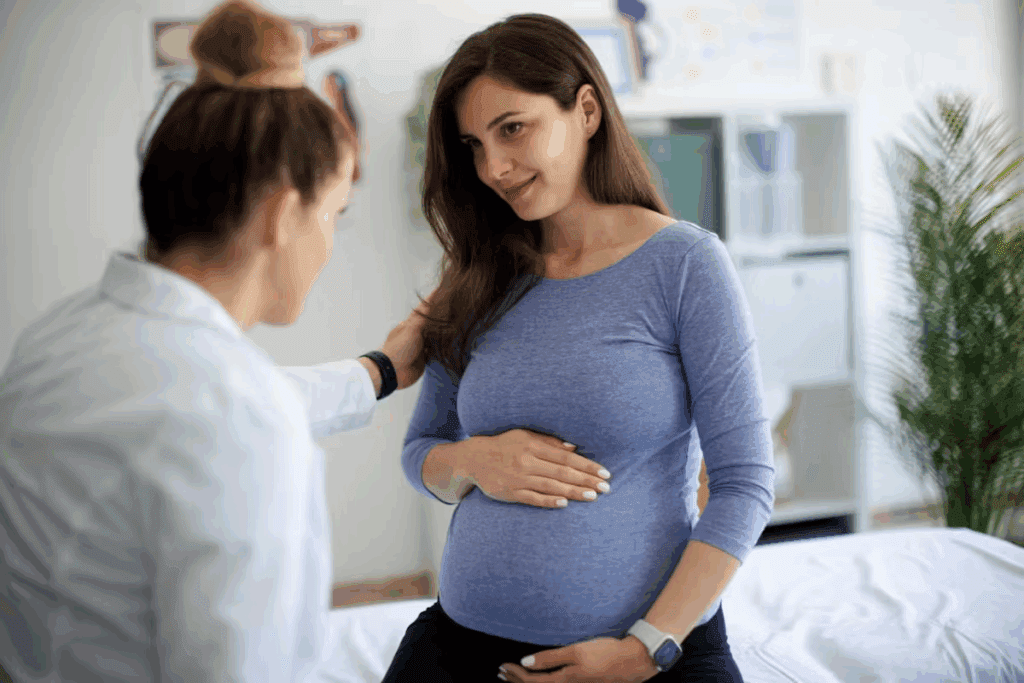
Understanding IVF success rates starts with knowing how the treatment works. IVF, or In Vitro Fertilization, is a detailed process. It includes several steps like ovarian stimulation, egg retrieval, fertilization, and embryo transfer.
What Constitutes a Complete IVF Cycle
A complete IVF cycle covers everything from the first visit to the embryo transfer. This includes:
- Ovarian stimulation: Medications help the ovaries produce many eggs.
- Egg retrieval: A small surgery is done to get the eggs.
- Fertilization: Eggs are mixed with sperm in a lab.
- Embryo culture: The fertilized eggs grow for 3-5 days.
- Embryo transfer: One or more embryos are put into the uterus.
Knowing these steps helps manage hopes and make smart choices about treatment.
Setting Realistic Expectations
Most women get pregnant after three to six IVF cycles. But success rates change based on age, egg and sperm quality, and infertility reasons.
To have realistic hopes, consider these key factors that affect IVF success:
| Factor | Influence on IVF Success |
|---|---|
| Age | Women under 35 have higher success rates compared to those over 40. |
| Egg Quality | Good eggs greatly increase the chance of successful fertilization and pregnancy. |
| Sperm Quality | Healthy sperm are key for successful fertilization. |
| Cause of Infertility | The reason for infertility can affect IVF treatment success. |
By knowing these factors and the IVF cycle, people can better understand their journey. They can also set more realistic hopes for IVF success.
How Many Cycles of IVF Is Average for Success

Many people need several tries to get IVF to work, with an average of 3 to 6 cycles. Research shows that more cycles can lead to better success rates.
Knowing what affects IVF success is key. Your age and egg quality are big factors in how many cycles you might need.
The Statistical 3-6 Cycle Average
About 65.3% of patients succeed after six cycles. This shows that keeping trying is important for success.
Younger women, under 35, have a 40-45% success rate in the first try. But, success can vary based on many factors, like egg quality and health.
Why Multiple Attempts Are Often Necessary
IVF cycles often need to be repeated because it’s a complex process. Things like embryo quality, uterine receptivity, and how well the body responds to stimulation can impact each cycle’s success.
Age is also a big factor. As women get older, their eggs get worse, making it harder to succeed in one cycle.
It’s important for those trying IVF to know these things. Understanding that you might need more than one cycle can help with the emotional and financial sides of it.
First-Time IVF Success Rates
Knowing the success rates of first-time IVF cycles is key for those starting their fertility journey. The path to parenthood through IVF is complex. Understanding the odds of success on the first try helps manage hopes and make smart choices.
The 20-30% Average Success Rate for Initial Cycles
The average success rate for the first IVF cycle is vital for those planning to become parents. Data from high-income countries shows the first embryo transfer has a 20-30% success rate per cycle. This rate changes based on the woman’s age, embryo quality, and infertility cause.
It’s important to remember that IVF success rates change with age. Women under 35 have a higher success rate in their first cycle than older women. Age is a big factor in determining success on the first try.
Key Predictors of First Cycle Success
Several factors predict the success of the first IVF cycle. These include:
- The age of the woman
- The quality and number of embryos available for transfer
- The cause of infertility
- The expertise of the fertility clinic and its protocols
Understanding these predictors helps individuals and couples prepare for their first IVF cycle. By considering these factors, fertility specialists can create treatment plans to increase success chances.
In conclusion, while the average success rate for first-time IVF cycles is 20-30%, individual circumstances can greatly affect this rate. By knowing the key predictors of success, prospective parents can have a better conversation with their fertility specialists. This helps understand their chances and the best approach for their situation.
Success Rates by Maternal Age
Maternal age greatly affects IVF success. Each age group has its own success rates. Knowing these rates helps manage expectations and make informed decisions.
Under 35: High Success Rates
Women under 35 have the highest IVF success rates. The first cycle success rate is about 40-45%. Younger women have healthier eggs, boosting their chances of a successful pregnancy.
Ages 35-37: Maintaining Good Success Rates
Women aged 35-37 also have high success rates, at about 40%. Even though egg quality and quantity may start to decline, many women in this age group achieve successful pregnancies through IVF.
Ages 38-40: Declining Success Rates
Success rates start to decline in the late 30s. For those aged 38-40, the first cycle success rate is around 25-30%. This drop is due to the decrease in egg quality and quantity.
Over 40: Challenges and Considerations
Women over 40 face lower success rates. The first cycle success rate for this age group is about 13%. While success is less likely, it’s not impossible. Many factors, including overall health and egg quality, influence the chances of a successful pregnancy.
Cumulative Success Rates Across Multiple Cycles
Understanding the success rates of IVF over time is key. It helps manage hopes and make smart treatment choices.
Success Rates for Women Under 35
Women under 35 see big gains in IVF success with more cycles. By the second cycle, success jumps to 65-70%. By the third, it hits 80-90%. This shows why sticking with IVF is important.
Success Rates for Women Aged 35-37
Women aged 35-37 also see their chances improve with more cycles. Success rates climb to 54% after two cycles and 61% after three. Though lower than younger women, it shows the value of not giving up.
Success Rates for Women Over 40
Women over 40 face lower success rates, but don’t lose hope. Success rates are about 21% after two cycles and 25% after three. But, after six cycles, the success rate jumps to 65.3%. This shows the power of persistence.
FAQ
How many cycles of IVF is average for success?
The average number of IVF cycles needed for success is between 3-6. This number can change based on age, egg quality, and health.
What is the success rate of IVF for first-time attempts?
The first IVF cycle success rate is about 20-30%. Success depends on age, egg quality, and sperm quality.
How does age affect IVF success rates?
Age greatly affects IVF success. Women under 35 have a 40-45% success rate in their first cycle. Those aged 35-37 have a 40% success rate.
Success rates drop with age. Women over 40 have a 13% success rate in their first cycle.
What are the cumulative success rates across multiple IVF cycles?
Success rates improve with more cycles. Women under 35 can reach 65-70% success by the second cycle and 80-90% by the third.Women aged 35-37 can achieve 54% success after two cycles and 61% after three. Women over 40 can reach 21% success after two cycles and 25% after three.
How many IVF cycles are typically recommended before considering alternative options?
The number of IVF cycles recommended varies. Generally, after six cycles, the success rate is about 65.3%.
What factors influence IVF success rates?
Success rates are influenced by age, egg quality, sperm quality, health, and the clinic’s expertise.
Can IVF success rates be predicted?
While predicting IVF success is not certain, knowing factors like age and egg quality helps make informed decisions.
How many rounds of IVF is normal for women over 40?
Women over 40 may need more IVF cycles for success. Success rates are lower, and multiple attempts are often necessary.
References
National Center for Biotechnology Information. IVF Cycles Needed for Pregnancy: Age and Success Rates. Retrieved from https://pmc.ncbi.nlm.nih.gov/articles/PMC3114961/
National Health Service (NHS). IVF cycles needed for pregnancy: Success rates and expectations. Retrieved from https://www.nhs.uk/conditions/in-vitro-fertilisation-ivf/